
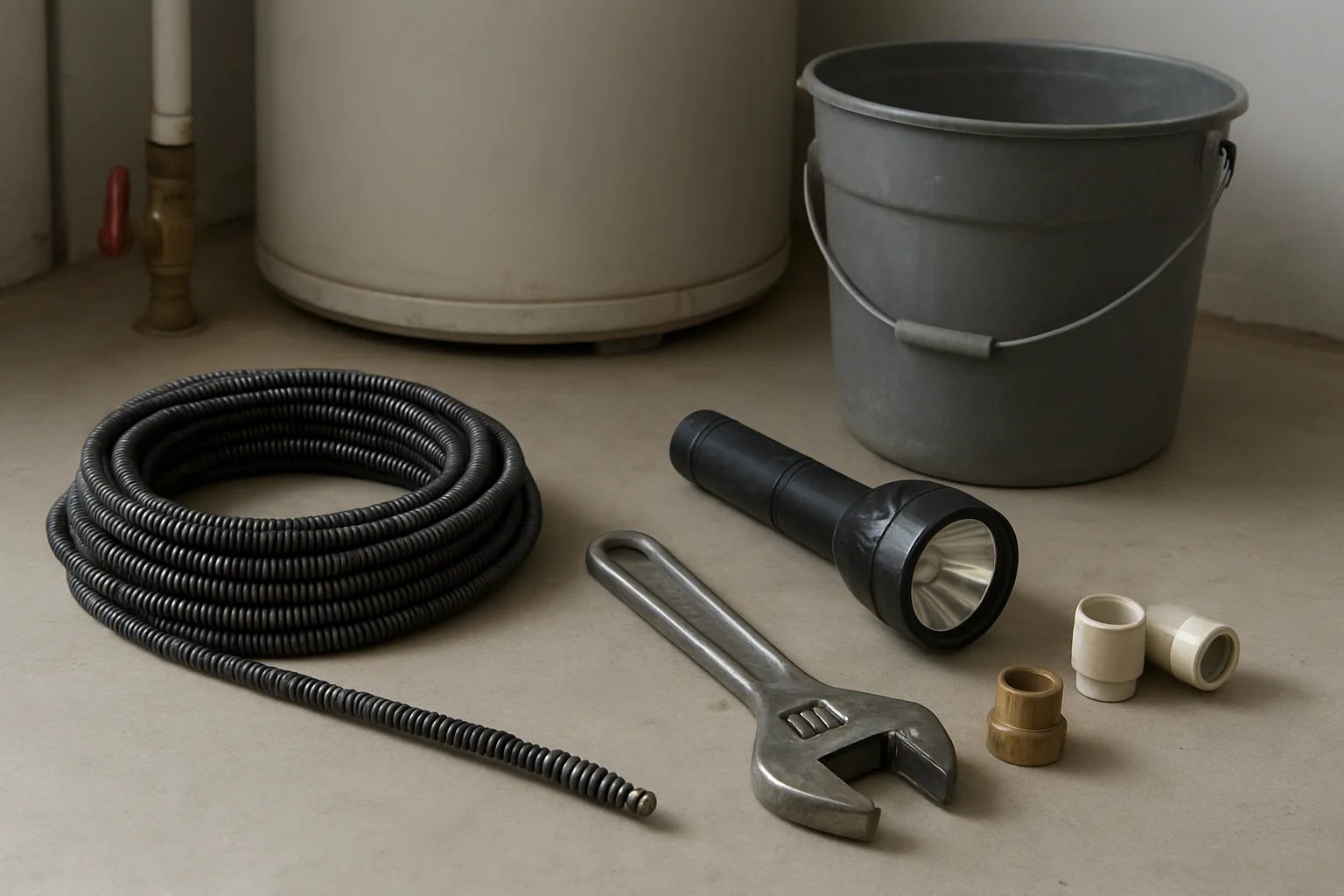
Why emergency plumbing planning matters in Northwest Florida
Northwest Florida homes face a mix of plumbing stressors that can appear suddenly and worsen quickly. Heavy rain, humid air, occasional cold snaps, shifting soils, and high indoor demand during busy seasons can all contribute to leaks, backups, and pressure problems. When a plumbing issue starts at night, on a weekend, or during a holiday gathering, homeowners often have only a short window to limit damage before water spreads into walls, flooring, insulation, and personal belongings. That is why 24/7 emergency plumbing support matters: it gives homeowners a way to respond promptly when a problem cannot wait for routine business hours.
Planning ahead is not about expecting the worst. It is about reducing uncertainty and knowing what to do when a problem appears. A homeowner who knows where the main shutoff is, what symptoms suggest an urgent leak, and when to call for professional help can often limit damage and shorten repair time. In Bay, Walton, and Okaloosa counties, where weather and seasonal occupancy patterns can change quickly, that kind of preparation is especially useful. Emergency plumbing readiness is part home maintenance, part risk management, and part peace of mind.
What counts as a plumbing emergency in the home
Not every plumbing problem is an emergency, but some issues need immediate attention because they can rapidly damage the home or create unsafe conditions. Examples include major water leaks, a burst or split pipe, sewage backing up into fixtures, no water supply due to a plumbing failure, or a water heater leak that is spreading into living areas. A constantly running fixture can waste water, but a hidden leak behind a wall or under a slab can be far more serious because it may stay unnoticed while structural damage develops. The key question is not just whether the plumbing is working, but whether the issue is likely to worsen before regular business hours.
A homeowner can use a simple rule of thumb: if water is actively escaping where it should not, if wastewater is coming back into the home, or if the issue threatens floors, drywall, electrical components, or sanitation, it deserves urgent attention. Some problems may start small and then escalate, such as a dripping supply line under a sink or a slow drain that signals a developing blockage. In those situations, professional assessment helps determine whether the issue is truly urgent or whether it can be scheduled safely. The goal is to respond appropriately rather than overreact or wait too long.
Common emergency plumbing scenarios in Bay, Walton and Okaloosa counties
Homes across these counties can experience a range of plumbing emergencies, and the local environment influences how they show up. In older homes, worn supply lines, aging shutoff valves, and corroded fixtures may fail without much warning. In newer homes, installation issues, clogged drains, or pressure imbalances can still create urgent problems. Coastal humidity can accelerate wear on exposed components, while sand, sediment, and mineral buildup can contribute to reduced flow or fixture failure. Properties used seasonally may also face issues after periods of low use, when seals dry out, traps lose water, or unnoticed leaks develop.
Heavy rainfall can create pressure on drainage systems and make backups more likely, especially if there is a separate issue with the home’s plumbing or yard drainage. During busy vacation periods, extra occupants can increase demand on toilets, showers, and water heaters, revealing weaknesses that may have gone unnoticed. And when temperatures dip, even briefly, vulnerable pipes or exposed hose bibs can be more likely to crack or leak. A professional plumber can evaluate the full system, not just the visible symptom, which is important because a single emergency may point to a broader maintenance issue elsewhere in the home.
How to reduce damage in the first few minutes
When a plumbing emergency starts, the first few minutes matter. Homeowners should focus on stopping water flow if it is safe to do so, protecting belongings from further exposure, and avoiding actions that could make the problem worse. If a major leak is visible and accessible, the main water shutoff is often the fastest way to limit damage. If the issue is limited to one fixture and the fixture has its own shutoff valve, that may be enough to isolate the problem. The important part is acting calmly and carefully rather than searching blindly or using force on parts that may be brittle or corroded.
After the immediate water source is addressed, it is wise to stay away from standing water around electrical outlets, appliances, or panels. Homeowners should also avoid using other plumbing fixtures if there is a backup or overflow, because added water can worsen the situation. If sewage is involved, contact with contaminated water should be minimized and affected areas should not be disturbed more than necessary before professional help arrives. A plumber’s assessment can identify whether the issue is a local fixture failure, a pipe break, a drain blockage, or a more complex problem that requires targeted repair.
Why professional assessment is safer than guessing
Plumbing emergencies can look simple at first glance, but the visible symptom is often only part of the story. A wet ceiling might come from a failed supply line above it, but it could also indicate a condensate issue, a fixture problem in another room, or a hidden leak that has been traveling along framing before becoming visible. Likewise, a drain backup may be caused by a clog at one fixture, but it can also point to a deeper blockage in the branch line or main drain. A professional assessment helps distinguish between those possibilities and prevents repeated breakdowns after a surface-level fix.
Professional plumbers use experience, inspection methods, and system knowledge to trace the source of the problem and evaluate the overall condition of the plumbing. That matters because the most obvious spot is not always the true failure point. Instead of replacing parts one by one and hoping for the best, a trained technician can determine what needs repair now, what should be monitored, and whether related components show signs of wear. That approach saves time and helps homeowners make informed decisions. It also supports long-term planning, since the same assessment that solves the emergency may reveal preventive steps that reduce the chance of another urgent call.
Seasonal plumbing risks during Northwest Florida weather changes
Northwest Florida’s seasons do not always look extreme, but even modest shifts can affect plumbing performance. During wetter periods, homeowners may see more drain stress, groundwater intrusion, or yard drainage issues that influence how wastewater moves away from the home. During dry spells, soil movement can place strain on underground lines or reveal leaks that were previously masked by saturated ground. Humid conditions can also encourage corrosion on certain exposed components, while temperature swings can make older fittings more vulnerable. Seasonal planning is useful because it helps homeowners think ahead before the environment changes enough to trigger a problem.
The seasonally busy months can add another layer of strain. More guests mean more showers, laundry, dishwashing, and toilet use. Vacation rentals or second homes may sit unused and then be put into service all at once, which can expose stagnation, slow leaks, or aging equipment. Homeowners in Bay, Walton, and Okaloosa counties benefit from a simple seasonal mindset: check vulnerable points before the weather shifts, before travel, and before hosting guests. A plumber’s professional assessment can identify the most likely weak spots in a home’s system and prioritize attention based on the season ahead.
Preventive care for drains, fixtures and supply lines
Preventive plumbing care is often most effective when it focuses on the parts of the system that homeowners use every day. Drains should function smoothly without gurgling, slow clearing, or recurring odors, and fixtures should not show signs of constant dripping, loose handles, or changing water pressure. Supply lines beneath sinks, behind toilets, and at appliances deserve regular visual checks because even a small leak can create hidden damage over time. Homeowners do not need to dismantle anything to notice warning signs; they simply need to look for moisture, staining, corrosion, and unusual sounds or smells.
Routine professional maintenance can help catch issues before they become emergencies. A plumber can inspect visible piping, test fixtures, review drainage performance, and look for early signs of wear in components that are easy to overlook. This is especially helpful in homes with older plumbing or in properties that have experienced repeated clogs, fixture failures, or hidden leaks. Preventive care is not about replacing everything at once. It is about identifying what is stable, what is nearing the end of its useful life, and what deserves attention before it fails on an inconvenient day.
Water heaters and emergency concerns
Water heaters are central to comfort, but when they malfunction, they can become part of an emergency. A leaking tank can release a significant amount of water into a utility area, garage, or closet. Loss of hot water may also signal a component issue that affects other connected parts of the system. Even when the problem seems limited to temperature changes, unusual noises, rust-colored water, or moisture around the heater should be taken seriously. Those signs can indicate sediment buildup, internal wear, or a developing failure that should be professionally evaluated rather than ignored.
Because water heaters combine plumbing, temperature control, and sometimes venting or electrical components, a careful assessment is important. Homeowners should not assume that any hot water problem can be solved by trial and error. A plumber can determine whether the issue is with the tank, valves, supply lines, connections, or another part of the system. In seasonal homes, water heaters may sit unused for stretches of time, which makes periodic checks even more valuable. Preventive attention to the unit can help reduce the chance of a sudden leak or loss of service when the home is occupied and hot water is needed most.
Toilets, backups and sanitation concerns
Toilet issues are among the most disruptive plumbing emergencies because they directly affect sanitation and daily household function. A toilet that overflows, will not stop running, or repeatedly clogs may signal a localized problem or a larger drainage issue. If more than one fixture is draining slowly, or if wastewater is coming back up through a tub or shower drain, the problem may extend beyond the toilet itself. In those cases, using additional water in the home can worsen the backup. This is one reason professional diagnosis matters: the same symptom can have very different causes and solutions.
Homeowners should treat sewage-related issues with extra caution because of the health and cleanup concerns involved. A plumber can help identify whether the blockage is isolated, whether venting or drainage is involved, and whether there is a main line issue that requires prompt repair. Even when a toilet issue seems minor, repeated clogs or unusual gurgling are worth investigating. Those signs often mean the system is trying to tell you something. Responding early can help avoid a larger backup, reduce cleanup, and keep the home more comfortable and sanitary.
Leaks that hide in walls, ceilings and slabs
Some of the most damaging plumbing issues are the ones homeowners cannot see right away. A hidden leak may show up as a stain on the ceiling, a warm or damp spot on the floor, peeling paint, a musty smell, or unexplained water use. In slab or foundation areas, the signs may be even subtler: a rise in utility bills, a persistent sound of running water, or flooring that changes color or feels different underfoot. These warning signs should not be dismissed just because they are small. Hidden leaks can continue long after the source is active, causing damage to framing, finishes, and sometimes structural elements.
Professional assessment is essential for hidden leaks because the water often travels away from the source before becoming visible. A plumber can investigate the likely path, test suspect fixtures or lines, and determine the most efficient repair strategy. That may involve isolating sections of the system, checking pressure behavior, or examining areas where moisture has collected. The important part is not to guess based on where the water appears. The visible spot may simply be where the leak finally surfaced. A careful evaluation helps homeowners address the true source and avoid unnecessary repairs elsewhere.
How seasonal guests and occupancy changes affect plumbing
Many Northwest Florida homes experience changes in occupancy throughout the year. Family visits, holiday gatherings, rental turnover, or returning seasonal residents can all place new demands on a plumbing system. More showers, more laundry, more dishwashing, and more toilet use can reveal weaknesses that remain hidden during quieter months. A system that seems to function normally with light use may become unreliable once the household is fully occupied. That is why preventive planning before peak occupancy is so important. A simple professional check can help confirm that supply lines, drains, and fixtures are ready for heavier use.
For homes that sit vacant part of the year, the plumbing system can also develop issues from inactivity. Traps may dry out, small leaks may go unnoticed, and sediment or corrosion may affect performance when the system is turned back on. Homeowners returning to a property after time away should be alert for unusual smells, slow drainage, or moisture around fixtures and equipment. A professional inspection is especially useful before long stays or when a property has been unoccupied through a seasonal transition. It helps ensure that the home is ready for routine use rather than revealing problems only after guests arrive.
What homeowners can do between service calls
Homeowners do not need advanced plumbing knowledge to support a healthier system between professional visits. Simple habits can make a meaningful difference. Watch for slow drains, dripping faucets, damp cabinets, corrosion around fittings, and unexpected changes in water pressure. Listen for running water when fixtures are off. Check areas under sinks, around toilets, and near the water heater for moisture or discoloration. These routine observations are low-risk and can help spot a developing problem before it becomes urgent. The goal is not to diagnose everything on your own, but to notice when something has changed.
It also helps to know the location of the home’s main water shutoff and to keep access to it clear. In an emergency, that knowledge can limit damage while waiting for a plumber. Homeowners should also avoid putting inappropriate materials or excess debris into drains, because clogs often begin with everyday habits that seem harmless until the line slows down. When a recurring issue appears, it is usually better to schedule professional evaluation than to keep treating the same symptom repeatedly. A plumber can identify why the issue keeps returning and whether a deeper repair would be more effective.
Choosing a trusted local emergency plumber
When a plumbing emergency happens, homeowners want a local team that can respond promptly and understand regional conditions. For residents of Bay, Walton, and Okaloosa counties, that means looking for a provider that serves the area consistently and can handle both urgent calls and preventive evaluations. A trusted emergency plumber should be able to explain the problem clearly, recommend practical next steps, and help homeowners understand whether the issue needs immediate repair or careful follow-up. Communication matters as much as technical skill because stressful situations are easier to manage when the plan is clear.
850 Plumber, part of veteran-owned A Superior Mechanical, serves homeowners across Bay, Walton and Okaloosa counties, FL, with 24/7 emergency plumbing support and preventive care guidance. For urgent concerns or to discuss a possible plumbing issue, homeowners can call 850-258-3225. The most useful emergency plumbing service is one that combines timely response with a professional assessment of the whole system, not just the visible symptom. That approach supports repairs that make sense now and planning that helps reduce future surprises. For Northwest Florida homeowners, preparedness and prompt local support can make all the difference when plumbing problems arise.
Explore related plumbing care
- 24/7 Emergency Plumbing Services in Bay, Walton and Okaloosa Counties
- Clean Water Services in Bay, Walton and Okaloosa Counties, FL
- Clogged Drains & Pipe Cleaning in Bay, Walton & Okaloosa Counties
- Commercial Plumbing Services in Bay, Walton & Okaloosa Counties, FL
- Drain Cleaning & Maintenance in Bay, Walton and Okaloosa Counties, FL
- Hydro Jetting in Bay, Walton and Okaloosa Counties, FL
Continue reading
- 24/7 Emergency Plumbing in Northwest Florida: How Homeowners Decide Between Repair and Replacement
- 24/7 Emergency Plumbing Services for Northwest Florida Homeowners: Warning Signs and Professional Diagnosis
- When to Repair and When to Replace Plumbing in Northwest Florida Homes
Talk with the 850 Plumber team for help with your home or business.