
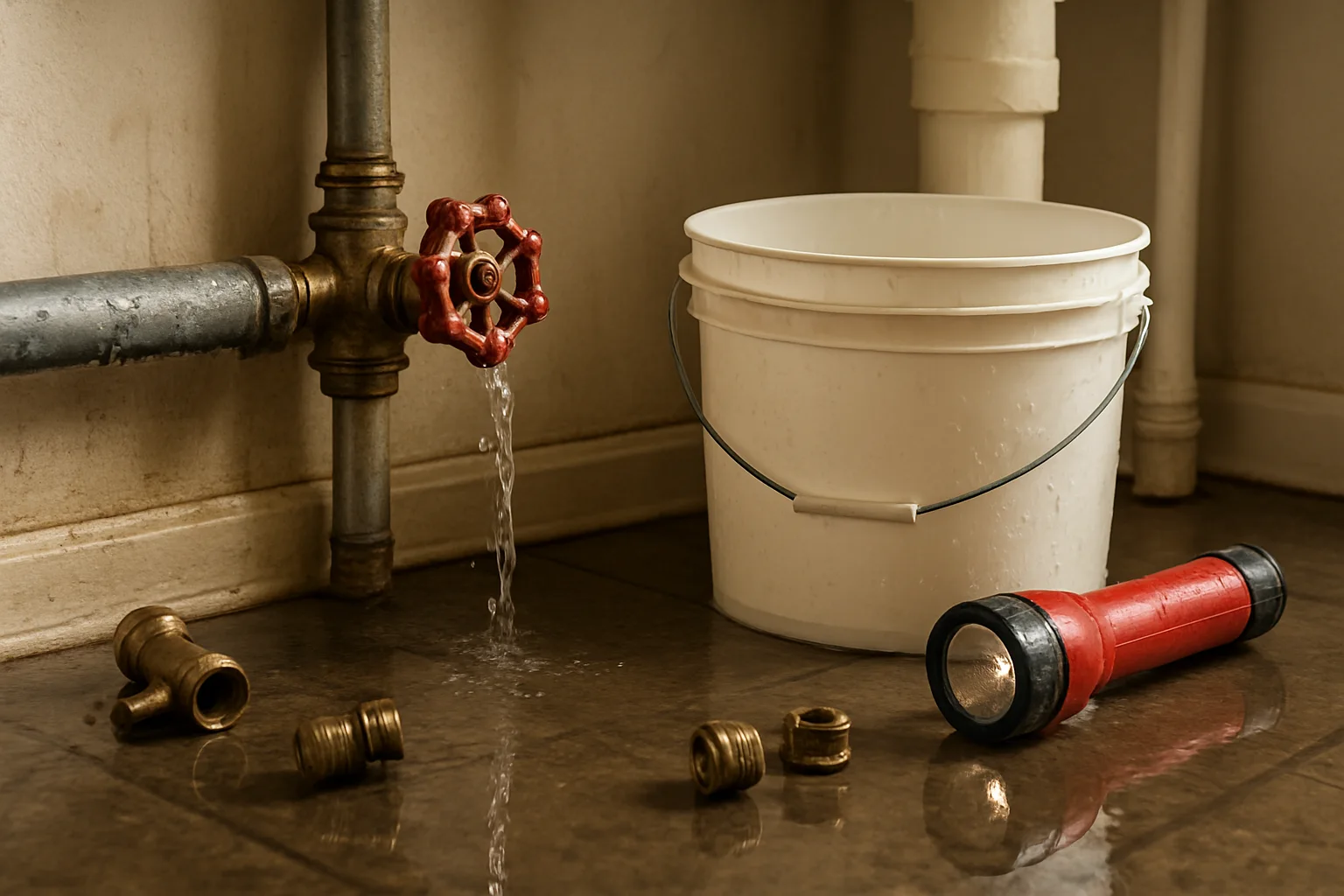
Why emergency plumbing matters in Northwest Florida
Plumbing problems rarely choose a convenient time to appear. In Bay, Walton, and Okaloosa counties, a small leak on a calm morning can become a major home disruption by evening, especially when humidity, heavy rain, sand, salt air, and seasonal demand all put extra stress on residential plumbing systems. For homeowners, the difference between a manageable repair and a costly emergency often comes down to how quickly the problem is recognized and whether a licensed professional is brought in to diagnose the source before more damage occurs.
24/7 emergency plumbing service exists for situations that cannot safely wait until the next business day. That includes active leaks, sewer backups, sudden loss of water, overflowing fixtures, water heater failures that affect safe use, and other urgent plumbing conditions that can threaten a home’s structure, indoor air quality, or daily function. In coastal and inland parts of Northwest Florida alike, plumbing issues can escalate quickly because water intrusion may damage drywall, flooring, insulation, cabinetry, and electrical components long before the homeowner sees the full extent of the problem.
For homeowners in this region, emergency service is not only about fast repairs. It is also about fast assessment. A seasoned plumber looks beyond the visible symptom and traces the issue back to its source. A wet ceiling may be a supply line leak, an appliance connection problem, a roof intrusion that mimics plumbing damage, or an overflow event that traveled through the structure. A professional diagnosis helps avoid guesswork, unnecessary demolition, and repeated service calls.
850 Plumber, part of veteran-owned A Superior Mechanical, serves Bay, Walton, and Okaloosa counties, FL, with around-the-clock emergency plumbing support for homeowners who need timely help. When a plumbing issue cannot wait, having a local team that understands the conditions common to Northwest Florida can make the response more effective and less disruptive.
Warning signs that call for immediate attention
Some plumbing problems announce themselves clearly, while others begin with subtle signs that are easy to dismiss. Homeowners should pay close attention to any sudden change in water behavior, especially if it is paired with staining, odor, noise, or a loss of pressure. One of the most important warning signs is an unexplained increase in water usage or a water bill that rises sharply without a corresponding change in household habits. Hidden leaks often reveal themselves first through utility bills or through damp areas where no moisture should be present.
Low water pressure can also signal an emergency depending on how it appears. If one fixture is affected, the issue may be isolated, but if the whole house experiences a sudden and significant pressure drop, the cause could be a major leak, a damaged supply line, a partially closed valve, or a problem in the main service line. In homes with aging plumbing or recent storm exposure, a pressure change should not be ignored. The same is true if the water suddenly becomes discolored, cloudy, rusty, or smells unusual, since these changes can indicate corrosion, disturbance in the plumbing line, or contamination concerns that warrant professional evaluation.
Drain problems can become emergencies when they move beyond a slow sink or shower. Multiple backed-up fixtures, bubbling toilets, gurgling drains, or wastewater odors inside the home can point to a main line obstruction or sewer issue. A single clogged fixture is common, but when several drains behave oddly at the same time, the problem may involve a larger part of the system and should be assessed promptly. Sewage or wastewater in the home is never a normal inconvenience; it is a sanitation issue that needs immediate professional attention.
Visible moisture is another major warning sign. Water stains on ceilings or walls, peeling paint, warped flooring, buckled baseboards, soft drywall, or damp cabinetry may indicate an active or recent leak. Even when the area seems to dry out, repeated moisture can feed mold growth and structural deterioration. A musty smell in a room, closet, or under a sink often suggests hidden moisture before visible damage appears. Homeowners should also listen for sounds that do not match normal plumbing operation, such as hissing, banging, constant running water, or repeated gurgling. Unusual sounds can point to pressure irregularities, trapped air, failing valves, or hidden leaks.
Water heater concerns deserve special attention. Hot water loss alone may be inconvenient, but signs such as leaking around the tank, rumbling noises, rusty water, a sudden temperature change, or moisture near the base of the unit can indicate a more serious issue. In homes where the water heater is located in a garage, closet, or attic-access area, even a small leak can spread quickly and damage nearby materials. Because water heaters combine plumbing, pressure, and temperature, they should be inspected by a professional when symptoms change unexpectedly.
Outdoor plumbing can also present emergencies in this part of Florida. Yard saturation that is not explained by rainfall, a continuously wet patch near the foundation, an unusually green strip of grass over a buried line, or water pooling near hose bibs or irrigation-adjacent plumbing can indicate a leak below grade. Exterior plumbing problems may be harder to see, but they can still affect a home’s foundation, landscaping, and water supply. When warning signs appear, time matters.
Why Northwest Florida homes face unique plumbing stress
Homes in Bay, Walton, and Okaloosa counties face a combination of environmental conditions that can influence plumbing performance. Coastal air can contribute to corrosion on exposed metal components. Heavy rain and storm-related saturation can pressure underground lines, reveal weak points, and complicate drainage around the home. Higher humidity can make it easier for small leaks to remain hidden, since dampness may blend into the environment until visible damage appears. In some neighborhoods, shifting soil and older construction materials can also create vulnerabilities that show up over time.
Seasonal occupancy patterns can add another layer of strain. In vacation homes, rental properties, and part-time residences, plumbing may go unused for stretches and then be placed under sudden demand when occupancy increases. Fixtures that sit idle can develop issues with seals, traps, or sediment buildup. When systems are reactivated, homeowners may notice leaks or drainage concerns that had gone unnoticed. Even in year-round residences, changes in household activity, holiday use, or extended rain events can bring a latent plumbing issue to the surface.
Storm preparedness is especially important in Northwest Florida, where heavy weather can coincide with plumbing vulnerabilities. Although not every plumbing emergency is storm-related, weather can worsen existing conditions or make them more apparent. Backflow concerns, sump or drainage challenges, and exterior leaks may become more urgent when rain is persistent. A homeowner does not need to wait for a major storm to have a plumbing system evaluated if warning signs are present. Early intervention can reduce the chance of an emergency during an already stressful period.
Because local homes vary in age, layout, and material condition, a one-size-fits-all approach is rarely enough. A plumbing issue in a newer subdivision may differ from one in an older home with original piping, and both can require distinct diagnostic steps. A professional familiar with the region will consider the age of the home, the symptoms reported, the location of the affected fixtures, and the possibility that several issues are happening at once. That local context matters when every minute counts.
What a professional emergency diagnosis includes
Emergency plumbing service is most valuable when it combines rapid response with careful diagnosis. The goal is not simply to stop visible water or reset a fixture; it is to determine why the problem happened and what condition the system is in now. A professional assessment usually begins with a detailed conversation about the symptoms. Homeowners are often asked when the issue started, which fixtures are affected, whether anything changed before the problem appeared, and whether there have been recent storms, repairs, or changes in water pressure. Those details help narrow the likely cause before tools are even used.
The next step is a visual and functional inspection of the affected area and related plumbing components. A plumber may check shutoff valves, supply connections, drains, fixtures, exposed pipes, and nearby surfaces for clues. Sometimes the visible problem is not the source but the result of another failure elsewhere in the line. For example, moisture under a sink may come from a loose connection, a failing trap, or a leak that traveled along framing before showing up in a different spot. The point of professional diagnosis is to trace symptoms back to origin.
Depending on the situation, a plumber may use specialized diagnostic equipment to examine hidden or hard-to-reach areas. This can include camera inspection of drain lines, pressure-related testing, or other tools that help identify blockages, breaks, offsets, corrosion, or leak points without unnecessary damage to the home. These methods are especially useful when the problem is underground, inside walls, or within a drainage system that cannot be accurately judged from the surface. Professional equipment helps reduce trial-and-error and supports a more accurate repair plan.
Good diagnosis also includes separating emergency conditions from secondary damage. A plumber may identify the immediate cause of a leak while also noting supporting issues such as corroded fittings, weak seals, aged supply lines, or clogged drains that could create a future problem. In this sense, an emergency visit can provide both a short-term response and a longer-term understanding of the system’s condition. That is particularly helpful for homeowners who want to avoid recurring disruptions.
For safety reasons, homeowners should avoid relying on assumptions about where the problem began. Water can travel along framing, flooring, or pipe routes before appearing in a completely different location. A puddle in one room may not mean the source is directly above it. Likewise, a toilet backup may not be limited to the bathroom where it first showed up. Professional diagnosis matters because it reduces the risk of fixing the wrong component while leaving the real issue unresolved.
What homeowners should do before help arrives
When a plumbing emergency occurs, the safest first step is to limit damage without attempting repairs that could make the situation worse. If the issue involves active water flow, homeowners should locate the nearest accessible shutoff valve and close it only if they know how to do so safely. If the home has a main water shutoff that can be reached without risk, turning it off may help reduce further flooding. If there is any uncertainty, it is better to wait for professional guidance than to force a valve that may be stuck or cause additional damage.
If the problem involves sewage, strong odors, or contaminated water, avoid direct contact with affected areas. Keep children and pets away from the space, and do not run additional water through fixtures connected to the backup. If water has reached electrical outlets, appliances, or wiring, the situation becomes more complex and may require additional caution. A plumber can handle the plumbing assessment, but the homeowner should also recognize when other home systems may be at risk and remain out of the affected area until it is safe.
Homeowners should also avoid using chemical drain cleaners or improvised fixes in an emergency. These products may not solve the underlying issue and can create additional hazards for pipes, fixtures, and anyone who later works on the line. A temporary patch or repeated plunging may also obscure the symptoms a plumber needs to see to diagnose the real cause. The best approach is usually to document what is happening, note the time the issue started, and wait for a professional evaluation.
If it is safe to do so, take a few photos of the affected area before cleanup begins. Visual documentation can help show the extent of the damage and how the issue progressed. That said, documentation should never come before safety. If the area is slippery, unsanitary, or near electrical components, getting out of harm’s way is more important than preserving evidence. During a plumbing emergency, the priority is protecting people first, then the home, then the repair plan.
Clearing a path to the affected area can also help speed response. Move items away from the leak if they can be safely relocated, but do not cut into walls, remove fixtures, or dismantle plumbing components. Those actions can create confusion and may make diagnosis more difficult. A professional plumber should make the call on what needs to be opened or replaced after a proper assessment.
How 24/7 service helps reduce damage and disruption
Plumbing emergencies are time-sensitive because water damage escalates quickly. A leak that seems small at first can affect a wide area if it continues overnight, while a backup or failed fixture may make part of the home unusable until the issue is resolved. Twenty-four-hour availability matters because it gives homeowners a way to act when the problem first appears, not after the damage grows. In practical terms, earlier response often means less water intrusion, fewer surfaces affected, and a clearer path to repair.
Fast service is especially valuable when the home’s function depends on the affected plumbing. A kitchen sink failure can disrupt cooking and cleaning. A bathroom backup can affect the whole household. A water heater leak can remove hot water and threaten surrounding materials. In a busy family home or a rental property, these issues can quickly become more than an inconvenience. Emergency support helps restore essential use while also keeping the situation under control.
That said, speed should never replace accuracy. A trustworthy emergency visit should aim to stabilize the issue, diagnose it carefully, and explain the next steps in plain language. In some cases, the right immediate response is a repair on the spot. In others, the first visit may focus on stopping the damage and planning a more extensive correction if the system needs it. Homeowners benefit when the process is clear and the diagnosis is based on what the plumbing is actually doing, not on assumptions.
For homeowners in Bay, Walton, and Okaloosa counties, local emergency service also means familiarity with the regional mix of home types and plumbing challenges. A team working regularly in the area is better positioned to recognize patterns that are common to coastal and inland properties, from corrosion and drainage issues to aging fixtures and pressure-related concerns. That local knowledge can make a meaningful difference when the same symptom could have several possible causes.
When to call 850 Plumber
A good rule of thumb is simple: if water is actively damaging the home, if wastewater is backing up, if a major fixture has failed, or if you cannot confidently identify the source of the problem, it is time to call for emergency plumbing help. Waiting can allow hidden damage to spread behind walls, under floors, and into spaces that are expensive to restore. Even symptoms that seem minor at first may point to a larger issue that only becomes obvious after the problem has been active for a while.
850 Plumber, part of veteran-owned A Superior Mechanical, provides 24/7 emergency plumbing service for homeowners across Bay, Walton, and Okaloosa counties, FL. Whether the concern is a leak, a backup, a sudden loss of water, a water heater issue, or another urgent plumbing problem, the goal is professional diagnosis and timely response. Homeowners who need help can call 850-258-3225 to request emergency service and get guidance on the next steps.
Prepared as an evergreen homeowner resource with seasonal archive coverage dated 2025-11-03, this article is intended to help residents recognize urgent plumbing warning signs before a small issue turns into a larger repair. Emergency plumbing is about more than stopping water. It is about protecting the home, understanding the cause, and getting the right solution the first time. When something seems off, a prompt professional assessment is the safest path forward.
Explore related plumbing care
- 24/7 Emergency Plumbing Services in Bay, Walton and Okaloosa Counties
- Clean Water Services in Bay, Walton and Okaloosa Counties, FL
- Clogged Drains & Pipe Cleaning in Bay, Walton & Okaloosa Counties
- Commercial Plumbing Services in Bay, Walton & Okaloosa Counties, FL
- Drain Cleaning & Maintenance in Bay, Walton and Okaloosa Counties, FL
- Hydro Jetting in Bay, Walton and Okaloosa Counties, FL
Continue reading
- Whole Home Water Purification Warning Signs and Professional Diagnosis for Northwest Florida Homes
- Water Softening Services in Santa Rosa Beach, FL: Warning Signs and Professional Diagnosis for Northwest Florida Homeowners
- Water Line Warning Signs for Northwest Florida Homeowners: When to Schedule a Professional Diagnosis
Talk with the 850 Plumber team for help with your home or business.