
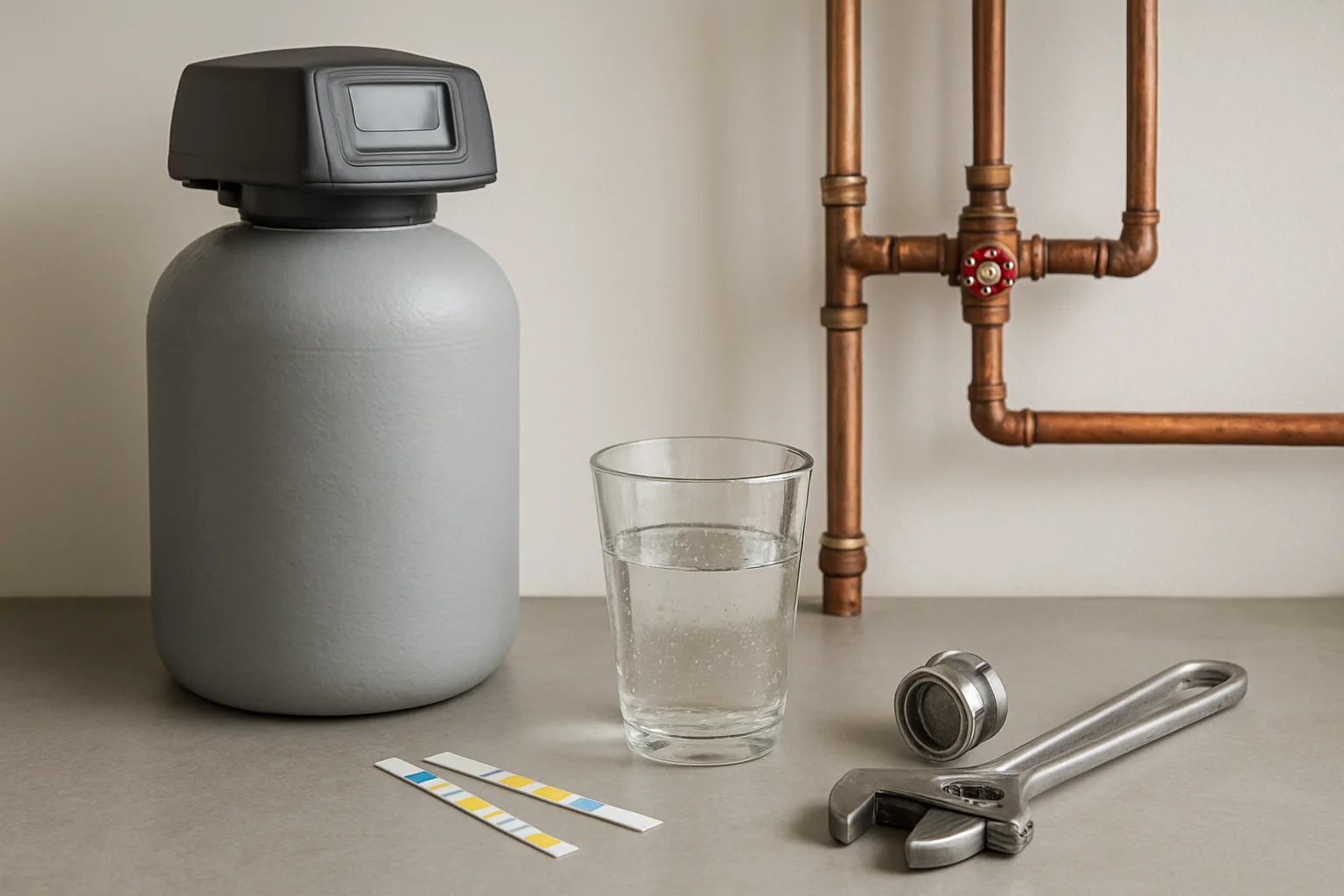
Why water softness matters in Santa Rosa Beach homes
Water quality concerns in Santa Rosa Beach often start with small annoyances that are easy to overlook. A faint white film on a shower door, stiff laundry, or spots on freshly washed dishes can seem minor at first, but those signs may point to hard water affecting the home day after day. In Northwest Florida, many homeowners want to understand whether a water softener is the right answer or whether another treatment approach would better match the water coming into the house. Because water conditions can vary from one neighborhood or source to another, guessing can lead to buying equipment that does not address the real issue.
A water softening service is not just about making soap lather better. It is about reducing the mineral buildup that can affect fixtures, plumbing components, appliances, and cleaning routines over time. A professional assessment helps homeowners avoid assumptions and identify what is actually happening in the water supply. For homeowners in Bay, Walton, and Okaloosa counties, a thoughtful diagnosis can also help determine whether the home needs a full softener, a filtration component, or a different solution altogether. That makes the first step less about products and more about understanding the problem clearly.
What hard water is and how it behaves in a home
Hard water contains naturally occurring minerals, most commonly calcium and magnesium, in amounts that can create visible and practical problems. These minerals are not dangerous in the way people often imagine when they hear the term "hard," but they can change how water behaves in the home. Hard water often interacts poorly with soap, which is why homeowners may notice that shampoo, detergent, and cleaning products seem less effective. It can also leave behind mineral residue when water dries on faucets, glass, tile, or cookware.
Over time, the same mineral content can contribute to scale inside plumbing and water-using appliances. Scale is the chalky buildup that can form where water heats, evaporates, or moves through fixtures repeatedly. In practical terms, that means a water heater may work harder, a shower head may clog sooner, and a dishwasher may leave more spotting than expected. Because these changes happen gradually, many homeowners adapt to them without realizing water quality is part of the cause. A professional evaluation helps separate hard-water symptoms from unrelated maintenance issues so the solution matches the actual conditions in the home.
Common warning signs homeowners notice first
Many homeowners first suspect hard water after noticing a pattern rather than a single obvious problem. White spots on glassware, cloudy shower doors, soap scum in tubs, and a film on bathroom fixtures are common early clues. Laundry may also feel rough or look dull, especially if towels lose softness sooner than expected. Some homeowners find they use extra detergent but still do not get the results they want. These day-to-day frustrations are often what lead people to ask whether a water softening service could help.
Other warning signs are less visible. Faucets may show crusty mineral deposits around the aerator, showerheads may lose spray consistency, and appliances may not seem to perform as efficiently as before. A water heater can develop mineral-related strain, especially when sediment or scale is allowed to build up. Even if these issues do not seem severe individually, they can signal a broader water quality pattern. The challenge is that similar symptoms can also come from cleaning habits, aging fixtures, or other plumbing conditions. That is why homeowners benefit from a professional diagnosis rather than relying only on appearance or online guesswork.
How hard water can affect plumbing and fixtures
When mineral-rich water moves through a home, it can leave deposits in places that are difficult to see. Narrow passages in faucet cartridges, shower arms, shutoff valves, and appliance connections may collect scale over time. In some homes, this buildup contributes to reduced flow or makes fixtures feel less responsive. It can also create visible ring-like or crusty deposits where water dries frequently. While these changes do not always cause immediate failure, they can add wear and increase the likelihood of maintenance calls later on.
For plumbing systems, the concern is not simply cosmetics. Scale can interfere with efficiency and make routine use less convenient. A homeowner may notice lower shower performance, more frequent fixture cleaning, or reduced lifespan of certain components. That said, not every plumbing complaint is caused by hard water. Pressure issues, corrosion, older materials, or simple wear can create similar symptoms. A professional assessment looks at the full picture, including water quality, fixture condition, and the age and layout of the plumbing system. This helps determine whether softening would provide a meaningful benefit or whether another repair should come first.
How hard water can affect appliances and daily routines
Home appliances that use water can be especially sensitive to mineral content. Dishwashers, washing machines, and water heaters all work more smoothly when water conditions are balanced for the home. In a hard-water environment, homeowners may notice film on dishes, less effective laundry rinsing, or reduced heating efficiency over time. These issues can become routine enough that people adjust their habits without realizing the water itself is driving the extra effort. More soap, more cleaning time, and more maintenance can gradually become part of everyday life.
A softening system can help reduce those effects when hard water is the real cause, but the right system depends on the home’s water profile and usage pattern. Some homes benefit from whole-house softening, while others may need a targeted treatment plan after testing reveals the actual mineral load. Professional diagnosis is useful because appliance symptoms alone do not prove a softener is needed. A technician can evaluate whether scale is the main culprit or whether sediment, chlorine, iron staining, or another water condition is contributing to the problem. That avoids treating the wrong issue and helps homeowners protect equipment more effectively.
Professional diagnosis versus guesswork
It is tempting to decide on a water softener based only on one or two symptoms, especially when the signs seem obvious. However, hard water can overlap with other water concerns that look similar. A cloudy glass may point to minerals, but it could also involve detergent residue. A stained fixture may be affected by water chemistry, but it could also be related to oxidation or regular wear. Because of this overlap, a professional assessment is valuable. It helps identify what is happening in the water rather than simply reacting to visible symptoms.
A proper diagnosis usually considers more than a single test strip result. Professionals look at the home’s plumbing setup, the source water characteristics, fixture performance, and the homeowner’s observations. They may compare what is happening in different parts of the house and ask about issues such as spotting, scaling, soap performance, or appliance behavior. This broader view helps determine whether a softener is appropriate, whether the system should be sized for the home’s water use, and whether other treatment stages are needed. Homeowners in Santa Rosa Beach and the surrounding counties benefit from this step because it leads to a more informed recommendation instead of a one-size-fits-all assumption.
What a professional water assessment typically looks for
A professional water assessment is meant to connect symptoms with evidence. The technician may examine visible scale, evaluate fixture condition, and consider how long the issues have been present. They may also review whether the home has had prior treatment equipment, plumbing repairs, or appliance problems that could influence the results. When testing is part of the process, the goal is to understand the water’s characteristics well enough to make a practical recommendation, not to overwhelm the homeowner with technical language. The homeowner should come away with a clearer understanding of what the water is doing and why that matters.
Just as important, a useful assessment also checks for what hard-water treatment would not solve. If a home has sediment, iron, chlorine concerns, or other water quality issues, those factors may need to be addressed alongside softening or instead of it. That distinction matters because a softener is designed for a specific purpose. A professional can explain whether the home needs one system, a combination approach, or simple maintenance changes. That kind of clarity helps homeowners avoid unnecessary equipment and choose a solution that fits their actual conditions and household routine.
Why local conditions in Northwest Florida can influence recommendations
Northwest Florida homeowners often face water conditions that can vary by area, neighborhood, and supply source. That variability is part of why professional diagnosis matters so much in Santa Rosa Beach and nearby communities. One home may show more obvious scaling, while another may have fewer visible signs but still experience performance issues with soap or appliances. The point is that local conditions are not always uniform, so advice should not be based on broad assumptions alone. A tailored assessment helps match the treatment approach to the home rather than to a general map or internet description.
Local conditions can also influence how a system should be configured and maintained. The size of the household, daily water use, and existing plumbing layout all affect how a softener performs in practice. A family that runs multiple loads of laundry each week has different demands than a seasonal property or a smaller household. A professional can evaluate these differences and recommend a system suited to the home’s actual usage patterns. That makes the solution more practical and helps avoid under-sizing, over-sizing, or overlooking other treatment needs that may be just as important as softening.
Signs a water softener may be appropriate
A water softener may be a good fit when the most consistent problems point to mineral buildup and soap inefficiency. If the home regularly shows scale on faucets, film on shower glass, difficulty rinsing soap from skin or laundry, and recurring mineral residue on dishes, softening may address several issues at once. Homeowners often appreciate the convenience of cleaner-rinsing water because it can reduce the amount of scrubbing and product needed in daily routines. In many cases, the goal is not perfection but a noticeable improvement in how the home feels and functions.
Still, appropriateness depends on a proper evaluation. A softener is helpful when hardness is the main problem, but it should not be assumed to solve unrelated water concerns. If the home also has staining, odor, or sediment, those may require separate treatment or additional equipment. That is why professional guidance matters before making a purchase decision. The right recommendation takes into account the home’s symptoms, the water test results, and the overall plumbing picture. When those pieces line up, homeowners can move forward with greater confidence that the system will actually match the problem they are trying to solve.
What homeowners should expect during a service visit
A water softening service visit should feel organized and informative, not rushed. Homeowners can expect questions about the problems they have noticed, where in the home those problems show up, and how long they have been happening. The technician may inspect fixtures, appliances, and the main plumbing layout to understand where hard water effects are most visible. If testing is involved, it is used to support the diagnosis and guide system recommendations. The best outcome is a clear explanation of what the results mean in plain language.
The visit should also include a discussion of options. That may mean learning whether the home would benefit from a softener, whether another treatment stage should be considered, or whether maintenance and monitoring are the smarter first step. A helpful provider will explain how the recommendation fits the home’s water use and what kind of maintenance the homeowner can expect over time. This is important because water treatment works best when the homeowner understands the purpose of the system and how it supports the rest of the plumbing. Clarity at the start tends to prevent confusion later.
Maintenance and long-term care after installation
Once a water softening solution is in place, ongoing care matters. Homeowners should understand that treatment equipment is part of the home’s mechanical system, not a set-it-and-forget-it appliance. Depending on the system type and household use, there may be routine attention needed to keep performance steady. That can include monitoring salt levels for certain systems, checking for changes in water feel or fixture spotting, and making sure the unit is operating as intended. Regular maintenance helps the softener continue doing the job it was selected for.
Long-term care also includes watching for changes in water quality or household demand. A growing family, different appliance usage, or plumbing updates can alter how much water the home uses and how the treatment system performs. Professional follow-up can be useful when homeowners notice a change in results or want reassurance that the system is still a good fit. Maintenance is not just about the equipment itself; it is about protecting the benefits the homeowner was expecting in the first place. Keeping an eye on the system helps preserve those gains over time and reduces the chance that small issues become bigger ones.
How to decide whether to call for a professional assessment
If the same water-related annoyances keep coming back, it is a good time to ask for a professional assessment. Homeowners do not need to wait until a major plumbing problem develops. Repeated spotting, stubborn soap residue, rough laundry texture, or scale on fixtures are all reasonable reasons to seek help. Even if the home is still functioning, those signs may indicate that water quality is affecting comfort, appearance, and efficiency in subtle but ongoing ways. Getting answers early can make it easier to choose the right solution and avoid unnecessary trial and error.
For homeowners in Santa Rosa Beach and the surrounding Northwest Florida area, the value of a professional assessment is that it turns uncertainty into a plan. Instead of wondering whether the home needs a softener, a filter, or something else entirely, the homeowner can rely on an informed diagnosis. 850 Plumber, part of veteran-owned A Superior Mechanical, serves Bay, Walton, and Okaloosa counties and can help homeowners understand what the water is doing before any equipment decision is made. For seasonal topic coverage or anytime guidance, a professional evaluation is often the most practical first step toward better water in the home. Call 850-258-3225 to discuss your concerns and learn what assessment may be appropriate for your property.
Explore related plumbing care
- Water Softening Services in Santa Rosa Beach, FL
- Water Heater Maintenance in Santa Rosa Beach, FL
- Water Heater Replacement in Santa Rosa Beach, FL | 850 Plumber
- Pipe Replacement in Santa Rosa Beach, FL
- Clean Water Services in Bay, Walton and Okaloosa Counties, FL
- Tankless Water Heater Services in Northwest Florida | 850 Plumber
Continue reading
- Water Heater Replacement in Santa Rosa Beach, FL: Warning Signs and Professional Diagnosis for Northwest Florida Homeowners
- Water Heater Maintenance in Santa Rosa Beach, FL: Warning Signs and Professional Diagnosis for Northwest Florida Homeowners
- Pipe Replacement in Santa Rosa Beach, FL: Warning Signs and Professional Diagnosis for Northwest Florida Homeowners
Talk with the 850 Plumber team for help with your home or business.