
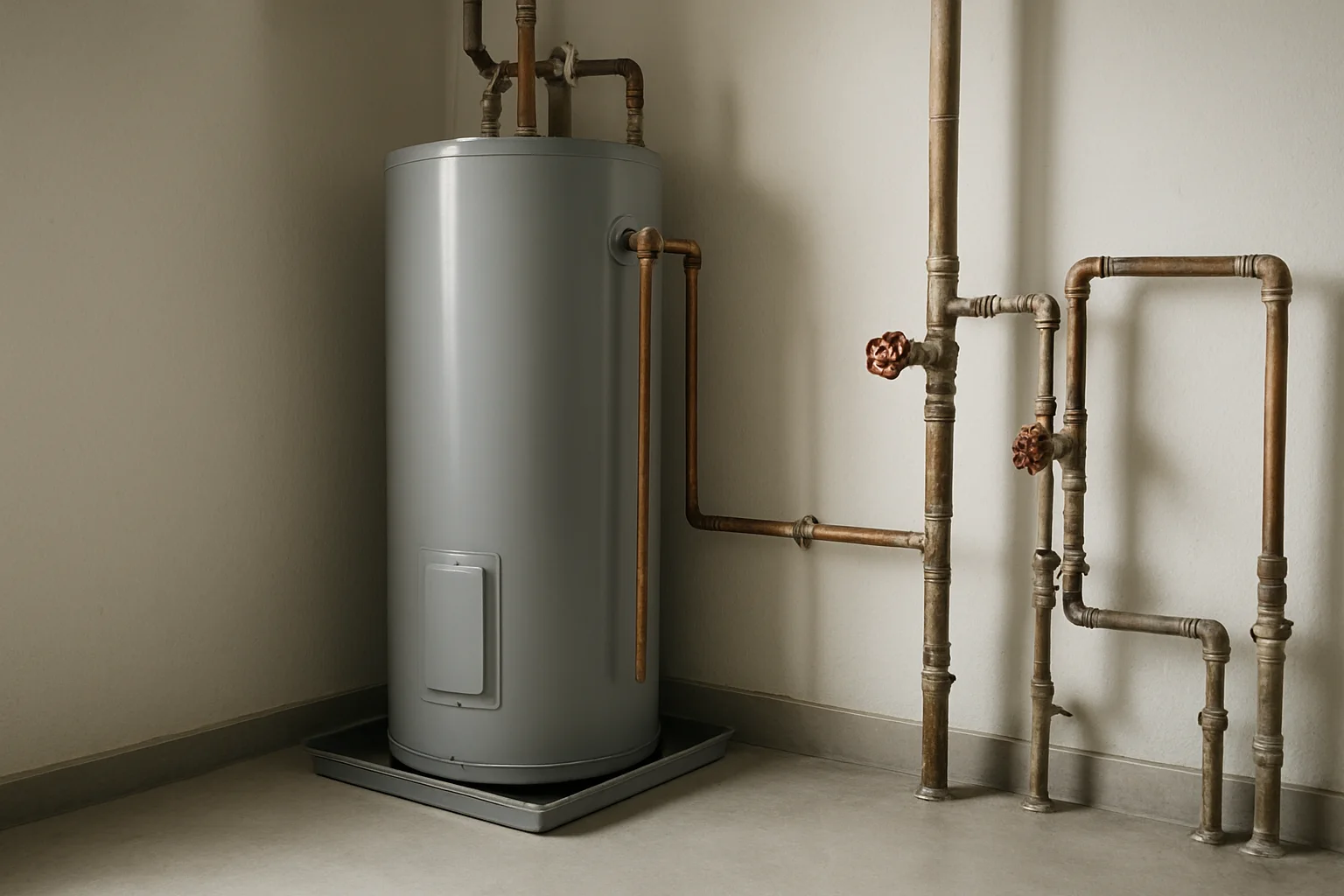
Why Water Heater Maintenance Matters in Santa Rosa Beach
In Santa Rosa Beach and across Northwest Florida, water heaters work in a challenging environment. Warm temperatures, humidity, coastal air, seasonal occupancy patterns, and hard or mineral-rich water can all affect how a water heater performs over time. Homeowners often notice problems only after hot water becomes inconsistent, odors develop, or a leak appears near the tank. Regular maintenance is not just about comfort. It is also about catching small issues before they turn into water damage, premature failure, or a cold shower at the worst possible time.
A well-maintained water heater can provide more reliable hot water and may help the system operate more efficiently. That matters for households that rely on steady hot water for bathing, laundry, cooking, and cleaning. For homeowners in Bay, Walton, and Okaloosa counties, maintenance is especially valuable because conditions near the coast can accelerate corrosion and wear. A professional assessment can identify whether symptoms point to a simple adjustment, a component failure, sediment buildup, or a tank nearing the end of its useful life. The goal is not to guess. The goal is to evaluate the system carefully and respond appropriately.
Common Warning Signs Homeowners Should Not Ignore
Water heaters often give warning signs before they stop working completely. Hot water that runs out faster than usual, fluctuating temperatures, or water that never gets fully hot can signal a developing issue. Strange noises are another clue. Rumbling, popping, or crackling sounds may indicate sediment buildup inside the tank, which can affect heating performance and place extra stress on the system. Discolored water, a metallic taste, or rust staining near fixtures can also point to corrosion or aging components that need attention.
Leaks are one of the most important signs to take seriously. Even a small amount of moisture near the base of a tank, around fittings, or below an expansion tank can indicate a problem that deserves prompt professional diagnosis. Homeowners may also notice the pilot light or ignition system acting inconsistently on gas units, or repeated breaker trips on electric models. These symptoms do not always mean the entire heater is failing, but they do mean the system needs a closer look. A professional can trace the symptom to its source instead of replacing parts based on a guess.
How Northwest Florida Conditions Affect Water Heaters
Northwest Florida homes face conditions that can be hard on plumbing equipment. Coastal air carries moisture and salt that can contribute to exterior corrosion on exposed parts. High humidity can also increase the chance that small leaks go unnoticed because surfaces dry unevenly or condensation is mistaken for seepage. In addition, many homes in the area experience periods of seasonal vacancy or irregular use, which can make it harder for homeowners to notice gradual changes in water heater performance.
Water quality is another factor. Depending on the home and local supply conditions, minerals in the water can settle inside the tank over time. That sediment can reduce efficiency, create noise, and shorten the life of heating elements or burners. For homes with vacation schedules or rental turnover, a system may sit unused for stretches and then be asked to perform at full demand immediately. That pattern can reveal problems that would otherwise remain hidden. A professional familiar with local conditions can interpret the symptoms in context, which helps avoid unnecessary work and focuses attention on the most likely causes.
What a Professional Water Heater Inspection Typically Looks For
A professional inspection goes beyond a quick glance at the tank. The technician looks at the age and type of unit, the condition of the tank, the visible piping, valves, venting, drain connections, and nearby signs of moisture or corrosion. They may also check whether the heater is sized appropriately for the household’s hot water demand and whether the installation appears to meet current expectations for safe operation. The purpose is to understand the full picture, not just the symptom that prompted the call.
For electric models, a professional may assess elements, thermostats, wiring, and signs of overheating. For gas models, they may examine ignition components, burner performance, venting, and combustion-related issues. On any type of heater, they may evaluate sediment levels, temperature consistency, pressure relief components, and whether there are signs of age-related deterioration. This kind of assessment helps determine whether the issue is maintenance-related, repairable, or a sign that replacement should be discussed. A thorough diagnosis protects homeowners from repeat problems and helps ensure the next step is based on evidence.
Sediment Buildup and Why It Matters
Sediment is one of the most common water heater issues in homes with mineral-bearing water. As water is heated, minerals can separate and settle at the bottom of the tank. Over time, that sediment layer can reduce the unit’s ability to heat water efficiently. Homeowners may hear popping or rumbling sounds as water trapped beneath the sediment heats and escapes. They may also notice hotter-than-normal utility use, lukewarm showers, or longer recovery times after multiple people use hot water in the same day.
Sediment buildup can also create uneven heating that stresses the tank and heating components. In severe cases, it may contribute to premature wear or make it harder to distinguish between a normal aging issue and an actual malfunction. While homeowners can notice the warning signs, flushing or servicing a water heater should be evaluated carefully by a professional, especially when the unit is older, showing corrosion, or already leaking. A technician can determine whether maintenance is appropriate, whether sediment has become too severe, or whether draining the tank could create additional risk due to age or component condition.
Leaks, Moisture, and Corrosion Around the Tank
Any moisture around a water heater deserves attention, but not every wet spot means the tank itself has failed. Condensation, a loose fitting, a dripping valve, or a connection issue can create moisture that looks alarming but may be limited in scope. On the other hand, rust at the base of the tank, repeated puddling, or water appearing after the unit heats can indicate a more serious concern. Because water heaters often sit in utility rooms, garages, closets, or elevated areas where leaks can spread unnoticed, even small amounts of moisture can damage flooring, framing, or nearby belongings.
Corrosion is another sign that professional diagnosis is important. Surface rust on fittings or the outside jacket may be manageable, while corrosion that suggests tank deterioration is a different matter. A technician can inspect the source carefully and determine whether the leak is coming from a valve, a connection, a drain pan issue, or the tank itself. That distinction matters because some problems are repairable and others are not. The earlier a homeowner calls for an evaluation, the more likely it is that they can avoid major water damage and make an informed decision about repair versus replacement.
Temperature Problems and Inconsistent Hot Water
A water heater that delivers water at inconsistent temperatures is often signaling a control, sediment, or capacity issue. Homeowners may notice that the water starts hot, then turns lukewarm too quickly, or that one shower feels fine while another barely gets warm. In some cases, the problem is tied to worn components, thermostat settings, or a system that is struggling to keep up with demand. In other cases, the water heater may be operating normally but is too small for the household’s actual usage pattern.
Professional diagnosis helps separate a settings issue from a mechanical issue. A technician can determine whether the problem is related to the heating source, a faulty thermostat, a sediment-related efficiency loss, or a distribution issue elsewhere in the plumbing system. This is especially helpful in homes with changing occupancy, guest stays, or multiple hot water demands happening at once. Rather than guessing at the cause, a professional can test the unit and explain whether the issue can be corrected with maintenance, adjustment, or a targeted repair. That keeps homeowners from spending time and money on the wrong fix.
Noises, Odors, and Other Clues from the System
Water heaters are not supposed to make loud or unusual noises during normal operation. Popping, crackling, whining, or banging can indicate sediment, scale, or flow issues. In some cases, a noisy system is simply working harder than it should because of buildup or aging parts. In others, it may be a sign that pressure, temperature, or venting conditions are not right. Homeowners should not dismiss these sounds as normal aging without an evaluation, especially if the noise is becoming more frequent or more intense.
Odors can also provide useful information. A metallic smell may be related to corrosion, while a sulfur or rotten egg odor may point to water chemistry issues or a need for professional assessment of the tank and water supply conditions. Cloudy water or discoloration can suggest sediment or corrosion as well. Because several different problems can create similar symptoms, professional diagnosis is the safest and most effective way to understand what is happening. A technician can identify whether the issue is within the water heater itself, part of the plumbing system, or influenced by water quality. That distinction is important for choosing the right solution.
When Maintenance Becomes a Repair Decision
Not every maintenance visit ends with a simple cleaning or adjustment. Sometimes the inspection reveals a worn valve, an aging heating element, a failing thermostat, or corrosion that makes continued operation risky. Homeowners should think of maintenance and repair as connected parts of the same decision-making process. A good diagnosis identifies whether the current issue is minor and manageable or whether the system is signaling a larger failure pattern that will not improve with cleaning alone.
A professional can explain what is still serviceable and what is nearing the end of its lifespan. That helps homeowners avoid investing in repeated temporary fixes for a unit that is already too far along. It also helps prevent unnecessary replacement if the real problem is localized and can be corrected. In coastal Northwest Florida, that judgment is especially important because environmental factors can make a unit look worse or better than it actually is. The best outcome is not the fastest guess. It is a careful assessment that supports a practical decision based on the heater’s condition, age, and performance.
Why Professional Diagnosis Is Safer Than Guesswork
Water heaters involve electricity, gas, pressure, hot water, and in some cases venting systems. That combination makes them different from many household appliances. Attempting to diagnose a problem without the right tools or knowledge can lead to incomplete answers or unsafe conditions. Homeowners may see a symptom and assume the worst, or assume the issue is minor when it is not. Professional diagnosis reduces both kinds of mistakes by using inspection, testing, and experience to identify the real source of the problem.
This is also where code awareness and installation knowledge matter. A technician can evaluate whether the surrounding setup is contributing to the issue, such as poor clearance, improper venting, missing drip management, or signs that the installation no longer meets current expectations. Professional assessment is not just about fixing what is broken today. It is also about understanding whether the surrounding conditions are shortening the life of the system. That broader view helps homeowners make better decisions about maintenance frequency, repair timing, and whether a replacement discussion is warranted soon.
What Homeowners Can Do Between Professional Visits
Homeowners can support water heater longevity by paying attention to changes in performance and by keeping the area around the heater accessible and dry. It helps to notice whether hot water delivery changes gradually or suddenly, whether the unit starts making new noises, and whether there is any sign of moisture, rust, or staining. If the heater is in a closet, garage, or utility space, it is useful to keep the area clear enough for a technician to inspect it easily. That makes diagnosis faster and more complete when service is needed.
It is also wise to monitor how your household uses hot water. If the system struggles only during high-demand periods, the issue may be related to capacity rather than a component failure. If you notice changes after a storm, a power interruption, a period of vacancy, or a burst of heavy use, mention those details during the service call. Those observations help guide the professional diagnosis. Homeowners do not need to troubleshoot the unit themselves to be helpful. Simply noticing and reporting the symptoms accurately can improve the quality of the assessment and lead to a more efficient service visit.
When to Call 850 Plumber Serving Bay, Walton, and Okaloosa Counties
If your water heater is showing warning signs, it is a good time to schedule a professional evaluation rather than waiting for the problem to worsen. This is especially true if you notice leaks, rust, strange noises, inconsistent temperatures, or water that does not seem as hot as it should be. In Santa Rosa Beach and surrounding Northwest Florida communities, those symptoms can escalate quickly because of moisture, corrosion, and everyday demand on the system. A timely inspection can help determine whether the issue is a maintenance concern, a repair need, or a sign that replacement should be discussed.
850 Plumber, part of veteran-owned A Superior Mechanical, serves homeowners across Bay, Walton, and Okaloosa counties. The team can provide professional assessment of water heater concerns and help you understand the next step based on the condition of the equipment. If you are unsure whether your system needs routine maintenance or something more urgent, calling 850-258-3225 is a practical starting point. The goal is to give homeowners clear information, reduce uncertainty, and address water heater issues before they become bigger disruptions to the home.
A Simple Homeowner Mindset for Long-Term Reliability
The best water heater maintenance strategy is not complicated. Pay attention to changes, take warning signs seriously, and bring in a professional when something seems off. In a climate like Santa Rosa Beach, where humidity and coastal conditions can contribute to wear, staying alert to small changes is one of the most effective ways to protect the system. A water heater rarely fails without giving some type of warning first, even if that warning is subtle.
Thinking in terms of diagnosis rather than assumptions can save time, reduce stress, and support better decisions. Instead of waiting until there is no hot water or a puddle on the floor, homeowners can use symptoms as early clues. A professional inspection can sort out whether the solution is a minor repair, routine maintenance, or a broader planning decision. For Northwest Florida homeowners, that approach supports comfort, protects property, and helps extend the useful life of an important household appliance.
Explore related plumbing care
- Water Heater Maintenance in Santa Rosa Beach, FL
- Water Heater Replacement in Santa Rosa Beach, FL | 850 Plumber
- Water Softening Services in Santa Rosa Beach, FL
- Pipe Replacement in Santa Rosa Beach, FL
- Tankless Water Heater Services in Northwest Florida | 850 Plumber
- Water Heater Installation in Freeport, FL
Continue reading
- Water Heater Replacement in Santa Rosa Beach, FL: Warning Signs and Professional Diagnosis for Northwest Florida Homeowners
- Water Softening Services in Santa Rosa Beach, FL: Warning Signs and Professional Diagnosis for Northwest Florida Homeowners
- Pipe Replacement in Santa Rosa Beach, FL: Warning Signs and Professional Diagnosis for Northwest Florida Homeowners
Talk with the 850 Plumber team for help with your home or business.