
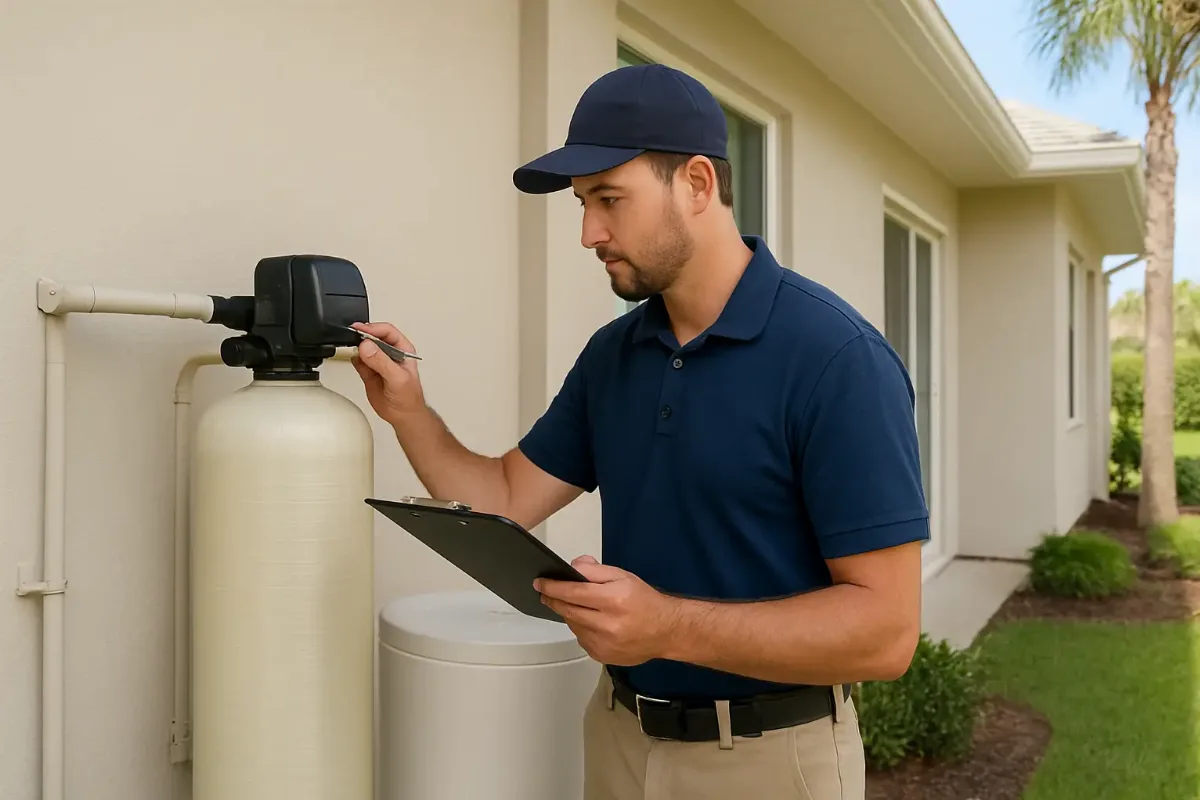
Water Softening Services for Bay, Walton and Okaloosa Counties
850 Plumber, the plumbing-focused member of A Superior Mechanical, provides water softening services for homes and businesses across Bay, Walton, and Okaloosa counties in Florida. Hard water is a common plumbing concern in many local properties, and over time it can leave mineral scale inside pipes, fixtures, appliances, and water heaters. That buildup may not be visible at first, but it can slowly affect efficiency, increase wear, and create maintenance concerns that show up in everyday use.
If you are dealing with soap that does not rinse cleanly, spots on dishes and glassware, mineral marks around faucets, or water heaters that seem to struggle more than they used to, hard water may be part of the problem. Water softening is a practical way to address those issues at the source. Our role is to evaluate the plumbing system, identify the right type of softening solution for the property, and install or service equipment in a way that supports dependable operation.
How Hard Water Affects Plumbing Systems
Hard water contains higher levels of dissolved minerals, most commonly calcium and magnesium. Those minerals are not usually a drinking water safety concern, but they can be rough on plumbing and water-using equipment. As water flows through pipes and fixtures, mineral deposits can begin clinging to internal surfaces. Over time, that scale can narrow water passages, reduce flow, and force equipment to work harder than it should.
In homes and businesses, the effects often show up first in the places that use the most water or heat water most often. Water heaters, tankless units, showerheads, faucets, dishwashers, washing machines, and supply lines can all be affected. In coastal and inland areas alike, recurring scale can become a hidden expense because it increases maintenance needs and can shorten the service life of components if it is not addressed. A properly selected water softener helps reduce that buildup before it becomes a larger issue.
Warning Signs of Hard Water in Your Property
Many property owners notice hard water through the way fixtures look and the way water feels. White or chalky residue on shower doors, sink basins, and faucets is a common clue. Soap scum that is difficult to remove, dull laundry, and spots on dishes and glassware are also typical signs. Some people notice that shampoo or soap seems harder to rinse away, or that skin feels drier after bathing than expected.
There are also plumbing-related warning signs that can point to hard water. A water heater may produce less consistent hot water, take longer to recover, or show signs of sediment accumulation. Showerheads can clog more quickly, faucet aerators may need frequent cleaning, and appliances may not seem to last as long as they should. When several of these issues happen together, it is worth having the water and the plumbing system evaluated rather than assuming each problem is separate.
Professional Diagnosis Before Recommending a System
Water softening is not a one-size-fits-all service. The right solution depends on the property’s water demand, plumbing layout, mineral levels, and how the water is used on a daily basis. A professional diagnosis helps avoid installing a system that is too small, too large, or poorly matched to the actual conditions at the property. That matters because an incorrect setup can lead to wasted space, inefficient operation, or ongoing service concerns.
At 850 Plumber, we focus on assessing the water use and the plumbing system as part of the recommendation process. That may include reviewing symptoms of hardness, looking at the condition of water-using equipment, and determining what type of softener configuration makes sense for the property. The goal is not simply to add equipment, but to make sure the system is appropriate for the home or business and integrated in a way that supports long-term reliability.
Whole-Home Water Softener Installation
Whole-home water softening is designed to treat the water before it reaches the taps, showers, appliances, and hot water equipment throughout the property. That approach helps protect the entire plumbing system rather than only one fixture or one appliance. For many homeowners, that is the most practical way to manage hard water because it reduces scale at the source and improves the performance of the water used throughout daily life.
Installation begins with selecting a properly sized system and planning how it will connect into the existing plumbing. The setup must be compatible with the property’s flow needs, utility area, and water usage patterns. During installation, we focus on proper integration, leak-aware workmanship, and testing to confirm that the system is functioning as intended. Once installed, the softener should operate as part of the plumbing system without creating unnecessary disruption to normal use.
Why Proper Sizing Matters
A water softener needs to be matched to the property it serves. If the system is undersized, it may regenerate too often or fail to keep up with demand. If it is oversized or configured without regard to actual usage, it can be less efficient and may not perform as intended. Proper sizing is especially important in homes with multiple bathrooms, larger households, vacation properties, or commercial spaces with variable water use.
Because no two properties are exactly alike, sizing should be based on real plumbing conditions rather than guesswork. Factors such as daily water consumption, fixture count, the type of water heater in use, and the severity of hardness all matter. This kind of planning helps ensure the system can reduce mineral buildup without creating avoidable maintenance issues. For property owners, that means the softener is more likely to deliver consistent results over time.
Benefits of Softened Water for Everyday Use
A water softener can improve more than the condition of pipes and appliances. Many property owners notice that soap and detergent work more effectively when the water is softer. That can make cleaning easier in kitchens, bathrooms, and laundry areas. Fixtures may also stay cleaner longer because mineral residue is reduced, which can make routine upkeep less frustrating.
Softened water can also support the comfort of bathing and general water use. Some people notice less residue on skin and hair, and less buildup on glass shower enclosures and sinks. From a plumbing standpoint, the biggest advantage is that the system helps reduce the mineral scale that contributes to wear over time. That makes it a practical choice for anyone who wants to protect plumbing components while also improving day-to-day water performance.
Protecting Water Heaters and Tankless Equipment
Water heaters are among the most common places where hard water causes trouble. In tank-style heaters, minerals can settle out and contribute to sediment buildup. In tankless systems, scale can form on heat exchanger surfaces and affect how efficiently the unit transfers heat. When that happens, the equipment has to work harder to meet demand, which can affect performance and service life.
Water softening is one way to reduce that risk. By lowering hardness before water reaches the heater, the system helps limit the mineral deposits that often create maintenance concerns. That does not eliminate the need for water heater care, but it can support better operation and help reduce the strain caused by recurring scale. For properties that depend on reliable hot water, this is one of the most practical reasons to consider softening.
Commercial Water Softening for Local Businesses
Businesses can be affected by hard water just as much as homes, sometimes more so because of higher water demand and the equipment involved. Hotels, restaurants, office buildings, retail spaces, multi-unit properties, and other commercial facilities can experience scale buildup in water heaters, supply lines, and water-using equipment. That buildup can raise maintenance needs, affect performance, and create avoidable interruptions.
Commercial water softening systems are selected with the property’s operational needs in mind. A business may need a system that can support steady use, variable demand, or multiple plumbing zones depending on the building layout. Our focus is on helping commercial property owners protect equipment, reduce mineral-related wear, and keep water service more consistent. For businesses, even small improvements in reliability and maintenance can make a meaningful difference over time.
Water Softening and Other Water Quality Needs
Water softening addresses hardness minerals, but it is not the same as full filtration. A softener is designed to reduce calcium and magnesium, while filtration systems are used to address concerns such as sediment, taste, odor, or other water quality issues. Some properties need only a softener, while others benefit from both systems working together.
If your goals include protecting the plumbing system, limiting scale, and improving how water feels and performs throughout the home or business, a softener may be the right starting point. If there are also concerns about water clarity, smell, or taste, additional filtration may be worth discussing. A professional evaluation helps determine whether one solution or a combined approach is the better fit for the property’s needs.
Water Softener Maintenance and Service
Like other plumbing equipment, water softeners need periodic attention to keep working properly. Routine service can help confirm that regeneration cycles are operating as expected, valves are functioning correctly, and the system is not showing signs of leaks or inefficiency. Maintenance also provides an opportunity to look for changes in performance before they turn into bigger problems.
If a system is using more salt than expected, not softening water as effectively, or showing signs of mechanical trouble, it should be inspected rather than ignored. Sometimes the issue is minor and can be corrected with service or adjustment. In other cases, replacement may be the more practical long-term solution. The right recommendation depends on the condition of the equipment, the plumbing setup, and whether the system still matches the property’s current needs.
Maintenance Tips for Property Owners
Property owners do not need to troubleshoot the equipment themselves, but a few simple habits can help a softener operate more reliably. Keep the area around the unit accessible and dry, follow the service schedule recommended for the system, and pay attention to changes in water feel or fixture buildup. If the system seems to be cycling differently, running out of softening capacity too quickly, or leaving behind signs of hardness, that is a good time to schedule professional service.
It is also helpful to pay attention to the plumbing system as a whole. Changes in water pressure, frequent fixture cleaning, or declining hot water performance can point to issues that deserve a closer look. A softener works best when it is part of a well-maintained plumbing setup, so keeping an eye on overall system condition can help protect the investment.
Why Local Conditions Matter in Coastal Florida
Properties in Bay, Walton, and Okaloosa counties face conditions that can affect plumbing in different ways. Hard water is one part of the picture, but humidity, salt air exposure, and seasonal occupancy patterns can also influence how equipment performs and how often maintenance is needed. Vacation properties may sit idle for periods of time, while busy households and businesses may place steady demands on plumbing every day.
Because of those local conditions, water softening should be installed and serviced with the property’s environment in mind. A system that works well in one setting may not be the best fit for another. By considering how the plumbing is used, where the equipment is located, and how much wear the system sees, we can recommend a solution that is practical for the realities of local Florida properties.
When to Consider Replacing an Existing Softener
An existing water softener may need repair, adjustment, or replacement depending on its condition and age-related wear. If the system no longer keeps up with demand, if it has recurring mechanical issues, or if the plumbing needs of the property have changed, replacement may be worth considering. A newer system can sometimes provide better fit, improved efficiency, and more reliable performance for the current household or business.
Replacement is not something to assume automatically. The first step is to inspect the system and determine whether the problem lies with the softener itself, the installation, or a separate plumbing issue. If replacement is the best option, the new equipment should be selected based on the property’s current requirements rather than simply matching what was there before. That approach helps ensure the system is suited to the way the property is used today.
Frequently Asked Questions
What are the most common signs that I need water softening? Look for soap scum, mineral spots on dishes or fixtures, white residue on plumbing surfaces, dry-feeling skin after bathing, and water heaters that seem to struggle with performance. If several of these issues are present, hard water may be affecting the property.
Does a water softener protect plumbing equipment? It can help reduce the mineral scale that often builds up in pipes, fixtures, water heaters, and other water-using appliances. By limiting that buildup, a softener may support better performance and reduce wear over time.
Is a water softener the same as a filter? No. Softening reduces hardness minerals such as calcium and magnesium. Filtration targets other concerns such as sediment, taste, and odor. Some properties benefit from both systems.
Can water softening help with hot water equipment? Yes, it can help reduce the scale and sediment that commonly affect tank and tankless water heaters. That may support better efficiency and reduce maintenance concerns.
Do you provide service for both homes and businesses? Yes. 850 Plumber provides water softening services for residential and commercial properties throughout Bay, Walton, and Okaloosa counties in Florida.
How do I know what size system I need? Sizing depends on property size, water usage, plumbing layout, and the level of hardness in the water. A professional evaluation helps determine the right fit rather than relying on a generic estimate.
Should I wait until I see major plumbing problems? It is better to address hard water early. Scale can build gradually, so waiting too long may allow preventable wear to develop in pipes, fixtures, and appliances.
Schedule Water Softening Services with 850 Plumber
If hard water is affecting your home or business, professional water softening can be a practical step toward protecting your plumbing and improving day-to-day water use. 850 Plumber, the plumbing-focused member of A Superior Mechanical, provides water softening services throughout Bay, Walton, and Okaloosa counties with attention to proper diagnosis, system fit, and reliable installation or service.
Whether you need a new whole-home water softener, help maintaining an existing system, or a professional opinion on hard water concerns, our team is available to help. Call 850-258-3225 to discuss your property and schedule water softening service.
Explore related plumbing care
- Water Heater Maintenance in Santa Rosa Beach, FL
- Water Heater Replacement in Santa Rosa Beach, FL | 850 Plumber
- Pipe Replacement in Santa Rosa Beach, FL
- Clean Water Services in Bay, Walton and Okaloosa Counties, FL
- Tankless Water Heater Services in Northwest Florida | 850 Plumber
- Water Filtration Services in Bay, Walton & Okaloosa Counties, FL
Continue reading
- Water Softening Services in Santa Rosa Beach, FL: Preventive Care and Seasonal Planning for Northwest Florida Homes
- Water Softening Services in Santa Rosa Beach, FL: Warning Signs and Professional Diagnosis for Northwest Florida Homeowners
- Water Heater Repair vs. Replacement for Santa Rosa Beach Homeowners
Talk with the 850 Plumber team for help with your home or business.