
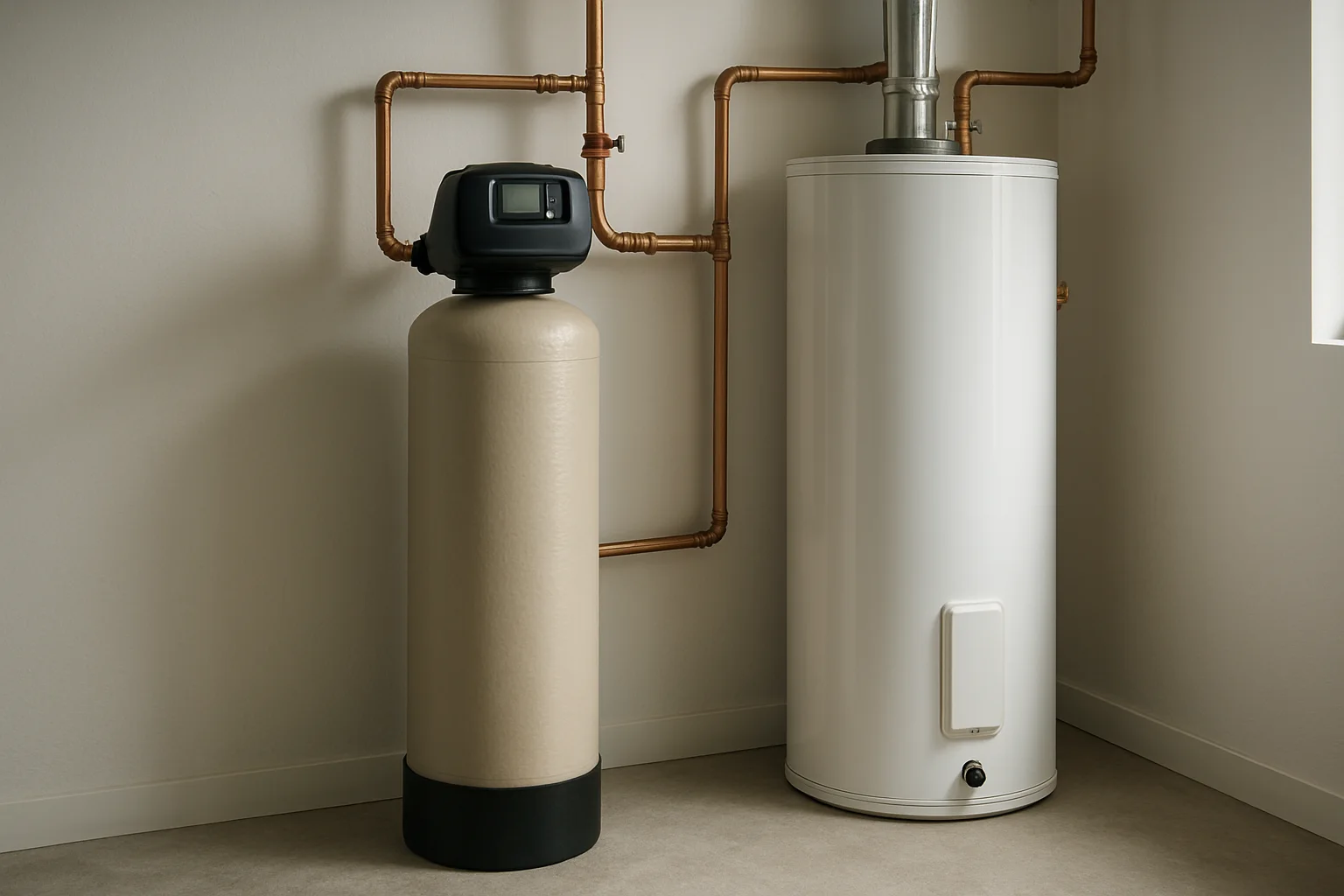
Why water softening matters in Santa Rosa Beach homes
Water quality affects more than the taste of a glass of water. In many Northwest Florida homes, mineral content can leave visible scale on fixtures, shorten appliance efficiency, and make routine cleaning feel like an ongoing chore. Water softening is a practical home comfort service that helps reduce the effects of hard water by treating the minerals that create buildup. For homeowners in Santa Rosa Beach, understanding how this service works can make it easier to protect plumbing, preserve fixtures, and plan household maintenance around local seasonal conditions.
A water softening system is not a one-size-fits-all appliance. The right approach depends on the home’s plumbing layout, water usage habits, and the specific water conditions present at the property. That is why a professional assessment matters. A technician can evaluate how hard water is affecting sinks, showers, dishwashers, laundry equipment, and water-using appliances, then recommend an appropriate solution. For homeowners, the goal is not just softer water today, but fewer maintenance headaches over time and a more predictable household routine throughout the year.
Understanding hard water and how it affects everyday household tasks
Hard water contains dissolved minerals, especially calcium and magnesium, that can leave behind deposits as water evaporates. Over time, those deposits can appear as cloudy spots on glassware, chalky residue on faucets, and crusty buildup around showerheads or aerators. Even when the water is safe to use, the mineral content can create a steady pattern of minor nuisances that add up. Homeowners often notice that soap does not lather as well, fabrics feel less fresh after washing, or surfaces require more frequent scrubbing. These are common signs that water quality may be influencing daily chores.
The effects are not limited to appearance. Mineral accumulation can also make plumbing fixtures and appliances work harder than they should. Dishwashers, water heaters, washing machines, and coffee makers may be exposed to residue that reduces efficiency over time. In a coastal area like Santa Rosa Beach, where homes often balance indoor comfort with seasonal weather shifts, preventive care is especially valuable. A professional can assess how hard water is interacting with your specific fixtures and equipment, then explain whether water softening is the right step or whether another water treatment solution would better fit the home’s needs.
How a water softening system fits into a preventive home care plan
Water softening should be viewed as part of a broader preventive maintenance strategy. Just like HVAC service, roof inspections, or drain cleaning, it helps reduce the chance that small issues turn into larger inconveniences later. By limiting scale formation, a softening system can help protect surfaces, improve cleaning results, and lessen wear on plumbing-connected appliances. For homeowners, that means fewer surprises and a more consistent living environment. It is especially helpful for families who want to stay ahead of maintenance rather than reacting after buildup has already become obvious.
A professional assessment helps determine whether a home would benefit from a whole-house system, a point-of-use approach, or another water treatment solution entirely. The assessment considers household size, water demand, fixture condition, and visible signs of mineral buildup. It also allows a plumber to review how the system would integrate with existing plumbing without creating pressure problems or installation conflicts. Preventive care works best when each home’s conditions are evaluated individually. That is why an informed recommendation matters more than assuming every house in the area needs the same equipment or the same service schedule.
Signs your Santa Rosa Beach home may need water softening service
Some signs of hard water are easy to see, while others show up gradually. Homeowners may notice white spots on shower doors, dull-looking faucets, soap scum in tubs, or a ring of residue around drains and sink edges. Laundry may appear less bright, and dishes may emerge from the dishwasher with streaks or film. A drop in water pressure at certain fixtures can also suggest mineral buildup inside aerators or showerheads. These issues do not always confirm hard water by themselves, but they are useful indicators that a closer look is warranted.
A professional plumber can help distinguish between cosmetic buildup and underlying plumbing concerns. That distinction matters because not every water-spotting problem is solved by softening alone. The condition of the home’s plumbing, fixture age, and local water characteristics all influence the best recommendation. A technician may inspect problem fixtures, ask about recurring cleaning challenges, and check whether scale is forming in locations that are difficult for homeowners to see. That evaluation helps avoid guesswork and ensures the next step addresses the real issue, whether that means water softening, targeted cleaning, or another type of water treatment service.
What a professional assessment includes
A professional water softening assessment is more than a quick glance at a faucet. It typically begins with a discussion of the household’s concerns, including visible scale, appliance performance, cleaning frustrations, and any changes noticed in water feel or appearance. The technician may review where the home experiences the most mineral-related problems and how much water the household uses each day. This helps shape a recommendation that fits the home instead of forcing a generic solution into a specific plumbing setup.
The assessment also looks at practical installation considerations. A plumber can determine where a system would be placed, whether there is enough room for the equipment, and how it would connect to the existing plumbing in a way that supports proper function. If needed, the technician may explain maintenance requirements and what homeowners should expect after installation. The purpose of the assessment is to reduce uncertainty. Instead of relying on online assumptions or trial and error, homeowners receive guidance based on the actual home, which is the safest and most effective way to plan a water softening project.
Seasonal planning for Northwest Florida homeowners
Seasonal planning matters because household water use often changes throughout the year. In Northwest Florida, warm weather can increase showers, laundry loads, outdoor entertaining, and general water demand. During cooler months, families may spend more time indoors, which can shift when fixtures and appliances are used the most. Planning water softening service around these cycles helps homeowners avoid surprises during busy household periods. It also gives them a chance to handle maintenance before the home’s water demand rises or before buildup becomes more noticeable.
The seasonal approach is not about reacting to a calendar date alone. It is about using the time of year to think ahead. A homeowner might schedule an assessment before peak guest season, before major holidays, or before a period when the home will be occupied more heavily. In coastal communities, the combination of humidity, moisture, and routine plumbing use can make mineral buildup more noticeable on visible surfaces. By planning proactively, homeowners can keep comfort and maintenance aligned. A professional can help decide when a system check, service visit, or new installation would make the most sense based on the household’s schedule and plumbing conditions.
Preparing for wetter weather, humidity, and changing household routines
Northwest Florida homeowners are familiar with weather that can shift quickly, bringing periods of rain, humidity, and changing routines inside the home. While water softening does not control weather, it can support a more manageable indoor environment by reducing the mineral residue that often becomes more apparent when people are cleaning more frequently or spending more time at home. Humidity can also make residue and buildup more noticeable on fixtures and glass, which can make hard water feel even more frustrating during certain times of year.
When planning ahead, it helps to think about maintenance timing rather than waiting for a problem to become severe. A professional plumber can inspect the home’s current setup and help determine whether the system should be serviced before a busy season or reviewed if homeowners notice new spots, film, or residue. The goal is to maintain consistency. If the household expects higher water use, more visitors, or more frequent cleaning, a properly assessed softening system can help keep those routines smoother. That approach is especially useful for homeowners who want fewer interruptions and a cleaner finish on everyday surfaces without resorting to reactive fixes.
How water softening can support plumbing and appliances
Mineral buildup can accumulate where water heats, moves, or sprays through small passages. That means water heaters, dishwashers, washing machines, faucets, and shower fixtures can all be affected over time. By reducing hardness, a water softening system can help limit scale in these areas and support the normal operation of the plumbing system. Homeowners may not see dramatic changes overnight, but they may notice cleaner fixtures, less residue, and a more consistent experience from one chore to the next.
This is where preventive care becomes especially valuable. Appliances that use water every day can benefit from reduced mineral exposure because less scale may mean less stress on parts that need to stay clear and efficient. However, water softening is not a substitute for routine plumbing maintenance. Filters, valves, and fixtures still need proper attention, and any existing damage or buildup should be assessed by a professional. A plumber can help determine whether a softening system is likely to support the home’s long-term efficiency and whether other maintenance items should be handled at the same time for the best result.
Choosing the right system for a home, not just the water problem
Different homes have different plumbing layouts, water demands, and space limitations. That means the right water softening solution depends on more than just a hard water complaint. A smaller household may have different needs than a larger one. A home with multiple bathrooms, frequent guests, or high appliance use may need a different configuration than a weekend property or an older home with more compact utility space. A professional can help weigh these factors before recommending any equipment.
This individualized approach matters because an oversized or poorly matched system may not be the best fit for a household’s routine, while an undersized one may not meet the home’s needs. Professional assessment helps avoid those mismatches. The technician can review the plumbing setup, discuss where the system would be installed, and explain what maintenance may be involved over time. Homeowners should expect a conversation that focuses on practical fit, not just product features. The best solution is the one that aligns with the home’s actual water use, the family’s preferences, and the realities of the plumbing system already in place.
Maintenance habits that help a softening system perform well
Once a softening system is installed, basic maintenance helps it continue doing its job effectively. Homeowners should keep an eye on changes in water feel, residue on fixtures, or any difference in appliance performance. They should also follow the service guidance provided by the plumber, since maintenance needs can vary by system type and household use. Routine attention makes it easier to catch issues early, before they affect water quality throughout the home.
It is also important not to treat the system as a set-it-and-forget-it device forever. Like other plumbing equipment, it benefits from periodic review by a professional who can check performance and confirm the system is functioning as intended. If the home has changed, such as with added occupants, a remodel, or increased water use, the system may need to be evaluated again. Regular attention does not need to be complicated. It is simply part of responsible home care, much like servicing an HVAC unit or checking a water heater. For homeowners in Santa Rosa Beach, that kind of upkeep supports reliability through every season.
Why professional service is safer than guesswork
Water softening may seem straightforward, but plumbing systems are interconnected, and even small changes can affect pressure, flow, and appliance performance. That is why professional service is important. A licensed plumber can assess the home’s layout, identify concerns accurately, and recommend a solution without the risks that come with trial and error. Homeowners should avoid making assumptions based on online advice or using improvised fixes that may not suit the system. The safest approach is to have the plumbing reviewed by someone who can explain the options clearly and apply them correctly.
Professional service also helps protect the rest of the plumbing system. If buildup has already been forming for a while, there may be fixtures or components that need attention beyond softening alone. A plumber can evaluate the condition of accessible parts and explain what should be addressed now versus later. That kind of guidance helps homeowners make informed decisions and avoid unnecessary disruption. In a home, water quality, plumbing performance, and maintenance planning all connect. Having a professional involved helps keep that connection working in the homeowner’s favor rather than leaving important details to chance.
How 850 Plumber supports homeowners in Bay, Walton, and Okaloosa counties
850 Plumber, part of veteran-owned A Superior Mechanical, serves Bay, Walton, and Okaloosa counties, including homeowners in Santa Rosa Beach who want practical help with water softening and related plumbing concerns. The value of working with a local plumbing company is that the recommendations can be tailored to the region’s homes, routines, and seasonal demands. Instead of a generic answer, homeowners can receive a professional assessment that focuses on the actual plumbing conditions in their house and what makes sense for their household.
Whether a homeowner is noticing scale on fixtures, appliance wear, or simply wants to plan ahead for seasonal maintenance, a local plumber can help determine the best next step. That may include evaluating the current water setup, discussing whether a softening system is appropriate, or identifying other plumbing issues that should be addressed first. For homeowners who want a straightforward path forward, the phone number is 850-258-3225. A consultation can help clarify whether water softening is the right preventive service and how to fit it into a sensible home maintenance plan.
Building a practical year-round water care plan
The most effective home maintenance plans are simple enough to follow and specific enough to be useful. For water softening, that means paying attention to signs of hard water, scheduling professional assessments when concerns appear, and planning service around the household’s seasonal routines. Homeowners do not need to wait for major buildup or appliance problems before taking action. A proactive plan can help preserve plumbing fixtures, reduce cleaning frustrations, and support appliance performance over time.
In Santa Rosa Beach and the surrounding Northwest Florida area, seasonal planning is especially helpful because household water use can fluctuate with weather, visitors, and changing routines. A professional plumber can help determine whether a water softening system is appropriate, how it should be installed, and what maintenance will keep it working well. If your home is showing signs of hard water or you want to prepare before those issues become more noticeable, scheduling a professional assessment is the best next move. Preventive care is most effective when it is tailored to the home, and that is exactly what an experienced plumbing evaluation is designed to provide.
Explore related plumbing care
- Water Softening Services in Santa Rosa Beach, FL
- Water Heater Maintenance in Santa Rosa Beach, FL
- Water Heater Replacement in Santa Rosa Beach, FL | 850 Plumber
- Pipe Replacement in Santa Rosa Beach, FL
- Clean Water Services in Bay, Walton and Okaloosa Counties, FL
- Tankless Water Heater Services in Northwest Florida | 850 Plumber
Continue reading
- Water Heater Replacement in Santa Rosa Beach, FL: Preventive Care and Seasonal Planning for Northwest Florida Homeowners
- Pipe Replacement in Santa Rosa Beach, FL: Preventive Care and Seasonal Planning for Northwest Florida Homeowners
- Whole Home Water Purification for Northwest Florida Homes: Preventive Care and Seasonal Planning
Talk with the 850 Plumber team for help with your home or business.