
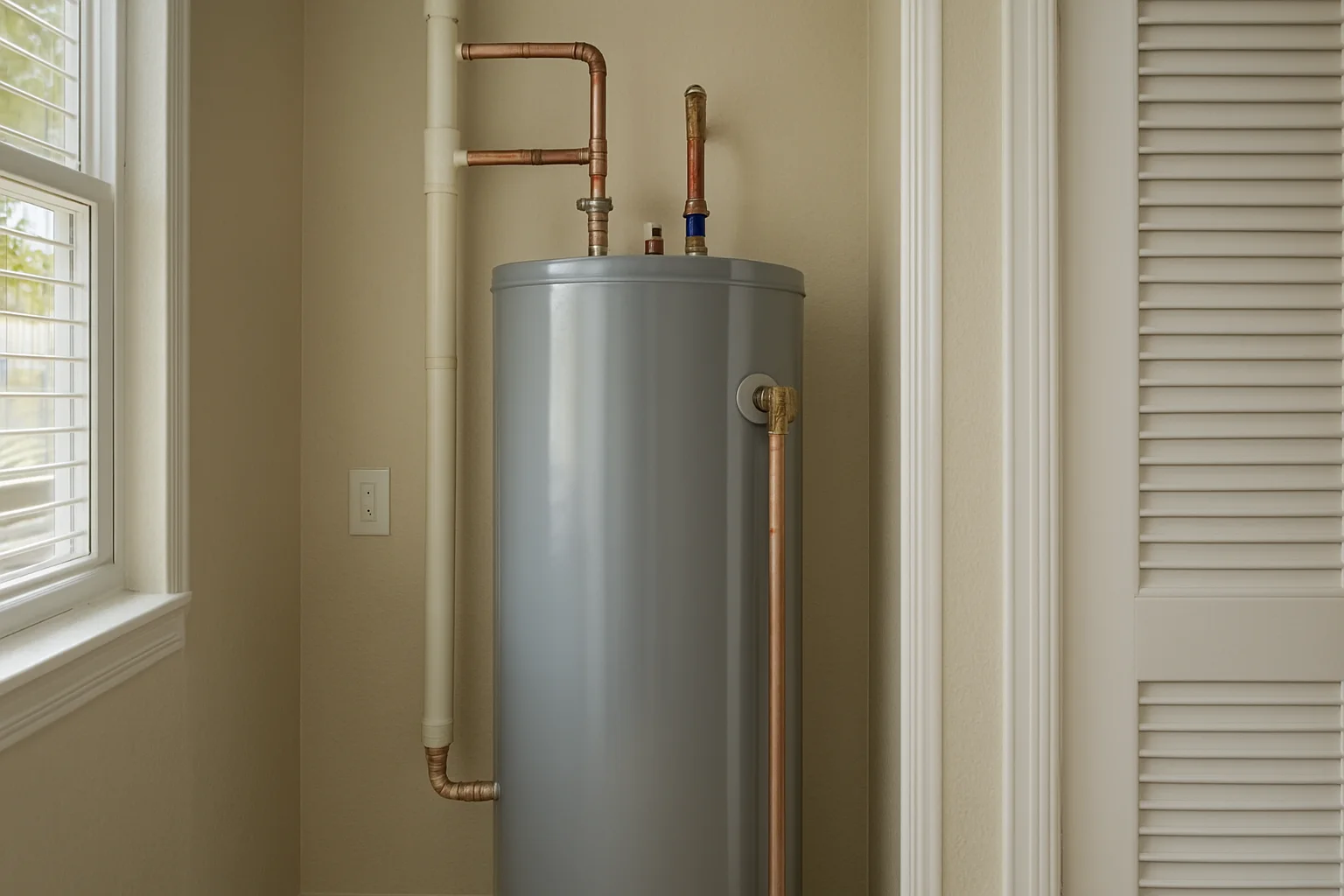
Why water heater planning matters in Northwest Florida
In Santa Rosa Beach and across Bay, Walton, and Okaloosa counties, a water heater works harder than many homeowners realize. Warm, humid air, mineral content in the water supply, and the everyday demands of showers, laundry, dishwashing, and guest use can all place steady strain on the system. Even when a unit still produces hot water, gradual wear can show up as inconsistent temperature, rising recovery time, or sediment-related efficiency loss. Planning ahead helps homeowners avoid a sudden cold-water surprise at the worst possible time, especially during cooler months or before a busy season when household use tends to increase.
For many homes, water heater replacement is not just a response to failure. It is a preventive decision that protects comfort, helps reduce the risk of leaks, and supports reliable performance throughout the year. An older tank may continue to function while quietly accumulating sediment, corrosion, or thermostat issues that are difficult to notice from outside the unit. A professional assessment can help determine whether repair, maintenance, or replacement makes the most sense based on the system’s age, condition, and the home’s hot water needs. That approach is especially valuable for coastal and near-coastal homes, where environmental conditions can influence equipment longevity and maintenance needs.
How a water heater ages over time
A water heater does not usually fail all at once. More often, the system gives small clues over time that its internal parts are wearing down. Heating elements, burners, thermostats, anode rods, valves, and tank surfaces all age differently depending on water quality, usage patterns, and maintenance history. As these components deteriorate, homeowners may notice longer wait times for hot water, temperature swings, or a unit that seems to run more often than before. These changes can be easy to overlook when life is busy, but they often signal that the system is losing efficiency.
Tank-style water heaters are especially vulnerable to gradual internal changes because the tank stores water continuously. Over time, minerals can settle at the bottom, creating sediment that reduces heat transfer and adds stress to the unit. That can make the system work harder to heat the same amount of water. In contrast, tankless systems avoid storage tank sediment issues but still require professional attention to water quality, scale buildup, and flow conditions. Regardless of type, aging components and repeated daily use eventually create a point where replacement may be more practical than continued patching. A licensed plumber can help homeowners understand where their system stands in that cycle without guessing or overcommitting to unnecessary work.
Signs it may be time to replace rather than repair
There are several warning signs that suggest a water heater is approaching the end of its useful life. One common indicator is inconsistent water temperature, where the water starts out hot but turns lukewarm too quickly or fluctuates during use. Another is rust-colored water coming from hot taps, which can point to corrosion inside the tank or in connected components. Unusual noises, such as popping, rumbling, or knocking, may indicate sediment buildup that is interfering with heating performance. Visible moisture around the base of the unit is another concern, since even a small leak can worsen over time and may signal tank failure or a failing connection.
Homeowners should also pay attention to recovery time, especially in households with multiple bathrooms or frequent back-to-back use. If the system can no longer keep up with normal demand, that can be a sign of capacity mismatch, age-related decline, or both. Repeated service calls can be another clue that replacement is becoming the more practical long-term choice. A professional plumber can assess whether the issue is isolated and repairable or part of a broader pattern of wear. That assessment is important because not every problem means the entire system must be replaced, but a unit with significant corrosion, leaking, or chronic performance problems often benefits from a replacement plan rather than another short-term fix.
What a professional assessment involves
A proper water heater assessment is more than a quick glance at the tank. A plumber will typically evaluate the unit’s age, visible condition, type, capacity, venting or electrical setup, and the overall condition of nearby plumbing connections. The inspection may also include checking for sediment-related symptoms, thermostat concerns, pressure relief issues, and signs of corrosion or leakage. For homeowners, this kind of evaluation provides clarity about whether the system is safe and serviceable or whether replacement should be considered sooner rather than later. It also helps identify whether the home’s current water heating setup matches the household’s actual demand.
Professional assessment is especially useful because it accounts for details homeowners may not know how to interpret. For example, a small amount of condensation may be normal in certain conditions, while rust stains or active drips may indicate a more serious problem. Likewise, a system that still heats water may be inefficient enough to justify planning ahead before the next breakdown. An experienced plumber can explain the practical options in plain language, including repair limits, replacement timing, and what kind of unit would better suit the home. This gives homeowners a chance to make an informed choice instead of waiting for an emergency and having fewer options under pressure.
Preventive maintenance that can extend useful service life
Routine maintenance cannot make a water heater last forever, but it can help reduce avoidable stress on the system. Flushing sediment from tank-style units, checking for visible corrosion, testing safety-related components, and confirming proper temperature settings are all part of a sensible maintenance strategy. These steps can support better efficiency and may help the unit deliver more consistent hot water. The exact maintenance interval depends on the type of heater, water conditions, and manufacturer guidance, so it is best handled by a professional who can tailor service to the specific system in the home.
For Northwest Florida homeowners, preventive care also means paying attention to the area around the unit. A water heater should have enough clear space for inspection and service, and the surrounding area should be dry and easy to access. If the system is tucked into a closet, garage, attic, or utility space, small leaks may go unnoticed until damage has already spread. A plumber can check whether the installation is still suitable and suggest practical improvements if access, drainage, or connection conditions need attention. Preventive care is not about complicated homeowner experiments; it is about reducing risk through regular professional oversight and early response when conditions begin to change.
Seasonal planning for Santa Rosa Beach homes
Seasonal planning is helpful because hot water demand often changes throughout the year. In Santa Rosa Beach, households may see shifts in occupancy, vacation visits, rental turnover, or extended family use that affect daily hot water consumption. Cooler weather can also make hot water feel more noticeable, and that is often when weaknesses in an aging system become easier to spot. Planning replacement before peak demand arrives gives homeowners time to compare options, schedule work at a convenient time, and avoid an urgent scramble when the system finally fails.
A seasonal mindset also helps with maintenance timing. Many homeowners choose to have plumbing systems reviewed before the weather changes or before a known high-use period begins. That approach can be especially useful when the home is used less consistently for part of the year, because small issues may sit unnoticed until the next occupancy burst. If a water heater is nearing the end of its service life, replacing it in a planned window is usually less stressful than waiting for an emergency. Professional scheduling can also help ensure the new system is properly matched to the home’s needs before the season places added demand on it.
Choosing the right replacement type for the home
Water heater replacement is not only about swapping old for new. It is also a chance to choose a system that better fits the home’s hot water habits and available space. Tank-style units remain common because they are familiar and straightforward for many households, while tankless systems may appeal to homeowners who want on-demand hot water and a different footprint. The best choice depends on several factors, including household size, fixture use, energy source, installation space, venting or electrical requirements, and the home’s long-term expectations. A professional plumber can help compare those factors in the context of the property rather than relying on a one-size-fits-all recommendation.
Capacity matters as much as type. A system that is too small may leave the household short during busy periods, while one that is too large may not be the most efficient use of resources. In addition, local installation conditions can influence what options are realistic. For example, some homes may have constraints related to venting, electrical supply, or existing plumbing layout. Instead of guessing, homeowners benefit from an assessment that considers how the family actually uses hot water and how the installation can be completed safely and correctly. The goal is to select a system that performs reliably now and remains practical over time.
Why installation quality matters as much as the unit itself
Even a high-quality water heater can underperform if it is installed poorly. Correct connections, proper placement, secure venting or electrical work, and appropriate safety components all matter for performance and longevity. A careful installation helps the unit heat water effectively, operate as intended, and integrate properly with the home’s plumbing system. If the installation is rushed or mismatched to the home, the result can be premature wear, leaks, or recurring service issues. That is why professional installation is so important, especially for homeowners who want the replacement to be a long-term solution rather than just a temporary fix.
A plumber also checks surrounding conditions that affect the new unit after installation. That can include making sure the setup is accessible for future maintenance, confirming the water and fuel or power connections are suitable, and verifying that the system is ready for normal use. Homeowners may think of a new water heater as a standalone appliance, but it is actually part of a larger system that must work together correctly. Quality installation helps protect the investment and reduces the chance of avoidable problems later. When installation is done with care, the homeowner has a much better foundation for dependable hot water and easier maintenance going forward.
The role of water quality and sediment in Northwest Florida
Water quality can influence how a water heater ages, especially in areas where mineral content contributes to sediment buildup. Over time, sediment settles in the bottom of tank units and can create hot spots, popping sounds, reduced efficiency, and extra strain on the heating system. Even if the water still looks clear at the tap, minerals may still be accumulating inside the heater. That is one reason why systems in active households can show wear faster than homeowners expect. Routine professional maintenance helps identify whether sediment is becoming a concern and whether the unit is still worth maintaining or should be replaced.
Sediment and mineral buildup do not just affect heating performance; they can also complicate the replacement decision. A heavily sedimented tank may already be operating under stress, which means the system could be closer to failure than outward appearance suggests. A plumber can evaluate whether the condition is manageable or whether the age and internal wear make replacement more sensible. This is especially useful for homeowners who have had the same unit for many years and are unsure whether ongoing service still makes sense. Rather than relying on assumptions, a professional can connect the dots between water conditions, system performance, and expected remaining life.
What homeowners can safely watch for between visits
Homeowners do not need to take on repairs or diagnostic work to stay informed about their water heaters. Simple observation is often enough to notice when something changes. Watch for visible rust around fittings, moisture at the base of the unit, changes in water temperature, unusual noises, or a sudden increase in how long hot water takes to reach fixtures. Also pay attention to water appearance and the reliability of the system during normal routines. If the heater starts behaving differently, that is useful information to share with a plumber during an assessment.
It is important to avoid unsafe do-it-yourself work on parts of the unit that involve pressure, gas, electricity, or internal components. Water heaters can be hazardous if handled incorrectly, and problems that seem simple can have safety implications. A homeowner’s best role is to notice changes early and schedule a professional review. Keeping notes about what has changed, when it started, and how often it happens can help the plumber diagnose the situation more efficiently. That kind of informed observation supports better decision-making without exposing the homeowner to unnecessary risk.
How to prepare for a replacement appointment
Preparing for a water heater replacement appointment is mostly about access and communication. Homeowners can clear a safe path to the unit, make sure the area is not blocked by storage, and note any concerns they have observed, such as leaks, noises, or uneven hot water. If the system is located in a tight closet, attic, garage, or utility area, giving the plumber enough room to work safely can help the visit go more smoothly. It also helps to know the general age of the unit, if available, and any past repair history, even if the information is incomplete. Those details can be useful during the assessment.
Before the appointment, it is also wise to think about household hot water patterns. A plumber can better recommend an appropriate replacement when they understand how many bathrooms are in regular use, whether the home often has guests, and whether there are multiple simultaneous hot water demands. This is not about being technical; it is about giving practical context. The more a homeowner can share about how the home is used, the easier it is to choose a system that fits. That makes replacement more efficient, reduces the chance of undersizing, and helps ensure the new water heater matches real-life usage rather than an estimate based only on the old unit.
Why timing a replacement can reduce stress and disruption
Replacing a water heater before a complete failure often gives homeowners more control. When the system is still operating, there is time to review options, schedule work thoughtfully, and avoid emergency decision-making. That can be especially helpful for families with busy schedules or homes that experience seasonal occupancy changes. Planned replacement also reduces the chance of water damage from a sudden leak or the inconvenience of going without hot water while waiting for the next available service window. In that sense, replacement is not only a mechanical decision but also a household planning decision.
Timing matters because water heater problems rarely happen at a convenient moment. A unit can fail during a weekend, before a house full of guests arrives, or at the start of a cooler stretch when hot water comfort becomes especially important. By contrast, a homeowner who notices warning signs early can arrange a professional assessment and decide whether to move forward while the situation is still stable. That makes it easier to compare systems, understand installation needs, and minimize disruption to the household. A planned replacement is usually less stressful than a reactive one, and it often leads to better long-term satisfaction with the new system.
How 850 Plumber supports homeowners in the area
850 Plumber, part of veteran-owned A Superior Mechanical, serves homeowners in Bay, Walton, and Okaloosa counties, including Santa Rosa Beach and surrounding Northwest Florida communities. For homeowners considering water heater replacement, that local service area matters because nearby professionals understand the practical conditions that influence plumbing systems in the region. When a plumber is familiar with local home types, usage patterns, and the realities of seasonal scheduling, it becomes easier to provide relevant guidance that fits the property and the household’s goals.
The value of professional help is in careful assessment, clear explanation, and proper installation planning. A homeowner does not need to diagnose the unit alone or guess whether repair is still worthwhile. By scheduling an evaluation, they can get a straightforward look at the condition of the existing system and learn what options make sense next. For questions about water heater replacement or preventive care, homeowners can contact 850 Plumber at 850-258-3225. Whether the issue is a warning sign, a maintenance concern, or a planned upgrade, a professional review helps turn uncertainty into a practical next step.
A simple seasonal checklist for homeowners
A seasonal water heater checklist can help homeowners stay ahead of problems without turning maintenance into a major project. Start by noticing whether hot water feels different than it used to, whether the heater is noisier, or whether there is any sign of rust or moisture around the unit. Then consider the age of the system and whether it has recently needed repairs. If the heater is older and showing multiple warning signs, it may be wise to schedule a professional assessment before the next period of heavy use. That approach is especially useful for homes that see changes in occupancy or demand during the year.
The checklist should also include a reminder to have a licensed plumber inspect the system when concerns arise or when the unit reaches an age where replacement becomes more likely. Professional evaluation is the safest way to determine whether maintenance, repair, or replacement is the right choice. For homeowners in Santa Rosa Beach and across Northwest Florida, the best outcome is usually a calm, informed decision made before an emergency happens. Seasonal planning, preventive care, and professional installation work together to support dependable hot water and a more comfortable home year-round. By paying attention early, homeowners can avoid unnecessary disruption and choose the replacement path that fits their household best.
Explore related plumbing care
- Water Heater Replacement in Santa Rosa Beach, FL | 850 Plumber
- Water Heater Maintenance in Santa Rosa Beach, FL
- Pipe Replacement in Santa Rosa Beach, FL
- Water Softening Services in Santa Rosa Beach, FL
- Tankless Water Heater Services in Northwest Florida | 850 Plumber
- Water Heater Installation in Freeport, FL
Continue reading
- Water Softening Services in Santa Rosa Beach, FL: Preventive Care and Seasonal Planning for Northwest Florida Homes
- Pipe Replacement in Santa Rosa Beach, FL: Preventive Care and Seasonal Planning for Northwest Florida Homeowners
- Water Heater Repair vs. Replacement for Santa Rosa Beach Homeowners
Talk with the 850 Plumber team for help with your home or business.