
Why pipe replacement matters in Santa Rosa Beach homes
Pipe replacement is one of those home projects many owners hope to postpone, but in Northwest Florida it can become important sooner than expected. Santa Rosa Beach homes face a mix of coastal humidity, heavy summer rain, shifting soil, mineral content in water, and long periods of high indoor cooling demand. Those conditions do not automatically mean pipes will fail, but they do mean plumbing systems often work harder and age in patterns that are different from homes in drier inland areas. A preventive mindset helps homeowners stay ahead of leaks, water quality changes, and pressure issues before they become larger repairs.
When a pipe begins to deteriorate, the warning signs are not always dramatic. A small discoloration spot, a faint odor, or a single room with reduced pressure can point to a localized issue, but it can also hint at broader wear in the system. In an older home, pipe replacement may be a strategic way to reduce the chance of repeated repairs in the same walls or under the same slab. In a newer home, targeted replacement may still be useful if a specific section was damaged by corrosion, poor installation, or environmental stress. For homeowners in Santa Rosa Beach, the goal is not to replace plumbing unnecessarily. The goal is to recognize when pipes are no longer performing reliably and to plan next steps with clear information.
A professional approach is especially valuable because pipe condition is not determined by age alone. Two homes built in the same year may have very different plumbing histories depending on water chemistry, maintenance habits, past leaks, and the materials used during construction. A licensed plumber can look beyond the obvious surface symptoms and evaluate whether a repair, partial replacement, or broader upgrade is the most practical choice. That kind of assessment helps homeowners make decisions based on the system’s actual condition rather than guesswork.
How Northwest Florida conditions affect plumbing over time
Santa Rosa Beach is part of a coastal region where homes experience heat, humidity, storms, and salt-laden air. While indoor plumbing is protected from the weather, the environment still affects it indirectly. Humidity can contribute to condensation on cold water lines, especially in closets, attics, crawl spaces, and utility areas with limited ventilation. Over time, repeated moisture exposure can encourage corrosion on metal fittings or create conditions where minor leaks are harder to spot until they have already caused damage.
Seasonal weather also matters. Heavy rain can affect ground saturation and soil movement, which may stress underground piping or make slab leaks more likely to reveal themselves through damp spots, warm flooring, or unexplained meter activity. During periods of high water use, such as when families host guests or run irrigation more frequently, weak points in the plumbing can become more noticeable. The combination of demand and environmental stress is one reason homeowners benefit from routine plumbing review instead of waiting for a breakdown.
Another local factor is the way many coastal homes are built and used. Some properties are occupied year-round, while others are second homes or rental properties with intermittent use. Infrequent occupancy can allow small issues to go unnoticed longer, and stagnant water in certain sections of pipe may make odor or sediment concerns more apparent when the home is reopened. A seasonal plumbing plan helps account for these patterns so that pipe care is aligned with how the home is actually lived in, not just how it was originally built.
Understanding these local influences does not mean every pipe system is at risk. It simply means that homeowners in Northwest Florida are wise to treat plumbing as part of ongoing home maintenance. A proactive inspection schedule and a willingness to address aging materials early can reduce the chance of emergency interruptions at inconvenient times.
Common pipe materials and what homeowners should know
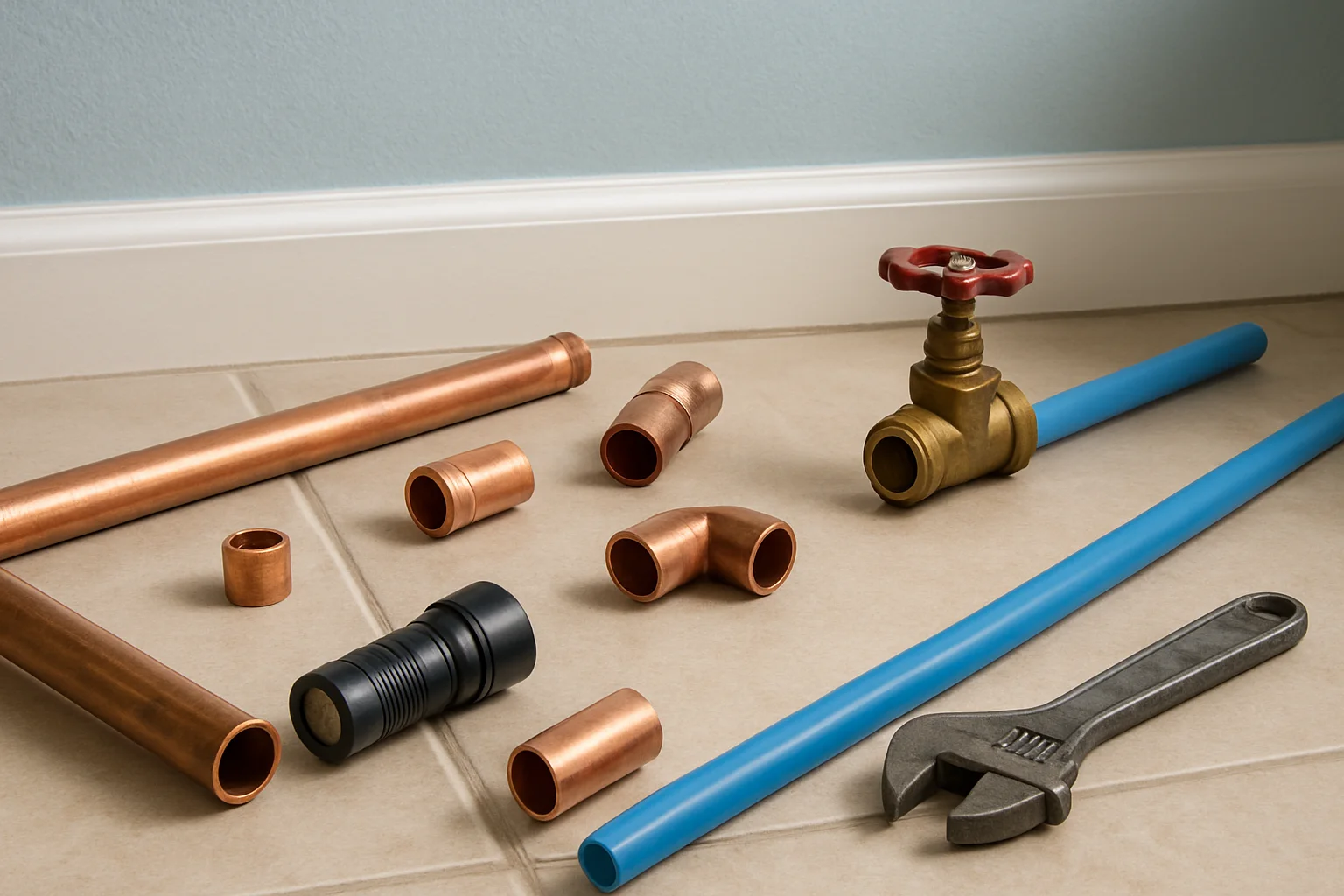
Many homeowners know their plumbing is “old” or “new,” but pipe material matters just as much as age. Some older homes may still contain galvanized steel, copper, or even sections of legacy piping that were installed decades ago. Newer homes may use PEX, PVC, CPVC, copper, or a combination of materials depending on the application. Each material has strengths, limitations, and different responses to moisture, pressure, and water chemistry. A pipe replacement decision often begins with identifying what is currently in the home and how well it has held up.
Metal piping can corrode, scale internally, or develop pinhole leaks over time, especially in conditions where water chemistry or environmental moisture makes deterioration more likely. Plastic piping is not immune to problems, but it tends to behave differently. It may be more flexible and less susceptible to certain corrosion issues, while still requiring proper support, fittings, and installation methods. Connections between different materials are a common point of concern because transitions have to be done correctly to avoid future leaks or premature wear.
Homeowners do not need to become material experts to make a good decision. What matters most is understanding that a pipe system is only as reliable as its weakest section. A professional plumber can evaluate the material type, visible condition, connection quality, and signs of past repairs. That assessment can reveal whether a localized fix is enough or whether replacing a larger section would be more cost-effective over time. In many cases, the material itself is only part of the story; installation quality and years of service are equally important.
If a home is being updated for comfort, efficiency, or long-term maintenance, pipe replacement can also be coordinated with other plumbing improvements. That may include addressing shutoff valves, fixture connections, or sections that are difficult to access once finishes are in place. The key is to make decisions based on the whole system, not just one visible symptom.
Warning signs that merit a professional inspection
Pipe problems often start with subtle changes. A homeowner may notice lower water pressure at one fixture, occasional sputtering, a new metallic taste, or stains that seem to return after cleaning. In some cases, the only visible clue is a water bill that creeps upward without an obvious explanation. None of these symptoms automatically means a full pipe replacement is needed, but they do justify a closer look. The earlier a professional evaluates the issue, the more options are usually available.
Discoloration on walls, ceilings, or baseboards can suggest hidden moisture, though it is not always easy to tell whether the source is a pipe, roof intrusion, or another building issue. Damp or warm spots under flooring may point to a leak beneath the slab or in a concealed line. Frequent clogs can also signal broader pipe concerns if mineral buildup, pipe narrowing, or damaged sections are affecting flow. These symptoms should be assessed promptly because hidden leaks can develop into structural damage or mold-related concerns if left unresolved.
Another sign that deserves attention is recurring plumbing repair in the same area. If a homeowner has already patched or replaced one section and the problem returns, the larger system may be telling a deeper story. A plumber can use diagnostic methods to isolate the cause and determine whether the repeated issue is due to age, pressure stress, corrosion, or a design problem in the plumbing layout. This helps avoid unnecessary trial-and-error repairs.
The most important step is not to guess based on one symptom. Homeowners should contact a plumbing professional when they see recurring warning signs, especially if the home has older piping, a history of leaks, or visible corrosion. A thorough assessment can distinguish between a minor issue and a condition that may call for planned replacement before an emergency develops.
How professionals assess whether replacement is needed
A proper pipe assessment begins with information gathering. A plumber will typically ask about the home’s age, previous plumbing work, current symptoms, and any changes the homeowner has noticed over time. This conversation matters because it helps narrow down whether the issue is isolated or part of a broader pattern. It also gives context for inspecting areas that may not show obvious signs but could still be affected by the same underlying problem.
Visual inspection is only one part of the process. Depending on the situation, a plumber may check exposed piping, look for evidence of corrosion or joint stress, evaluate pressure-related concerns, and inspect fixtures that are connected to the suspected lines. In some homes, access areas such as attics, crawl spaces, utility closets, or under-sink cabinets can reveal clues about leaks, moisture, or prior repairs. For concealed lines, diagnostic tools may help locate the affected area without unnecessary disruption. The goal is to understand the pipe’s condition as accurately as possible before recommending a solution.
Just as important is determining whether the problem is repairable. A single damaged section may be isolated and manageable, while widespread deterioration may make replacement the smarter long-term choice. Professionals consider pipe age, material, accessibility, leak history, and the cost of repeated service calls when making that recommendation. They can also explain whether a partial replacement will solve the issue or whether replacing a larger run would better protect the home over time.
Homeowners benefit from this process because it turns a vague concern into a practical plan. Instead of assuming the worst, they get a clear explanation of what is happening, what is not happening, and what options exist. That clarity makes it easier to prioritize plumbing work alongside other home maintenance needs, especially in a climate where small issues can escalate if ignored.
Preventive care that can extend pipe life
Preventive care does not stop pipes from aging, but it can reduce unnecessary stress on the system. One of the most useful habits is paying attention to pressure, leaks, and water quality changes before they become routine annoyances. If a fixture suddenly behaves differently, it is worth noting. Early attention can keep a minor issue from turning into repeated water loss or structural damage. Homeowners who keep an eye on their plumbing between professional visits are more likely to catch problems while they are still manageable.
Another important habit is protecting exposed piping from unnecessary moisture and temperature swings. In coastal Florida, condensation can occur in places that do not seem especially vulnerable at first glance. Keeping mechanical spaces dry and well-ventilated can help. Homeowners should also avoid ignoring drips, because even a small leak can place ongoing stress on nearby materials, fasteners, and finishes. A small problem in one location can shorten the life of nearby components if it is left unresolved for months.
Household use also matters. Sudden pressure changes, repeated overloading of fixtures, and neglected shutoff valves can all contribute to strain. While homeowners should not attempt hazardous fixes, they can help their system by scheduling routine maintenance, addressing valve issues early, and being mindful of signs that the plumbing is working harder than it should. A professional plumber can advise on the condition of the system and recommend preventive steps that fit the home’s specific layout and material type.
Preventive care is especially valuable when a home is occupied seasonally or rented out at times. In those cases, a plumbing system may go through cycles of inactivity and heavy use. That pattern can hide slow leaks or allow small problems to develop unnoticed. A seasonal checkup helps homeowners keep the system ready for the months when the home is occupied more heavily.
Seasonal planning for fall and winter in Northwest Florida
Fall and winter are good times to think about pipe replacement planning in Santa Rosa Beach because the weather is generally less disruptive than peak summer storm season. This does not mean every project must happen immediately, but it is often easier to schedule assessments, prepare materials, and coordinate work when the weather is more stable. For homeowners who notice recurring plumbing concerns during the year, the cooler season may be the right time to move from monitoring to action.
Seasonal planning also gives homeowners a chance to review what happened over the previous months. Did water pressure change after a long summer? Were there repeated drips, staining, or unexplained utility spikes? Did any areas of the home seem to retain moisture longer than expected? These observations help a plumber determine whether pipe deterioration is advancing or whether a contained repair has been holding up well. Planning in a cooler season can also make it easier to address hidden problems before the next heavy-use period begins.
For second homes and vacation properties, this seasonal window is especially useful because owners may be in town for a limited time. If plumbing issues appear during a visit, it is wise to arrange a professional inspection before leaving the property unattended again. A clear maintenance plan can reduce the chance that a small concern turns into a major issue between stays. Seasonal planning is not about rushing into replacement; it is about choosing a practical time to evaluate the system and make informed decisions.
When a replacement is recommended, cooler months may offer more flexibility for scheduling and coordinating any necessary access to walls, crawl spaces, or utility areas. A plumber can explain what level of disruption to expect and help the homeowner understand how the work fits into the season’s overall maintenance plan.
Spring and summer considerations for active households
Spring and summer often bring increased water use in Santa Rosa Beach homes. Guests may visit more often, outdoor showers may be used more frequently, and irrigation systems can add to the load on the plumbing and water supply. In some homes, this is the time when weak points in the system become more obvious. If a pipe is already showing age or corrosion, higher demand may reveal it through pressure changes, temperature inconsistency, or visible leaks.
Storm season also deserves attention. Heavy rain, high humidity, and ground saturation can complicate the behavior of both indoor and underground plumbing. While a storm does not directly cause every pipe issue, it can make existing weaknesses show up sooner. Homeowners should pay attention to new moisture after storms, any unusual sounds in the plumbing, or signs that a buried line may be affected by shifting soil or intrusion around the foundation. These clues are worth a professional review rather than a guess.
If summer is the busiest time in the home, it may not be the best time to delay a suspected plumbing concern. A small issue can become more disruptive when the home is occupied more heavily, especially if it affects bathrooms, kitchens, or laundry areas. The better approach is to have the system evaluated as soon as warning signs appear, then decide whether immediate repair or planned replacement makes sense. That kind of timing can reduce inconvenience during the most active season.
Homeowners should also remember that increased usage can mask problems. A pipe that seems fine under light demand may struggle when multiple fixtures are running at once. A professional assessment can reveal whether the system is simply busy or whether it is losing efficiency because certain sections are nearing the end of their service life.
Planning for access, disruption, and household logistics
One of the concerns homeowners often have about pipe replacement is disruption. That concern is reasonable because plumbing lines can run through walls, attics, crawl spaces, or slab areas that are not easy to access. A professional plumber can help set expectations by explaining where the work would occur, how much of the system is affected, and what parts of the home may need temporary access. Clear planning helps reduce surprises and makes it easier for the household to prepare.
The amount of disruption depends on the scope of the replacement. A single exposed section is very different from a hidden run that requires more extensive access. In either case, homeowners should expect some coordination around water shutoff times and household routines. A plumber can explain which fixtures may be unavailable during the work and how the project can be staged to minimize inconvenience. That conversation is especially important for families, rental properties, or homes with limited alternative bathrooms or utility access.
This planning phase is also where homeowner priorities come into focus. Some people want to address the most urgent section first, while others prefer to combine related work into one project so the home is not opened up multiple times. A professional assessment helps identify which choice is more practical. The goal is not just to replace pipe; it is to do it in a way that fits the home’s structure, timeline, and long-term maintenance goals.
Homeowners should avoid trying to organize the technical side of replacement on their own. Instead, they can prepare by knowing the basic age and history of the plumbing, documenting symptoms, and being ready to discuss concerns in detail. That information helps the plumber make a better recommendation and can keep the project focused on solving the real problem.
Why local knowledge matters in Santa Rosa Beach
Local knowledge matters because plumbing problems do not occur in a vacuum. In Santa Rosa Beach, the interaction between climate, construction patterns, occupancy habits, and water use shapes how pipe systems age. A plumber who regularly serves the area is more likely to recognize patterns that a generic checklist might miss. That can make a difference when deciding whether a concern is isolated, seasonal, or likely to recur.
For example, a home with intermittent occupancy may need a different maintenance approach than a full-time residence. A property near the coast may show different wear patterns than one farther inland. Homes with older additions or remodels may have mixed pipe materials that behave differently from one section to another. Local experience helps a plumber interpret these details and recommend the most practical next step. That is especially valuable when a homeowner is trying to decide between repair, partial replacement, or broader system updates.
Local knowledge also helps with timing. Certain seasons are better for diagnostic work, and some projects are easier to coordinate before weather becomes more unpredictable. A plumber familiar with the area can help homeowners think ahead rather than reacting only when a leak becomes severe. That kind of guidance supports preventive care, which is often the most cost-conscious and least disruptive path over the long term.
When homeowners work with a local professional, they gain more than a repair appointment. They gain a better understanding of how their plumbing system is aging in the context of their home and region. That perspective makes future maintenance decisions easier and helps avoid unnecessary emergency calls later.
How 850 Plumber supports informed decisions
850 Plumber, part of veteran-owned A Superior Mechanical, serves homeowners throughout Bay, Walton, and Okaloosa counties, including Santa Rosa Beach. For pipe replacement concerns, the most valuable service is not rushing to a conclusion, but providing a careful assessment of what the plumbing system actually needs. That means listening to the homeowner’s concerns, evaluating the visible signs, and determining whether the issue points to a repair, a partial replacement, or a broader plan. The focus is on practical information that helps the homeowner move forward with confidence.
A professional evaluation is especially helpful when symptoms are intermittent or difficult to trace. Not every leak announces itself clearly, and not every pressure issue means the same thing. A knowledgeable plumber can help connect the dots between age, material, layout, and the homeowner’s observations. That guidance can be useful whether the home is occupied full-time, used seasonally, or managed from a distance. The aim is to reduce uncertainty and avoid unnecessary disruption whenever possible.
Homeowners can reach 850 Plumber at 850-258-3225 to discuss pipe concerns, request an assessment, or plan ahead for seasonal maintenance. Because pipe replacement is often easiest when handled before an emergency, it can be smart to schedule an evaluation as soon as signs of wear appear. A clear conversation with a plumber can help determine whether immediate action is needed or whether the system can be monitored for a while longer.
This educational approach supports better decisions over time. Instead of treating plumbing as a problem only when water is already visible, homeowners can use inspections and seasonal planning to stay ahead of trouble. That is especially important in coastal Northwest Florida, where conditions can influence how quickly plumbing ages and how subtle early warning signs may be.
A homeowner’s seasonal pipe care checklist
A seasonal pipe care checklist can help homeowners stay organized without turning plumbing into a constant worry. Start by paying attention to any changes in pressure, temperature consistency, or fixture performance. Notice whether any area of the home smells damp, looks discolored, or feels unusually humid. These observations may seem small, but they often become important clues during a professional inspection. Keep a simple record of recurring issues so you can describe them accurately if a plumber is called in.
It is also helpful to review the home’s plumbing history before the busy season begins. If there have been prior leaks, repeated repairs, or known older pipe sections, those areas deserve special attention. Seasonal checkups are a good time to ask whether the system has any weak points that should be monitored more closely. Homeowners in Santa Rosa Beach should be especially alert after periods of heavy rain, high occupancy, or unusually high water use. That is when hidden weaknesses often become more noticeable.
If a plumber recommends replacement, ask for a clear explanation of why that recommendation was made and what problem it is expected to solve. A good assessment should help the homeowner understand the condition of the pipes, the likely benefits of the work, and whether the issue is localized or more widespread. That information is essential for making informed decisions and planning around household needs. Preventive care works best when the homeowner knows what to watch for and when to ask for help.
The simplest seasonal habit is not to ignore a plumbing concern just because it seems minor. Small symptoms often give the earliest warning that a pipe is nearing the end of its useful life. A timely inspection can prevent bigger interruptions later and help keep the home’s plumbing reliable through changing weather and changing household demands.
Explore related plumbing care
- Pipe Replacement in Santa Rosa Beach, FL
- Water Heater Replacement in Santa Rosa Beach, FL | 850 Plumber
- Water Heater Maintenance in Santa Rosa Beach, FL
- Water Softening Services in Santa Rosa Beach, FL
- Clogged Drains & Pipe Cleaning in Bay, Walton & Okaloosa Counties
- Plumbing Fixture Replacement in Freeport, FL
Continue reading
- Water Heater Replacement in Santa Rosa Beach, FL: Preventive Care and Seasonal Planning for Northwest Florida Homeowners
- Water Softening Services in Santa Rosa Beach, FL: Preventive Care and Seasonal Planning for Northwest Florida Homes
- Pipe Replacement in Santa Rosa Beach, FL: How Northwest Florida Homeowners Decide Between Repair and Replacement
Talk with the 850 Plumber team for help with your home or business.