
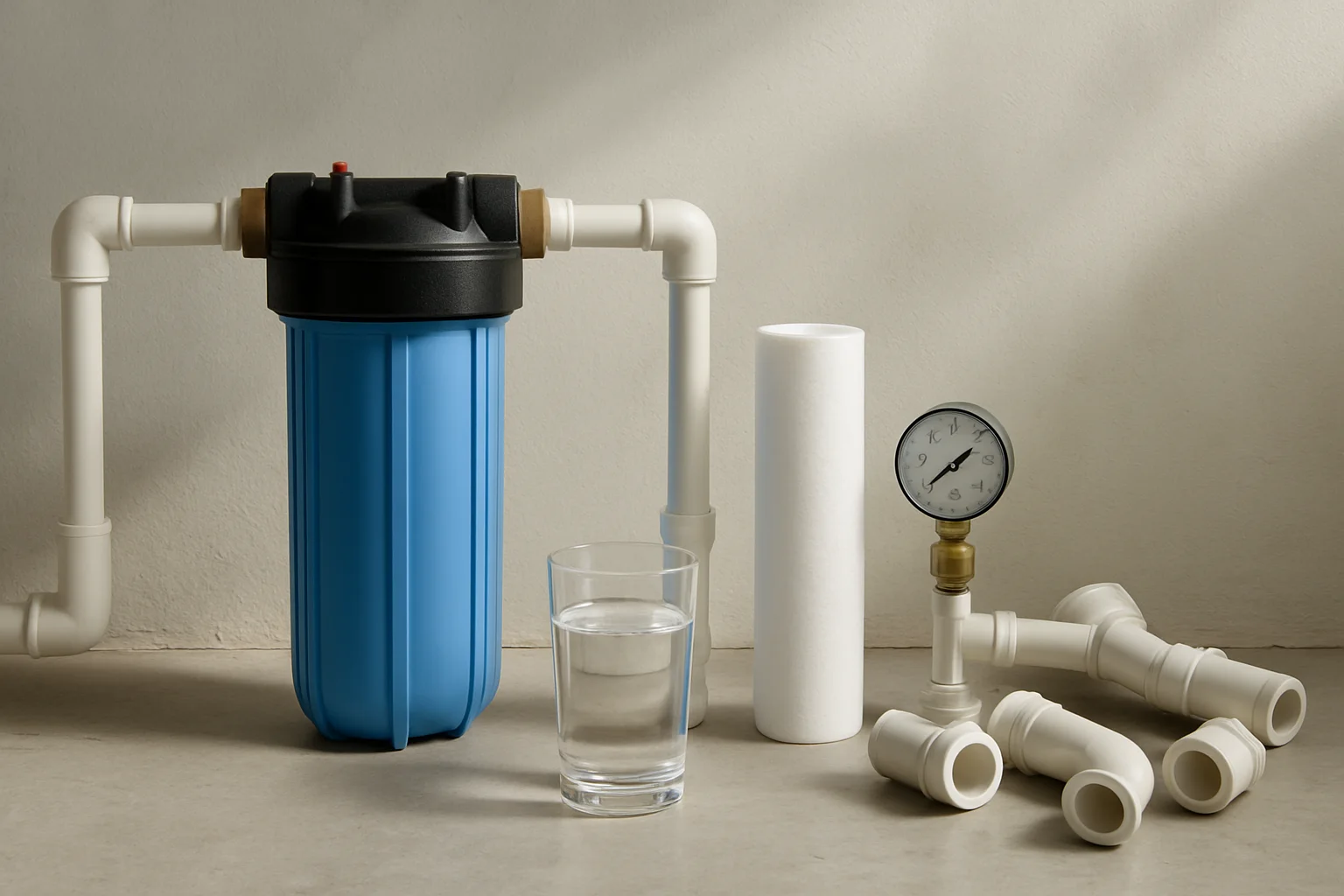
Why whole-home water purification matters in Northwest Florida
For homeowners in Bay, Walton, and Okaloosa counties, water quality is not just a comfort issue. It affects plumbing performance, appliance life, cleaning results, bathing comfort, and how much confidence you have in the water used every day. A whole-home water purification approach treats water before it reaches faucets, showers, laundry, and appliances, helping reduce the burden on your plumbing system. That matters in coastal and inland Northwest Florida alike, where water conditions can vary by source, household plumbing age, and local usage patterns.
Unlike a point-of-use filter at one sink, a whole-home system is designed to address water quality across the entire property. That broader scope makes it especially useful for families who notice recurring issues such as unusual taste or odor, staining, scale, cloudy water, or stress on fixtures and water-using equipment. The goal is not to solve a cosmetic nuisance only once; it is to create a more stable water environment for the home over time. A professional assessment helps determine what is actually happening with your water before recommending any equipment or maintenance approach.
Common water concerns homeowners notice at home
Many homeowners first think about water treatment only after a noticeable change. That change might be a sulfur-like smell, a metallic taste, cloudy ice, dry-feeling skin, spotty dishes, or orange, brown, or white residue in sinks and tubs. These visible and sensory signs do not automatically point to one single cause. They can come from source water characteristics, sediment, mineral content, aging pipes, water heater conditions, or household plumbing issues. Because the symptom is not always the same as the cause, a careful evaluation is the right starting point.
In Northwest Florida, water conditions can vary enough that one neighborhood’s concerns may differ from another’s. Some homes may have higher sediment loads, while others may be more affected by hardness, iron, sulfur odors, or changes related to well water versus municipal supply. A whole-home water purification plan should be based on the home’s actual water and plumbing conditions, not on a one-size-fits-all assumption. That is why experienced professionals begin with observation, water testing where appropriate, and an understanding of the home’s plumbing layout and usage patterns before suggesting any system.
How whole-home water purification works
Whole-home water purification refers to equipment installed where water enters the home so that all indoor fixtures receive treated water. Depending on the water issue, a system may include filtration, sediment reduction, carbon treatment, softening, iron control, or other treatment stages. The exact configuration depends on the water quality goals for the home. The idea is to create a treatment path that handles the most relevant concerns before they move through plumbing lines, water heaters, dishwashers, laundry machines, and showers.
The benefit of this approach is consistency. Instead of trying to manage symptoms at each fixture, the home receives more uniform water quality throughout. That can support better appliance performance and reduce nuisance buildup in aerators, showerheads, and plumbing components. It can also make day-to-day water use feel more predictable. A professional assessment is important because whole-home equipment must match the home’s flow rate, plumbing configuration, and treatment needs. Oversized or undersized choices can reduce effectiveness or create maintenance problems, so planning matters as much as the equipment itself.
The difference between purification, filtration, and conditioning
Homeowners often use the words purification, filtration, and conditioning interchangeably, but they are not exactly the same. Filtration usually refers to removing particles, sediment, or some contaminants from water as it passes through a medium. Conditioning is a broader term that may include softening or other treatment processes that change the way water behaves in the plumbing system. Purification is often used as a general umbrella term for improving water quality through one or more treatment stages. In practice, the right solution may involve a combination of these methods rather than just one device.
That distinction matters because a home dealing with sediment needs a different approach from a home dealing with hardness or odor. If a household installs the wrong kind of system, the water may still leave spots on fixtures, continue to smell unpleasant, or still contribute to buildup in the water heater. A professional can help identify whether the problem is primarily aesthetic, mechanical, mineral-related, or source-related. That assessment guides the treatment choice and helps avoid unnecessary equipment or maintenance. For homeowners, the most useful question is not “What system is best?” but “What issue am I trying to solve, and what does my water actually need?”
Why preventive care is better than waiting for a problem
Water treatment is often easiest and most cost-effective when it is planned before a home experiences major plumbing strain or appliance decline. Preventive care means watching for small changes early, maintaining existing equipment on schedule, and choosing a system that supports long-term water quality rather than reacting after damage has already accumulated. In a humid coastal climate with active plumbing use, that can help reduce the chance that mineral buildup, sediment accumulation, or water-related wear becomes a larger repair issue later.
Waiting too long can mean more than just inconvenience. Deposits in fixtures may increase, water heaters may work harder, and appliances may not operate as efficiently as they should. Over time, that can affect comfort and maintenance frequency. Preventive planning is especially useful in homes with multiple bathrooms, vacation use patterns, or seasonal occupancy, because periods of heavier or irregular use can change how noticeable water quality issues become. A professional assessment helps homeowners make decisions early, before they are trying to respond to a rushed plumbing complaint or an unexpected appliance problem.
Seasonal planning for Northwest Florida homeowners
Northwest Florida homeowners benefit from thinking about water purification seasonally because usage patterns and environmental conditions change through the year. Summer can mean higher household water demand from showers, laundry, irrigation coordination, and guests. Dry periods may change source-water characteristics, while heavy rain can influence sediment or water clarity concerns in some settings. Even if the water source itself remains stable, the home’s overall demand on the system can change how water issues are perceived.
Seasonal planning is less about a rigid calendar and more about staying ahead of predictable stress points. Before hotter months, many homeowners benefit from checking whether filters are due for service and whether water quality complaints have changed since the last season. Before colder weather, attention may shift to how the water heater and plumbing are performing. After a stormy period or any noticeable change in water appearance or smell, a professional review can help determine whether the concern is temporary or whether the treatment setup needs attention. Planning around seasons makes the system easier to manage and helps keep the home ready for changing household needs.
What a professional assessment should include
A meaningful assessment begins with listening to the homeowner’s observations. When did the issue start? Is the problem constant or intermittent? Is it affecting the whole house or only certain fixtures? Does the concern involve taste, odor, residue, staining, pressure changes, or appliance performance? These questions matter because they narrow the possibilities and help connect the symptoms to the likely source. A professional will also consider whether the home uses municipal water or a private well, since that changes the treatment approach.
Next comes a look at the plumbing system itself. Pipe age, water heater condition, fixture buildup, filter history, and the home’s flow demands can all affect treatment selection. Depending on the situation, water testing may be part of the process, especially when a specific contaminant or mineral concern is suspected. The goal is not to oversell equipment but to understand the home’s current condition and design a reasonable solution. A thoughtful assessment should explain the findings in plain language so the homeowner understands what the system can address, what maintenance it will need, and what it will not do.
How water quality affects plumbing and appliances
Even when water is safe to use, it can still place stress on a home’s plumbing and appliances if it carries sediment, minerals, or other unwanted characteristics. Sediment can settle in aerators, valves, and water heater components. Hard water can contribute to scale on heating surfaces and inside fixtures. Odors or discoloration can make residents suspect a bigger issue than there may be, but those signs still matter because they often indicate that water is interacting with the plumbing system in ways homeowners do not want. Over time, those interactions can affect function and appearance.
Appliances that rely on water are especially sensitive to quality changes. Water heaters, dishwashers, ice makers, washing machines, and coffee systems all benefit from more consistent water conditions. Better water can support smoother operation and reduce visible buildup, though no system eliminates every maintenance need. That is why whole-home treatment is best viewed as part of a broader home care strategy. It supports plumbing health, but it does not replace periodic equipment checks or regular maintenance. A professional can help homeowners choose a system that fits the plumbing demands of the house without creating unnecessary complexity.
Special considerations for wells and municipal water
Homes in Bay, Walton, and Okaloosa counties may rely on different water sources, and that affects treatment priorities. Private wells can be more directly influenced by local ground conditions, nearby land use, and seasonal changes in water characteristics. Municipal water may be more consistent in some respects, but it can still present issues that homeowners notice, such as taste, odor, or hardness-related concerns. The right whole-home system depends on which source serves the house and what the homeowner wants to improve. A generic assumption about “Florida water” is not enough to make a sound recommendation.
Because the source matters, a professional assessment should ask about the home’s supply, not just the symptoms. A system intended for one kind of water may not be ideal for another. For example, a treatment method aimed at sediment may not address odor, while another method focused on improving taste may not adequately handle hardness or visible staining. Homeowners do not need to diagnose the chemistry themselves. They do need a provider who will explain why the source water matters and how the proposed solution fits the home’s specific conditions. That is the difference between a temporary fix and a long-term plan.
Maintenance habits that protect the system
A whole-home water purification system works best when it is maintained according to the needs of the equipment and the home’s water conditions. Maintenance may include filter changes, media service, inspections, or checks on pressure and flow. The timing depends on the type of system, household water use, and how much sediment or buildup the equipment is handling. Homeowners should not wait until the water changes noticeably before thinking about service. A system that is quietly nearing the end of its service life may still appear to work until performance begins to slip.
Good maintenance also includes watching for broader home signals. If water pressure drops, staining returns, or odor changes become noticeable again, those are reasons to schedule a professional review rather than assume the system is still doing its job. It is also wise to keep records of service dates and any changes in water appearance or appliance behavior. That information helps a technician understand whether the issue is related to the treatment equipment, the plumbing, or a change in water supply conditions. Preventive maintenance keeps the system aligned with the home instead of letting small issues build quietly over time.
Planning for seasonal occupancy, guests, and vacation homes
In many parts of Northwest Florida, homeowners use their properties seasonally or host family and guests at different times of the year. That pattern changes how water purification should be planned. A home that sits quieter for part of the year may still need reliable water treatment when it is occupied, but the maintenance schedule may need to account for lower use periods and then heavier demand when the home fills up again. If a property is used as a vacation home or second residence, water quality issues can be more noticeable after a period of inactivity or irregular demand.
Seasonal occupancy can also affect whether homeowners notice changes in taste, odor, or sediment quickly enough to address them early. When a home is empty, slow changes may go unnoticed until residents return. That is one reason an annual or pre-season check can be useful. A professional can evaluate whether the equipment is ready for the expected occupancy pattern and whether any service should be completed before a busy season begins. This kind of planning helps the home be ready for guests, protects the plumbing system, and reduces the chance that the first sign of a problem is a complaint from someone using the sink or shower.
When to call for a professional review
Homeowners should consider a professional review whenever water changes become noticeable, even if the issue seems minor. Persistent odor, discoloration, cloudiness, scale buildup, frequent filter clogging, or a repeated need to clean fixtures can all indicate that the current setup is not fully meeting the home’s needs. A review is also appropriate when a home changes ownership, after major plumbing work, or when the household’s water use changes significantly. Even without a visible problem, a periodic assessment can help ensure the treatment system still fits the home’s current conditions.
Professional review is especially important if you are comparing options and want to avoid buying equipment that does not match the problem. A good plumber will not push a system before understanding the water source, plumbing layout, and homeowner goals. Instead, the process should focus on clear findings and practical recommendations. For homeowners in Bay, Walton, and Okaloosa counties, that approach is valuable because it keeps the decision grounded in actual home conditions rather than marketing claims. If you are unsure whether your home needs treatment, or whether your current system is still the right fit, a careful assessment is the safest and most useful next step.
How 850 Plumber helps homeowners plan ahead
850 Plumber, part of veteran-owned A Superior Mechanical, serves homeowners in Bay, Walton, and Okaloosa counties with plumbing support that can include evaluating whole-home water purification needs as part of broader preventive care. The most useful service starts with understanding what the homeowner is noticing, how the home is used, and what the plumbing system is already doing. That approach helps turn a vague concern into a specific plan. Whether the issue is taste, odor, visible residue, or concern about system wear, the first priority is an informed assessment rather than a rushed recommendation.
For homeowners who want a steady, practical approach to water quality, the goal is to make the home easier to live in and easier to maintain. Whole-home treatment can be part of that plan, but it works best when it is matched to the property and supported with proper maintenance. If you want help thinking through your options or deciding what seasonal upkeep makes sense for your home, you can contact 850 Plumber at 850-258-3225. A professional conversation can help you understand what your water is telling you and what type of solution is most appropriate for your home.
Explore related plumbing care
- Whole Home Water Purification in Bay, Walton and Okaloosa Counties, FL
- Clean Water Services in Bay, Walton and Okaloosa Counties, FL
- Tankless Water Heater Services in Northwest Florida | 850 Plumber
- Water Filtration Services in Bay, Walton & Okaloosa Counties, FL
- Water Heater Installation in Freeport, FL
- Water Heater Maintenance in Santa Rosa Beach, FL
Continue reading
- Water Softening Services in Santa Rosa Beach, FL: Preventive Care and Seasonal Planning for Northwest Florida Homes
- Tankless Water Heater Care for Northwest Florida Homes: Seasonal Planning and Preventive Maintenance
- Water Line Care for Northwest Florida Homes: Preventive Planning for Bay, Walton, and Okaloosa Counties
Talk with the 850 Plumber team for help with your home or business.