
1. Why drains deserve regular attention in Northwest Florida
Drains rarely get attention until something slows down, backs up, or starts smelling wrong, but they are one of the hardest-working parts of a home. In Bay, Walton, and Okaloosa counties, drains face a mix of heavy summer usage, seasonal guest traffic, humid weather, storm-related debris, and the normal wear that comes with everyday living. Kitchens, bathrooms, laundry rooms, and outdoor drainage points all collect residue over time. Soap, grease, hair, sand, food particles, lint, and mineral buildup can all combine to reduce flow long before a complete blockage appears. Routine drain care is less about reacting to emergencies and more about keeping a system moving as designed.
When a drain is neglected, the problem is often bigger than one slow sink or tub. Pressure can build in connected lines, odors can spread, and recurring clogs can begin to reveal deeper issues such as buildup inside older piping, damaged pipe sections, or improper slope. A professional drain assessment helps determine whether the issue is isolated or part of a larger pattern. That distinction matters, because a simple cleaning may solve a one-time clog, while repeated service calls could point to a line that is wearing out and needs repair or replacement planning. Homeowners in Northwest Florida benefit from understanding the difference before temporary symptoms turn into repeated disruptions.
2. Common causes of drain problems in Bay, Walton, and Okaloosa homes
Drain issues can come from everyday habits, but regional conditions also play a role. Coastal humidity can contribute to corrosion in some older metal components, while sandy debris can find its way indoors and into showers, laundry rooms, and outdoor utility areas. In homes near the beach or in areas with heavy foot traffic from outside, fine grit can accumulate in traps and lines. Kitchens are often affected by grease that cools and hardens in pipes, while bathrooms commonly deal with hair, soap scum, and hygiene products that should never enter drains. Toilets can also be burdened by excessive paper or non-flushable items, creating blockages farther down the line than homeowners expect.
Age and construction type matter too. Older homes may have drain lines that have narrowed internally over time, and even newer homes can develop issues if installation was strained, undersized for usage, or altered during remodeling. Tree roots can enter vulnerable underground lines, especially where soil conditions and moisture encourage growth around piping. Slab foundations and buried sewer laterals can make the location of trouble less obvious, which is one reason professional evaluation is so important. Symptoms at one fixture do not always mean the fixture itself is the only problem. A qualified assessment can determine whether the blockage is local, branch-specific, or part of a main line issue that needs more than routine cleaning.
3. Warning signs that a drain needs professional attention
A drain problem does not always announce itself with a complete stoppage. Often, the first warning is slower draining water in a sink, tub, or shower. Gurgling sounds can suggest trapped air caused by a partial blockage, and recurring need to plunge a fixture may indicate that the clog is deeper than surface-level debris. Bad odors are another common clue, especially when buildup in the line is trapping stagnant water or organic material. In bathrooms, standing water around the drain after showering or bathing can point to a line that is narrowing over time rather than a one-time blockage.
More serious signs include repeated backups in more than one fixture, water returning in a different drain when another appliance runs, or sewage odors that do not go away. If a kitchen sink backs up when the washer drains, or if a toilet affects a nearby tub or shower, the issue may be beyond a single fixture trap. Homeowners should not ignore these patterns, because they can indicate a main line restriction, damaged piping, or a venting issue that requires professional inspection. The value of an expert assessment is that it separates symptoms from causes. A technician can use the right diagnostic tools and experience to identify whether cleaning will restore function, or whether repair or replacement is becoming the safer long-term choice.
4. What professional drain cleaning actually does
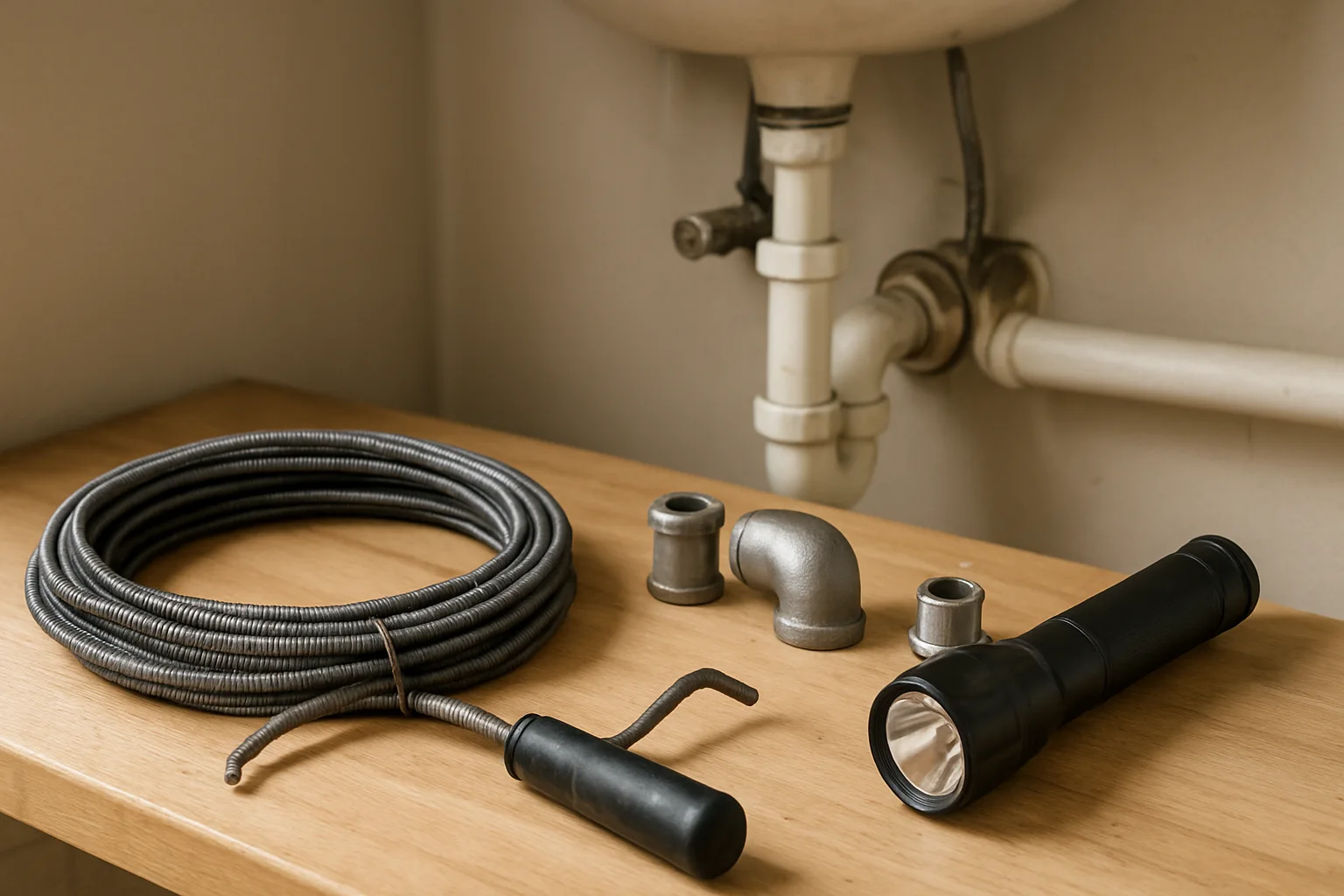
Professional drain cleaning is more than forcing water through a clog. The goal is to remove buildup, restore flow, and reduce the chance that the same problem returns quickly. Depending on the line and the type of obstruction, a plumber may use specialized augers, mechanical cleaning equipment, or other professional methods suited to the pipe material and location. The key advantage is control. A trained technician can work through the blockage while limiting unnecessary stress on aging pipes, fragile joints, or sections that may already be compromised. This is especially important in homes where the line condition is unknown or where prior patchwork repairs may have left the system uneven.
A proper cleaning service also involves judgment. A professional does not just clear the symptom and leave; they consider what came out of the line, how quickly the drain was restored, and whether the problem appears to be a one-time event or a recurring condition. For example, grease-based buildup in a kitchen line may respond well to cleaning, while repeated sediment or scale buildup in an older line may be a sign that the pipe interior is deteriorating or restricted by long-term wear. Professional assessment helps homeowners make better decisions because it separates a blockage that can be managed with maintenance from a structural issue that may continue to worsen even after cleaning is completed.
5. Maintenance habits that help prevent repeat clogs
Preventive care starts with how a home is used every day. In kitchens, keeping grease, oils, and food scraps out of drains is one of the most effective ways to reduce buildup. In bathrooms, hair is a major contributor to slow drains, so routine cleaning of strainers and drain covers can make a meaningful difference. Laundry areas also deserve attention because lint, fabric residue, and detergent buildup can contribute to reduced flow over time. Outdoor utility sinks and hose-connected drains may collect sand or debris, especially in coastal and storm-prone areas. Small changes in daily habits can lower the chance of recurring service needs.
Even with good habits, homeowners should treat drains as systems that need periodic professional evaluation, especially if the home has a history of slow drainage or recurring backups. Maintenance visits can help identify early warning signs before a line becomes fully obstructed. That may include checking for signs of buildup, noting whether multiple fixtures are affected, and looking for conditions that suggest a deeper issue such as aging piping or poor flow patterns. It is also smart to avoid chemical drain cleaners as a first response, because they may not solve the underlying problem and can add risk to plumbing components. A professional assessment provides a safer path by identifying whether the home needs a straightforward cleaning, a minor repair, or a more complete plan for the line in question.
6. When drain cleaning is likely the right solution
Drain cleaning is often the best option when the problem is caused by soft buildup rather than pipe failure. Common examples include grease accumulation in a kitchen line, hair and soap residue in bathroom drains, or debris lodged in a trap or branch line. If the pipes are otherwise in reasonable condition and the issue is isolated, a thorough cleaning can restore normal function and extend the useful life of the system. This is often the most practical outcome when the plumbing is structurally sound but simply clogged from normal use. Homeowners should expect the plumber to assess whether the pipe wall appears intact, whether water moves properly after cleaning, and whether the problem seems likely to return soon.
Cleaning is also a strong choice when the drain problem is recent and has a clear cause. For instance, a sudden slowdown after a heavy cooking period, a burst of hair-related buildup, or debris entering the line during a home project may all respond well to professional cleaning. The deciding factor is not just whether the drain is clogged, but whether the clog is a symptom of a larger failure. If the line clears and remains clear during the assessment, the homeowner may only need a maintenance schedule and better daily habits. If a line clears but the same section continues to slow down, that is when repair versus replacement becomes a more serious discussion. Professional judgment is valuable because it helps homeowners avoid replacing a line that still has serviceable life, while also avoiding repeated cleanings that only mask an underlying defect.
7. When repair may be better than replacement
Repair becomes important when the pipe is not completely failed but has a localized problem that affects performance. A section with a minor crack, a loose joint, a damaged fitting, or a small area of intrusion may sometimes be addressed without replacing the entire drain line. Repairs may also make sense when a support issue, connection issue, or access problem is isolated and the rest of the system remains in good shape. In those cases, the goal is to correct the specific defect while preserving as much of the original piping as possible. This can be especially helpful when the line is relatively accessible and the surrounding plumbing is still performing well.
A repair decision should always be based on a careful inspection, not guesswork. Homeowners may notice symptoms such as only one area backing up, a persistent leak under a sink, or a recurring issue in the same branch line, but those signs alone do not reveal the full condition of the pipe. A professional can evaluate how widespread the problem is, whether the line is aging uniformly or failing in one spot, and whether the repaired section would likely hold up over time. In many cases, repair is the middle path that makes sense when replacement would be excessive and cleaning alone would not address the true defect. The important point is that the repair should solve the root issue, not just temporarily improve flow while leaving the line vulnerable to the next failure.
8. When replacement becomes the smarter long-term choice
Replacement is usually considered when a drain line has widespread damage, repeated failures, or material deterioration that makes ongoing repair less practical. If a pipe has extensive corrosion, multiple weak points, frequent root intrusion, major breaks, or a long history of recurring clogs that keep returning after cleaning, it may no longer be economical or dependable to keep patching individual sections. Replacement can also be the safer choice when the piping has reached the end of its useful life and the risk of sudden failure is rising. The objective is not to replace more than needed, but to avoid continuing a cycle of short-term fixes on a line that is clearly nearing the end of service.
A professional assessment is especially important before making a replacement decision because the visible symptom may not match the true extent of the damage. A sink backup might be caused by a localized issue, while a sewer line backup can indicate broader deterioration underground. In some homes, repeated cleaning only provides brief relief because the interior of the pipe is no longer smooth enough to stay clear. In others, the line may have settled, shifted, or suffered damage that is not fully correctable with patchwork. Replacement can feel like a bigger step, but in the right circumstances it offers predictability and reduces emergency service risk. The best time to talk about replacement is before the line fails completely, so homeowners can plan the work thoughtfully rather than respond under pressure.
9. How plumbers evaluate drain condition before recommending action
A careful evaluation begins with listening to the homeowner’s observations. Where is the issue showing up, how often does it happen, and what activities seem to trigger it? Those details help narrow the likely source of the problem. From there, a plumber may inspect visible plumbing, test multiple fixtures, and determine whether the issue is local to one drain or part of a broader system pattern. In some cases, the technician may use diagnostic equipment to get a better look at the line’s condition and identify whether buildup, damage, or restricted flow is present. The purpose is to move beyond assumptions and base the recommendation on evidence.
This professional process matters because drain symptoms can be misleading. A slow bathroom sink might be a simple blockage, but it can also reflect a deeper venting or branch-line issue. A sewer odor could come from a dry trap, but it might also indicate a hidden leak or line defect. Homeowners should expect a good assessment to weigh the age of the system, the pipe material, the frequency of past issues, and the severity of the symptoms. The recommendation may be cleaning, repair, replacement, or a combination of these steps, depending on what the inspection shows. What matters most is that the decision is informed by the actual condition of the line rather than by a generic rule. That is how a homeowner avoids paying for work that does not fit the problem.
10. Why coastal weather and storms affect drain systems
Northwest Florida weather can influence drain performance in ways homeowners do not always notice right away. Heavy rain can overload drainage areas, increase groundwater saturation, and expose weak points in buried lines. Storm debris can also enter outdoor drainage areas, gutters, and utility spaces, adding more material to the system than it normally handles. In humid conditions, some plumbing components may age faster, while seasonal shifts in household usage can place more demand on kitchens, bathrooms, and laundry drains. Even if a home does not flood, repeated exposure to wet conditions can stress vulnerable piping over time.
Storm season is a good reminder to pay attention to warning signs early. If a drain that usually works well begins to slow after heavy rain or if odors and backups appear during wet weather, there may be a connection between exterior conditions and the drain system’s performance. That does not automatically mean the line must be replaced, but it does mean the system deserves closer evaluation. A professional can determine whether the issue is caused by temporary debris, surface drainage concerns, or a deeper defect in the line itself. Homeowners in Bay, Walton, and Okaloosa counties benefit from treating weather-related drainage changes as information, not just inconvenience. The pattern can reveal whether simple cleaning will help or whether the system is becoming too vulnerable to continue without repair planning.
11. How to think about cost without guessing or rushing
Homeowners often want a simple answer to the cost question, but the most useful answer starts with condition, not price. A line that only needs cleaning is a very different situation from a line that needs structural repair or replacement. Because of that, it is better to think in terms of value and long-term reliability. A low-cost temporary fix may seem appealing, but if the issue returns repeatedly, the overall burden can become greater than addressing the real problem earlier. On the other hand, replacing a line too soon can also mean paying for work that was not yet necessary. Professional assessment helps prevent both extremes by tying the recommendation to what the plumbing actually needs.
Another factor is disruption. Some repairs are small and targeted, while others involve more labor and more impact on the home. Replacement may be the better investment if it reduces repeated service calls, water damage risk, and frustration from recurring clogs. Cleaning or repair may be the better choice if the line is healthy enough to keep serving the home for years with routine maintenance. The right decision is usually the one that balances immediate function with future dependability. Homeowners should feel comfortable asking what the technician found, why one option is preferred over another, and what signs might suggest the condition is changing later. That conversation helps make the choice practical, transparent, and aligned with the real state of the system.
12. How 850 Plumber supports homeowners in the decision process
For homeowners in Bay, Walton, and Okaloosa counties, drain problems are not just inconvenient; they can interrupt daily routines and affect the comfort of the whole home. 850 Plumber, part of veteran-owned A Superior Mechanical, serves the area with a focus on helping homeowners understand what their drains need and why. The most useful service is not simply clearing a clog, but determining whether the right answer is cleaning, repair, or replacement based on the condition of the plumbing. That approach helps homeowners make a sound decision rather than a rushed one. The service area includes households that face the everyday realities of coastal living, seasonal use changes, and the gradual wear that affects drain systems over time.
The best next step when a drain is acting up is a professional assessment. If the issue is minor, cleaning may restore normal flow. If a section is damaged, repair may be the right middle ground. If the line has repeated failures or clear deterioration, replacement may be the most dependable long-term solution. Homeowners do not need to diagnose the problem themselves, and they should avoid hazardous DIY methods that can damage pipes or create safety risks. A trained plumber can evaluate the system, explain the findings clearly, and recommend a path that fits the home. For service in Bay, Walton, and Okaloosa counties, homeowners can contact 850 Plumber at 850-258-3225 to discuss drain concerns and schedule a professional evaluation.
Explore related plumbing care
- Drain Cleaning & Maintenance in Bay, Walton and Okaloosa Counties, FL
- Sewer Repair & Maintenance in Bay, Walton and Okaloosa Counties, FL
- Toilet Repair and Replacement in Bay, Walton and Okaloosa Counties, FL | 850 Plumber
- Clogged Drains & Pipe Cleaning in Bay, Walton & Okaloosa Counties
- Leak Detection & Slab Leak Repair in Bay, Walton & Okaloosa Counties, FL | 850 Plumber
- Pipe Replacement in Santa Rosa Beach, FL
Continue reading
- Hydro Jetting for Northwest Florida Homes: Knowing When Cleaning Is Enough and When Replacement Makes More Sense
- Water Heater Maintenance in Santa Rosa Beach, FL: How Homeowners Can Weigh Repair Versus Replacement
- Sewer and Drain Repair or Replacement: A Northwest Florida Homeowner’s Guide
Talk with the 850 Plumber team for help with your home or business.