
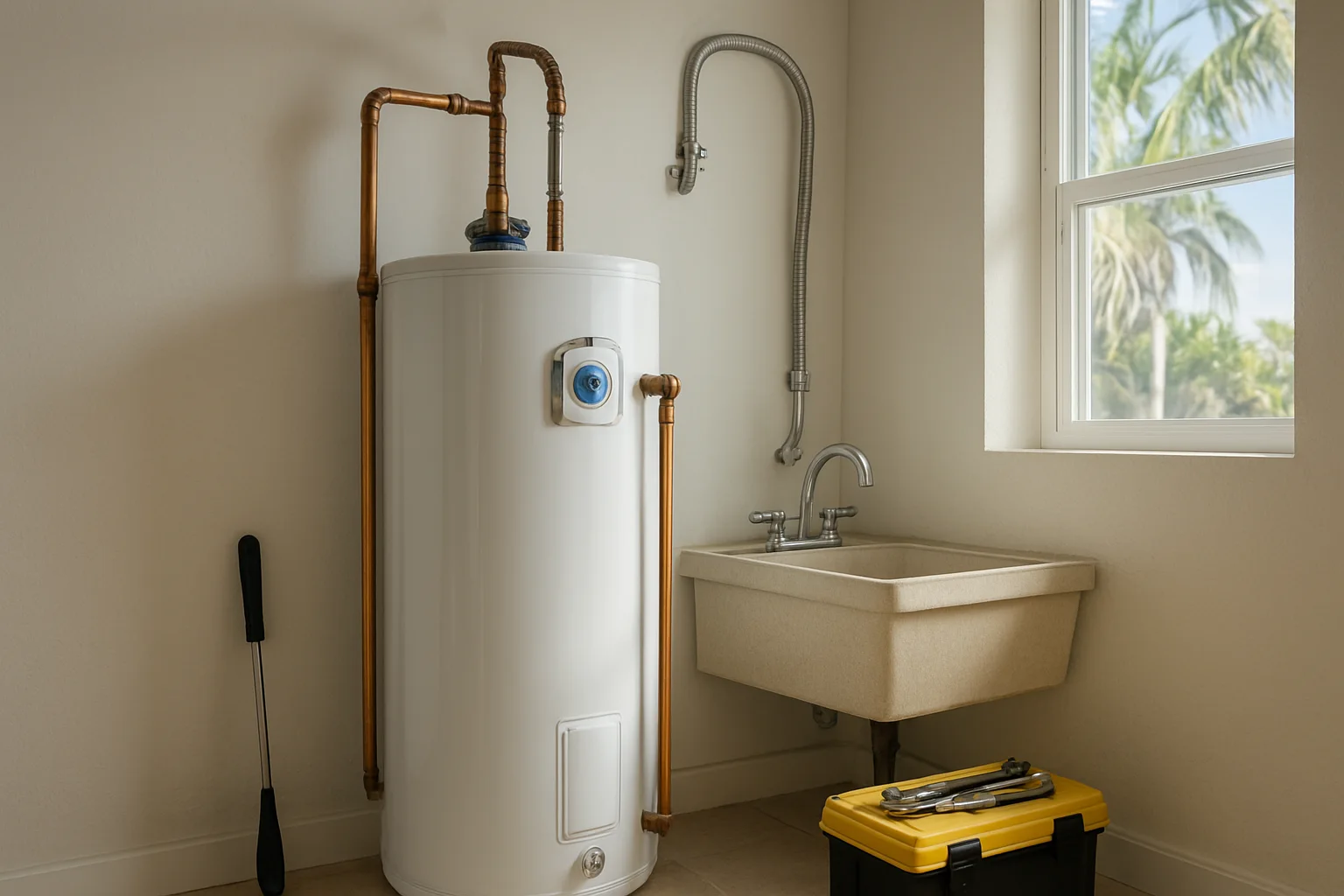
Why water heater care matters in Santa Rosa Beach homes
In Santa Rosa Beach and across Northwest Florida, a water heater works hard in conditions that can be tougher than many homeowners expect. Humidity, mineral content in the water, salt air near the coast, and year-round demand all affect how long a unit performs well. A water heater that is not maintained can gradually lose efficiency, heat less consistently, and develop issues that show up as slow hot water, noises, or leaks. For homeowners, the challenge is not only keeping the system operating, but also recognizing when a small service need has become a larger decision about repair or replacement.
Water heater maintenance is most useful when it helps prevent surprises. Small problems often give early signs long before the tank fails or a tankless unit stops producing reliably. Regular professional assessment can identify sediment buildup, worn components, corrosion, venting concerns, control problems, or safety-related issues that are not obvious from the outside. In a coastal environment, these concerns deserve attention because a unit that seems to be working may still be losing efficiency or nearing the end of its useful life. A thoughtful maintenance plan can help homeowners make better decisions before a no-hot-water emergency forces a rushed choice.
How Northwest Florida conditions affect water heaters
The local environment plays a major role in water heater performance. In coastal and near-coastal communities like Santa Rosa Beach, moisture in the air can contribute to corrosion on exterior fittings, connections, and surrounding components. Inside the system, mineral content in the water can lead to scale or sediment accumulation, especially in tank-style water heaters. Over time, these deposits can affect heating performance, increase strain on parts, and reduce overall efficiency. Even if a unit is not visibly damaged, the surrounding climate can shorten the practical lifespan of components that might last longer in drier regions.
Seasonal use patterns also matter. Homes that serve as primary residences may see steady daily use, while vacation properties can experience periods of low demand followed by heavy occupancy. Either pattern can create maintenance challenges. A unit that sits idle may still experience corrosion and buildup, while one under frequent use may wear parts more quickly. Professional evaluation can account for these local conditions and help determine whether an observed issue is an isolated repair problem or part of broader wear that points toward replacement. The goal is to match the solution to the real condition of the system, not just the symptoms seen on a single day.
Common signs a water heater needs attention
Most water heaters send warning signs before they fail completely. Homeowners may notice that hot water takes longer to arrive, runs out sooner than before, or fluctuates in temperature. Some units begin making popping, rumbling, or crackling sounds, which can indicate sediment buildup inside a tank-style system. Discolored water can suggest corrosion or internal deterioration, especially if it appears only when hot water is running. Visible moisture around the base, fittings, or relief valve area can be another sign that the unit needs professional inspection. These symptoms do not always mean replacement is required, but they should never be ignored.
Other signs are less obvious but equally important. A water heater that cycles too often, struggles to recover after use, or has a pilot or ignition problem may be losing efficiency. Rust at the tank, aging flexible connectors, or recurring thermostat and valve issues can point to a system that has moved beyond routine upkeep. Because many symptoms overlap between repairable problems and end-of-life failure, homeowners benefit from a professional assessment rather than guessing based on a single symptom. A plumber can examine the complete system and help determine whether the problem is isolated, repeated, or part of a broader pattern of decline.
What routine maintenance can accomplish
Routine maintenance is designed to extend performance, preserve efficiency, and catch problems early. For tank-style water heaters, this may include flushing sediment as appropriate, checking valves and connections, evaluating the anode rod when applicable, confirming proper temperature settings, and looking for signs of corrosion or leaks. For tankless systems, maintenance may focus on scale control, combustion or venting checks, inlet screens, and error conditions that affect operation. The exact service depends on the type of unit, water quality, and the manufacturer’s guidance. Professional maintenance is valuable because it looks beyond a quick visual check and considers how each part of the system is actually performing.
Maintenance is not just about preventing breakdowns; it also supports better decision-making. A plumber may discover that a water heater has only a minor issue, such as a worn valve or loose connection, which can often be repaired without replacing the whole unit. In other cases, maintenance may reveal repeated problems or internal wear that make further repairs less practical. Either result is useful. By documenting the condition of the system over time, homeowners can better plan for future service instead of reacting after a leak or total failure. This is especially important for homes where water damage could affect flooring, cabinets, drywall, or adjacent living spaces.
Repair versus replacement: the core decision
The question most homeowners face is not whether a water heater has a problem, but whether that problem is worth repairing. A repair can make sense when the issue is localized, the unit is relatively young, and the rest of the system is in solid condition. Examples often include a faulty thermostat, a damaged heating element, a small valve problem, or a connection issue that does not involve tank failure. In those situations, professional repair can restore function and buy more service life. The key is that the problem should be isolated rather than a sign that the entire unit is deteriorating.
Replacement becomes more reasonable when issues are frequent, major, or tied to the tank or core structure. If a tank is corroding, a unit is leaking from the body, or performance has steadily declined despite repairs, replacement may be the more practical option. Age matters too, but age alone is not the only factor. Some units may continue to operate for a while, while others experience problems earlier due to water quality or use. A professional assessment considers the full picture: the extent of damage, the number of past repairs, the current efficiency, and the likely cost of keeping the system going compared with the benefit of starting fresh.
Age, efficiency, and remaining useful life
A water heater’s age provides useful context, but it should not be treated as the only deciding factor. Many tank-style units have a practical service life that can vary based on maintenance, usage, and local water conditions. Tankless units can also need significant upkeep and may last longer in some situations, but they are not immune to wear. Because Santa Rosa Beach homeowners may live with coastal moisture and mineral buildup, age can become more important when combined with visible deterioration or recurring performance issues. A system that has already needed several major repairs may no longer be the best candidate for another round of service.
Efficiency is another important part of the decision. A unit that still heats water may nevertheless do so inefficiently, leading to longer recovery times and more energy use. Sediment buildup, scale, old controls, or deteriorating components can all reduce performance. When a plumber evaluates a water heater, the assessment should consider whether the unit is simply functional or still a good fit for the home’s needs. If a system is running often, struggling to meet demand, or showing signs of wear that will likely continue, replacement may offer better long-term value than repeated short-term fixes. On the other hand, a younger system with good overall condition may benefit from targeted repair and maintenance rather than full replacement.
Leaks: when a small issue is not so small
Leaks deserve immediate attention because they can indicate anything from a loose connection to internal failure. Some leaks are external and relatively manageable, such as moisture from a fitting, valve, or nearby supply line. These may be repairable if the rest of the unit is healthy. However, a leak from the tank body itself is more serious. Once the tank shell begins to fail, the problem usually cannot be solved with a simple part replacement. In that situation, continuing to run the unit can risk water damage and sudden failure, so replacement is often the more responsible path.
Even minor leaks should be treated carefully because the visible moisture may only be part of the problem. Water may travel along surfaces before it is noticed, and a homeowner may not immediately see the full source. A plumber can inspect the unit, surrounding area, and related plumbing to identify where the water is coming from and whether the cause is isolated. This matters in homes where a leak could affect finished floors, closets, garages, or utility spaces. Professional diagnosis helps prevent unnecessary replacement when a repair is possible, while also avoiding the risk of patching a system that is actually nearing failure.
Noises, sediment, and water quality concerns
Unusual sounds from a water heater often point to sediment or scale, especially in tank-style models. As minerals settle inside the tank, they can create popping or rumbling when water heats around them. This does not always mean the unit has failed, but it does indicate the system is under stress. Sediment can reduce efficiency, interfere with heat transfer, and contribute to wear over time. In areas where water quality promotes buildup, periodic professional service can help reduce the impact, though maintenance is not always enough to reverse advanced internal damage.
Water quality concerns can influence the repair-versus-replacement choice. If buildup has been ignored for a long time, a system may continue to have performance issues even after some servicing. In that case, the plumber may determine that repeated cleaning or part replacement would not restore the unit to dependable operation. Homeowners sometimes assume that noise alone means replacement, but that is not always true. The better approach is a full assessment of the tank interior condition, the age of the unit, and whether the noises are accompanied by heating problems, rusty water, or reduced capacity. When these signs appear together, replacement becomes more likely because the system is showing a broader pattern of decline.
What a professional assessment should include
A professional water heater assessment should look at the unit as a complete system, not just the most visible symptom. That means checking the tank or cabinet condition, valves, connections, electrical or gas-related components where applicable, venting, drainage, temperature performance, and nearby signs of moisture or corrosion. The plumber should also consider the home’s hot water demand, the age of the equipment, and whether past repairs have been frequent. This broader view helps separate isolated issues from systemic failure. A homeowner benefits from a clear explanation of what is working, what is not, and what is likely to fail next if the unit remains in service.
Good assessment also means making the homeowner part of the decision. A professional should explain whether the immediate issue can be repaired, what other concerns were found during inspection, and what short- and long-term options make sense. Sometimes the answer is simple repair. Sometimes the best recommendation is replacement because the unit is no longer dependable or efficient enough to justify more work. The value of an assessment is not in pushing one outcome over another, but in giving the homeowner enough information to choose confidently. That is especially useful when the system is still running but clearly not operating as it should.
Signs replacement may be the better long-term choice
Replacement often becomes the more practical choice when several warning signs appear together. A water heater that is leaking from the tank, producing rusty water, making persistent noises, and failing to keep up with demand is likely near the end of its useful life. Multiple repairs in a short period can also signal that the system is becoming unreliable. In these situations, continuing to service the unit may only delay the inevitable while increasing the risk of sudden loss of hot water or property damage. Homeowners should think not just about whether a repair is possible, but whether it is a sensible investment in a system that may continue to decline.
Another reason to consider replacement is poor performance relative to household needs. If family size, usage patterns, or home layout have changed, the current water heater may no longer fit the home well. A plumber can evaluate whether the existing system is undersized, inefficient, or simply aging out. In that context, replacement can solve both the immediate problem and a longer-term comfort issue. The decision should still be based on inspection and not assumptions, but when age, wear, and performance problems all point in the same direction, replacement often provides a more stable solution than another temporary fix.
When repair still makes sense
Repair is often the right answer when the damage is limited, the unit is relatively sound, and the issue has been caught early. A malfunctioning thermostat, a single failed component, or a loose connection can often be corrected without replacing the entire system. In newer or well-maintained units, a targeted repair may restore normal service and preserve the remaining useful life of the water heater. This is why timely service matters: the earlier a problem is identified, the more likely it is that repair remains a realistic option.
Even if a repair is chosen, maintenance should not stop there. A system that has had one issue may need follow-up attention to keep it operating properly. That can include monitoring for leaks, checking performance, and staying aware of changes in water temperature or recovery time. For homeowners, the most important point is that repair should be based on a clear understanding of the unit’s overall condition, not on a hope that the current symptom is the only problem. When a professional confirms that the system is otherwise healthy, repair can be a sensible and cost-conscious choice, particularly when the alternative would be replacing a unit that still has useful life left.
How to prepare for service and make a good decision
Before a plumber arrives, homeowners can make the visit more productive by noting what they have observed: when the problem started, whether the issue is constant or intermittent, whether water temperature has changed, and whether there are sounds, odors, or visible leaks. It also helps to know the approximate age of the unit, if available, and whether there have been previous repairs. These details can help the plumber narrow the cause more quickly and provide a more accurate recommendation. The goal is not to diagnose the system yourself, but to provide useful context for a professional assessment.
Once the inspection is complete, ask for a clear explanation of the findings. A useful recommendation should include whether the problem is repairable, what the risks are if the unit stays in service, and why replacement may or may not be worth considering. Homeowners should feel comfortable asking how the diagnosis was reached and what maintenance can help prevent future problems. This process is especially important for an evergreen issue like water heater care, where no single rule fits every home. The best decision depends on the actual condition of the unit, the home’s hot water needs, and the homeowner’s comfort with future risk.
Working with 850 Plumber for dependable local guidance
For homeowners in Santa Rosa Beach and throughout Bay, Walton, and Okaloosa counties, local water heater service should be grounded in careful inspection and practical recommendations. 850 Plumber, part of veteran-owned A Superior Mechanical, serves the region with professional plumbing support focused on helping homeowners understand what their system needs. A qualified assessment can determine whether a water heater issue calls for repair, replacement, or a combination of maintenance and monitoring. That matters because a water heater decision affects comfort, safety, and the risk of water damage, especially when a problem is still developing rather than fully obvious.
If your water heater is showing signs of age, noise, inconsistent hot water, or leakage, the safest next step is not guesswork. It is a professional evaluation that considers the full condition of the unit and the realities of Northwest Florida homes. 850 Plumber can help homeowners make an informed decision based on the equipment, the symptoms, and the system’s likely future performance. For service in the area, call 850-258-3225. Whether the outcome is a well-timed repair or a planned replacement, the goal is the same: a dependable hot water system and a decision made with clear information.
Explore related plumbing care
- Water Heater Maintenance in Santa Rosa Beach, FL
- Water Heater Replacement in Santa Rosa Beach, FL | 850 Plumber
- Pipe Replacement in Santa Rosa Beach, FL
- Water Softening Services in Santa Rosa Beach, FL
- Water Heater Repair in Bay, Walton and Okaloosa Counties, FL
- Sewer Repair & Maintenance in Bay, Walton and Okaloosa Counties, FL
Continue reading
- Water Heater Repair vs. Replacement for Santa Rosa Beach Homeowners
- Water Heater Replacement in Santa Rosa Beach, FL: Preventive Care and Seasonal Planning for Northwest Florida Homeowners
- Water Heater Maintenance in Santa Rosa Beach, FL: A Seasonal Homeowner Guide for Northwest Florida
Talk with the 850 Plumber team for help with your home or business.