
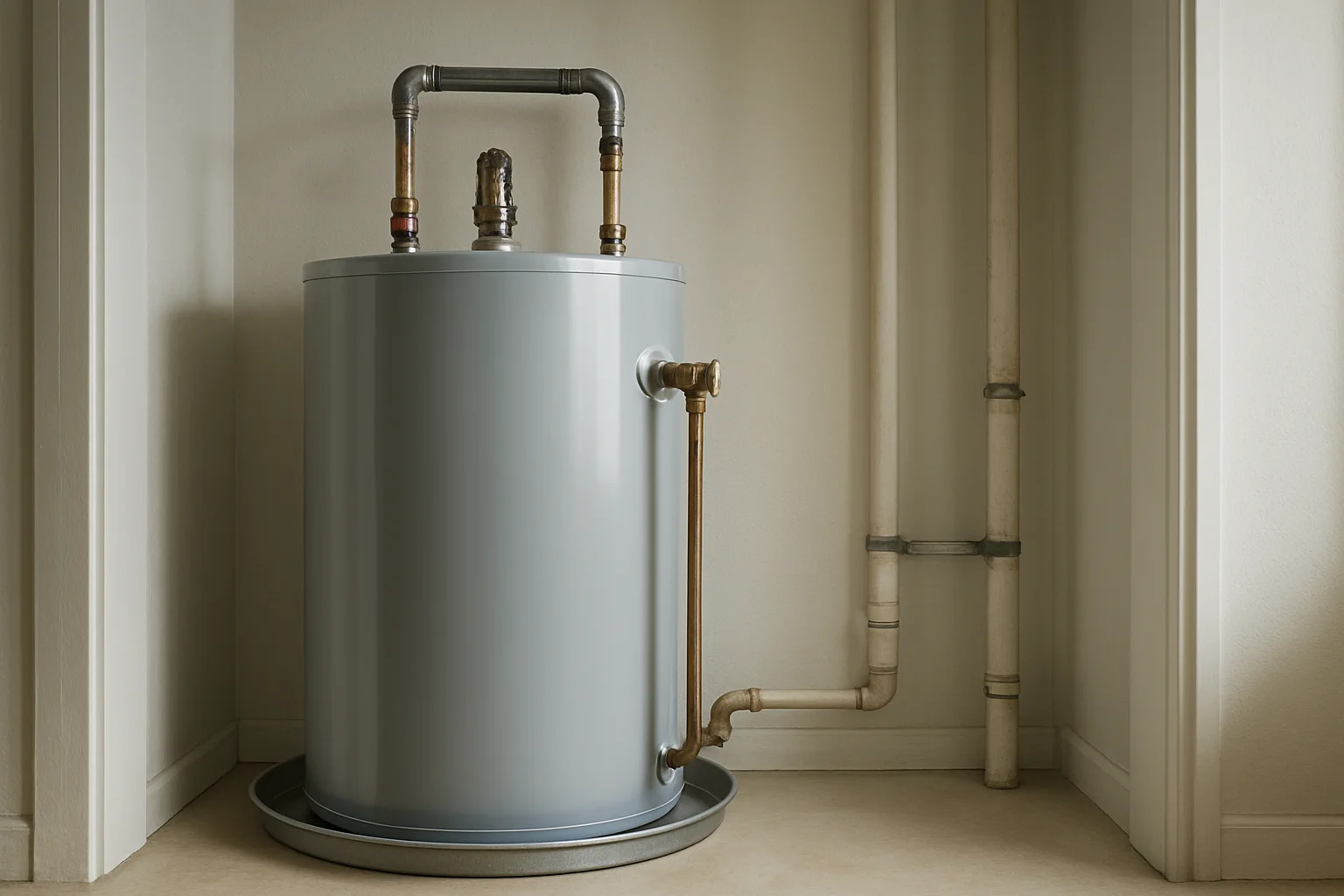
Why Water Heater Maintenance Matters in Santa Rosa Beach
In Santa Rosa Beach, a water heater has to work in a coastal environment that can be tougher on home systems than many owners realize. Humidity, salt in the air, fluctuating household demand, and seasonal occupancy patterns all influence how a heater performs over time. Preventive maintenance is not only about avoiding sudden cold showers. It also helps the unit heat water more consistently, reduce strain on internal components, and give homeowners a clearer picture of when service or replacement may be approaching.
For many Northwest Florida homes, maintenance is especially important because a water heater is one of the most-used appliances in the house. It supports bathing, laundry, dishwashing, and general sanitation every day. When sediment builds up or components age unnoticed, the system can become noisier, less efficient, or less reliable. A professional assessment can identify those issues early, before they turn into a no-hot-water call or a leak that affects nearby flooring, cabinetry, or drywall. Regular attention gives homeowners more control and fewer surprises, which is especially valuable heading into busier travel seasons or periods when family members are visiting.
How Northwest Florida Conditions Affect Water Heaters
The coastal climate around Santa Rosa Beach creates conditions that can influence water heater performance differently than in drier or inland regions. High humidity can contribute to corrosion on exposed metal parts. Salt-laden air can accelerate deterioration of fittings, connectors, and surrounding materials, especially if the unit is located in a garage, closet, or utility area with limited ventilation. Even when a heater appears to be working normally, environmental stress can gradually shorten the life of valves, connections, and the tank itself.
Seasonal living patterns also matter. Some homes in the area experience heavier use during vacations, holidays, or winter gatherings, followed by quieter stretches. That can make it easier to overlook small changes in performance because the water heater may not be stressed every day in the same way a year-round high-occupancy home is. A professional can evaluate whether the system is showing signs of age, corrosion, sediment accumulation, or pressure-related concerns that may be made worse by local conditions. In a coastal market, the goal is not just fixing problems after they appear; it is anticipating how the environment will affect the unit over time.
Know the Main Types of Water Heaters in Local Homes
Homeowners in Santa Rosa Beach may have a traditional tank-style water heater, a tankless system, or another configuration suited to their plumbing setup and energy preferences. Each type has different maintenance needs. Tank-style heaters store and heat a set volume of water, which means sediment can settle at the bottom over time and affect heating efficiency. Tankless systems heat water on demand and often require attention to scale, flow conditions, and inlet screens. Heat pump-style systems, where present, have their own airflow and condensate considerations. Understanding the basic type of system in the home helps set realistic expectations for maintenance and troubleshooting.
A professional assessment begins with identifying the unit correctly and reviewing how it fits into the household’s water usage. That matters because a water heater can seem undersized, inefficient, or inconsistent when the actual issue is buildup, aging parts, or a mismatch between usage habits and system capacity. The technician can also explain the manufacturer’s recommended service needs for that specific model and discuss any local factors that may influence upkeep. Rather than making assumptions, homeowners benefit from a system-specific evaluation that considers age, condition, installation environment, and performance history. That approach leads to better decisions about maintenance, repairs, or future planning.
Watch for Early Signs of Trouble
A water heater often gives subtle warnings before it fails. Inconsistent water temperature, reduced hot water volume, popping or rumbling noises, rusty or cloudy water, and moisture near the base of the unit can all signal a need for professional attention. Sometimes the change is gradual, so homeowners may only notice that showers do not last as long or that hot water takes longer to recover after heavy use. These signs should not be ignored, because they can point to sediment buildup, deteriorating components, or a leak that is still small enough to miss during a quick visual check.
It is also wise to pay attention to changes in water quality or smell. Discoloration does not always mean the heater itself is failing, but it can indicate corrosion or interaction within the system that deserves review. Similarly, a rise in energy use without a clear explanation may suggest the unit is working harder than it should. A professional assessment can help separate normal aging from a developing issue. The value of early detection is simple: identifying a concern before it escalates often gives homeowners more repair options and more time to plan, instead of facing an emergency replacement or water damage cleanup.
Sediment Buildup and Why It Matters
Sediment buildup is one of the most common maintenance concerns for tank-style water heaters. Over time, naturally occurring minerals and small particles in the water can settle at the bottom of the tank. When that layer grows, it can create noise, reduce heating efficiency, and place extra stress on the system. In some homes, sediment can also contribute to hot water taking longer to recover. Homeowners may hear crackling or popping sounds when the heater runs, which can be a clue that the tank is working through a layer of buildup.
Although sediment is common, the correct response depends on the condition of the heater and the overall system. A professional should evaluate whether flushing or other service is appropriate based on the age of the tank, the amount of buildup present, and the condition of valves and connections. This is where assessment matters: a technician can judge whether routine maintenance is likely to help or whether the heater is already showing signs of more serious wear. For homeowners, that means less guesswork and fewer risks. In some cases, flushing may support better performance; in others, the best course may be a repair recommendation or a longer-term replacement discussion.
Temperature, Pressure, and Safety Components Need Attention
Water heaters rely on several safety-related components to operate properly. Temperature and pressure controls help manage conditions inside the tank, and related valves and connections are designed to support safe operation. If any of these parts are worn, obstructed, or functioning outside their intended range, the heater may not perform reliably. While homeowners can often see the exterior of the unit, the condition of the internal safety components usually requires a trained inspection. That makes professional service important not only for comfort, but for peace of mind.
A professional assessment includes checking whether the unit is operating as intended and whether critical safety features appear functional and unobstructed. Because these components protect the system from excess temperature or pressure, they should never be treated casually. Homeowners should not attempt to modify or test them beyond basic visual observation. Instead, a qualified plumber can inspect the heater, note any irregularities, and explain the implications in plain language. In many cases, a small issue addressed early can prevent a larger failure later. This is especially important in homes where the water heater is tucked into a closet or utility area and may not be noticed until a problem becomes obvious.
Why Leaks Deserve Immediate Professional Review
Even a small leak around a water heater should be taken seriously. Moisture near the base can come from fittings, valves, condensation, or the tank itself, and the source is not always obvious from a homeowner’s perspective. A slow drip may seem minor at first, but water can spread under flooring, into surrounding materials, or along framing before it becomes visible. In a coastal home, where humidity is already high, hidden moisture can create additional concerns if it is left unaddressed. The earlier a professional identifies the source, the better the chances of limiting property damage.
Professional assessment is important because a leak does not always mean the same thing. It may be a repairable connection issue, a valve concern, or a sign that the tank is nearing the end of its service life. An experienced plumber can evaluate the location, severity, and cause of the moisture and explain whether the issue is manageable or whether replacement should be considered. Homeowners should not assume that a puddle is harmless just because the heater is still producing hot water. Leak behavior can change quickly, and prompt review helps prevent the kind of emergency that disrupts the entire household.
Seasonal Planning for Winter, Spring, Summer, and Fall
Seasonal planning is especially helpful for Santa Rosa Beach homeowners because water heater demand can change throughout the year. In cooler months, incoming water temperatures are often lower, so the heater may need to work harder to deliver comfortable hot water. Holiday gatherings, visiting family, and longer shower routines can also increase demand. Spring is a practical time to evaluate whether the unit is keeping up, especially if the home will see more activity during travel season or spring break visits. Summer, with its increased humidity and potential vacancy periods, is a good time to check for hidden moisture and corrosion. Fall is ideal for preparing before the busier season returns.
A well-timed professional review can help homeowners avoid the rush of service calls during peak demand periods. By having the system assessed before a seasonal change, owners can address small concerns before they become inconvenient. This is particularly useful in households that are used seasonally or have a guest-house setup, where usage patterns shift quickly. Planning ahead does not mean predicting exact failures; it means making sure the system is ready for likely conditions. A plumber can suggest the most appropriate timing for service based on the age of the heater, its recent performance, and the home’s upcoming schedule of use.
What a Professional Water Heater Assessment Includes
A professional assessment is more than a quick glance at the tank. It typically begins with reviewing the unit’s visible condition, surrounding plumbing, and installation environment. The plumber looks for corrosion, leaks, loose or deteriorated connections, unusual noises, signs of pressure-related concerns, and anything that suggests the heater is not operating efficiently. The inspection can also include discussion of hot water performance, household usage patterns, and any changes the homeowner has noticed. This helps connect the physical condition of the system with the real-life symptoms in the home.
The goal of the assessment is to identify what is normal, what is preventable, and what may need prompt action. A homeowner should leave with a clearer understanding of the system’s age, overall condition, and the most reasonable next steps. That may mean simple maintenance, a repair recommendation, or planning for replacement in the future. The advantage of professional review is clarity. Instead of relying on guesswork, homeowners receive guidance based on what the system is actually doing, which reduces the chance of unnecessary service or delayed action when a true problem exists.
How Maintenance Supports Efficiency and Comfort
A well-maintained water heater usually performs more consistently than one that has been neglected. When sediment is managed, connections are sound, and the unit is operating within its intended conditions, it does not have to work as hard to deliver hot water. That can support steadier temperatures and may help reduce wear over time. Homeowners often notice the benefit in everyday routines: showers stay comfortable, laundry cycles are less disrupted, and hot water recovery feels more dependable. Those improvements may seem small, but they add up in a busy household.
Comfort is only part of the picture. Efficiency and durability matter too. A water heater that runs under stress for long periods may experience more frequent issues and a shorter useful life than one that receives routine attention. Maintenance is not a guarantee against failure, but it can lower the likelihood of surprise problems and help the homeowner make informed decisions. A plumber can explain whether the system is functioning at an acceptable level or whether certain patterns suggest it is beginning to struggle. That perspective is especially valuable in a region where homes may experience intermittent occupancy, vacation traffic, or heavy hot water use during specific times of year.
Common Mistakes Homeowners Should Avoid
One of the biggest mistakes homeowners make is waiting until hot water is lost completely before calling for help. Because many water heater issues develop gradually, the early signs are easier to address than the aftermath of a complete failure. Another common mistake is assuming all hot water problems come from the heater itself. Plumbing distribution issues, fixture problems, or changes elsewhere in the system can also affect performance, which is why a broader evaluation is useful. A professional can help determine the true source of the problem instead of focusing only on the most obvious appliance.
Homeowners should also avoid treating every maintenance task as a do-it-yourself project. Some basic visual checks are reasonable, but anything involving internal parts, pressure-related concerns, gas components, or electrical elements should be left to a qualified professional. Attempting repairs without the right knowledge can create safety risks and may worsen the issue. The safer approach is to observe, note changes, and schedule service when needed. Professional assessment turns uncertainty into a plan, which is far more effective than waiting for a small concern to become a major repair or a complete replacement decision made under pressure.
When Repair May Be Enough and When Replacement Should Be Considered
Not every water heater problem means the unit must be replaced. In many cases, a repair or maintenance service can restore better performance, especially when the issue involves a valve, connection, thermostat-related concern, or manageable sediment buildup. A professional can evaluate whether the tank itself still has useful life left and whether the cost and practicality of repair make sense. That judgment depends on the age of the unit, the severity of the issue, and the overall condition of the system. This is one of the biggest benefits of calling a plumber early: it creates more options.
Replacement should be considered when the tank shows significant corrosion, persistent leaking, repeated failures, or performance problems that continue after reasonable service. Homeowners do not need to make that decision alone, and they should not rely on a single symptom as the whole story. A professional assessment provides a bigger picture, including whether the heater is likely to remain dependable or whether it is nearing the end of its service life. In a coastal area like Santa Rosa Beach, it is especially helpful to plan ahead rather than wait for an emergency. Thoughtful evaluation allows the homeowner to move from reacting to problems to making a deliberate, informed choice.
Why Local Professional Service Helps Santa Rosa Beach Homeowners
Local service matters because a plumber who works in Bay, Walton, and Okaloosa counties understands the kinds of conditions that affect homes in Northwest Florida. Coastal humidity, seasonal use patterns, and local water-related concerns can all influence how a water heater performs over time. A service provider familiar with the area is better positioned to recommend maintenance that fits the home’s real conditions rather than relying on a one-size-fits-all approach. That local perspective can make the difference between routine upkeep and repeated inconvenience.
For homeowners looking for straightforward guidance, 850 Plumber, part of veteran-owned A Superior Mechanical, serves Bay, Walton and Okaloosa counties and can help with water heater assessment, maintenance planning, and repair discussions. Reaching out at 850-258-3225 gives homeowners a direct way to schedule an evaluation and ask questions about their system. The goal is not to push a one-size-fits-all answer. It is to help homeowners understand what their water heater needs now, what to watch for next, and how to plan for the coming season with fewer surprises and better confidence in their hot water supply.
Explore related plumbing care
- Water Heater Maintenance in Santa Rosa Beach, FL
- Water Heater Replacement in Santa Rosa Beach, FL | 850 Plumber
- Water Softening Services in Santa Rosa Beach, FL
- Pipe Replacement in Santa Rosa Beach, FL
- Tankless Water Heater Services in Northwest Florida | 850 Plumber
- Water Heater Installation in Freeport, FL
Continue reading
- Water Heater Maintenance in Santa Rosa Beach, FL: How Homeowners Can Weigh Repair Versus Replacement
- Water Heater Replacement in Santa Rosa Beach, FL: Preventive Care and Seasonal Planning for Northwest Florida Homeowners
- Water Heater Maintenance in Santa Rosa Beach, FL: Warning Signs and Professional Diagnosis for Northwest Florida Homeowners
Talk with the 850 Plumber team for help with your home or business.