
Why fixture replacement matters before small problems spread
In a home, plumbing fixtures are easy to overlook until something changes: a faucet starts dripping, a toilet runs longer than it should, a shower valve becomes hard to adjust, or a sink no longer drains the way it used to. In Freeport and surrounding Northwest Florida communities, these warning signs often arrive gradually, which can make them easy to dismiss. But fixtures are more than visible hardware. They are the everyday control points for water delivery and drainage, and when they wear out, the effects can spread beyond the fixture itself. A leak at a faucet can stain cabinetry, a failing toilet seal can damage flooring, and an aging shower component can create temperature inconsistency that affects daily comfort.
Preventive replacement is often about timing rather than emergency response. Homeowners who pay attention to the condition of fixtures can reduce the chance of larger water damage, unnecessary water waste, and repeat service calls for the same failing component. A professional assessment helps identify whether a fixture should be repaired, rebuilt, or replaced, based on wear, compatibility, and the condition of surrounding plumbing. That matters in a coastal climate where humidity, mineral content, and frequent seasonal use can all influence how long a fixture performs well. 850 Plumber, part of veteran-owned A Superior Mechanical, serves Bay, Walton, and Okaloosa counties, including Freeport, and can help homeowners make informed decisions about replacement before a minor issue becomes a larger one.
What counts as a plumbing fixture in the home
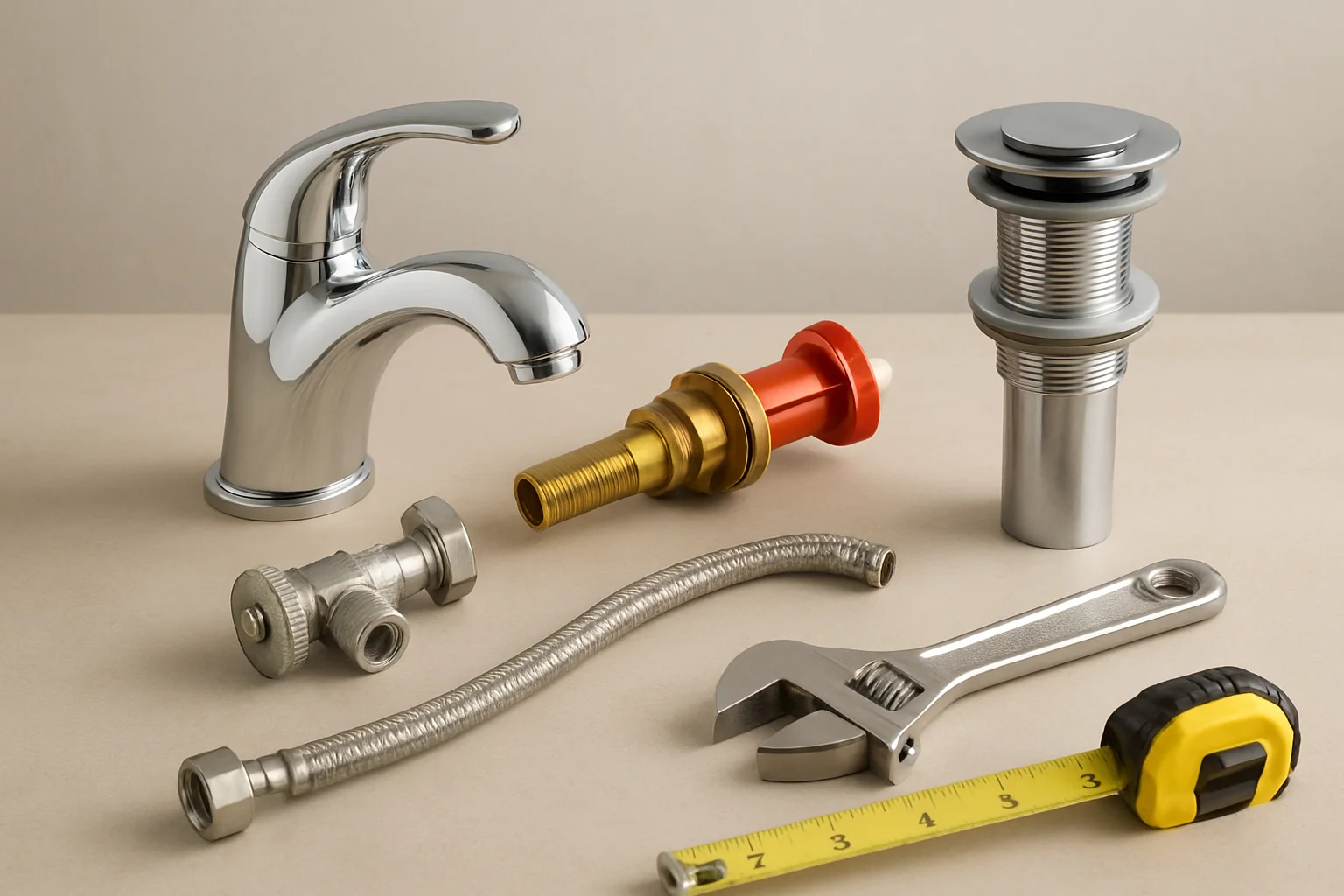
A plumbing fixture is any visible component connected to your water supply or drain system that you use regularly. Common examples include sinks, faucets, toilets, tubs, showers, shower valves, hose bibs, and sometimes garbage disposals or other connected sink components. Because these parts are used every day, they experience repeated mechanical stress. Handles are turned, valves are opened and closed, seals compress, finishes wear, and mineral deposits accumulate. Over time, even a quality fixture can lose efficiency or become difficult to maintain.
Homeowners sometimes assume a fixture only needs attention when it leaks visibly, but replacement may become the better choice for several other reasons. A fixture may be outdated enough that parts are hard to source. It may be incompatible with modern cartridges, trim kits, or efficiency expectations. It may have internal corrosion that is not visible from the outside. A professional can inspect the condition of the fixture and the connections behind it, then determine whether the issue is isolated or part of a broader plumbing concern. That evaluation is especially useful when a home has mixed-age plumbing, because one new fixture may not behave the same way as the older piping, shutoff valves, or supply lines around it. Knowing what the fixture does, how it is installed, and how it interacts with the rest of the plumbing system helps homeowners plan replacement instead of reacting to a failure at the worst possible time.
Signs a fixture may be nearing the end of its service life
Some fixture problems are obvious, but many show up as subtle changes in performance. A faucet that takes more effort to turn on or off can signal worn internal components. A toilet that needs frequent adjustments to stop running may have a failing fill or flush mechanism. A shower control that is difficult to balance may indicate wear inside the valve or issues with water flow. Stains, pitting, rust, loose mounting, and recurring drips are also worth noting. Even if the fixture still functions, a pattern of repeat issues often suggests that replacement may be more practical than continued repairs.
Homeowners in Northwest Florida should also pay attention to conditions around the fixture. Soft spots in flooring near a toilet, discoloration around a sink base, or persistent moisture near a tub can mean water has been escaping over time. That does not automatically mean the fixture itself is the only problem, but it does mean the area deserves a closer look. Professional assessment matters because some symptoms come from the fixture, while others come from the supply line, drain connection, wax ring, valve body, or adjacent plumbing. A qualified plumber can separate surface-level wear from the underlying cause and recommend the most reliable next step. This prevents guesswork and helps homeowners avoid replacing a fixture when the real issue is a connection or component that also needs attention. The goal is not simply to install something new, but to solve the problem in a way that lasts.
How Northwest Florida weather affects fixture condition
Freeport homeowners live with weather patterns that can affect plumbing in ways that are not always obvious. High humidity can contribute to condensation and make it harder to notice slow leaks until damage has already started. Seasonal rainfall can increase demand on drainage systems and reveal weak points around sinks, tubs, and toilets. Coastal air can be hard on metal finishes and exposed components, especially if a fixture has already begun to corrode or its protective coating has worn thin. Over time, these conditions can shorten the useful life of parts that might last longer in a drier environment.
Seasonal planning is helpful because weather changes often change household water use. Guests during holidays, more frequent laundry in cooler months, or heavier kitchen use during gatherings can put additional stress on fixtures. In warmer months, outdoor faucets and hose connections may see more use for landscaping, washing, and general home care. Each of these patterns gives homeowners a chance to notice whether a fixture is performing normally or struggling under routine demands. A professional plumber can review the fixture’s current condition, check for signs of wear that are related to environment or use, and advise whether proactive replacement makes sense. In a place like Freeport, where weather and moisture are part of everyday life, staying ahead of fixture wear is often more practical than waiting for a dramatic breakdown.
Why seasonal planning helps homeowners avoid emergencies
Replacement planning is easier when it happens before a fixture fails completely. Emergencies tend to create rushed decisions, limited scheduling options, and more stress for everyone in the home. Seasonal planning gives homeowners time to compare options, consider how long a fixture has been in service, and address any related plumbing concerns at the same time. This is especially helpful when the fixture is part of a larger system, such as a bathroom vanity, shower surround, or kitchen sink with multiple connections. Planning ahead can reduce the chance of having to make fast decisions while water is shut off or damage is already underway.
In Northwest Florida, a practical seasonal approach often means checking fixtures before and after periods of heavier use or weather change. Before cooler months, homeowners may want to evaluate older toilets, sinks, and shower fixtures to make sure they are working consistently. Before hurricane season or during rainy periods, it is smart to assess any exposed or vulnerable fixtures, including hose bibs and exterior connections. A professional assessment can identify small issues that are likely to worsen under seasonal stress. The plumber may also note whether shutoff valves are operating properly, whether supply lines show age-related wear, and whether a replacement would improve overall reliability. Preventive fixture replacement does not have to be complicated. It simply means aligning maintenance with the rhythms of the household and climate so the home stays functional when it matters most.
The value of a professional assessment before replacement
A professional assessment is the most reliable way to decide whether a fixture should be repaired or replaced. Many homeowners can see the symptom, such as a drip or a loose handle, but cannot always identify the full cause. A plumber can inspect the visible fixture, the connections beneath it, the surrounding finish, and the related plumbing components to determine whether the issue is isolated or systemic. This matters because replacing a fixture without addressing the surrounding problem can leave the homeowner with the same concern later, only in a new location. A careful assessment helps avoid unnecessary work and improves the chance that the fix will last.
Professional evaluation also matters for compatibility. Not every new fixture fits every existing setup without adjustment. Hole spacing, supply line connections, drain alignment, mounting surfaces, and valve compatibility all affect whether replacement will be straightforward or more involved. A plumber can explain what is reasonable to replace, what should be inspected first, and what other parts may need attention during the same visit. That level of planning is especially helpful for homeowners who want to avoid disruption in a busy kitchen or bathroom. 850 Plumber serves homeowners in Freeport and the surrounding counties, and the value of calling a professional is not just convenience. It is the confidence that the fixture decision is based on actual system condition rather than guesswork, temporary fixes, or appearance alone.
Kitchen fixture replacement considerations
Kitchen fixtures work hard. Faucets are used for cooking, cleaning, filling pots, rinsing dishes, and handling general household tasks. Sink drains handle food residue and soap, and in some homes, accessories like sprayers or disposals add another layer of wear. When a kitchen faucet begins to leak at the base, lose pressure, or become difficult to operate, it may be more practical to replace it than to keep chasing small failures. The kitchen is often one of the most important rooms in the home, so reliability matters. A failing fixture can interrupt daily routines and create moisture problems inside cabinets if the issue goes on too long.
Before replacing a kitchen fixture, a plumber will usually consider more than the visible faucet. The sink cutout, deck thickness, supply valves, drain setup, and nearby cabinet condition all affect the final result. A professional can also identify whether the issue is really with the faucet or with mineral buildup, shutoff valves, or hidden leaks under the sink. Homeowners benefit from this kind of review because kitchen plumbing is often tightly packed and easy to damage if assumptions are made. Preventive planning is especially useful in kitchens that see frequent use for entertaining or family meals. If a faucet or sink component is nearing the end of its life, scheduling replacement before a breakdown can help keep the kitchen functional and reduce the risk of cabinet damage, mold concerns, or inconvenience during busy seasons.
Bathroom fixture replacement considerations
Bathrooms tend to reveal plumbing wear quickly because they are used multiple times a day, often by different members of the household. Toilets, lavatory faucets, shower controls, and tub fixtures all experience repeated use. A toilet that runs, rocks, or leaks at the base may not only be inefficient but may also damage the flooring or subfloor below it. A sink faucet that drips or has a corroded finish can become more than a cosmetic issue if water starts reaching the cabinet below. Shower fixtures can be especially important because temperature stability and dependable shutoff affect comfort and safety.
Bathroom replacement projects often benefit from a careful look at the whole fixture area rather than one component at a time. A plumber can evaluate the condition of the shutoff valves, supply connections, seals, caulking, and surrounding surfaces. If moisture has been present for a while, there may be hidden damage that should be addressed before a new fixture is installed. Homeowners should also consider how the bathroom is used. A guest bath may have lighter use, while a primary bath may see constant operation and wear. Professional assessment helps determine whether a repair will solve the problem or whether replacement is the more durable choice. In many cases, replacing an aging bathroom fixture before it fails outright is one of the easiest ways to reduce the chance of water damage and keep the bathroom dependable through the seasons.
Outdoor and utility fixtures deserve attention too
Indoor fixtures get most of the attention, but outdoor and utility fixtures can also create problems if they are overlooked. Hose bibs, laundry connections, utility sinks, and other exposed plumbing points are subject to sun, rain, humidity, and physical wear. In Freeport, those conditions can accelerate deterioration, especially when fittings are old or have already been repaired several times. A slow leak at an exterior connection may go unnoticed longer than an indoor leak, but it can still waste water and damage nearby surfaces or landscaping. Utility areas also matter because they often support household maintenance tasks and seasonal routines.
A professional plumber can inspect these less-visible fixtures and determine whether replacement is the best option. For example, a hose bib that no longer shuts off cleanly may be more than an inconvenience; it can become a recurring source of leaks. A laundry or utility sink fixture that has corrosion or poor flow may make the space harder to use. Because these fixtures often connect to lines that are not seen every day, homeowners may not realize how much wear has accumulated until a problem appears. A seasonal check is a practical way to identify issues early. It allows a plumber to assess exposed components, look for evidence of leaks or corrosion, and recommend a replacement plan before colder weather, heavy rainfall, or increased outdoor use puts more strain on the system.
Water efficiency and everyday performance
Replacing an old fixture is not only about stopping leaks. Newer fixtures may also offer better everyday performance in the sense that they deliver water more consistently, are easier to operate, and are designed to reduce waste. Homeowners do not need to focus on technical specifications to appreciate the benefits. A faucet that shuts off cleanly, a toilet that flushes reliably, or a shower that maintains a steadier temperature can make the whole home feel more comfortable and manageable. When a fixture has become inconsistent, replacement often restores a level of convenience that homeowners have been missing without fully realizing it.
A professional plumber can help homeowners think through how replacement affects function across the home. For example, a low-performing fixture may reveal pressure or flow issues that deserve a broader look. In some cases, a fixture replacement can be part of a smarter long-term maintenance plan because it reduces ongoing repair calls and helps prevent water waste from small, repeated leaks. The most important point is that efficiency and performance should be considered together. A fixture that looks fine but performs poorly may still be draining time, water, and patience. A professional assessment helps distinguish between cosmetic aging and genuine wear so the homeowner can decide whether replacement will improve daily life. That practical perspective is especially useful in homes where water use patterns change with the seasons, guest visits, or the demands of family life.
How to prepare for a replacement visit
Homeowners can make a fixture replacement visit go more smoothly by gathering a few simple details before the plumber arrives. It helps to note what the fixture is doing, when the problem started, whether it happens all the time or only occasionally, and whether any previous repairs have been made. If water has damaged cabinetry, flooring, drywall, or nearby trim, those observations are also useful. None of this requires technical knowledge. It simply gives the plumber a clearer picture of what has been happening so the assessment can focus on the right area. The more accurate the information, the easier it is to identify the correct solution.
It is also helpful to think about how the fixture is used every day. A seldom-used guest bath may have different needs than a heavily used family bathroom. A kitchen sink that handles frequent meal prep may require a different approach than a utility sink or bar sink. A professional can use those details to recommend a replacement plan that fits the household, not just the symptom. Homeowners should expect the plumber to inspect the fixture, explain what is being found, and discuss whether surrounding parts should also be addressed. That conversation is part of the value of professional service. It turns a simple replacement into a better maintenance decision. For homeowners in Freeport and across Bay, Walton, and Okaloosa counties, preparing a little in advance can make the process more efficient and can help ensure the new fixture performs well from day one.
Common mistakes homeowners can avoid
One common mistake is waiting too long to address a fixture that is obviously aging or repeatedly failing. A small drip or loose handle may seem harmless, but repeated neglect can lead to water waste and hidden damage. Another mistake is assuming every problem can be solved by swapping the visible part alone. Sometimes the issue lies in the shutoff valve, supply line, drain connection, or installation surface. Replacing a fixture without checking those parts can leave the underlying problem unresolved. Homeowners may also try to compare fixtures only by appearance, without considering how they fit the existing plumbing setup or how much use the fixture will receive.
A professional assessment helps avoid these pitfalls by looking at the whole picture. A plumber can identify whether the fixture should be repaired, refurbished, or replaced, and whether any related plumbing work is needed to support the new installation. That reduces the chance of repeated service calls or a new fixture that does not perform as expected. It also helps homeowners avoid hazardous do-it-yourself attempts on plumbing components that require proper handling and system awareness. The safest approach is usually to let a professional handle the diagnosis and the installation, especially when water damage, corrosion, or concealed wear may be present. When homeowners avoid rushed decisions and instead rely on informed evaluation, they are more likely to end up with a fixture that works properly and lasts longer in Northwest Florida conditions.
Building a seasonal fixture checklist for the home
A simple seasonal checklist can help homeowners stay ahead of plumbing fixture issues without making home maintenance feel overwhelming. Once or twice a year, walk through the kitchen, bathrooms, laundry area, and exterior connections and look for drips, rust, loose handles, slow shutoff, unusual noises, and visible moisture around fixtures. Check whether toilets rock, whether faucets operate smoothly, and whether any fixture has a finish or seal that appears worn. These observations are not a substitute for a plumber’s inspection, but they do help homeowners notice patterns early. When a problem appears more than once, that is usually a sign the fixture needs closer evaluation.
For homeowners in Freeport, seasonal planning can be tied to practical moments in the year rather than the calendar alone. Before hurricane season, after long periods of humidity, or ahead of holiday gatherings, it is smart to confirm that the most-used fixtures are dependable. If a fixture has a history of leaks, poor performance, or visible wear, schedule a professional assessment before the next busy period begins. 850 Plumber, part of veteran-owned A Superior Mechanical, serves Bay, Walton, and Okaloosa counties, including Freeport, FL, and can help homeowners decide whether a fixture should be repaired or replaced based on actual condition. For questions or to arrange service, call 850-258-3225. The goal is simple: keep the home comfortable, reduce the risk of water damage, and plan fixture replacements in a way that supports year-round reliability.
Explore related plumbing care
- Plumbing Fixture Replacement in Freeport, FL
- Pipe Replacement in Santa Rosa Beach, FL
- Plumbing Fixture Installation & Maintenance in Bay, Walton and Okaloosa Counties, FL
- Plumbing Replacement in Bay, Walton & Okaloosa Counties, FL
- Toilet Repair and Replacement in Bay, Walton and Okaloosa Counties, FL | 850 Plumber
- Water Heater Installation in Freeport, FL
Continue reading
- Water Line Replacement in Northwest Florida: Seasonal Planning and Preventive Care for Homeowners
- Water Heater Replacement in Santa Rosa Beach, FL: Preventive Care and Seasonal Planning for Northwest Florida Homeowners
- Water Heater Installation in Freeport, FL: Preventive Care and Seasonal Planning for Northwest Florida Homeowners
Talk with the 850 Plumber team for help with your home or business.