
Why plumbing issues deserve early attention in Northwest Florida
In Bay, Walton, and Okaloosa counties, plumbing systems face a mix of everyday wear and environmental conditions that can make small problems grow quickly. Salt air, humidity, heavy rain, shifting soil, and periods of high household demand all place stress on pipes, drains, fixtures, and water heaters. For homeowners, especially those managing a rental property or second home, it is important to recognize that plumbing trouble often starts as a subtle change rather than a dramatic failure. A slow drain, a faint odor, or a small stain on a ceiling may seem minor at first, but these are often the earliest clues that something is developing inside the system. Early recognition gives you more options and can help reduce disruption to the home.
Professional assessment matters because plumbing symptoms can look similar even when the underlying causes are very different. A dripping faucet may be caused by worn internal parts, water pressure issues, sediment buildup, or a problem elsewhere in the system. A recurring clog may be isolated to one fixture, or it may point to venting concerns, root intrusion, or a partially blocked main line. Without a careful evaluation, homeowners may focus on the visible symptom and miss the source. For property management situations, that can mean repeat service calls, tenant inconvenience, and greater risk of water damage. A trained plumber can evaluate the system as a whole, identify the likely cause, and recommend practical next steps based on the condition of the property.
How Northwest Florida conditions affect plumbing systems
Northwest Florida homes often deal with moisture-rich conditions that can influence plumbing performance in ways homeowners do not always see. Humidity can make it harder to notice small leaks because surfaces dry slowly, stains can blend into existing wear, and mildew may appear gradually. Heavy seasonal rain can also influence drainage around the property, particularly if the soil becomes saturated or if gutters and downspouts are not directing water away effectively. While these issues are not plumbing failures by themselves, they can make existing weaknesses more noticeable and can contribute to conditions that resemble plumbing trouble. A homeowner may notice dampness near a wall, reduced drainage, or musty odors and assume the source is obvious when the actual cause may require closer inspection.
Mineral buildup and sediment are also common concerns in many homes, and they can affect fixtures, water heaters, and lines over time. Faucets may lose flow, showerheads may spray unevenly, and water heaters may become less efficient or make unusual noises. In coastal and near-coastal areas, metal components can also be more vulnerable to corrosion, which can shorten the useful life of certain parts. These are not reasons to panic, but they are reasons to monitor the plumbing system carefully. A professional can distinguish between normal aging and early warning signs of a developing issue. That distinction is especially valuable for homeowners who want to avoid unnecessary replacement while still protecting the property from avoidable damage.
Warning signs that should not be ignored
The most useful plumbing warning signs are often the ones homeowners dismiss because the problem seems small. A single slow drain may not feel urgent, but repeated slow drainage in multiple fixtures can suggest a larger blockage or a venting problem. A toilet that occasionally runs or refills unexpectedly may indicate a worn internal component or a pressure issue. Gurgling sounds from drains, water hammer noises, and sudden changes in water pressure are also worth noting. These symptoms are not always emergencies, but they are signals that the system is telling you something. The key is to observe patterns: when the issue happens, whether it affects more than one fixture, and whether it is becoming more frequent.
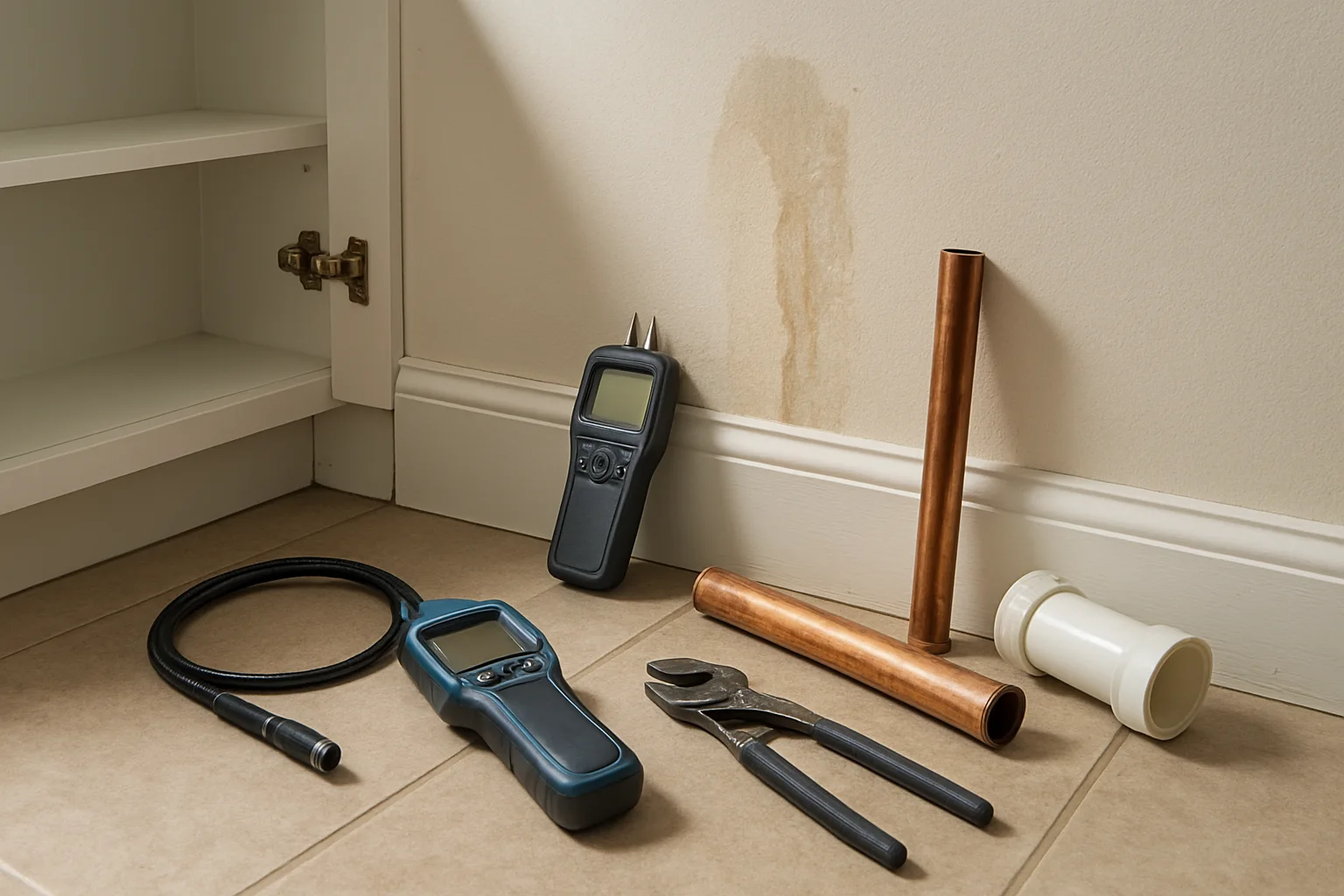
Other warning signs are easier to see but can still be underestimated. Water spots on ceilings, bubbling paint, warped baseboards, and damp cabinet bottoms can all indicate hidden leaks. A persistent musty smell may point to moisture trapped behind walls or under flooring. Discolored water, rust-colored staining around fixtures, or visible mineral deposits can suggest corrosion or buildup. In homes managed from a distance or used seasonally, these signs may remain unnoticed longer, which is why regular walkthroughs are so valuable. The sooner a homeowner involves a professional, the more likely the issue can be diagnosed before it spreads. A plumber can inspect visible fixtures and also check the parts of the system that are not easy to see, helping determine whether the warning sign is isolated or part of a broader concern.
Leaks that hide behind walls, ceilings, and cabinets
Hidden leaks are among the most important reasons to schedule a professional plumbing assessment. A leak behind a wall may start with only a faint odor, a soft spot in drywall, or a stain that seems to appear and disappear. Ceiling leaks may show up as discoloration, sagging texture, or paint changes that homeowners first attribute to humidity. Under sinks, a small leak can remain unnoticed until it damages shelving, encourages mold growth, or begins to affect the flooring. Because water follows the path of least resistance, the visible sign is often several feet away from the actual source. That is why simply looking at the stain is not enough to understand the problem.
Professional diagnosis focuses on tracing the source without causing unnecessary disruption. A plumber may inspect fixtures, supply lines, shutoff valves, visible piping, and surrounding surfaces to determine where the moisture is coming from. In some cases, the leak is straightforward, such as a loose connection or worn seal. In other cases, the cause may involve pressure-related stress or hidden pipe deterioration. For homeowners, the important point is that a leak should not be judged only by how small it appears. Even a slow leak can create structural damage over time. In property management settings, hidden leaks can also affect a tenant’s comfort and can lead to more complicated repairs if left unresolved. Early professional evaluation is the safest and most efficient way to protect the home.
Drain problems and what they may really mean
A clogged drain is one of the most common plumbing complaints, but not all clogs are the same. A single sink that drains slowly may be dealing with a local buildup of soap, grease, hair, or debris. When several drains in the home start acting up, however, the cause may be deeper in the system. Homeowners may also notice bubbling in a toilet when another fixture is used, or a faint sewer odor near drains. These signs can point to venting concerns or partial obstruction in the branch or main line. The visible symptom is usually just the first clue, not the whole story.
Professional assessment is important because repeated clogs can signal a condition that basic cleaning will not solve. A plumber can evaluate the layout of the drainage system, check for signs of poor flow, and determine whether the issue is isolated to one fixture or connected to the larger system. That can help prevent repeated temporary fixes that do not address the root cause. In coastal and humid regions, drain performance may also be affected by buildup that progresses gradually rather than suddenly. For homeowners, especially those responsible for rental or vacant properties, documenting the pattern of drainage issues can help a plumber diagnose the problem more efficiently. What matters most is not just clearing the clog, but understanding why it happened so the same issue does not keep returning.
Water pressure changes and what they can indicate
Changes in water pressure can be easy to ignore at first because many homeowners assume the issue is temporary. A shower that suddenly feels weak, a kitchen faucet that seems inconsistent, or multiple fixtures that lose pressure at the same time may indicate a supply-side issue. Sometimes the cause is simple, such as a partially closed valve or mineral buildup in an aerator. Other times, the pressure change may point to a leak, a failing component, or a problem with the home’s plumbing system as a whole. Because pressure problems can affect both comfort and system performance, they deserve careful attention. A home that has always performed well and then begins to show pressure changes is especially worth evaluating.
A professional plumber can determine whether the concern is localized or systemic. They may inspect fixtures for buildup, review the condition of shutoff valves, and consider whether there are signs of leaks or hidden restrictions. If the problem is spread across the home, that suggests a broader issue than a single fixture can explain. In property management situations, pressure changes are particularly important because tenants may report them in different ways, making the full pattern harder to see. One occupant may complain about the shower, while another notices the washing machine filling slowly. A plumber can connect those reports into one diagnosis. That kind of careful assessment helps homeowners avoid unnecessary replacement and focus on the specific cause that is actually affecting the property.
Noisy pipes, water hammer, and other sound clues
Unusual plumbing noises are often dismissed because the system still appears to be working. But sound can be a very useful diagnostic clue. Banging, knocking, humming, squealing, or rattling may point to loose piping, pressure fluctuations, worn parts, or flow issues. Water hammer, which can happen when water movement stops suddenly, is not just a nuisance; it may indicate that the system is under stress. Persistent noise during use, especially if it becomes louder over time, should be noted and shared with a plumber. Sounds can reveal how water is moving through the system and whether something is putting strain on the pipes or fixtures.
A professional diagnosis looks beyond the noise itself. The plumber may check mounting points, fixture components, pressure conditions, and the system’s response during normal use. In some cases, a sound is caused by a relatively simple part that needs adjustment or replacement. In other cases, it may indicate a condition that requires a broader system review. Because noises can travel through walls and floors, homeowners should not assume the sound is coming from the exact location where it is heard. That is another reason to rely on a professional rather than guessing. For homeowners in Northwest Florida, where homes may have varying ages and plumbing configurations, sound-based clues can be especially helpful in identifying issues before they escalate into leaks or broken components.
Odors, moisture, and indoor air concerns
A plumbing problem does not always start with visible water. Sometimes the first clue is an odor. Sewer-like smells, musty odors, or a stale damp scent near sinks, floor drains, bathrooms, or laundry areas can indicate that something is not functioning correctly. In some cases, the issue may involve a dry trap, a partial blockage, or poor venting. In others, it may suggest hidden moisture or a leak that has not yet become visible. Homeowners should pay attention to when and where odors appear, whether they come and go, and whether they are stronger after water use. These details can help a plumber narrow down the likely source.
Moisture concerns are especially important in humid regions because indoor conditions can mask how long a problem has been present. A minor leak under a vanity can create an odor before it becomes visually obvious. A damp cabinet or laundry wall can develop problems that look like normal humidity until a closer inspection reveals water intrusion. Professional diagnosis is the safest path because it helps separate plumbing-related moisture from other home issues. A plumber can inspect drains, traps, supply lines, and surrounding areas to determine whether the smell or dampness is related to the plumbing system. For property owners, this matters not only for comfort but also for protecting finishes, flooring, and interior air quality from ongoing exposure to hidden moisture.
What seasonal changes can reveal about a home’s plumbing
Seasonal patterns often make plumbing problems more noticeable. In cooler periods, homeowners may notice different water use habits, more frequent indoor faucet use, or changes in how long fixtures take to respond. During wetter seasons, drainage around the property can become more important, and moisture issues may become easier to spot. If a home sits vacant for part of the year, turning the system back on can reveal problems that went unnoticed while the property was empty. Stains, odors, or sluggish fixtures may be more visible after a period of limited use. These changes do not necessarily mean the plumbing has suddenly failed; they often reveal issues that were already developing.
For homeowners and property managers, seasonal checks are a practical way to stay ahead of problems. A professional plumber can assess fixtures, drains, and visible piping, then identify signs that may warrant closer attention. This is especially helpful in seasonal or rental properties, where different occupants may use the home in different ways. Heavy guest use, occasional vacancy, and changing weather can all affect the plumbing system differently. Rather than waiting for an obvious failure, a routine assessment can help identify wear, buildup, and emerging leaks before they interrupt the home’s normal use. That kind of proactive attention is one of the best ways to reduce surprises and keep the property ready for whatever the season brings.
Why property management plumbing needs a broader view
Plumbing care in a managed property is different from a one-time repair at a primary residence. A property manager or owner needs to think about repeat occupancy, tenant experience, documentation, and the long-term condition of the home. When a plumbing issue appears in one unit, one bathroom, or one side of the house, it may be tempting to address only the immediate complaint. But property management plumbing services are most valuable when they evaluate the full system and the patterns behind the complaint. Repeated service calls, similar symptoms in different rooms, and long-term wear all matter when deciding how to handle the property responsibly.
For homeowners who manage a rental or second home in Bay, Walton, or Okaloosa counties, professional diagnosis helps support better planning. A plumber can identify whether the issue is isolated, recurring, or likely to affect other areas of the home. That gives the owner a clearer picture of what needs attention now and what should be monitored over time. It also helps avoid misunderstandings when a problem is reported by occupants but the root cause is elsewhere. In practice, this means fewer guesswork repairs and more informed decisions. Good plumbing management is not just about fixing what is broken; it is about understanding the system well enough to reduce downtime, protect the home, and keep future issues from becoming emergencies.
What a professional plumbing diagnosis may involve
A professional plumbing assessment is most useful when it follows a clear process. The plumber begins by listening to the homeowner’s observations: what changed, when the issue started, which fixtures are affected, and whether the problem is constant or intermittent. That information helps establish a starting point. From there, the plumber may inspect visible fixtures, supply connections, drain behavior, shutoff valves, and nearby surfaces for signs of leaks, corrosion, or buildup. The goal is not simply to spot a symptom, but to understand the system well enough to identify the most likely cause. This careful approach is especially important when several symptoms overlap, such as noise, odor, and slow drainage.
Depending on the situation, a diagnosis may also include checking water pressure, testing fixture performance, and reviewing how the issue behaves during normal household use. In some homes, the concern may be a small, localized part failure. In others, the system may show broader signs of age or stress that require more planning. Professional assessment helps separate urgent issues from non-urgent ones and helps homeowners make informed choices. For property owners, that distinction can be especially valuable when coordinating access, documenting repairs, and deciding how to minimize disruption. A thorough diagnosis is ultimately about clarity: what is happening, what is causing it, and what level of response makes the most sense for the home.
How homeowners can document symptoms before calling
Homeowners do not need to diagnose the plumbing themselves, but they can provide useful information that helps the plumber work efficiently. Simple notes can make a difference. Write down which fixture is affected, what the symptom looks or sounds like, whether it happens all the time or only at certain moments, and whether other parts of the house are involved. If there is a leak or stain, note when it was first noticed and whether it has changed. If water pressure is part of the concern, record whether the issue affects hot water, cold water, one fixture, or several. These observations can help a plumber focus on the right area sooner.
Photos can also be helpful, especially for homeowners who are not on site full time. A picture of a stain, cabinet leak, or damaged area can give the plumber a clearer sense of urgency and location. Just as important, do not try to force a solution by opening walls or using harsh methods on drains. That can create more damage or make diagnosis harder. The safest approach is to gather information and then let a professional evaluate the system. In property management situations, a short record of the symptom history can also help track whether a problem is recurring. That kind of documentation supports better decision-making and gives the plumber more context for a professional assessment.
When to schedule service with 850 Plumber
If you notice recurring clogs, unexplained odors, water stains, pressure changes, noisy pipes, or any sign that moisture may be appearing where it should not, it is a good time to schedule a professional plumbing assessment. The earlier a problem is evaluated, the more likely it is that the cause can be identified before it becomes a larger repair. That is especially true for homes in Bay, Walton, and Okaloosa counties, where environmental conditions and seasonal use can make plumbing symptoms more complicated than they first appear. A timely inspection can help prevent water damage, reduce repeat issues, and protect the value and comfort of the property.
850 Plumber, part of veteran-owned A Superior Mechanical, serves homeowners in Bay, Walton, and Okaloosa counties, FL. For help with warning signs and professional diagnosis, call 850-258-3225. Whether the home is a primary residence, rental, or seasonal property, a careful plumbing evaluation can provide the clarity needed to decide what comes next. The goal is not to alarm homeowners; it is to help them recognize the signs that deserve attention and understand why professional assessment is the right next step. When plumbing concerns are handled early, homeowners are better positioned to protect their homes and avoid avoidable disruption.
Explore related plumbing care
- Property Management Plumbing Services in Bay, Walton and Okaloosa Counties, FL
- 24/7 Emergency Plumbing Services in Bay, Walton and Okaloosa Counties
- Clean Water Services in Bay, Walton and Okaloosa Counties, FL
- Clogged Drains & Pipe Cleaning in Bay, Walton & Okaloosa Counties
- Commercial Plumbing Services in Bay, Walton & Okaloosa Counties, FL
- Drain Cleaning & Maintenance in Bay, Walton and Okaloosa Counties, FL
Continue reading
- Repair or Replace? A Northwest Florida Homeowner’s Guide to Property Management Plumbing Decisions
- Property Management Plumbing Care for Northwest Florida Homes: Seasonal Planning, Prevention, and Professional Oversight
- Whole Home Water Purification Warning Signs and Professional Diagnosis for Northwest Florida Homes
Talk with the 850 Plumber team for help with your home or business.