
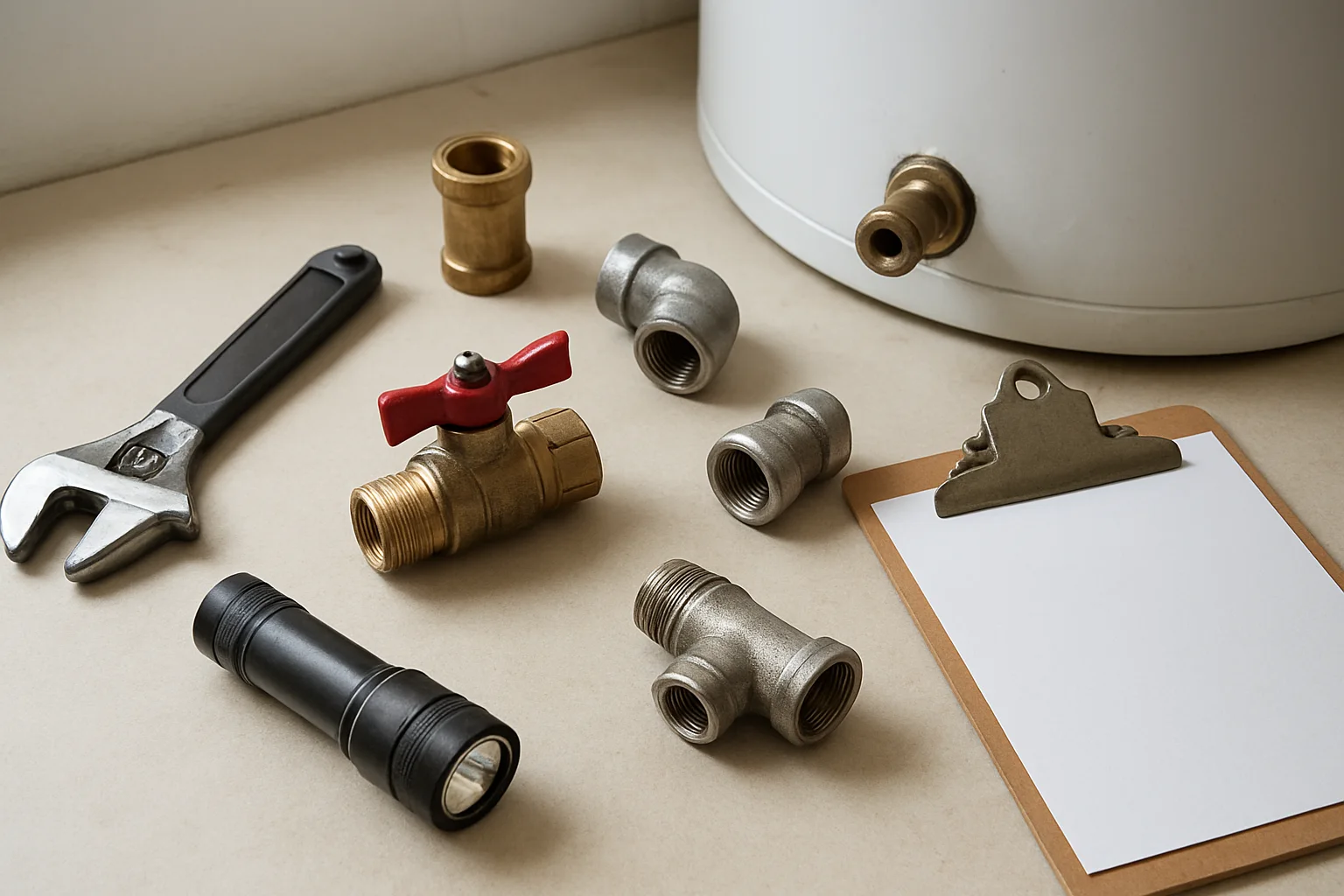
Why property management plumbing matters in Northwest Florida
Plumbing in Bay, Walton, and Okaloosa counties has to handle more than normal daily use. Homes in this part of Northwest Florida deal with humidity, heavy rain, salt air near the coast, sand intrusion, high water demand in rental and second-home settings, and periods when properties sit vacant. Those conditions make preventive plumbing care especially valuable. When plumbing is managed proactively, homeowners are less likely to face surprise leaks, slow drains, water heater issues, or moisture problems that can spread into walls, flooring, and cabinets before anyone notices.
Property management plumbing services are not only for large rental portfolios. They can also support owner-occupied homes, vacation properties, and seasonal residences where the owner wants a plan for inspection, maintenance, and response. For homeowners in the Panhandle, a practical plumbing schedule can help identify wear before it becomes expensive damage. A professional assessment can also help prioritize what needs attention now, what can wait, and what should be monitored across the year as weather and occupancy change.
What preventive plumbing care means for homeowners
Preventive plumbing care is the practice of checking systems before problems become emergencies. Instead of waiting for a drain to back up or a water heater to fail, a plumber looks for early signs of trouble: small leaks, corroded connections, unusual pressure changes, slow drainage, mineral buildup, and components that are nearing the end of their useful life. In a climate like Northwest Florida, that approach is especially useful because heat and moisture can accelerate deterioration in fixtures, hoses, seals, and exposed piping.
For a homeowner, preventive care is really about control. It helps reduce the chance of a sudden repair interrupting daily life or damaging flooring, drywall, or personal property. It also supports budgeting because planned maintenance is easier to manage than emergency service. A professional plumber can tailor a preventive plan to the age of the home, the material of the plumbing system, and how the property is used. A home occupied year-round may need different attention than a beach rental or a house left empty during part of the year.
How professional assessments protect the whole property
A thorough plumbing assessment looks beyond a single faucet or drain. A licensed professional typically evaluates visible supply lines, shutoff valves, drain behavior, fixture condition, water heater performance, signs of hidden leakage, and the general condition of plumbing-related areas. In homes with crawlspaces, attics, garages, or utility closets, those spaces can reveal early warning signs such as staining, corrosion, damp insulation, or insect activity related to moisture. The goal is to understand how the system is functioning as a whole.
That big-picture view matters because plumbing problems often interact with other parts of the home. A slow, unnoticed leak can affect flooring, trim, cabinetry, and indoor air quality. Poor drainage can create odor issues or encourage clogs to recur. Water heater issues can raise utility costs or leave a property without reliable hot water. A professional assessment helps homeowners make informed choices based on evidence instead of guesswork. It also gives property owners a clearer picture of what is urgent, what is routine maintenance, and what should be scheduled before the next seasonal change.
Seasonal planning in Bay, Walton, and Okaloosa counties
Northwest Florida weather shapes plumbing needs throughout the year. Even though the region does not face the same winter conditions as northern states, seasonal shifts still matter. Heavy rain, tropical systems, humidity, and temperature swings can all stress plumbing and drainage. A seasonal plan helps homeowners prepare before weather turns severe and recover more quickly afterward. It is also helpful for properties that see more guests or renters during certain months, when plumbing is under heavier use.
A good seasonal plan might include checks before hurricane season, inspections after major storms, and routine review before vacation or rental occupancy changes. Homeowners can also use the change of seasons as a reminder to inspect visible plumbing, confirm that shutoff valves work, and note any odors, moisture, or drainage changes. Professional service can be scheduled around those transitions so issues are caught early. The point is not to overreact to every small symptom, but to create a dependable rhythm of observation and maintenance that matches the climate and the way the home is used.
Spring and early summer: getting ahead of humid weather and heavy use
Spring is a good time to prepare plumbing systems for increased humidity and the approach of storm season. In many Northwest Florida homes, this is when outdoor spigots, irrigation connections, laundry use, and guest occupancy begin to rise. A professional plumber can check for dripping faucets, weak supply hoses, loose toilet components, and drainage concerns that may worsen once the house is in more frequent use. For homes near the coast, spring is also a useful time to look closely at corrosion on exposed fittings and fixtures.
Early summer planning should also focus on prevention before storms arrive. Homeowners benefit from confirming that main shutoff locations are known and accessible, drain behavior is normal, and water heater performance is consistent. If a property has been vacant during the off-season, a professional assessment can verify that everything still operates correctly after a period of reduced use. This is especially important for vacation homes and rentals where a small issue can become a larger problem quickly once occupancy increases. The key is to address wear before the most demanding part of the year begins.
Hurricane season readiness and plumbing protection
During hurricane season, plumbing preparation becomes part of broader home readiness. Strong wind and rain can affect water intrusion, drainage, power supply, and access to the property after a storm. A homeowner cannot prevent severe weather, but can reduce vulnerability by making sure plumbing systems are in good condition beforehand. That includes looking for leaks around fixtures, checking exterior connections, and making sure vulnerable areas are not already compromised before a storm adds stress.
Professional plumbers can help identify plumbing-related risks that are easy to overlook. For example, a slow leak in a cabinet or under a sink may seem minor until heavy rain creates higher humidity and access to the home is disrupted. If a property uses a sump, lift station, or other specialized system, a professional assessment can help confirm whether service or monitoring is warranted. After a storm, inspection is equally important because drainage changes, hidden water intrusion, or debris-related issues can appear once the weather clears. A cautious, professional review is safer than trying to judge damage by appearance alone.
Fall maintenance before cooler nights and holiday occupancy
Fall is a practical time for a system-wide checkup. Even though winters in the Panhandle are mild, cooler nights and seasonal occupancy changes can reveal plumbing weaknesses that were easy to miss in summer. If the property will host visitors, seasonal renters, or extended family, plumbing demand may rise suddenly. That makes it wise to make sure fixtures, drains, and water heating equipment are functioning properly before the schedule fills up.
Fall maintenance is also helpful for homes that will be less occupied during the colder months. If a property may sit empty, homeowners should understand how to monitor it and what should be shut off or inspected in advance. A professional plumber can help assess whether a home needs fixture adjustments, insulation-related considerations, or attention to components that are more likely to fail after months of idle time. The value of fall planning is that it creates a buffer before the busy holiday period, when service delays are more inconvenient and plumbing failures are more disruptive.
Winter and vacation gaps: protecting homes that sit empty
Many Bay, Walton, and Okaloosa County homes are used seasonally or as second homes, which creates a different plumbing risk profile. When a home sits empty, minor issues can go unnoticed longer. A slow drip, a toilet problem, or a supply line leak may continue for days or weeks before it is discovered. If no one is present to notice odors, stains, or unusual meter movement, the problem may spread farther than it would in a fully occupied home. That is why seasonal monitoring and scheduled inspection are so important.
Professional property management plumbing services can help establish a routine for vacant or lightly used homes. That routine may include pre-departure checks, mid-season inspections, and return-to-use assessments. The goal is to verify that the system is stable before long gaps in occupancy and again when the house is brought back into regular use. A plumber can also advise homeowners on which plumbing components deserve extra attention based on age, material, and past problems. This is particularly helpful in coastal or high-humidity settings, where time itself can be part of the damage cycle.
Signs homeowners should never ignore
Some plumbing symptoms are easy to dismiss because the home still seems functional. But small warning signs often point to larger problems. Persistent dripping, slow drains, gurgling noises, repeated toilet issues, low water pressure in more than one fixture, musty odors near sinks or walls, and unexplained water stains all deserve attention. Even when the issue seems minor, it may signal a leak, blockage, pressure problem, or venting concern that requires professional diagnosis.
One of the most useful habits for homeowners is to treat changes as information. If a sink used to drain quickly and now does not, that is worth documenting. If hot water takes longer to arrive or the water heater makes unusual sounds, that should be evaluated. If a fixture that was stable last month now shows corrosion or dampness, that may indicate a failing connection or internal wear. A professional plumber can trace the cause without guesswork and determine whether the issue is isolated or part of a broader system concern. Early evaluation is often easier than waiting for an unmistakable failure.
Water heaters, fixtures, and supply lines in coastal climates
Water heaters and exposed plumbing components work hard in Northwest Florida conditions. Humidity, mineral content, and corrosion exposure can shorten the useful life of parts that may seem fine from the outside. Homeowners often notice problems only after hot water performance changes, a tank starts making noise, or a fixture begins to leak. A professional inspection can help evaluate whether the issue is maintenance-related, wear-related, or a sign that a larger replacement conversation is approaching.
Fixtures and supply lines also deserve regular attention because they are the points most often touched, moved, and used. Flexible hoses, shutoff valves, faucets, and toilet components can wear out gradually. In a coastal environment, metal parts may corrode faster, and seals can deteriorate from heat and moisture. A plumber can assess which components are still reliable and which should be monitored or replaced as part of a planned maintenance schedule. This kind of careful review helps homeowners avoid the common pattern of replacing parts only after a failure has already caused water damage or inconvenience.
Drain health and waste line prevention
Drain problems are among the most common plumbing frustrations, but they are often preventable. In homes with busy kitchens, multiple bathrooms, and frequent guests, drains can accumulate buildup over time. Hair, soap residue, food particles, grease, and foreign objects all contribute to slow drains and recurring backups. Preventive care focuses on identifying whether the problem is localized to one fixture or whether there may be a larger issue with the drain line or venting system.
A professional assessment is important because repeated clogs can point to more than simple buildup. In some cases, the line may have slope issues, root intrusion, or pipe deterioration. In others, a fixture problem may be making normal flow seem worse than it is. Homeowners should avoid aggressive DIY methods that can damage pipes or create a safety risk. Instead, a plumber can evaluate the full situation and recommend the most appropriate service. The benefit is not only clearing the current issue, but also understanding why it happened and what can reduce the chance of recurrence.
Why local property management support saves time and stress
Local plumbing support is valuable because regional conditions affect the kinds of problems homes develop and the speed at which they develop. A plumber serving Bay, Walton, and Okaloosa counties is familiar with coastal humidity, storm preparation needs, vacation property patterns, and the practical reality that many homeowners need responsive planning, not just emergency fixes. That local context helps shape a maintenance approach that fits the home and the season rather than relying on generic advice.
For homeowners, the biggest advantage of property management plumbing support is continuity. Instead of handling each symptom separately, the property can be cared for according to a plan. That means inspections can be timed before busy seasons, follow-up can be scheduled after storms, and equipment can be reviewed before problems become disruptive. It also helps homeowners coordinate service around travel, tenancy changes, or family schedules. With a clear maintenance record and a professional point of contact, the home is easier to manage and less likely to experience avoidable plumbing surprises.
Building a year-round plumbing care plan for your home
A strong plumbing care plan does not need to be complicated. It should include regular professional inspections, seasonal check-ins, awareness of warning signs, and a plan for what to do when something changes. Homeowners in Northwest Florida can benefit from creating a simple calendar that matches local weather and occupancy patterns. For example, spring can be used to prepare for humidity and storms, summer for weather readiness, fall for system review before holidays, and winter for vacant-property monitoring and return-to-use checks.
The most important part of the plan is consistency. A plumbing issue caught early is usually easier to manage than one discovered after water has spread through a home. Professional assessment supports that goal by confirming what is normal, what is wearing out, and what should be prioritized. For homeowners in Bay, Walton, and Okaloosa counties, preventive plumbing care is a practical way to protect the property, reduce stress, and keep the home ready for daily life, guests, and seasonal changes throughout the year. For service planning or questions, homeowners can contact 850 Plumber, part of veteran-owned A Superior Mechanical, at 850-258-3225.
Explore related plumbing care
- Property Management Plumbing Services in Bay, Walton and Okaloosa Counties, FL
- 24/7 Emergency Plumbing Services in Bay, Walton and Okaloosa Counties
- Clean Water Services in Bay, Walton and Okaloosa Counties, FL
- Clogged Drains & Pipe Cleaning in Bay, Walton & Okaloosa Counties
- Commercial Plumbing Services in Bay, Walton & Okaloosa Counties, FL
- Drain Cleaning & Maintenance in Bay, Walton and Okaloosa Counties, FL
Continue reading
- Leak Detection and Slab Leak Repair for Northwest Florida Homes: Prevention, Seasonal Planning, and Professional Assessment
- Whole Home Water Purification for Northwest Florida Homes: Preventive Care and Seasonal Planning
- Water Softening Services in Santa Rosa Beach, FL: Preventive Care and Seasonal Planning for Northwest Florida Homes
Talk with the 850 Plumber team for help with your home or business.