
Why reverse osmosis decisions matter in Northwest Florida
Reverse osmosis systems are popular with homeowners who want cleaner-tasting drinking water and an added layer of filtration at a kitchen sink or dedicated tap. In Bay, Walton, and Okaloosa counties, many households rely on these systems to help address concerns about taste, odor, sediment, and dissolved contaminants that can affect everyday water quality. Because a reverse osmosis system is made up of several working parts, a problem in one area can affect the whole system’s performance. That is why the choice between repair and replacement deserves careful thought rather than a quick guess.
For homeowners, the key question is not simply whether water is coming out of the faucet. It is whether the system is still doing its job efficiently, safely, and consistently. A unit that seems to work but produces low flow, poor taste, or excess noise may be signaling a minor issue, a maintenance need, or the beginning of broader system decline. A professional assessment helps determine which parts are worn, whether the membrane is still viable, and whether the unit is sized and configured properly for the home’s needs. That assessment is especially valuable in this region, where mineral content, seasonal use patterns, and humidity can all influence system life and performance.
How reverse osmosis systems work in a home
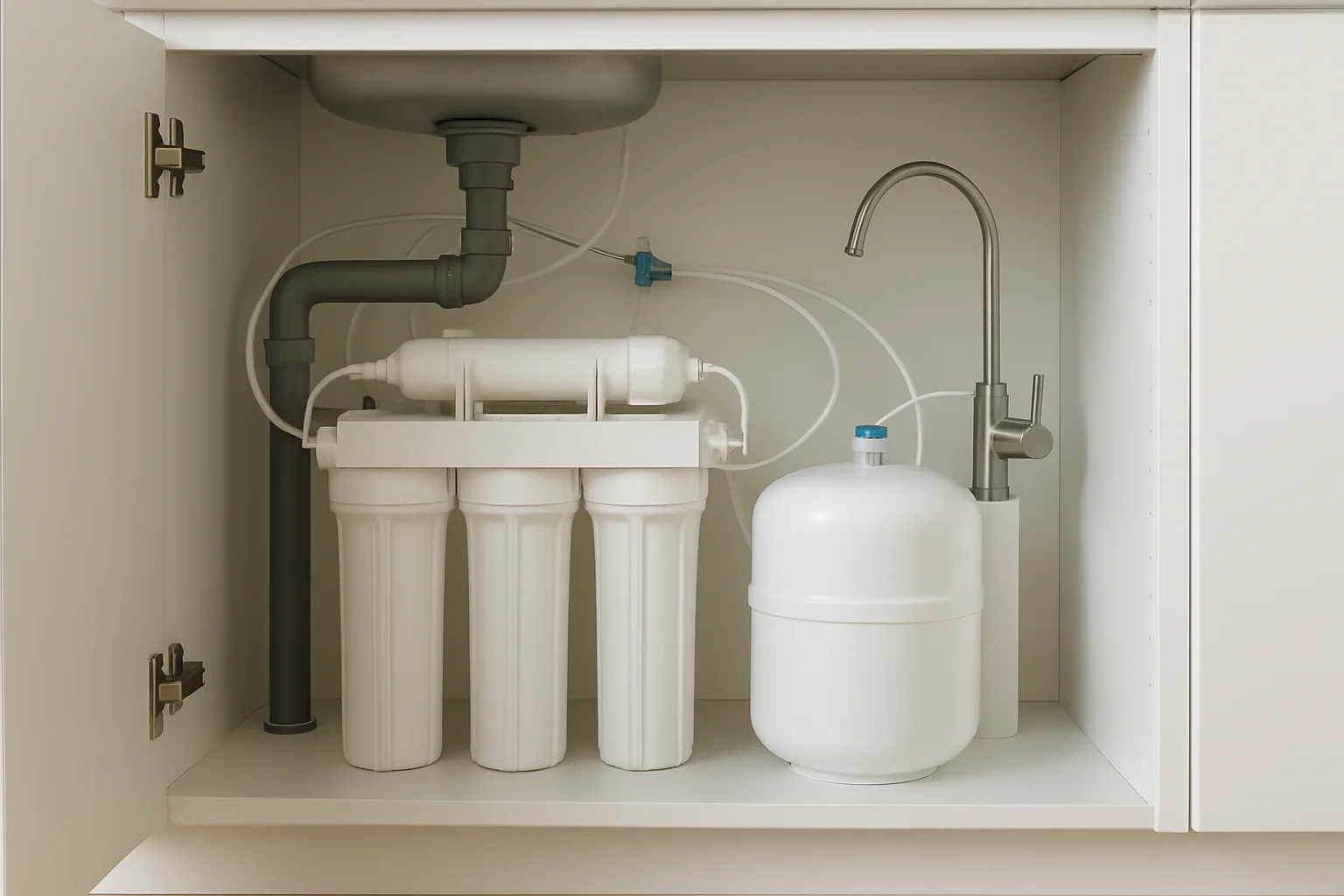
A reverse osmosis system typically uses multiple stages to filter water. Most setups include prefilters that catch sediment and protect the membrane, the membrane itself that removes a broad range of dissolved substances, and a storage tank that holds treated water for later use. Many systems also include a post-filter to improve taste before water reaches the faucet. Each of these parts has a role, and each can wear out at a different pace. This layered design is what makes reverse osmosis effective, but it also means that one failing component can lead to symptoms that look more serious than they are.
Because the system is designed as a sequence, not as one single part, a homeowner may notice changes in pressure, slower filling, or an off taste without knowing which stage is responsible. For example, a clogged prefilter can strain the membrane. A tired membrane can reduce water quality even if the tank still holds water. A bladder issue in the storage tank can make the faucet seem weak. Professional evaluation is important because it separates symptoms from causes. Rather than replacing a full system when one part needs attention, a trained plumber can test output, inspect components, and recommend the most practical next step for the home.
Common signs that call for a professional inspection
A reverse osmosis system often gives warning signs before it fails completely. Slow water flow from the dispenser, a tank that seems to refill more often than usual, frequent cycling, cloudy water, unusual taste changes, or a faucet that sputters can all suggest that the system needs attention. Some of these signs point to simple maintenance issues, while others suggest deeper wear. In Northwest Florida, sediment buildup and changing household water use can make these symptoms appear gradually, so they are easy to overlook until the system becomes frustrating to use.
It is also important to pay attention to leaks, dampness around fittings, and the sound of a system running longer than normal. A small leak can damage cabinetry or encourage mold growth under a sink, especially in a humid climate. At the same time, not every symptom means the system is beyond repair. A worn filter, loose fitting, or weakened tank may be correctable. The challenge for homeowners is that symptoms overlap. A professional assessment can compare water pressure, flow rate, component age, and visible wear to identify the real issue and avoid unnecessary replacement. In many cases, that inspection can also uncover whether the system simply needs service intervals restored.
When repair is often the smarter option
Repair is often the better choice when the reverse osmosis system is relatively young, properly sized, and otherwise well maintained. If the issue is limited to a clogged prefilter, a fouled post-filter, a faulty valve, or a storage tank that has lost pressure, a targeted repair may restore performance without replacing the entire unit. This approach is especially sensible when the system’s membrane is still healthy and the structure of the system is sound. The cost and inconvenience of replacing an entire setup are not always justified when one or two parts are the real problem.
Repair can also make sense when the system has been functioning well and the household simply needs routine service or a single component replacement. Homeowners who keep up with filter changes and respond quickly to warning signs often extend the life of the system significantly. A plumber can assess whether the system’s current parts are standard and available, whether the fittings are in good condition, and whether the unit still meets the home’s water usage needs. If the system was professionally installed and the parts are compatible, repair is often a practical and economical solution. The right decision depends on the overall condition of the system, not just one bad symptom.
When replacement may be the better long-term choice
Replacement becomes more attractive when the system is older, repeatedly problematic, or no longer meets household needs. If a reverse osmosis system has needed multiple repairs in a short span, the total cost and inconvenience can begin to outweigh the value of continued patchwork service. The membrane, tank, fittings, and filters all age over time, and an older system may struggle to keep up even after one issue is fixed. When the same complaints return again and again, replacement can provide a more stable solution.
A system may also need replacement if the home’s water conditions or usage have changed. Families sometimes use more drinking water than before, or they may want better performance, improved storage, or a different configuration under the sink. In some cases, older units are simply less efficient or more cumbersome to maintain. A professional can help determine whether the existing system still makes sense for the home or whether a new setup would be a more practical fit. Replacement is not always about a dramatic failure; it is sometimes about choosing a system that better matches current conditions, future maintenance expectations, and the homeowner’s comfort with reliability.
The role of water quality in Bay, Walton, and Okaloosa counties
Water quality in Northwest Florida can vary by location, source, and plumbing conditions, which is one reason reverse osmosis systems are common in the region. Some homeowners are mainly concerned with taste and odor, while others want additional filtration for dissolved substances or sediment that can affect drinking water quality. Even when water is considered acceptable, it may still leave a home with a less-than-ideal taste or mineral profile. A reverse osmosis system is often chosen because it provides a dedicated point-of-use solution for water used in cooking and drinking.
Local conditions also matter when deciding repair versus replacement. Sediment loading, pressure variation, and seasonal demand can all influence how quickly filters and membranes wear out. A system that performs well in one home may decline faster in another because of usage patterns or incoming water conditions. That is why a general guess is not enough. A professional assessment should include the water itself, the system’s condition, and the owner’s concerns. If the problem is tied to local conditions that have changed over time, replacing the unit with a better-suited setup may be wiser. If the problem is limited to wear from normal use, repair may still be the best option.
How professionals evaluate repair versus replacement
A proper assessment begins with a visual inspection of the system, but it should not end there. A plumber will typically look at the age and condition of the filters, membrane housing, tank, faucet, tubing, shutoff valve, and fittings. They may check for leaks, measure water pressure, assess flow at the faucet, and identify whether the tank is storing water correctly. This kind of evaluation helps distinguish between a maintenance issue, a part failure, and a broader system decline. Without that information, a homeowner may end up replacing more than necessary or delaying a replacement that would save frustration later.
The best decisions are based on evidence rather than assumptions. For example, low flow could be caused by a clogged prefilter, a membrane nearing the end of its service life, or a tank issue that reduces usable water volume. Water that tastes off might mean the post-filter needs replacement, but it can also suggest a membrane problem or contamination somewhere in the system. A plumber can also explain whether parts are still readily serviceable and whether the overall unit configuration is worth preserving. That professional guidance matters because reverse osmosis systems are not all built the same, and the most economical choice depends on the exact condition of the equipment.
Filter and membrane wear: what homeowners should know
The filters and membrane are at the center of reverse osmosis performance, so their condition has a major effect on whether the system should be repaired or replaced. Prefilters are meant to catch sediment and protect the membrane, which means they often wear out first. If filters are not changed on schedule, the membrane can be overworked and may decline sooner than expected. In that situation, a homeowner might believe the entire system has failed when the real issue is overdue maintenance. A professional can determine whether replacing the filters will restore function or whether the membrane has already lost enough capacity to justify a broader repair plan.
Membrane replacement can sometimes be a strong middle ground between minor service and full system replacement. If the rest of the system is in good condition, replacing the membrane and worn filters may solve the problem without removing the entire setup. However, if the housing, tank, or fittings are also nearing the end of their useful life, a membrane change alone may only delay the larger decision. A professional inspection is important because it looks at the whole system, not just one component. That approach helps homeowners avoid wasting money on parts that do not meaningfully improve performance or choosing a full replacement when a focused service would be enough.
Leaks, pressure problems, and storage tank issues
Leaks under the sink can be unsettling, but the source matters more than the sight of water alone. A loose fitting, aging tube, cracked housing, or worn seal may create a leak that can be corrected without replacing the whole system. On the other hand, if the leak involves multiple points or has already damaged nearby components, replacement may become more attractive. The same is true for pressure problems. Low pressure can come from clogged filters, a weak tank bladder, or insufficient incoming water pressure. Each of these causes points to a different solution, and guessing can lead to the wrong repair.
Storage tank issues are especially important because many homeowners assume the faucet is the problem when the tank is actually the weak link. If the tank cannot hold proper pressure or is no longer storing enough treated water, the system may seem slow or inconsistent even if the membrane is still functional. A professional can test the tank and determine whether it needs adjustment, repair, or replacement. This is also where an overall system review matters. If the tank is failing and the membrane is old, replacing both may be more sensible than making repeated service calls. The goal is not merely to restore water flow today, but to choose the option that is most reliable over time.
Cost, convenience, and long-term value
Homeowners often want a simple answer to the repair-versus-replacement question, but value is usually the better way to think about it. Repair may be the right choice when the issue is narrow, the system is still in good shape, and the fix is likely to restore dependable service. Replacement may be smarter when the system has become a recurring headache or when the parts that matter most are all nearing the end of their life. The cheapest option today is not always the most economical one over the next few years, especially if the same problem keeps returning.
Convenience also matters. Some homeowners prefer a quick service visit and targeted repair because it minimizes disruption. Others would rather replace an aging system once and reduce the likelihood of repeated issues. A plumber can help weigh those priorities against the condition of the equipment. They can also explain what maintenance will be needed after the work is done, since both repaired and replaced systems still require care. In the end, long-term value usually comes from matching the right solution to the system’s condition, the home’s water needs, and the homeowner’s expectations for reliability and upkeep.
Maintenance habits that extend system life
Good maintenance can make the repair-versus-replacement decision easier by helping a reverse osmosis system last longer and perform more consistently. Regular filter changes, timely service when performance changes, and periodic inspection of fittings and the storage tank all help protect the system. In many cases, homeowners do not realize a problem is developing until the water taste changes or flow slows noticeably. Staying ahead of those changes can preserve the membrane and reduce the chance of more serious failures. Maintenance is not just about following a schedule; it is also about responding to early signs before one issue affects another component.
In Northwest Florida, where humidity and under-sink conditions can be challenging, it is especially useful to keep an eye on dampness, cabinet condition, and the area around the system. If a home has hard use patterns or seasonal occupancy, the system may need attention even if it is not used every day. A professional can recommend a service plan based on actual conditions in the home, not a one-size-fits-all timeline. That makes it easier to know when a unit is simply due for routine care and when a deeper problem is developing. Thoughtful maintenance helps homeowners make a better decision because it preserves the evidence needed for an accurate assessment.
Why a professional plumber is the safest source of advice
Reverse osmosis systems may look simple from the outside, but they involve water pressure, sealed housings, valves, tubing, and sanitation concerns that are best handled by a professional. Trying to diagnose the problem by guesswork can lead to unnecessary part changes, persistent leaks, or an incomplete fix. A plumber experienced with water filtration can inspect the system, identify whether the issue is mechanical or related to water quality, and recommend repair or replacement based on the actual condition of the equipment. This is safer and more effective than trying to force a result from the wrong part of the system.
Professional evaluation is also important because it helps avoid hazardous do-it-yourself work. Opening pressurized housings, handling contaminated components, or making unverified plumbing changes can create more trouble than they solve. A trained plumber can perform the necessary checks with the right tools and explain the findings in plain language. That kind of service gives homeowners confidence that the recommendation is based on evidence and practical experience. For households in Bay, Walton, and Okaloosa counties, this matters because local water conditions, home age, and system design can vary widely. A professional provides a tailored recommendation rather than a generic answer.
How 850 Plumber can help Northwest Florida homeowners
850 Plumber, part of veteran-owned A Superior Mechanical, serves Bay, Walton, and Okaloosa counties with plumbing services that can help homeowners evaluate reverse osmosis concerns the right way. Whether the issue is reduced water flow, a taste change, a leak, or an older system that no longer seems dependable, a professional inspection can clarify whether repair or replacement is the better path. The goal is to identify the actual problem, explain the condition of the system, and help the homeowner choose a practical solution for the home. That kind of support is especially useful when the system’s symptoms are subtle or when multiple parts may be involved.
If your reverse osmosis system is no longer performing as expected, a careful assessment can prevent wasted time and unnecessary expense. Sometimes the best answer is a straightforward repair, and sometimes a replacement provides better long-term value. What matters is making the decision with accurate information. Homeowners in Bay, Walton, and Okaloosa counties can call 850-258-3225 to discuss concerns and schedule service. With the right professional evaluation, you can better understand your options and keep clean, reliable drinking water at the center of your kitchen routine.
Explore related plumbing care
- Reverse Osmosis Systems in Bay, Walton and Okaloosa Counties, FL
- Toilet Repair and Replacement in Bay, Walton and Okaloosa Counties, FL | 850 Plumber
- Leak Detection & Slab Leak Repair in Bay, Walton & Okaloosa Counties, FL | 850 Plumber
- Plumbing Repair in Bay, Walton and Okaloosa Counties, FL | 850 Plumber
- Plumbing Replacement in Bay, Walton & Okaloosa Counties, FL
- Sewer Repair & Maintenance in Bay, Walton and Okaloosa Counties, FL
Continue reading
- Plumbing Fixture Repair or Replacement: A Northwest Florida Homeowner Guide for Bay, Walton, and Okaloosa Counties
- Repair or Replace? A Northwest Florida Homeowner’s Guide to Plumbing Decisions in Bay, Walton, and Okaloosa Counties
- Water Heater Repair in Bay, Walton and Okaloosa Counties, FL: A Practical Homeowner Guide for Late-Fall Readiness
Talk with the 850 Plumber team for help with your home or business.