
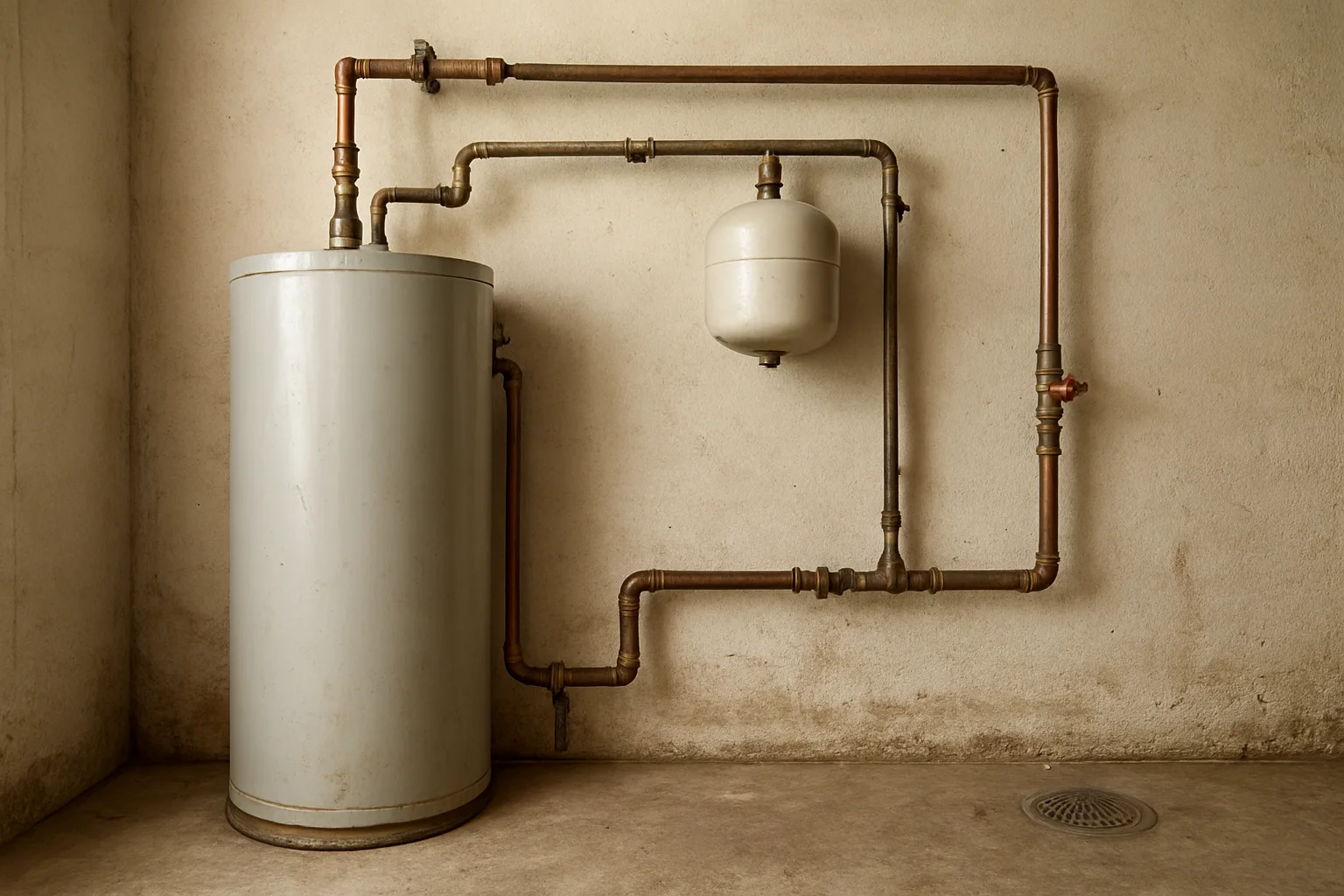
Why water heater problems deserve attention in Northwest Florida
A water heater is one of those home systems that tends to stay out of mind until the hot water suddenly disappears, the floor near the tank feels damp, or the utility bill looks different than expected. In Bay, Walton, and Okaloosa counties, homes face a mix of humidity, salt-tinged coastal air in some areas, mineral content in the water supply, and seasonal changes in household demand that can all affect water heater performance. Even when a unit is not visibly failing, small issues can build quietly over time, making it harder to predict when a repair will be enough and when replacement may eventually be needed.
For homeowners, the practical goal is not to become a technician. It is to recognize the signs that a water heater is moving away from normal operation and to understand what a professional assessment can reveal. A trained plumber can inspect the tank or tankless unit, identify whether the problem is electrical, gas-related, sediment-related, or plumbing-related, and recommend a solution based on the actual condition of the equipment. That kind of evaluation helps prevent unnecessary work and reduces the chance of overlooking a developing safety concern.
How local conditions can affect water heaters
Northwest Florida homes experience conditions that matter to plumbing equipment. Warm, humid weather can contribute to corrosion on external components and connections, while hard water or mineral content can contribute to sediment buildup inside tank-style heaters. In some homes, especially those that draw heavier seasonal use, a water heater may be asked to recover more often after showers, laundry, and dishwashing. That repeated cycling can expose small weaknesses that were not noticeable earlier in the year. These conditions do not mean every unit will fail quickly, but they do make regular attention worthwhile.
Because homes across Bay, Walton, and Okaloosa counties can vary widely in age, occupancy, and water usage, there is no single sign that tells the whole story. A homeowner might notice fluctuating water temperature in one house, while another household notices only a faint popping sound or slower recovery time. A professional plumber looks at the whole picture: age of the unit, visible wear, water quality, signs of corrosion, venting or electrical concerns, and whether the system still meets the household’s hot water needs. That broader view is especially useful when the symptoms seem minor but the underlying cause is not.
Common warning signs homeowners should not ignore
A water heater often gives hints before it quits completely. Inconsistent water temperature, reduced hot water supply, rusty or discolored water from the hot tap, unusual noises, moisture around the unit, or a sudden increase in the time it takes to heat water are all signs worth paying attention to. Sometimes the issue is obvious, such as a leak at a connection or a tripped breaker. Other times the symptom is more subtle, like hot water that runs out faster than it used to or a system that cycles on and off more frequently than normal. These changes can point to sediment, a failing thermostat, a worn heating element, or another component problem.
Homeowners should also notice the surroundings, not just the water itself. Dampness on the floor, rust on the bottom of the tank, corrosion around fittings, or a temperature and pressure relief valve that appears to have discharged can all signal trouble. None of these signs should be treated as routine simply because the heater is old. A professional inspection can help separate harmless wear from a developing issue that needs repair. Since a water heater stores hot water under pressure, the safest approach is to arrange an assessment when symptoms appear instead of waiting for a complete shutdown.
What strange sounds can mean
Banging, rumbling, popping, or crackling sounds from a tank water heater are common complaints, and they often point to sediment inside the tank. Over time, minerals can settle at the bottom and create a barrier between the heat source and the water. When water trapped under that layer heats and shifts, it can produce noise. That sound may seem minor at first, but it can reduce efficiency, increase strain on the system, and make the unit work harder than it should. A homeowner may simply hear the noise and assume it is normal aging, but a plumber can inspect whether the sound is due to sediment, expansion, a loose component, or another mechanical issue.
Not every noise means the heater is dangerous, but repeated or worsening sounds deserve attention. A professional evaluation can determine whether the tank is merely in need of maintenance or whether the interior condition suggests a deeper problem. In some cases, the service visit may reveal that the heater is still repairable, especially if the issue is related to a component rather than the tank itself. In other cases, heavy sediment, corrosion, or age may indicate that repairing the symptoms would only provide a short-lived fix. The important point is that the sound is useful information, not something to ignore.
Temperature problems and what they may suggest
If a water heater produces water that is too cool, too hot, or inconsistent from one fixture to another, the issue may involve the thermostat, heating element, gas control, mixing, or buildup inside the tank. Homeowners sometimes first notice this in the shower, where temperature swings are easy to feel. They may also notice that hot water recovery takes longer than it once did, especially after several back-to-back uses. That can be frustrating, but it is also diagnostic information. It tells the plumber something about how the system is performing under real household demand.
A professional assessment can check whether the unit is reaching the correct temperature, whether controls are functioning properly, and whether the home’s plumbing layout contributes to the problem. For example, a repair may be as simple as replacing a failing component, but the technician will also look for broader causes like sediment, scale, or a heater that is undersized for present usage. The goal is not to guess based on symptoms alone. It is to measure and inspect so the homeowner gets a fix that addresses the actual problem rather than a temporary workaround.
Leaks, moisture, and corrosion around the tank
Any visible moisture around a water heater should be taken seriously, even if it seems small. Some leaks come from loose connections or nearby plumbing, while others indicate that the tank itself is deteriorating. Rust on the exterior, corrosion at the base, or water pooling near the unit can all signal conditions that should be inspected promptly. In a garage, closet, attic, or utility area, a leak may also affect surrounding materials before the homeowner notices the source. Because water can travel, the visible dampness may not be exactly where the problem begins.
A plumber’s assessment can distinguish between a repairable fitting issue and a tank failure that cannot be safely repaired. That distinction matters because a homeowner might assume the unit only needs a small adjustment, when in reality the tank has begun to corrode internally. The technician can also determine whether the leak is coming from the temperature and pressure relief valve, drain valve, supply connection, or another component. Knowing the source is essential before any repair plan is made. For homeowners, the practical takeaway is simple: moisture is not a detail to watch casually. It is a reason to schedule professional inspection.
When hot water quality changes
Discolored hot water, metallic taste, or cloudy water can make a homeowner wonder whether the water heater is to blame. In some cases, the cause is sediment or internal corrosion in the tank, especially if the hot water is affected more than the cold water. Rusty water can appear after the system has been unused for a time or when a component inside the heater is deteriorating. While these symptoms do not automatically mean the heater is at the end of its life, they do indicate that something inside the system deserves attention from a professional.
A plumber can evaluate whether the issue is isolated to the heater or whether it reflects a broader water quality concern in the home. That distinction matters because the solution may be different depending on the cause. If the problem is sediment accumulation, servicing the heater may restore better performance. If the tank or internal parts are corroding, repair may be less practical. A homeowner should avoid assuming that water discoloration will clear on its own. Professional diagnosis is the most reliable way to identify whether the source is the heater, the plumbing, or both.
Tankless water heater repair considerations
Tankless water heaters have different needs than storage-tank models, but they can still develop performance problems. Homeowners may notice fluctuating temperature, reduced flow, error indicators, or difficulty keeping up with household demand. Because tankless units heat water as it passes through the system, issues can show up as inconsistent delivery rather than a total loss of hot water. In a busy household, that inconsistency can feel like the system is failing even when the cause is specific and repairable. Mineral buildup, venting concerns, ignition problems, or sensor issues are among the possibilities that a professional may investigate.
A proper assessment is especially important with tankless units because the visible symptoms do not always point clearly to the source. A plumber can review the unit’s condition, verify whether the problem is related to installation, maintenance, scale, or a component fault, and recommend the most appropriate next step. Homeowners should not rely on guesswork or repeated resets to solve a recurring issue. If a tankless heater is underperforming, the best path is a full evaluation that considers the appliance, the water quality, and the household’s usage patterns together.
Why professional diagnosis is better than trial and error
Water heaters can present similar symptoms for very different reasons. Lukewarm water might stem from a thermostat problem, a heating element failure, sediment buildup, a gas control issue, or simply a heater that can no longer keep up with demand. A homeowner trying to solve the issue by guesswork may end up replacing a part that was not the real cause. Professional diagnosis reduces that risk because the plumber can inspect the unit, test performance, and evaluate whether the symptom matches the underlying condition. That approach saves time and usually leads to a more dependable repair plan.
Professional assessment also matters for safety. Water heaters involve pressurized hot water, and some models involve electrical or gas components that should be handled with care. A plumber trained to work on these systems can identify issues that are not obvious from the outside, including venting concerns, failing valves, electrical faults, or internal corrosion. Homeowners do not need to diagnose everything themselves; they only need to notice changes early and call for help before a small issue becomes a more disruptive one.
What to expect during a service visit
When a homeowner schedules water heater repair, the visit usually begins with questions about the symptoms: when they started, whether the problem is constant or intermittent, and whether anything has changed recently in the home. The plumber may then inspect the unit, nearby plumbing, valves, visible connections, and signs of corrosion or leakage. Depending on the heater type, the assessment may also include testing temperature output, checking controls, looking for sediment-related issues, or verifying whether the equipment is operating as intended. The goal is to identify the cause before deciding on repair.
A useful service visit is not just about replacing parts. It is about understanding the condition of the system and explaining the options in plain language. Sometimes the issue is straightforward and repair can restore normal function. Other times the evaluation may show that the heater is significantly worn or that multiple components are affected. Homeowners benefit from that clarity because it helps them make informed decisions. Rather than reacting to the symptom alone, they can understand the system’s actual condition and the reasoning behind the recommended repair path.
How homeowners can help prevent future problems
While homeowners should not attempt hazardous repairs, they can still help their water heaters perform better by paying attention to the system’s environment and operation. Keeping the area around the unit clear, noticing moisture early, and being aware of changes in water temperature or pressure can make a big difference. In homes with higher mineral content in the water, routine professional maintenance can help address sediment before it creates noisy operation or performance problems. Regular professional evaluation is especially helpful when the heater is older or the household relies heavily on consistent hot water.
Another practical step is to avoid treating performance changes as normal just because the unit still produces some hot water. A heater that seems mostly fine may still be building sediment, corroding, or losing efficiency. Catching those issues early can extend useful service life and reduce the chance of an untimely failure. Homeowners in Bay, Walton, and Okaloosa counties often deal with conditions that are easy to overlook until the system has already been strained. Staying observant and arranging prompt professional service when something changes is the most reliable preventive habit.
Choosing timely local help from 850 Plumber
When a water heater starts showing warning signs, timing matters. Waiting too long can turn a manageable repair into a larger problem, especially if the unit begins leaking or stops producing hot water at the least convenient moment. For homeowners in Bay, Walton, and Okaloosa counties, having a local plumbing resource matters because the service needs are shaped by the area’s homes, climate, and everyday usage patterns. A local professional can evaluate the situation in context rather than treating every symptom as isolated.
850 Plumber, part of veteran-owned A Superior Mechanical, serves Bay, Walton, and Okaloosa counties, FL. Homeowners who notice water heater concerns can call 850-258-3225 to request professional help with assessment and repair. The practical value of local service is straightforward: a trained plumber can identify the source of the problem, explain the options, and recommend the next step based on the actual condition of the heater. For an evergreen homeowner guide prepared for seasonal coverage, the most useful takeaway is simple: if your water heater is making noise, leaking, delivering inconsistent hot water, or showing corrosion, professional inspection is the safest and most reliable next move.
Explore related plumbing care
- Water Heater Repair in Bay, Walton and Okaloosa Counties, FL
- Water Heater Services in Bay, Walton & Okaloosa Counties, FL
- Clean Water Services in Bay, Walton and Okaloosa Counties, FL
- Leak Detection & Slab Leak Repair in Bay, Walton & Okaloosa Counties, FL | 850 Plumber
- Plumbing Repair in Bay, Walton and Okaloosa Counties, FL | 850 Plumber
- Sewer Repair & Maintenance in Bay, Walton and Okaloosa Counties, FL
Continue reading
- Reverse Osmosis Repair or Replacement: A Northwest Florida Homeowner Guide for Bay, Walton, and Okaloosa Counties
- Repair or Replace? A Northwest Florida Homeowner’s Guide to Plumbing Decisions in Bay, Walton, and Okaloosa Counties
- Plumbing Fixture Repair or Replacement: A Northwest Florida Homeowner Guide for Bay, Walton, and Okaloosa Counties
Talk with the 850 Plumber team for help with your home or business.