
Why Reverse Osmosis Matters in Northwest Florida Homes
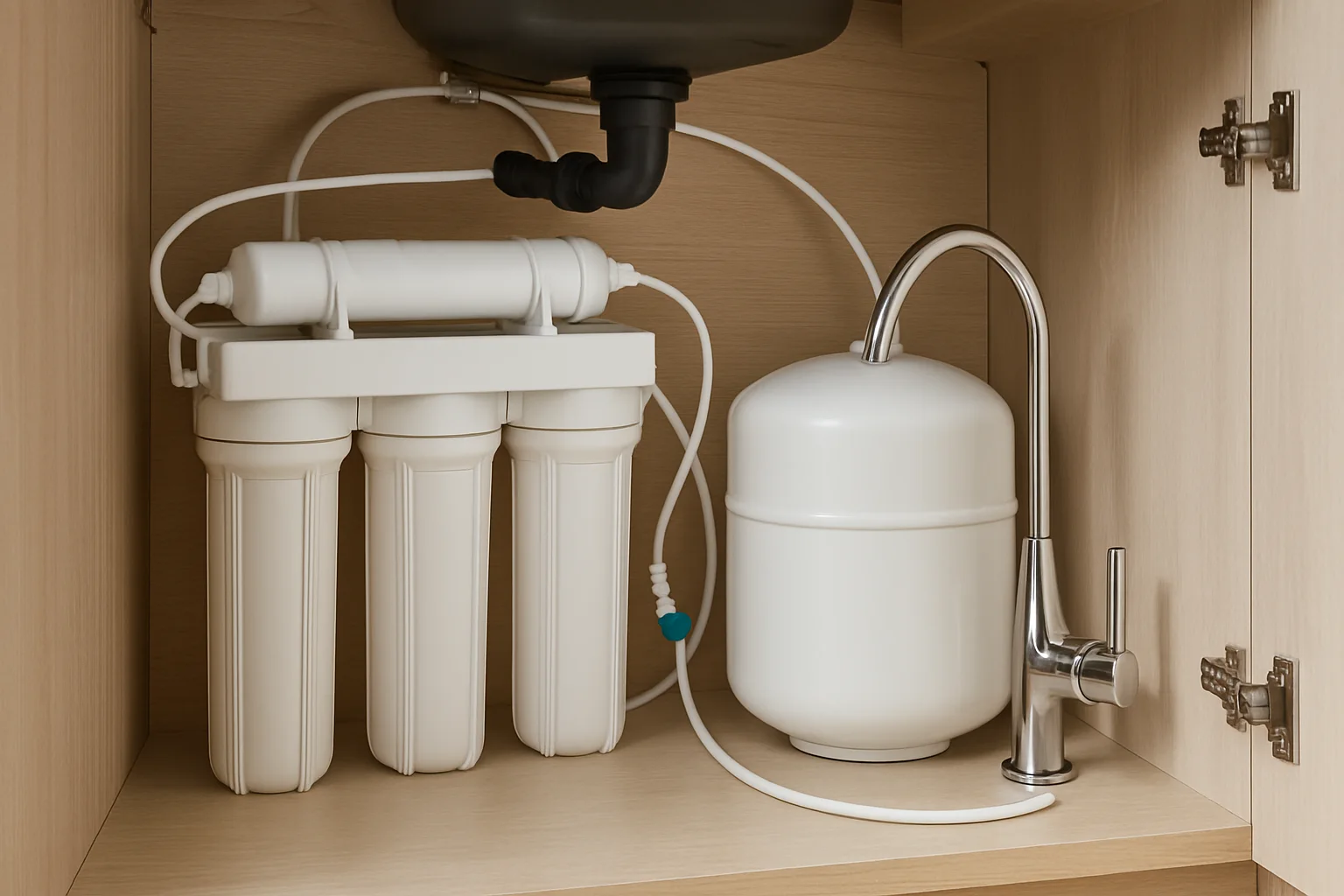
Reverse osmosis systems are a common choice for homeowners who want cleaner-tasting water at the kitchen sink or another point of use. In Bay, Walton, and Okaloosa counties, many families use RO systems to help reduce dissolved solids, improve taste, and provide an added layer of filtration for drinking and cooking water. Because these systems work by pushing water through a semipermeable membrane and several pre- and post-filters, they can be very effective when maintained properly. When they are not, the symptoms often show up gradually and can be easy to ignore until water quality changes become obvious.
Northwest Florida homes face a mix of conditions that can affect how an RO system performs. Water quality can vary by source, plumbing age, fixture use, and household demand. Seasonal humidity, extended periods of high water use, and sediment movement in plumbing can also affect filters and membrane life. That is why warning signs should be taken seriously rather than assumed to be a minor inconvenience. A professional assessment can help determine whether the issue is simple filter wear, pressure loss, tank trouble, a membrane problem, or something in the home’s plumbing that is influencing the system.
What a Reverse Osmosis System Is Designed to Do
A residential reverse osmosis system is designed to improve water quality at a specific tap by forcing water through multiple stages of treatment. Most systems include sediment and carbon filtration before the membrane, the membrane itself, and often a final polishing filter after the storage tank. The goal is not to treat every water issue in the home, but to create a dependable drinking water source at one point of use. Because the process depends on pressure, flow balance, and clean components, small problems can have a noticeable effect on performance.
Homeowners sometimes expect an RO system to behave like a set-and-forget appliance, but it is actually a connected system with several parts that must work together. Storage tank pressure, feed water pressure, filter age, drain flow, membrane condition, tubing integrity, and faucet operation all matter. If any of these parts drift out of range, you may notice slow production, odd taste, or water that does not seem as clean as before. Understanding the system’s purpose helps homeowners notice when it is no longer performing as intended and seek a professional diagnosis before the issue spreads or worsens.
A Sudden Change in Taste or Odor
One of the most common warning signs is a change in taste or odor from the RO faucet. Water that once tasted neutral may begin to taste flat, metallic, bitter, or slightly sour. Some homeowners also notice a stale or musty smell. These changes do not always mean the water is unsafe, but they do suggest that something in the treatment sequence is not working as expected. A worn carbon stage, exhausted membrane, or storage tank issue may allow treated water quality to decline.
Taste and odor changes can also reflect plumbing conditions outside the RO unit itself. A faucet aerator, line contamination, cross-connection issue, or stagnant water in a branch line can create a misleading symptom. In some homes, the issue only shows up after the system has sat unused for a while, which can make it hard to know whether the problem is with the RO components or with the way the water is being delivered. A professional technician can isolate each part of the system and distinguish between normal first-draw water and a true treatment problem. That kind of diagnosis is safer and more reliable than guessing based on taste alone.
Water Flow That Becomes Slow or Inconsistent
A noticeable drop in flow from the RO faucet is a strong sign that the system needs attention. Homeowners may find that filling a glass takes much longer than before, or that flow starts strong and then weakens. In other cases, the faucet may sputter or output may be inconsistent from day to day. Because RO systems rely on a pressure differential to move water through the membrane, any restriction in the process can reduce performance. A clogged prefilter, aging membrane, low household pressure, or partially blocked tubing can all be possible causes.
Slow flow is also a helpful clue because it tells a professional where to begin the diagnostic process. The issue may be as simple as filter replacement, but it may also involve the storage tank losing proper air charge, a failing check valve, or an undersized or damaged component. The right diagnosis matters because replacing a filter without checking the rest of the system may not solve the problem. In homes across Bay, Walton, and Okaloosa counties, professional evaluation helps prevent repeated service calls and helps ensure that the system is matched to the household’s actual water use and pressure conditions.
Bad-Tasting Water After Filter Changes
Homeowners sometimes assume that any change after a filter replacement means the new filter is defective, but that is not always the case. New filters can temporarily affect taste if carbon fines or trapped air are present, and some systems need a brief flushing period after service. However, if the taste remains off after the initial period, the problem could point to membrane performance, improper installation, a missed O-ring, or an issue in the storage tank or faucet line. The system may not be sealing correctly, which can allow water to bypass intended treatment stages.
A professional assessment is valuable because the cause is not always visible. A technician can inspect the installation sequence, check for leaks at connection points, confirm whether the membrane housing is seated properly, and determine whether the system needs a flush or a deeper repair. Homeowners should avoid assuming that taste changes will simply go away on their own. When the change persists, it may be a sign that the system is not producing the level of treatment expected, especially if the filters were changed but the core symptom did not improve.
Leaks, Dampness, or Unexplained Moisture Under the Sink
Any moisture under or around the sink should be treated as a warning sign, even if it appears minor. RO systems have multiple tubing connections, housings, a tank, and a faucet, which means there are several points where leaks can develop. A small drip may seem harmless at first, but over time it can damage cabinetry, encourage mold growth, or affect nearby plumbing parts. In humid Northwest Florida, moisture problems can become more frustrating because they may go unnoticed until the damage is already underway.
Leaks are not always obvious. Some homeowners notice a damp cabinet base, a swollen shelf, mineral marks around fittings, or a slow loss of pressure in the tank without seeing active dripping. A professional diagnosis can trace the source of the moisture and determine whether the issue is a loose fitting, worn seal, cracked housing, failed tank bladder, or another component. Because pressure and water pathways are part of the problem, simply wiping away the water does not address the cause. The safest approach is to have the system evaluated promptly so a small leak does not become a larger repair or cause damage to the surrounding plumbing and cabinetry.
Low Tank Pressure or a Storage Tank That Seems Empty
Many homeowners notice an RO problem because the storage tank seems to run out too quickly. Water may come out slowly at first, then stop sooner than expected, or the tank may never seem to fill fully. This can happen when the tank air charge is off, when the membrane is not producing enough purified water, or when a valve or internal component is restricting normal storage and delivery. A tank issue can make the entire system feel unreliable even if some parts are still functioning.
Because the tank plays a central role in day-to-day use, diagnosing tank problems requires more than a quick visual check. A technician may need to test system pressure, compare inlet and outlet behavior, verify whether the tank is accepting water correctly, and determine if the issue is with the tank itself or a connected component. It is not unusual for symptoms that feel like a tank failure to actually begin upstream with clogged prefilters or a membrane that is no longer performing well. Professional assessment helps prevent unnecessary replacement and helps ensure the actual root cause is addressed.
More Frequent Filter Changes Than Expected
If filters seem to clog much sooner than they should, that is often a sign of a larger water or plumbing issue. Sediment filters that load up quickly may be catching more particulate matter than usual, which can happen when source water conditions change or when plumbing inside the home is contributing debris. Carbon filters that lose effectiveness quickly may be dealing with unusual chlorine exposure, heavy use, or upstream water quality problems. Frequent replacement can be a clue that the system is being asked to work harder than it was designed to do.
This is one area where professional diagnosis is especially helpful. A homeowner may see the short filter life as a maintenance inconvenience, but a plumber can help determine whether the filter is doing its job too aggressively because of excessive sediment, pressure fluctuation, or a mismatch between system capacity and household demand. If the issue is not identified, replacing filters over and over may become an expensive cycle without solving the underlying problem. In Northwest Florida homes, where water conditions and usage patterns vary, understanding why filters are wearing out is often more important than simply changing them again.
Air, Noise, or Gurgling That Was Not There Before
An RO system that begins making new sounds deserves attention. Homeowners may hear gurgling, whining, knocking, or a repeated hissing sound when the unit is filling or dispensing. Some noise can be normal during operation, but a new sound pattern often points to pressure imbalance, restricted flow, air in the line, or a problem with a valve or tank. If the system is unusually noisy, it may still be producing water, but not in the most efficient or reliable way.
The challenge is that noise can be misleading. A homeowner may assume a sound is coming from the faucet when it actually originates in the tank, drain line, or a loose connection hidden behind the cabinet. Professional diagnosis allows the technician to observe the system while it is operating, which is important because many pressure or flow issues only appear under load. This kind of live assessment is especially useful when the system seems to work sometimes but not others. Rather than trying to guess from sound alone, a proper inspection helps pinpoint whether the noise is a minor adjustment issue or an early indicator of a failing component.
When the Water Looks Different
RO water is typically clear, so visible changes should not be ignored. If the water appears cloudy, has floating particles, looks slightly discolored, or leaves an unexpected residue, there may be a problem somewhere in the system. Cloudiness can sometimes be caused by tiny air bubbles and may clear after a short time, but persistent changes in appearance deserve professional attention. Visible sediment or tint can suggest filter failure, membrane issues, or contamination within the storage or delivery components.
Homeowners should be careful not to jump to conclusions from appearance alone, because some changes are harmless while others are meaningful. For example, cloudiness right after the faucet is turned on may differ from cloudiness that remains after the water sits in a glass. A technician can determine whether the issue is in the RO system, in the faucet, or in the home’s plumbing supply. This distinction matters because an RO system may be functioning correctly while another part of the plumbing is creating the visual symptom. A professional diagnosis helps separate perception from actual system failure so the right repair can be made.
Why Professional Diagnosis Beats Trial and Error
Reverse osmosis systems involve pressure, seals, membranes, tubing, storage capacity, and drain behavior, which means many symptoms overlap. A slow flow could mean a clogged filter, but it could also mean low pressure, a tank problem, or a partially blocked line. A bad taste could point to an exhausted carbon stage, but it could also indicate a poor seal or another plumbing issue. When homeowners try to solve the problem by changing parts one at a time, they may spend time and money without knowing whether the root cause has been found. That is why professional diagnosis is so valuable.
A trained plumber can test the system in sequence and interpret the results in context. This includes checking water pressure, examining the housing and connections, evaluating tank function, and identifying whether the system is overdue for service or has a part that has failed. Professional assessment also helps ensure that any repair is appropriate for the household’s water needs and plumbing setup. For homeowners in Bay, Walton, and Okaloosa counties, that means less guesswork and a clearer path to dependable drinking water. It also helps avoid unsafe or damaging trial-and-error changes that could affect the broader plumbing system.
How a Plumber Diagnoses an RO System Step by Step
A proper diagnosis usually starts with a conversation about what changed, when it changed, and whether the symptom is constant or intermittent. The plumber may ask about taste, flow, noises, leaks, filter age, recent plumbing work, and whether the system has been unused for a period of time. From there, the unit is inspected visually and tested in operation. This helps narrow the problem to specific parts of the system rather than treating the entire unit as if every component were failing at once.
The inspection may include checking the prefilters, membrane housing, storage tank, pressure levels, tubing, shutoff behavior, and faucet output. In some cases, the system is evaluated alongside nearby plumbing to make sure the issue is not coming from the home’s supply or fixture connections. The value of professional diagnosis is not just in identifying what is wrong, but in ruling out what is not. That distinction helps homeowners make informed decisions about repair, maintenance, or replacement. It also supports a more durable solution because the root cause, rather than the symptom, is addressed first.
When to Call 850 Plumber for Help in Bay, Walton, and Okaloosa Counties
If your reverse osmosis system has a persistent taste change, reduced flow, leaks, new noises, cloudy water, or a tank that does not seem to work right, it is a good time to schedule a professional evaluation. These issues may seem small at first, but they often point to a component that needs service or a condition in the plumbing that should not be ignored. Waiting too long can lead to water quality frustration, cabinet damage, or a system that stops providing useful drinking water when you need it most.
850 Plumber, part of veteran-owned A Superior Mechanical, serves Bay, Walton, and Okaloosa counties, FL, and can help homeowners understand what their RO system is telling them. A professional diagnosis is the safest way to identify the real cause of the problem without guessing or creating new issues through trial and error. If your system is showing warning signs, calling 850-258-3225 can be the first step toward reliable, cleaner-tasting water again. Seasonal timing can be a useful reminder to check your system, but the need for service depends on the condition of the unit and the symptoms you are seeing, not on a publication date.
Explore related plumbing care
- Reverse Osmosis Systems in Bay, Walton and Okaloosa Counties, FL
- 24/7 Emergency Plumbing Services in Bay, Walton and Okaloosa Counties
- Clean Water Services in Bay, Walton and Okaloosa Counties, FL
- Clogged Drains & Pipe Cleaning in Bay, Walton & Okaloosa Counties
- Commercial Plumbing Services in Bay, Walton & Okaloosa Counties, FL
- Drain Cleaning & Maintenance in Bay, Walton and Okaloosa Counties, FL
Continue reading
- Whole Home Water Purification Warning Signs and Professional Diagnosis for Northwest Florida Homes
- Water Softening Services in Santa Rosa Beach, FL: Warning Signs and Professional Diagnosis for Northwest Florida Homeowners
- Water Line Warning Signs for Northwest Florida Homeowners: When to Schedule a Professional Diagnosis
Talk with the 850 Plumber team for help with your home or business.