
Why sewer care matters in Northwest Florida
A home’s sewer system is easy to ignore until something goes wrong, but in Bay, Walton, and Okaloosa counties, local conditions can make sewer maintenance especially important. Heavy rain, shifting sandy soils, high groundwater in some areas, mature tree roots, and aging pipe materials can all contribute to problems that develop slowly and then appear suddenly. When wastewater cannot move the way it should, the result may be slow drains, recurring backups, odors, or even damage to flooring, walls, and landscaping. For homeowners, the value of preventive care is that it helps identify trouble before it becomes disruptive.
Seasonal planning is especially useful in Northwest Florida because the weather can change how sewer systems behave. Wet periods can reveal weak points in buried lines, while hot months can intensify odors and stress systems that are already partially blocked. Many sewer concerns start as subtle symptoms that seem minor at first, but a professional assessment can determine whether the issue is isolated to one fixture or whether the problem is deeper in the line. For homeowners seeking dependable local help, 850 Plumber, part of veteran-owned A Superior Mechanical, serves Bay, Walton, and Okaloosa counties and can evaluate sewer concerns with the goal of protecting the home and limiting avoidable damage.
How a home sewer system works
The sewer system in a typical home carries wastewater from sinks, tubs, toilets, laundry equipment, and other plumbing fixtures to the main sewer line, then on to the municipal system or septic setup depending on the property. Inside the house, branch drain lines connect individual fixtures to larger drain pipes, all of which rely on gravity and proper venting to move wastewater efficiently. If any part of that pathway becomes restricted, the symptoms often appear in the fixtures closest to the blockage or at multiple drains at once. Understanding this basic flow helps homeowners recognize whether a problem is likely local or systemwide.
Because sewer lines are hidden, homeowners usually rely on the clues the system gives them rather than seeing the pipe itself. Gurgling toilets, water backing up in tubs when a sink runs, slow drainage in several rooms, or a sewage odor near drains can all point to a developing issue. Some problems are caused by buildup inside the pipe, while others involve pipe settling, cracks, or intrusion from roots. A professional inspection can identify the likely cause without guesswork, which matters because different problems call for different solutions. The most effective maintenance plan starts with knowing what the system is supposed to do, then watching for changes in performance over time.
Common sewer warning signs homeowners should not ignore
Many sewer problems give off warning signs before a major failure occurs. One of the most common is repeated slow drainage in more than one fixture. If a single sink is slow, the issue may be local to that drain, but if several drains are sluggish at once, the main line may be affected. Another clue is gurgling, which can indicate trapped air caused by a restriction or venting issue. Toilets that bubble, drains that belch air, or a washing machine that triggers backup elsewhere in the home are all reasons to pay attention rather than wait for the issue to disappear on its own.
Odors are another important sign. Persistent sewage smells near drains, in bathrooms, or outside around the sewer line area may indicate a leak, venting problem, or blockage. Homeowners may also notice soggy patches in the yard, greener grass in one strip, or an unexpected dip in the soil, though these signs are not proof on their own. In coastal and inland Northwest Florida alike, the combination of sand, moisture, and landscaping can disguise sewer issues until they become more serious. A trained plumber can interpret these signs in context, check the likely source, and recommend the next step based on the home’s layout and the condition of the line.
What causes sewer problems in Bay, Walton, and Okaloosa counties
Local environment plays a large role in sewer wear and tear. Sandy soil can shift over time, which may affect pipe alignment and joints. In areas with mature landscaping, tree and shrub roots often seek moisture and can enter tiny openings in older pipes. When roots grow inside a line, they can create blockages and catch debris, leading to repeated backups. Homes with older plumbing materials may also face pipe deterioration, joint failure, or corrosion-related issues depending on the age and composition of the system. These concerns are not unique to Florida, but the region’s conditions can accelerate them.
Weather is another factor. Rainy seasons can saturate the ground and reveal leaks that were previously hidden. Elevated groundwater in some locations can complicate drainage and make it harder to identify the exact source of a sewer odor or backup. In addition, everyday household habits can worsen a vulnerable line. Grease poured down drains, wipes labeled “flushable,” hair buildup, food waste, and excessive paper products can all contribute to obstructions. A professional assessment helps separate what is caused by household use from what is caused by pipe condition, so the homeowner can address the real issue rather than only the visible symptom.
Seasonal planning for spring maintenance
Spring is a good time to reset the home’s plumbing routine after cooler weather and before the heavier summer rain patterns arrive. Homeowners can use this season to observe how quickly fixtures drain, note any recurring odors, and pay attention to changes in the yard around cleanout areas or sewer routes. Because spring often brings more outdoor activity, it is also a practical time to think about how landscaping, irrigation, and root growth may affect buried sewer lines. A system that seems fine in dry weather may show weaknesses once soil moisture increases and plant growth accelerates.
For many homeowners, spring is also a sensible time to arrange a professional inspection if there have been any wintertime warning signs. An experienced plumber can evaluate whether minor symptoms are still minor or whether they point to a developing blockage, leak, or structural issue. This is especially useful before the busy summer season, when households may have more guests and higher water use. Preventive attention in spring can reduce the chance of an inconvenient failure during a time when the home is under more strain. Rather than waiting for a backup to force a repair decision, homeowners can use spring as an intentional check-in point for the sewer system.
Summer stress and heavy-use habits
Summer in Northwest Florida can put additional strain on residential plumbing. Families often have more visitors, more laundry, more showers, and greater kitchen use, all of which increase the amount of wastewater moving through the system. If the sewer line already has buildup, roots, or a narrowing caused by age or damage, higher usage can make a hidden problem become obvious. Homeowners may notice drains slowing more often, toilets not clearing as efficiently, or more frequent gurgling when multiple fixtures are used together. These are signs that the system may be reaching its limit under seasonal demand.
Summer also encourages outdoor activity, which can affect plumbing indirectly. Irrigation changes, soil moisture shifts, and landscaping work can all influence the area around buried sewer lines. If a line is already compromised, extra water in the ground can make the problem harder to ignore. It is wise to remain attentive to changes during this season rather than assuming that performance issues are only temporary. A professional can determine whether summer symptoms are caused by an isolated clog, a ventilation concern, or something more significant in the main sewer line. Timely evaluation matters because the sooner the cause is identified, the easier it usually is to plan the appropriate repair or maintenance response.
Fall preparation before wetter weather
Fall is an ideal season for a home plumbing review because it sits between summer use and the wetter months that can test buried systems. Homeowners can use this time to note whether drains have been consistently healthy or whether they have shown a pattern of slowdowns, odors, or backups. If there has been a history of root intrusion, recurring clogs, or sewer odors after heavy rain, fall is a practical time to arrange a professional look before conditions change again. The goal is not to wait until a known weak point fails under pressure.
As leaves fall and outdoor maintenance routines shift, it is also a good season to think about how water moves around the property. Poor drainage near the foundation or saturated soil around sewer routes can complicate plumbing performance. A plumber can assess whether the issue appears to be within the home’s drain system, the main sewer line, or the property conditions around it. This matters because the right response depends on the source. In some cases, maintenance can help preserve the line and reduce the likelihood of emergency calls later in the year. Fall planning is one of the simplest ways to keep a sewer system from becoming a winter or storm-season surprise.
Winter and holiday plumbing strain
Although Northwest Florida winters are milder than those in many regions, winter can still create plumbing stress. Holiday gatherings, longer periods of indoor activity, and extra cooking all mean more use of sinks, disposals, toilets, and laundry lines. In homes where the sewer system is already compromised, this increase can expose a problem that seemed manageable during quieter months. A slow drain that was easy to ignore in autumn may become a more noticeable backup when the household is busier and more water is moving through the system.
Winter is also a helpful time to monitor odors and drainage behavior because cooler conditions sometimes make changes easier to notice. If a sewer smell appears indoors or outside during dry, cool weather, it may point to a venting issue, leak, or blockage that should be evaluated. Homeowners should avoid assuming that seasonal changes will self-correct, especially if the issue recurs. A professional assessment can identify whether the system needs cleaning, repair, or further investigation. For homes in Bay, Walton, and Okaloosa counties, winter maintenance is less about freezing pipes and more about making sure an older or stressed sewer line can handle everyday family use without interruption.
Why professional inspection is better than guesswork
Sewer issues can look similar on the surface even when the causes are very different. A slow drain may result from a simple obstruction in one branch line, but it may also be the first sign of a damaged main sewer line, root intrusion, or a sagging section of pipe. Without a professional inspection, homeowners may try to solve the wrong problem. That can waste time, leave the real issue untreated, and allow more damage to develop. A qualified plumber brings diagnostic tools and experience that help distinguish between a fixture-level issue and a line-level concern.
Professional assessment is also valuable because sewer problems often exist underground or behind finished surfaces, where they are not visible. The plumber can consider the home’s age, layout, usage patterns, and local soil conditions, then recommend the most appropriate next step. That may include cleaning, repair, replacement planning, or further diagnostic work depending on the situation. The point is not simply to react to a clog, but to understand what the system needs for safe, reliable operation. For homeowners, that clarity is often the difference between a manageable service call and repeated disruptions. 850 Plumber can help homeowners in the area assess sewer concerns thoughtfully and decide what level of action makes sense based on the condition of the system.
What a sewer evaluation may involve
A sewer evaluation generally begins with a conversation about symptoms: when the issue started, which fixtures are affected, whether odors are present, and whether the problem changes after rain or heavy water use. The plumber may also ask about the home’s age, previous repairs, landscaping, and any history of backups. This background helps narrow down the likely cause before any equipment is used. Because sewer issues are often hidden, good diagnostics are based on both observation and testing rather than assumptions.
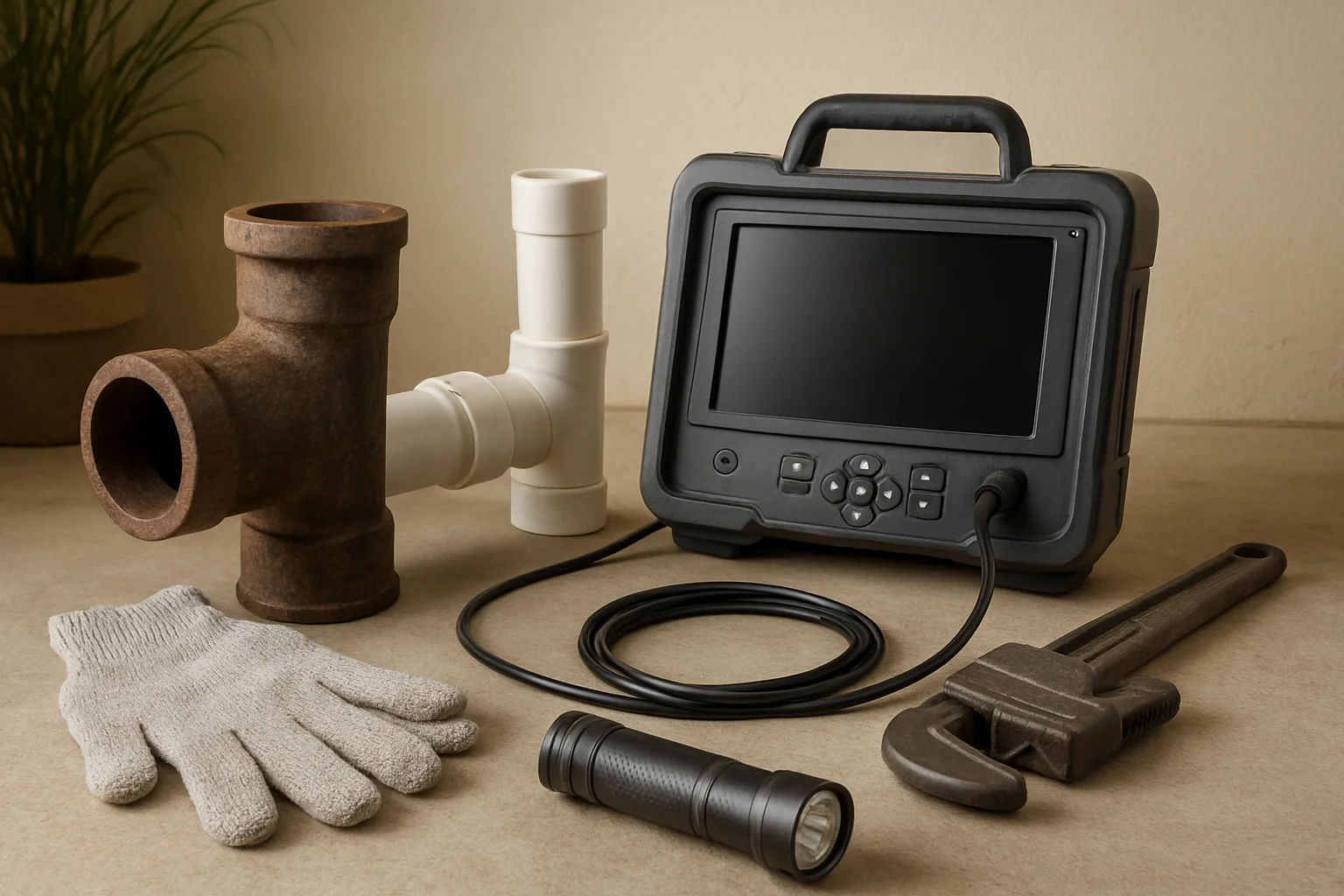
Depending on the situation, the assessment may include checking drains, cleanouts, visible piping, and the overall behavior of the plumbing system. In some cases, more detailed inspection methods may be used to understand the condition of the line and locate the trouble area. The key benefit is that the homeowner gets a clearer picture of what is happening without needing to dig or guess. That informed approach can help prevent unnecessary work and support a more focused repair plan. A thorough evaluation is especially useful for older homes or properties with repeated symptoms, because it can reveal whether the concern is isolated or part of a larger pattern that should be addressed before it worsens.
Prevention habits that help protect sewer lines
Everyday habits make a meaningful difference in sewer performance. One of the simplest preventive steps is being careful about what goes down sinks, toilets, and drains. Grease, fibrous food scraps, wipes, paper towels, hygiene products, and other debris can contribute to buildup or clogs. Even when products are marketed as convenient, they may not break down in the way a sewer line needs. Using strainers, disposing of waste properly, and following the fixtures’ intended use can reduce unnecessary strain on the system. This does not eliminate every sewer problem, but it lowers the odds that minor debris will become a major obstruction.
Preventive care also means paying attention to the property itself. Trees planted too close to sewer routes, poor drainage near the foundation, and neglected yard depressions can all create conditions that affect the line. Periodic professional checks are especially useful for homes with older plumbing or a previous history of sewer trouble. Homeowners do not need to become plumbing experts to protect their system; they only need to notice changes and keep a maintenance mindset. The combination of wise daily use and periodic professional assessment is often the most practical way to extend the useful life of a sewer line and reduce emergency repairs.
When to call for help right away
Some sewer symptoms should be treated as urgent rather than watched for a while. Multiple fixtures backing up at the same time, wastewater returning into tubs or showers, strong sewage odors that do not go away, or signs of overflow inside the home all call for prompt professional attention. These situations can indicate a significant blockage or failure in the main line. Waiting may increase the risk of water damage, sanitation concerns, and more complicated repairs. If the system is actively backing up, the priority is to stop using affected fixtures and arrange an assessment quickly.
Other urgent signs include sudden changes after heavy rain, repeated toilet overflows, or a cleanout that shows abnormal water movement. In some cases, a homeowner may notice wet areas in the yard combined with drainage problems inside the house, which can suggest a line issue that needs immediate review. The benefit of calling promptly is that a plumber can identify the problem before it spreads or causes further damage. Homeowners in Bay, Walton, and Okaloosa counties should treat sewer warning signs seriously because local conditions can turn a small failure into a larger one faster than expected. 850 Plumber can provide professional assessment to help determine the seriousness of the issue and the safest next step for the home.
Planning ahead with 850 Plumber
Sewer care works best when homeowners think in terms of prevention, observation, and timely professional help. A seasonal plan can be as simple as checking for slow drains in spring, monitoring usage during summer, reviewing odors and yard conditions in fall, and watching for strain during winter gatherings. The point is not to inspect the system obsessively, but to notice patterns early and act before a minor concern becomes a major repair. In a region like Northwest Florida, where weather and soil conditions can influence buried plumbing, that habit is especially valuable.
For homeowners in Bay, Walton, and Okaloosa counties, 850 Plumber, part of veteran-owned A Superior Mechanical, is available to help with sewer repair and maintenance needs through professional assessment and practical guidance. If you notice recurring slow drains, backups, odors, or other signs of sewer trouble, a knowledgeable evaluation can help clarify what the system needs. For service, call 850-258-3225. Planning ahead today can protect your home’s plumbing, reduce stress during busy seasons, and help keep your sewer system working as reliably as possible throughout the year.
Explore related plumbing care
- Sewer Repair & Maintenance in Bay, Walton and Okaloosa Counties, FL
- Drain Cleaning & Maintenance in Bay, Walton and Okaloosa Counties, FL
- Leak Detection & Slab Leak Repair in Bay, Walton & Okaloosa Counties, FL | 850 Plumber
- Plumbing Fixture Installation & Maintenance in Bay, Walton and Okaloosa Counties, FL
- Plumbing Maintenance in Bay, Walton and Okaloosa Counties, FL
- Plumbing Repair in Bay, Walton and Okaloosa Counties, FL | 850 Plumber
Continue reading
- Reverse Osmosis Repair or Replacement: A Northwest Florida Homeowner Guide for Bay, Walton, and Okaloosa Counties
- Repair or Replace? A Northwest Florida Homeowner’s Guide to Plumbing Decisions in Bay, Walton, and Okaloosa Counties
- Plumbing Fixture Repair or Replacement: A Northwest Florida Homeowner Guide for Bay, Walton, and Okaloosa Counties
Talk with the 850 Plumber team for help with your home or business.