
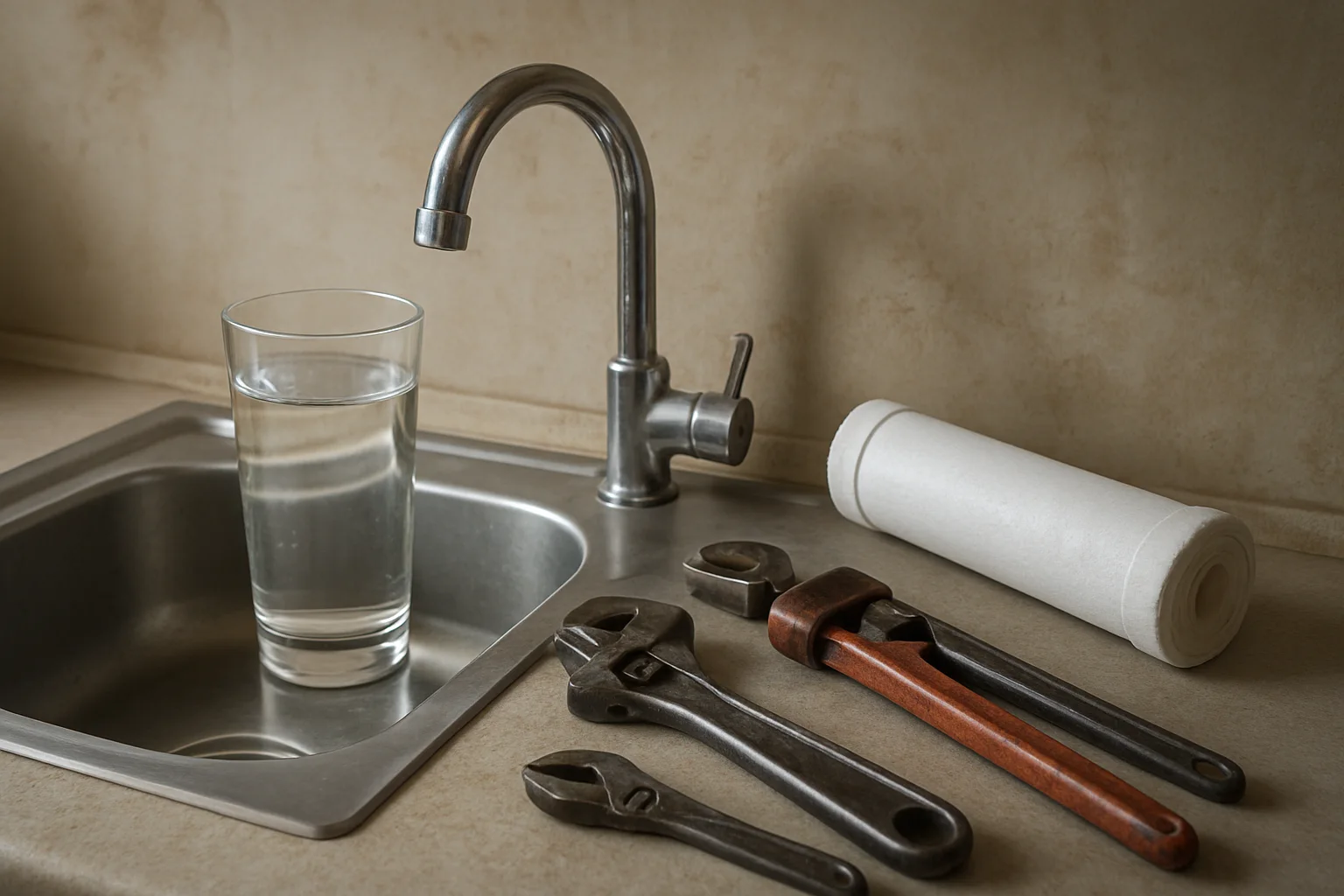
Why clean water services matter in Northwest Florida homes
Clean water is something most homeowners expect to have at every tap, but the systems that deliver it can still develop problems over time. In Bay, Walton, and Okaloosa counties, homes may rely on municipal supply, private wells, filtration equipment, pressure-regulating components, or a mix of these systems. Each setup has its own weak points, and the signs of trouble are not always dramatic. A change in taste, a slight pressure drop, or a new stain on a fixture may seem minor at first, yet those small clues can point to issues that deserve a professional look before they worsen.
For homeowners, clean water service means more than simply having water available. It includes the condition of pipes, valves, fixtures, filters, softeners, backflow protection where applicable, and the quality of water reaching sinks, showers, appliances, and outdoor spigots. Because Northwest Florida homes face humidity, mineral content, seasonal demand swings, and storm-related conditions, professional diagnosis is often the safest and most efficient way to determine whether the problem is inside the home, in a connected treatment system, or in the incoming supply. A careful assessment helps avoid guesswork and reduces the chance of replacing the wrong component.
A well-informed homeowner can notice warning signs early, but diagnosis should be left to qualified plumbing professionals who can inspect the system, test water-related components, and identify the source of the issue without creating new problems. That is the practical value of clean water services: they protect comfort, appliance performance, plumbing longevity, and peace of mind.
How clean water systems are arranged in local homes
A home’s clean water path usually begins where water enters the property and continues through shutoff valves, pressure control devices, distribution piping, fixtures, and sometimes treatment equipment such as filters or softeners. In some homes, especially those on wells or those with specific water concerns, the system may also include holding tanks, pumps, or specialty filtration units. Even in newer houses, the system can have hidden vulnerabilities because water quality and pressure are affected by many factors that are not visible from the faucet.
In Northwest Florida, professionals often evaluate more than one potential source of trouble. For example, a homeowner may assume discolored water means a municipal issue, when the cause could be corrosion inside older piping, sediment in a fixture aerator, or a worn filter cartridge. Another home may have inconsistent pressure caused by a partially closed valve, an aging pressure regulator, or buildup in the lines. Because similar symptoms can stem from different causes, a methodical inspection matters. The right diagnosis starts with understanding how the home’s entire clean water path is configured.
This is where experienced plumbing evaluation becomes important. A professional can identify whether the concern is limited to one fixture, affects the whole house, or suggests a larger supply-side or treatment-related issue. That distinction matters because it determines whether the solution is simple maintenance, component repair, or broader system service. Without that assessment, homeowners may waste time, money, and frustration chasing the wrong fix.
Changes in taste or odor that should not be ignored
One of the clearest warning signs of a clean water issue is a noticeable change in taste or odor. Water that tastes metallic, earthy, musty, salty, or chemically unusual may be telling you something about the condition of the supply or the home’s plumbing system. While some taste changes are temporary and related to seasonal conditions or treatment adjustments, persistent changes should not be dismissed. If the same taste appears in multiple fixtures, or if it becomes stronger over time, the issue deserves professional evaluation.
Odor concerns deserve the same attention. A chlorine-like smell may indicate treatment variations, while a sulfur-like or rotten-egg odor may point to conditions affecting water chemistry or plumbing components. Musty odors may also arise from stagnant water in fixtures, drains, or treatment equipment. The important point for homeowners is that smell and taste are clues, not conclusions. They do not by themselves identify the exact problem, and they should not be used to guess at a solution. A professional can distinguish between water quality changes, fixture issues, and system maintenance needs.
It is especially helpful to document when the odor or taste occurs. Does it happen only at hot water taps, only after the water sits overnight, or only at one sink? Does the issue disappear after running the water for a short period? Those details can help a plumber narrow the diagnosis. Clean water services are most effective when homeowners notice these patterns early and bring them to a professional who can inspect the system rather than attempting risky DIY fixes.
Discoloration, cloudiness, and visible particles
Clear water should generally appear clear. When water looks yellow, brown, reddish, cloudy, or contains visible particles, that is a strong sign that something needs attention. In some cases, the issue is temporary and related to a disturbance in the supply, recent plumbing work, or sediment stirred up in a branch of the system. In other cases, discoloration may indicate corrosion, scale, a failing filter, or a deteriorating component inside the plumbing. Even if the water clears after a few minutes, recurring discoloration is worth professional diagnosis.
Cloudiness can have several explanations. Air bubbles may create a milky appearance that clears quickly, while suspended sediment or mineral buildup can create a more persistent haze. Particles may show up after plumbing repairs, when a water heater is involved, or when a fixture screen traps debris. Homeowners should avoid assuming that visible particles are harmless just because they are small. Fine sediment can affect appliances, clog aerators, shorten fixture life, and suggest a larger system issue. A plumber can inspect the source, determine whether the problem is isolated or widespread, and recommend the appropriate repair path.
Professional assessment is important because the visible symptom often appears far from the actual cause. The shower that shows reddish water may not be the problem; the source could be an older pipe segment or a component elsewhere in the home. Diagnosis may include checking specific fixtures, reviewing the age and condition of piping, and examining filtration or treatment equipment. That measured approach helps homeowners understand what they are seeing and what it means for the rest of the plumbing system.
Pressure changes and inconsistent flow
Water pressure problems are among the most common reasons homeowners call for service, and they can be easy to misread. Low pressure at one faucet may simply mean a clogged aerator or fixture valve issue, while low pressure throughout the home may indicate a larger supply restriction, a pressure regulator problem, or buildup inside pipes. Sudden pressure loss, intermittent flow, or pressure that varies from one fixture to another is a warning sign that should be professionally evaluated. Because pressure affects everything from shower comfort to appliance performance, these issues often become noticeable quickly.
High pressure can be just as concerning as low pressure. Excessive pressure puts strain on pipes, flexible connectors, fixtures, and water-using appliances. Homeowners may notice banging pipes, noisy fixtures, or leaks that seem to appear without warning. While pressure symptoms can seem like isolated annoyances, they sometimes point to a system imbalance that can accelerate wear throughout the home. Professional diagnosis is the safest way to determine whether the pressure is within a healthy operating range for the home’s plumbing setup.
A plumber will typically assess whether the issue is tied to the main supply, a pressure-reducing device, a shutoff valve, internal buildup, or a fixture-specific restriction. That kind of evaluation matters because pressure problems can mimic one another. What feels like a failing water heater could actually be a whole-house pressure issue. What seems like a supply problem could be a clogged fixture or a partially closed valve. By identifying the true source, a professional can help prevent unnecessary replacements and restore dependable water delivery.
Stains on sinks, tubs, fixtures, and laundry
When sinks, tubs, toilets, or laundry begin showing stains, homeowners often think first about cleaning products or routine use. But repeated staining can also be a sign of water quality issues. Orange or reddish marks may suggest iron-related conditions, brown staining can accompany sediment or corrosion, and bluish-green discoloration may indicate effects from copper-related plumbing conditions. White scale or chalky buildup on fixtures may point to mineral deposits. These stains are not just cosmetic; they can also hint at what is happening inside the plumbing system.
Laundry discoloration is another clue that should not be ignored. Clothes that come out dingy, stained, or unexpectedly colored after washing may be reacting to water quality changes rather than detergent alone. If the issue affects multiple loads or shows up after a period of normal performance, a professional assessment is appropriate. In some homes, the problem is related to a treatment system that needs service. In others, the concern may be a corrosion source, sediment, or an issue with the incoming water path. A plumber can help sort out whether the stain pattern points to the supply, the home’s piping, or a connected appliance.
Homeowners should not rely on surface cleaning alone if stains keep returning. Repeated fixture staining often means the underlying cause is still active. Clean water services are valuable because they focus on the source, not just the visible residue. A thorough inspection can reveal whether the issue is limited to one branch line, tied to a specific fixture, or associated with the overall condition of the plumbing system. That is the kind of information that helps homeowners make informed maintenance decisions.
Unexpected sounds, banging, and vibration in water lines
Water lines should not draw attention to themselves with loud noises. Banging, clattering, humming, or vibration when faucets or appliances turn on and off can signal a pressure issue, loose piping, a valve problem, or a change in flow dynamics. These sounds may occur only in certain parts of the home, but that does not make them harmless. Repeated noise is often the plumbing system’s way of showing that something is under stress.
Some homeowners notice banging after dishwashers, washing machines, or other fast-closing fixtures operate. Others hear a hum or rattle when several fixtures are in use at once. Those symptoms can have multiple causes, and guessing is not a reliable solution. The sound may be linked to pressure surges, support issues, worn components, or restrictions in the line. In older homes, pipe movement inside walls or ceilings can make the issue more noticeable. In newer homes, the problem may still appear if the system is not balanced properly or if a component has begun to fail.
A professional plumber can inspect the affected area, confirm whether the noise is caused by water movement, and determine whether the issue is isolated or systemic. That evaluation may include checking valves, pressure-related components, and the layout of the piping. Homeowners should not ignore these sounds just because the water is still flowing. Noise is often an early warning that a more serious problem could develop if the underlying issue continues.
Leaks, damp spots, and hidden moisture clues
Even a small leak can affect clean water performance and the broader health of a home. Damp spots under sinks, moisture around fixture bases, soft flooring, swollen cabinetry, or unexplained water stains on walls and ceilings can all point to a plumbing issue that needs attention. In some cases, the leak is obvious. In others, the only clue may be a recurring musty smell or a section of flooring that feels different underfoot. Because water can travel along framing and surfaces before becoming visible, the source of the problem is not always directly beneath the damage.
Hidden moisture is especially important to address quickly. A slow leak can waste water, encourage mold growth, and damage nearby materials long before the homeowner notices the full extent of the problem. The issue may also affect water quality if corrosion or contamination enters the system through a damaged area. Homeowners should not assume a leak is minor just because it is slow. Over time, a small amount of constant moisture can create significant repair needs. Professional diagnosis helps identify the source, assess the extent of the damage, and determine whether the issue is a fixture, a fitting, a pipe segment, or a broader system concern.
A plumber brings more than a quick repair approach. They can examine the surrounding plumbing conditions, look for related signs of pressure stress or corrosion, and advise on whether the leak is isolated or a symptom of larger wear. That full-picture assessment is especially useful in homes where multiple warning signs are showing up at once, such as pressure changes, staining, and dampness. When those clues appear together, clean water service is about diagnosis as much as repair.
How mineral buildup and corrosion can affect water delivery
Mineral buildup and corrosion are two common issues that can affect how water moves through a home. Over time, minerals carried in water can accumulate on fixture parts, inside valves, and along pipe surfaces. Corrosion can develop in aging metals or in conditions that promote deterioration. The result may be reduced flow, poor fixture performance, discoloration, or a gritty feeling in some water uses. Homeowners often notice the consequences before they understand the cause.
These problems do not always appear in the same way. One home might experience slow-flowing faucets and repeated aerator clogs. Another may see staining and pressure changes. A third may have a water heater or appliance that seems to be underperforming. Because buildup and corrosion can present in different forms, professional inspection is the safest path to a reliable answer. A plumber can evaluate whether the issue is localized at a fixture, distributed in certain piping, or linked to treatment equipment that needs service. That kind of diagnosis helps avoid unnecessary replacement of parts that are still functioning.
Clean water services are especially important when homeowners are trying to decide between cleaning, repair, or replacement. Visible scale does not always mean a pipe needs to be replaced, and a pressure symptom does not always mean the same part is failing everywhere in the house. A professional can weigh the evidence and recommend the least disruptive solution that addresses the underlying issue. That practical approach is valuable for homeowners who want clear water without unnecessary work.
Seasonal patterns that can influence water concerns in Northwest Florida
Northwest Florida homeowners may notice that water concerns seem to change with the season. Increased household use during certain times of year can make pressure issues or fixture restrictions more obvious. Rainy periods, drought patterns, and storm-related conditions can also influence how water systems behave, especially in homes with wells or with outdoor plumbing that sees heavier use in warmer months. Even municipal systems can have temporary changes that homeowners notice at the tap, though the cause may not always be in the home itself.
Seasonal changes can also reveal problems that were already developing. For example, a filter that was working adequately during lighter use may struggle when demand increases. A pressure-related issue might become more noticeable when multiple fixtures are used together during busy family routines. Outdoor spigots, irrigation tie-ins, and hose-connected equipment can expose weaknesses that are easy to overlook during cooler months. These patterns are helpful clues, but they should not lead homeowners to self-diagnose. The same symptom can have a different cause depending on the season and the home’s plumbing setup.
A professional assessment takes seasonal factors into account without assuming they are the whole story. That is one reason clean water services remain relevant throughout the year. Homeowners benefit from having a knowledgeable plumber inspect the system, identify whether the concern is temporary or ongoing, and explain what the pattern means for the home’s plumbing health. With that information, homeowners can plan service before a small issue becomes a larger disruption.
What a professional diagnosis typically looks for
Professional diagnosis begins with observation and questions. A plumber will usually want to know which fixtures are affected, when the problem started, whether it is constant or intermittent, and whether any recent plumbing work or weather changes occurred. Those details help narrow the possibilities before the physical inspection even begins. From there, the plumber can assess visible components, check shutoff valves and pressure-related devices, inspect filtration or treatment equipment if present, and look for signs of corrosion, buildup, or leakage. The goal is to connect symptoms to a likely source instead of making assumptions.
In some cases, the diagnosis may focus on a single fixture. In others, the issue may require a broader look at the home’s water path. A professional can determine whether the concern is affecting only the cold line, only the hot line, or the whole house. That distinction matters because hot and cold water problems often point to different causes. Likewise, a symptom that appears at one faucet but not another can indicate a localized issue rather than a supply-wide one. Homeowners benefit from this structured evaluation because it creates a clear path forward.
Importantly, professional assessment does not mean jumping straight to replacement. A careful diagnosis may reveal that the solution is maintenance, adjustment, or repair of a specific component. It may also reveal that a larger improvement is needed. Either way, homeowners get clearer information and avoid hazardous DIY troubleshooting that could damage plumbing parts or worsen a hidden problem. Clean water services are strongest when diagnosis is precise and recommendations match the actual condition of the home.
When to schedule service instead of waiting
It can be tempting to wait and see whether a water issue disappears on its own, especially if the problem seems minor. But certain warning signs justify a prompt professional visit. These include recurring discoloration, persistent odor or taste changes, whole-house pressure shifts, repeated staining, unexplained moisture, or unusual sounds that continue over time. If more than one of these symptoms is happening at once, the case for professional evaluation becomes even stronger. Waiting may allow a manageable issue to become more expensive or more disruptive.
Another reason to schedule service promptly is to protect connected systems. Appliances that depend on water, such as dishwashers, washing machines, and water heaters, can be affected when water conditions are not stable. Fixtures can wear out faster when pressure is too high or when sediment is present. Pipes and fittings can also experience added stress when the system is not operating as intended. A timely diagnosis can help reduce this wear. For many homeowners, the benefit is not only cleaner water but also better overall plumbing performance.
If a homeowner is unsure whether a symptom is serious, that is usually a good sign to call for an evaluation. A professional can quickly determine whether the situation is urgent, routine, or something that can be monitored after service. That guidance is especially helpful in Northwest Florida, where different home systems and environmental conditions can make the same symptom mean very different things. A clear diagnosis is the most reliable way to decide what to do next.
How 850 Plumber supports homeowners in Bay, Walton, and Okaloosa counties
850 Plumber, part of veteran-owned A Superior Mechanical, serves homeowners across Bay, Walton, and Okaloosa counties, Florida. For residents dealing with clean water concerns, the value of a local plumbing professional is straightforward: familiar service, practical diagnosis, and recommendations grounded in the condition of the home’s plumbing system. When water looks, smells, tastes, sounds, or behaves differently than it should, a professional inspection can help identify whether the issue is in the supply, the plumbing, or a connected treatment component.
Homeowners who want a service conversation can call 850-258-3225. A professional assessment can help determine the source of the problem and guide the next step without unsafe guesswork. That may include evaluating pressure, visible water quality clues, fixture condition, or signs of wear in the system. Because water symptoms often overlap, a local plumber’s experience with the kinds of conditions common in Northwest Florida can be especially useful when deciding whether the concern is isolated or part of a larger pattern.
The most useful clean water service is the one that starts with listening, inspecting, and diagnosing before recommending action. That is the approach homeowners should expect when they reach out for help. Whether the issue is subtle or obvious, getting the problem identified early can save time and help protect the plumbing system that supports daily life at home. When clean water seems off, a professional assessment is the right next move.
Explore related plumbing care
- Clean Water Services in Bay, Walton and Okaloosa Counties, FL
- Whole Home Water Purification in Bay, Walton and Okaloosa Counties, FL
- Tankless Water Heater Services in Northwest Florida | 850 Plumber
- Water Filtration Services in Bay, Walton & Okaloosa Counties, FL
- Water Heater Installation in Freeport, FL
- Water Heater Maintenance in Santa Rosa Beach, FL
Continue reading
- Whole Home Water Purification Warning Signs and Professional Diagnosis for Northwest Florida Homes
- Water Softening Services in Santa Rosa Beach, FL: Warning Signs and Professional Diagnosis for Northwest Florida Homeowners
- Water Line Warning Signs for Northwest Florida Homeowners: When to Schedule a Professional Diagnosis
Talk with the 850 Plumber team for help with your home or business.