
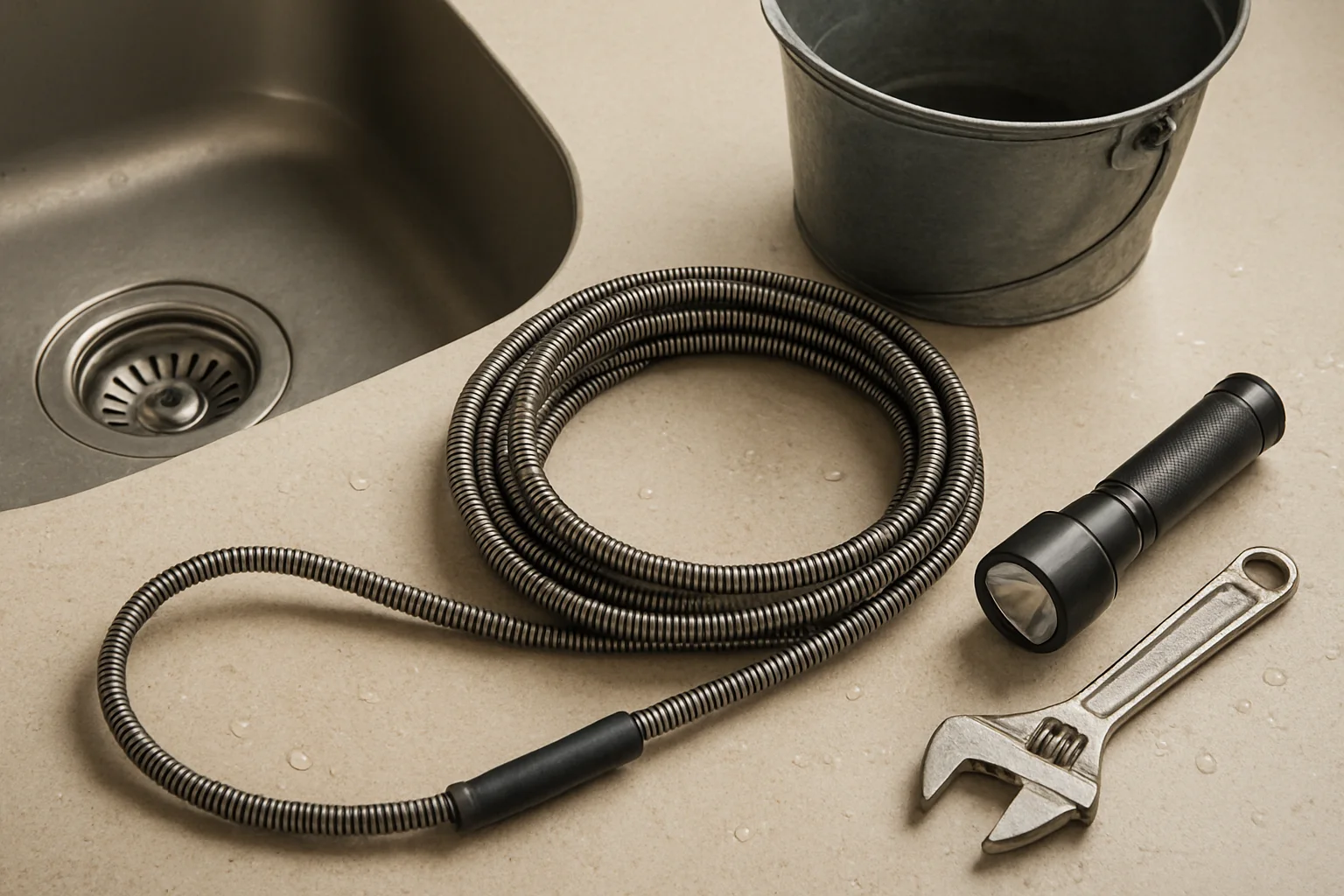
Why drain maintenance matters in Northwest Florida
In Bay, Walton, and Okaloosa counties, drain performance is shaped by local living conditions as much as by what goes down the sink, tub, or toilet. Coastal humidity, heavy summer use, vacation turnover in some homes, and year-round kitchen and bathroom activity can all contribute to buildup inside drain lines. Over time, soap residue, grease, hair, laundry debris, sand, and mineral deposits can narrow the flow path and create recurring clogs. What starts as a slow drain can become a complete backup if the underlying cause is not identified correctly. That is why drain maintenance is not just about clearing a blockage once; it is about understanding what is happening inside the plumbing system and preventing the same problem from returning.
A proactive approach can help homeowners avoid inconvenient overflows, foul odors, and water damage around fixtures. In many homes, the earliest signs are subtle: a sink that takes longer to empty, a shower that leaves a shallow pool of water, or a toilet that seems to need more than one flush. These symptoms may look minor, but they can indicate a partial blockage, a venting issue, or a deeper problem in the line. Professional drain assessment matters because the visible symptom is often only the last stage of a larger issue. For homeowners in Northwest Florida, recognizing that difference is the first step toward protecting the plumbing system and the parts of the home that depend on it.
Common warning signs homeowners should not ignore
Drain problems usually announce themselves before they become emergencies. One of the most common warning signs is slow drainage in one or more fixtures. If water lingers in a bathroom sink, drains unevenly in a shower, or backs up in a laundry area, there may be buildup in the branch line or an obstruction farther downstream. Another common symptom is repeated clogging in the same fixture. When a drain clears only temporarily and then slows again, the issue may be more than a simple surface blockage. Homeowners should also pay attention to gurgling sounds, which can suggest trapped air or restricted flow in the line. While these noises do not always mean severe damage, they often indicate a plumbing condition that should be evaluated by a professional.
Odors are another important sign. A drain that smells sour, musty, or sewer-like may have trapped organic buildup, a dry trap, or a venting concern. In some homes, odors appear after periods of vacancy or low fixture use, especially in guest baths or seasonal spaces. Water appearing in the wrong place is also a red flag. For example, using one fixture should not cause water to rise in another, and a toilet should not bubble when a sink or tub is drained. These cross-signs can point to a deeper restriction or a drainage system imbalance. Homeowners should treat these indicators as diagnostic clues rather than isolated annoyances. Prompt professional evaluation can often identify the source before a full blockage or overflow occurs.
What makes drain problems different in coastal and humid climates
Northwest Florida homes face environmental conditions that can influence plumbing behavior. High humidity can contribute to persistent moisture around fixtures and under cabinets, making it easier for small leaks or condensation issues to go unnoticed. Moisture can also encourage odors around drains if organic buildup is already present. In coastal and near-coastal areas, airborne salt and sandy conditions can affect outdoor plumbing components, utility areas, and the general wear on exposed materials. Even when the drain line itself is hidden, the home environment around it can make drainage problems more noticeable or more disruptive. A bathroom or kitchen that is used heavily during warm months may reveal issues that stayed hidden through cooler seasons.
Seasonal occupancy patterns also matter. Many homes in the region may experience periods of higher guest use, rental turnover, or family gatherings, and that extra demand can push a marginal drain system over the edge. Increased dishwashing, laundry loads, showers, and bathroom use can reveal buildup that accumulated gradually over time. In addition, stormy periods can expose drainage weaknesses if exterior runoff, yard drainage, or older infrastructure puts additional stress on the plumbing system. Because of these variables, professional diagnosis is especially helpful in Northwest Florida. A trained technician can separate fixture-specific issues from broader line concerns and determine whether the problem is simple buildup, a ventilation issue, a partial sewer restriction, or a condition that requires a more involved repair plan.
Kitchen drains and the habits that lead to buildup
Kitchen drains often fail gradually because the problem accumulates in layers. Grease is a major contributor, but it is not the only one. Food particles, starches, coffee grounds, soap residue, and dish detergent residue can all cling to pipe walls and create a sticky base for future buildup. Even when hot water seems to carry grease away, it may only move the problem farther into the line where it cools and solidifies. Over time, this can narrow the pipe enough to cause slow draining, recurring clogs, or noisy flow. A kitchen sink that gurgles after draining may be signaling that the line is not moving wastewater as efficiently as it should.
Professional assessment of a kitchen drain often focuses on patterns. A technician may ask whether the issue happens in both sides of a double sink, whether the dishwasher affects the drain, and whether the problem worsens after large meals or heavy cooking. These clues help distinguish a localized fixture issue from a branch-line restriction. In some homes, the disposal and the trap assembly are not the problem at all; the actual restriction may be farther down the drain path. That is one reason professional diagnosis is important. It avoids treating symptoms only at the sink and helps uncover the true cause. For homeowners, keeping kitchen drains clear begins with thoughtful use, but once warning signs appear, it is wise to have the line evaluated rather than repeatedly masking the clog with temporary measures.
Bathroom drain issues: hair, soap, and hidden restrictions
Bathroom drains are among the most common places for recurring blockages. Hair combines with soap residue and toothpaste buildup to create dense clogs that can slow water movement significantly. Shower and tub drains may show the problem first because standing water is easy to notice there, but sink drains can also suffer from partial obstructions. If a bathroom sink drains slowly but then clears with a loud gulp, the issue may be more than hair in the stop area. It may involve buildup deeper in the line or a venting condition that affects the fixture's ability to empty smoothly. Repeated use of one drain cleaner approach without identifying the cause can sometimes delay proper resolution.
Professional diagnosis in a bathroom often includes a close look at the fixture, the trap, the branch line, and the way multiple fixtures are connected. For example, if a shower and sink share a drain segment, both may show symptoms even if only one fixture appears troublesome. In homes with older plumbing or frequent use, technicians may also consider whether mineral scale or sagging pipe sections are contributing to restrictions. A homeowner may simply see slow drainage, but the underlying issue can be a combination of buildup and pipe configuration. This is why a full assessment is more useful than a quick fix. By understanding how the bathroom group is plumbed, a professional can recommend the right cleaning method and help prevent repeat clogs that disrupt daily routines.
Laundry and utility drains: an overlooked source of backups
Laundry and utility drains can be easy to overlook because they are not used in the same way as kitchens or bathrooms, yet they can develop serious problems. Lint, detergent residue, fabric fibers, dirt, and debris from work clothes or outdoor gear can accumulate inside these drain lines. In some homes, large water volumes from washing machines can push a partial blockage into a more obvious backup. Homeowners may notice water backing up into a utility sink, a standpipe overflowing, or a floor drain reacting when the washer drains. These symptoms suggest that the system may not be handling the discharge as intended. The issue may not be with the appliance itself but with the drain line receiving the water.
Because laundry systems move water quickly, professional diagnosis is especially useful when problems are intermittent. A drain may seem fine during one cycle and then overflow during the next. That inconsistency can make it difficult for homeowners to tell whether the issue is a clog, a venting problem, a drain capacity limitation, or a connection problem within the utility area. A technician can inspect the drain path and assess whether the line has buildup, improper slope, or signs of restriction farther into the system. Homeowners should avoid assuming that a one-time laundry backup is harmless. When a utility drain shows a pattern of slow response or overflow, it is often a sign that the line needs a professional cleaning and a broader look at the way the system is functioning under real use conditions.
Outdoor and yard drainage connections that can affect indoor plumbing
Not all drain problems begin indoors. In some Northwest Florida homes, outdoor drainage conditions can influence how the plumbing system performs overall. Poor yard grading, heavy rain runoff, root intrusion near buried lines, or debris around cleanout access points can contribute to stress on the drainage network. When the ground around a structure stays wet for long periods, homeowners may assume the issue is only surface drainage. In reality, the problem can sometimes involve a sewer or branch line that is struggling to move wastewater efficiently. If outdoor fixtures or floor drains are affected, or if multiple indoor fixtures back up during storms, that pattern may warrant a deeper professional look.
Because the causes can overlap, diagnosis should be systematic. A technician may look at which fixtures are affected, whether the problem appears during rain or during normal indoor use, and whether symptoms are isolated or widespread. These details help determine whether the concern is a single clogged branch line, a partial mainline restriction, or an issue involving exterior drainage and plumbing interactions. Homeowners should not assume that a yard drainage problem and a plumbing problem are always separate. In some cases, they are connected. Professional assessment helps distinguish between issues that can be managed with cleaning and those that may require further investigation. For homes in areas that see heavy rain or shifting soil conditions, understanding this difference can make maintenance more effective and less disruptive.
How professional drain diagnosis works
A proper drain evaluation begins with listening to the homeowner’s observations. When did the issue start? Which fixtures are affected? Does the problem happen after a certain amount of water use, or only at specific times? These questions help narrow the likely cause before any tools are used. Professionals often look for patterns in the symptoms because pattern recognition can reveal whether the clog is localized, recurring, or linked to a broader system issue. For example, a single slow sink may point to a fixture-level blockage, while multiple slow fixtures may suggest a downstream obstruction or vent concern. The goal is not just to clear the drain, but to understand why it failed.
Depending on what is found, a professional may use inspection methods appropriate to the situation, such as checking accessible cleanouts, evaluating visible pipe conditions, or using diagnostic tools to better understand the line’s condition. The exact approach depends on the home and the symptoms. Homeowners should expect the technician to explain what is happening in straightforward terms and to identify whether the issue appears to be buildup, foreign debris, scale, or another restriction. This is the value of professional assessment: it reduces guesswork. Instead of treating the drain based on an assumption, the technician can match the cleaning method to the actual condition inside the pipe. That approach can save time, reduce repeated service calls, and help protect the plumbing system from unnecessary wear.
Why repeated chemical drain cleaners are not a long-term solution
Many homeowners reach for chemical drain cleaners when a clog appears, but repeated use can create more problems than it solves. These products may temporarily open a narrow path through soft buildup, yet they often do not remove the full blockage. If the obstruction remains, the drain clogs again soon after. Over time, repeated chemical exposure can be hard on pipe materials and may complicate later professional service. In some situations, the cleaner can sit in the line without fully breaking down the obstruction, leaving the homeowner with both a stubborn clog and a more difficult cleanup situation. That is why professional assessment is preferable when a drain issue keeps returning.
A persistent clog usually has a physical cause that needs physical removal or a more detailed diagnosis. Grease, lint, hair, scale, root intrusion, or debris in the line generally does not disappear simply because a product was poured into the drain. Homeowners may also find that a chemical cleaner masks the symptoms for a short time, which can delay treatment until the issue grows worse. Professional cleaning is more controlled and targeted. It allows the technician to evaluate the line, choose a suitable method, and confirm whether the clog is fully removed. For homeowners in Bay, Walton, and Okaloosa counties, this is especially important when plumbing systems face recurring seasonal use and environmental factors that can worsen buildup over time.
Preventive habits that help keep drains flowing
Good drain habits can go a long way toward reducing clogs, especially when paired with periodic professional service. In the kitchen, homeowners can reduce buildup by keeping grease, heavy food scraps, and fibrous debris out of the sink drain. In bathrooms, regular attention to hair and soap accumulation can help slow the pace of blockage formation. Laundry areas benefit from careful management of lint and debris that may enter the drain system. These are everyday practices, but their effect is cumulative. A home that sees less material entering the drains is less likely to experience recurring blockages. Even so, good habits do not replace diagnosis when warning signs appear.
Homeowners should also pay attention to how long a drain takes to empty and whether the sound or speed of drainage changes over time. Changes that seem small can provide an early warning. If a sink that used to empty quickly begins to slow down, or if a tub drain starts producing gurgling sounds, those changes can signal the need for professional inspection before a backup occurs. Preventive maintenance is most effective when it combines homeowner awareness with expert evaluation. That way, minor buildup can be addressed before it becomes an urgent problem. In homes throughout Northwest Florida, especially those with active households or seasonal guest use, prevention is often less disruptive than waiting for a full blockage to reveal itself at the worst possible time.
When a drain issue may point to a larger plumbing concern
A clog is sometimes just a clog, but recurring drainage problems can also indicate a bigger issue in the plumbing system. If several fixtures are slowing at once, if backups happen at lower drains when higher fixtures are used, or if odors and gurgling accompany slow drainage throughout the home, the issue may be farther down the line. In some cases, the symptoms can suggest a main drain restriction, venting trouble, or another condition that affects the entire system’s ability to move wastewater properly. A homeowner may focus on the sink or tub that appears clogged, but the real source may be in a shared pipe or connection point. This is why repeated clogs deserve more than a temporary fix.
Professional diagnosis helps determine whether the home needs cleaning, further inspection, or another plumbing solution. A technician can separate isolated fixture problems from whole-system concerns and explain whether the drain line itself appears to be the issue or whether surrounding plumbing conditions are contributing. This distinction matters because treatment depends on the actual cause. Clearing a branch line will not solve a problem created by a more distant restriction, and replacing a fixture part will not help if the main line is the real concern. For homeowners, understanding that difference can reduce frustration and help guide the right next step. When drainage symptoms persist despite routine care, the home is asking for a deeper assessment.
What homeowners can expect during a professional service visit
During a professional drain service visit, the focus is usually on identifying the problem efficiently and explaining the findings clearly. A technician may begin by discussing the symptoms, then inspect the affected fixtures and any visible access points. If the problem is local to one drain, the service approach may be simple and targeted. If the symptoms point to a more extensive issue, the technician may recommend additional evaluation to understand the path of the blockage. The goal is to avoid unnecessary work while still addressing the actual cause. Homeowners should expect straightforward communication about what was found and why a particular cleaning or diagnostic approach is appropriate.
The most useful service visits leave the homeowner with a clearer understanding of the plumbing system. That may include knowing whether the drain was affected by buildup, whether the line needs periodic maintenance, or whether a broader concern may be developing. Professional service also gives homeowners a chance to ask practical questions about care, usage patterns, and warning signs to watch for in the future. In regions like Bay, Walton, and Okaloosa counties, where climate and household patterns can affect drainage performance, this education is valuable. It helps homeowners make informed choices instead of reacting only when a fixture stops working. The result is a more reliable plumbing system and fewer surprises when the home is busy or the weather is demanding.
Choosing help from a local plumbing company that understands the region
When drain problems appear, local knowledge matters. A company that serves Northwest Florida homeowners understands the kinds of symptoms that show up in the area’s homes, the common drainage patterns in kitchens and bathrooms, and the way seasonal use can affect plumbing performance. Local service also makes it easier to respond when a slow drain turns into a more urgent issue. For homeowners in Bay, Walton, and Okaloosa counties, it helps to work with a company that recognizes both the plumbing symptom and the regional conditions that may be influencing it. That context can improve diagnosis and make the service more practical for the home’s specific needs.
850 Plumber, part of veteran-owned A Superior Mechanical, serves Bay, Walton, and Okaloosa counties, FL, and can help homeowners evaluate drain concerns with a professional, solution-focused approach. Whether the issue is a slow kitchen sink, a bathroom drain that keeps clogging, or a utility line that backs up during heavy use, the key is accurate diagnosis before the problem grows. Homeowners who notice warning signs should not wait until an overflow creates a larger mess or damages surrounding areas. A timely professional assessment can identify the cause, guide the right cleaning method, and help restore dependable drainage. For questions or service, call 850-258-3225.
Explore related plumbing care
- Drain Cleaning & Maintenance in Bay, Walton and Okaloosa Counties, FL
- Clogged Drains & Pipe Cleaning in Bay, Walton & Okaloosa Counties
- Plumbing Fixture Installation & Maintenance in Bay, Walton and Okaloosa Counties, FL
- Plumbing Maintenance in Bay, Walton and Okaloosa Counties, FL
- Sewer & Drain Services in Bay, Walton & Okaloosa Counties, FL
- Sewer Repair & Maintenance in Bay, Walton and Okaloosa Counties, FL
Continue reading
- Plumbing Fixture Installation and Maintenance for Northwest Florida Homes: Warning Signs and Professional Diagnosis
- Whole Home Water Purification Warning Signs and Professional Diagnosis for Northwest Florida Homes
- Water Leak Repairs in Northwest Florida Homes: Warning Signs and Professional Diagnosis for Bay, Walton, and Okaloosa Counties
Talk with the 850 Plumber team for help with your home or business.