
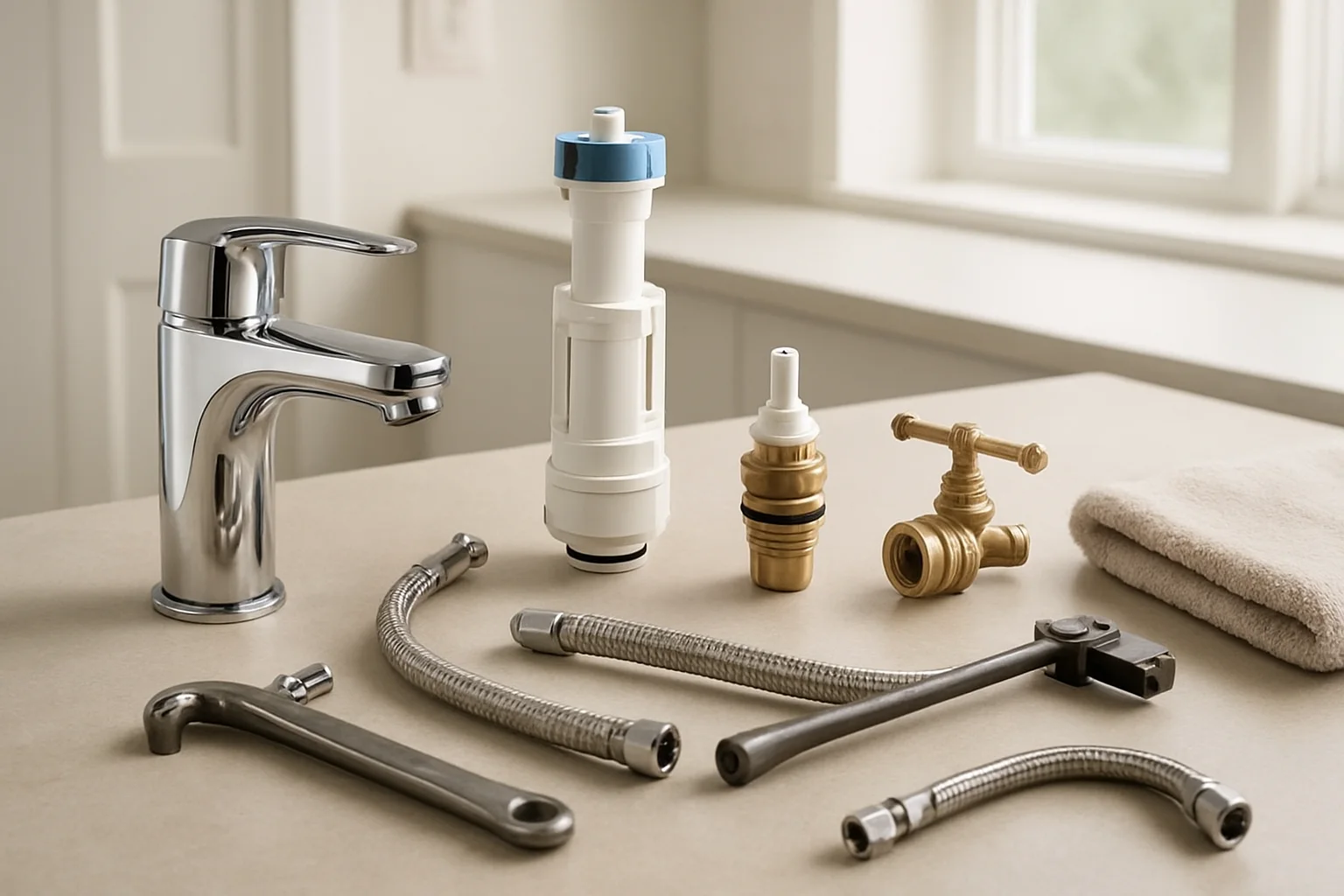
Why fixture care matters in Northwest Florida homes
Plumbing fixtures are among the most frequently used parts of a home, which means they often show wear before other plumbing components do. In Bay, Walton, and Okaloosa counties, that wear can be accelerated by humid conditions, coastal air, hard water in some areas, mineral buildup, and the simple reality that many homes experience heavy seasonal use. Faucets, toilets, shower valves, hose bibs, laundry hookups, and utility sinks all play a role in daily comfort and sanitation. When one begins to fail, the signs may be small at first, but they can quickly grow into leaks, water waste, staining, low pressure, or property damage if left unaddressed.
Homeowners sometimes notice a fixture issue and assume it is only cosmetic, such as a slow drip, a handle that feels loose, or a toilet that seems to run occasionally. In practice, these symptoms often point to a larger condition inside the fixture or behind the wall. A worn seal, failing cartridge, cracked supply line, corroded shutoff valve, or improper installation can all produce similar symptoms. That is why professional assessment matters: a trained plumber does not just replace the visible part, but evaluates the entire fixture assembly, nearby piping, and water conditions to identify the true cause and recommend the right fix.
Common warning signs homeowners should not ignore
A fixture rarely fails without giving clues first. Dripping from a faucet spout, moisture around the base of a toilet, water pooling under a sink cabinet, a shower handle that becomes difficult to turn, or a hose bib that refuses to fully shut off can all indicate a developing problem. Some warning signs are subtle. For example, a toilet that runs after flushing may seem harmless, but it can waste water and signal internal parts that are no longer sealing correctly. Likewise, a faucet that only leaks when the handle is moved in a certain direction may be showing early cartridge wear or internal damage.
Other signs are less obvious but still important. Rust-colored stains near a fixture may suggest corrosion somewhere in the supply line or mounting hardware. White crusty deposits can indicate mineral accumulation. Reduced water flow from a single fixture can mean debris in the aerator, an aging mixing valve, or a deeper pressure issue. Unusual sounds, such as squealing, banging, or chattering when water is used, may indicate worn washers, pressure irregularities, or loose components. Because several problems can produce similar symptoms, homeowners are best served by having a professional inspect the fixture before the issue spreads.
Faucets: when repair is enough and when replacement makes sense
Faucets are often the first fixture homeowners think about when water waste appears. A persistent drip can come from a worn cartridge, damaged O-rings, mineral buildup, or internal corrosion. In some cases, the issue is limited to one replaceable component and can be resolved without changing the whole fixture. In other cases, especially with older faucets, repeated repair attempts may not restore reliable operation. When the finish is peeling, the handle feels unstable, or parts are no longer readily serviceable, replacement may be the more practical long-term option. A professional plumber can evaluate whether the faucet body itself is sound or whether hidden wear makes continued repair a short-term solution only.
Installation quality matters just as much as the faucet itself. Even a new fixture can develop problems if supply connections are misaligned, seals are compromised, or mounting hardware is not properly secured. In kitchens, bathroom vanities, laundry rooms, and utility spaces, installation must account for sink thickness, cabinet access, shutoff valve condition, and the type of supply lines already in place. A plumber can confirm that the new faucet is compatible with the sink configuration and that the connections are protected from strain. Professional installation also helps prevent hidden leaks that may not show until cabinet bottoms swell or surrounding materials are damaged.
Toilets: spotting internal trouble before it becomes a larger issue
Toilets are simple in appearance but contain several parts that must work together smoothly. Homeowners may first notice a toilet that runs continuously, refills slowly, rocks slightly at the base, or requires multiple flushes. These symptoms can point to a flapper that is not sealing, a fill valve that is out of adjustment, a worn flush valve, a cracked tank component, or loose mounting hardware. In coastal and humid environments, corrosion can also affect tank bolts and supply connections. Because toilet problems can waste significant water and lead to floor damage, early attention is worthwhile. A professional plumber will assess both the internal components and the visible stability of the fixture.
A toilet that appears to work but leaves a damp ring at the base deserves prompt inspection. Moisture there may indicate a wax ring issue, a flange problem, a loose toilet, or condensation that is being mistaken for a leak. An experienced plumber can distinguish among these possibilities by checking for movement, evaluating the shutoff valve and supply line, and inspecting the bowl and tank for signs of cracking. When replacement is necessary, proper setting and sealing are critical. The fixture must sit level, connect securely, and align with the waste outlet without creating stress on the flange or bolts. A careful installation reduces the risk of recurring leaks and helps the toilet perform as intended.
Showers and tubs: comfort fixtures that can reveal hidden plumbing problems
Shower and tub fixtures are heavily used in many homes, and they often show problems through changes in comfort before they show visible damage. A handle that becomes stiff, water temperature that fluctuates unexpectedly, weak spray pressure, or a tub spout that drips long after the water is off can all signal internal wear. In some cases, the shower valve cartridge is failing. In others, mineral buildup or a worn diverter is disrupting normal flow. Because shower plumbing is often concealed behind walls, small symptoms should not be dismissed. What seems like a minor issue may be the first sign of deterioration in valve components or connections hidden from view.
Professional diagnosis is especially important for showers and tubs because the symptoms can overlap. A pressure problem may be localized to one fixture, or it may be part of a broader issue affecting the whole home. Temperature inconsistency may come from a malfunctioning mixing valve or from water heater conditions elsewhere in the plumbing system. A plumber can test the fixture, inspect exposed plumbing, and determine whether the issue is isolated or systemwide. When installing a new showerhead, tub faucet, or valve trim, proper compatibility and sealing are essential. The visible hardware must work with the concealed valve body, and the assembly must be set up to avoid leaks, improper mixing, or premature wear.
Sink fixtures in kitchens, baths, laundry rooms, and utility spaces
Sinks in different parts of the home serve different purposes, so fixture problems can appear in different ways. In kitchens, homeowners may see sprayers that leak, faucet handles that loosen, or a sink base that is damp from repeated use. In bathrooms, a faucet with poor flow or uneven temperature may indicate cartridge wear, mineral buildup, or supply line trouble. In laundry rooms or utility sinks, rough use can strain connections and expose weak points in older fixtures. Because sink areas often contain shutoff valves, supply lines, drains, and disposal or dishwasher connections nearby, one symptom may reflect more than one issue.
A professional plumber evaluates the sink fixture as part of the larger assembly, not as a stand-alone item. That means checking the faucet body, shutoff valves, supply hoses, drain alignment, mounting points, and the condition of the cabinet space below. If corrosion is visible on fittings or if the cabinet floor shows previous moisture, there may be a history of slow leakage that needs careful investigation. Installation also has to match the sink design, whether top-mount or undermount, and the available deck space. A well-executed installation helps prevent wobble, seepage, and strain on the plumbing connections that serve the sink over time.
Outdoor hose bibs, spigots, and exterior fixture concerns
Exterior fixtures are easy to overlook until they fail. Hose bibs and spigots are exposed to sun, rain, humidity, and sometimes salt air, which can speed up corrosion and wear. Homeowners may notice a handle that turns too freely, a drip at the stem, a leak where the pipe meets the wall, or a weakened stream when the spigot is opened. Even if the fixture seems minor compared with indoor plumbing, an exterior leak can waste water, damage siding or foundation materials, and become worse during periods of frequent irrigation or cleanup. In Northwest Florida, where outdoor water use is common, exterior fixture reliability matters throughout the year.
Professional assessment is important because exterior leaks are not always located where they appear. Water showing near the spigot could come from the packing nut, the connection behind the wall, or a worn frost-resistant component if the home has one. A plumber can determine whether repair or replacement is appropriate and whether the pipe route inside the wall is sound. When a new hose bib is installed, it should be properly supported, sealed, and sized for the home’s water system. A careful installation also helps the fixture withstand everyday use without placing stress on the pipe entering the structure. Because exterior fixtures are exposed to the elements, periodic inspection is a practical way to catch damage early.
How local water conditions can affect fixture performance
Water quality influences how long a fixture lasts and how well it performs. In many homes, mineral content can lead to scale buildup on aerators, cartridges, showerheads, and toilet parts. That buildup may show up as reduced flow, uneven spray, difficulty turning handles, or visible residue around the fixture. Over time, minerals can also make moving parts stick or wear faster than expected. Humidity and salt exposure in coastal areas can add another layer of stress, especially on visible metal parts, screws, and external finishes. A fixture that is otherwise sound may still need maintenance because the local environment is working against it.
A professional plumber can interpret these symptoms in context. Low pressure at one sink may be caused by a clogged aerator, while low pressure throughout the home may indicate a broader plumbing issue. Repeated mineral buildup may suggest the need for more regular cleaning or a fixture material that handles local conditions better. Importantly, a homeowner should not assume that every deposit or stain means the fixture is failing. A qualified diagnosis separates surface buildup from internal damage, which prevents unnecessary replacement. If a fixture is repaired or replaced, the plumber can also recommend maintenance steps appropriate to the home and the water conditions without making exaggerated claims or overcomplicating the solution.
Why professional diagnosis is more reliable than guesswork
Many fixture problems share the same visible symptoms. A dripping faucet might be a simple worn washer, but it could also reflect high water pressure, an incompatible cartridge, or a damaged valve seat. A toilet that rocks may need a flange repair, a fresh seal, or just proper resetting. A shower with poor performance could have a clogged head, a bad cartridge, or a supply issue elsewhere in the home. Because the outward signs are not always specific, guessing can lead to repeated repairs that do not solve the underlying problem. Professional diagnosis reduces that uncertainty by tracing the symptom back to its source.
A plumber uses experience, inspection, and testing to make that determination. That can include checking shutoff valves, comparing water flow from multiple fixtures, looking for hidden moisture, and evaluating the age and condition of visible parts. In some cases, the right answer is repair. In others, replacement is the better investment because the fixture has multiple worn components or has reached the point where reliability is poor. Professional assessment is valuable not only because it identifies the problem, but because it helps homeowners understand why the recommendation makes sense. That clarity is especially important when a fixture is located in a finished space, near cabinetry, or in a bathroom where water damage can become expensive if ignored.
What to expect from a fixture installation appointment
When a homeowner schedules fixture installation, the process should begin with a review of the existing setup. That means identifying the type of fixture, checking the condition of the shutoff valves and supply lines, and confirming that the new unit is compatible with the space. A plumber may also look for signs of prior leaks, corrosion, or structural issues that could affect installation quality. This initial assessment matters because it prevents surprises once the old fixture is removed. It also allows the plumber to plan for any adjustments needed to create a secure, functional final result.
After installation, the fixture should be tested for proper operation and checked for leaks, movement, and correct water flow. Homeowners should expect the plumber to confirm that handles turn smoothly, temperatures respond appropriately, and the fixture sits securely in place. If the installation involves a toilet, shower valve, faucet, or other fixture with multiple components, the final check is just as important as the physical replacement. A professional installation is not complete until the system is operating correctly and the surrounding area is left in clean, usable condition. For homeowners in Bay, Walton, and Okaloosa counties, that level of attention is especially helpful in preventing small setup issues from becoming future repairs.
Routine maintenance homeowners can do safely
There are simple maintenance habits homeowners can use without attempting risky repairs. Regularly looking under sinks for moisture, checking around toilet bases for dampness, and noticing changes in water pressure or fixture noise can help catch issues early. Cleaning visible mineral buildup on aerators and showerheads with gentle, non-damaging methods can also help maintain normal flow. If a fixture begins to show a change in performance, it is wise to document when the problem happens and whether it affects only one fixture or several. This information can help a plumber diagnose the issue more accurately. Staying alert to small changes is often the easiest way to prevent a larger plumbing problem.
What homeowners should avoid is equally important. It is not a good idea to force a handle that is sticking, overtighten fixture parts, or dismantle plumbing connections without training. Those actions can worsen leaks or damage components that might otherwise have been repairable. It is also wise not to ignore a slow leak simply because it seems minor. Even small amounts of water can affect cabinetry, flooring, drywall, and subflooring over time. A safe homeowner role is observation, basic cleaning, and timely scheduling of a professional assessment when something seems off. That balance helps protect the fixture and the home without introducing unnecessary risk.
Seasonal changes and fixture stress in the Panhandle
Northwest Florida weather can influence fixture behavior more than some homeowners expect. During periods of heavy rain, humidity can make minor moisture problems harder to notice because the air itself feels damp. In drier or cooler stretches, certain worn parts may begin to reveal themselves through noise, stiffness, or changes in flow. Seasonal shifts in home occupancy also matter. Guest bathrooms, vacation properties, rental turnovers, and holiday gatherings can all increase fixture use suddenly, which puts additional stress on aging parts. A fixture that seemed fine during light use may reveal weakness when the home is busy.
Because of these seasonal patterns, a practical maintenance mindset is helpful. Homeowners can pay closer attention before the start of busy seasons, after long periods of vacancy, or when weather changes make hidden leaks more likely to go unnoticed. Professional inspection is useful when a fixture has not been used much, when a home has had repeated minor plumbing issues, or when the homeowner wants a clear picture of the fixture’s condition before a problem becomes urgent. Seasonal awareness does not mean every fixture needs replacement; it means the home’s environment should be part of the diagnosis. That is particularly relevant in Bay, Walton, and Okaloosa counties, where heat, humidity, storms, and coastal conditions can all affect plumbing hardware over time.
When to call 850 Plumber for help
Homeowners should contact a plumber when a fixture leak persists, a toilet runs continuously, a faucet or shower changes performance, visible corrosion appears, or moisture shows up where it should not be. If a fixture is loose, noisy, or difficult to operate, that is also a strong sign that professional attention is warranted. The same applies when a home needs a new fixture installed and the homeowner wants the job done correctly the first time. Professional service is especially valuable when the issue affects a bathroom, kitchen, laundry area, or exterior connection where water damage can develop quickly if the problem is missed.
850 Plumber, part of veteran-owned A Superior Mechanical, serves Bay, Walton, and Okaloosa counties in Florida and can help homeowners evaluate warning signs before they become larger repair needs. Whether the concern is diagnosis, replacement, or routine fixture maintenance, the goal is to identify the true cause and provide a dependable solution. Homeowners who are unsure whether a fixture needs repair or replacement can benefit from a careful assessment rather than a guess. For service, call 850-258-3225. A timely professional evaluation can help protect the home, reduce wasted water, and restore confidence in the fixtures used every day.
Building a long-term fixture maintenance plan for the home
Fixture care works best when it is part of a broader home maintenance routine. Homeowners can benefit from periodically checking the most-used fixtures, paying attention to changes in sound, flow, or stability, and scheduling professional service when something no longer feels normal. Bathrooms and kitchens often get the most attention, but utility rooms, guest spaces, and exterior fixtures deserve inspection too. By treating fixtures as active parts of the plumbing system rather than background hardware, homeowners can catch wear before it turns into a leak or water damage problem. This kind of attention is especially useful in homes that see seasonal occupancy or frequent use by guests.
A long-term plan also means recognizing that not every problem should be handled in a piecemeal way. If several fixtures are aging, or if one problem keeps returning, it may be time for a professional to review the whole picture and recommend the most practical next step. That could mean targeted repair, strategic replacement, or simply routine upkeep based on the condition of the existing fixtures. The value of professional diagnosis is that it turns uncertainty into a clear plan. For Northwest Florida homeowners, that clarity can make home maintenance easier, less stressful, and more effective over time.
Explore related plumbing care
- Plumbing Fixture Installation & Maintenance in Bay, Walton and Okaloosa Counties, FL
- Drain Cleaning & Maintenance in Bay, Walton and Okaloosa Counties, FL
- Plumbing Fixture Replacement in Freeport, FL
- Plumbing Installation in Bay, Walton & Okaloosa Counties, FL
- Plumbing Maintenance in Bay, Walton and Okaloosa Counties, FL
- Sewer Repair & Maintenance in Bay, Walton and Okaloosa Counties, FL
Continue reading
- Drain Cleaning and Maintenance for Northwest Florida Homes: Warning Signs and Professional Diagnosis
- Whole Home Water Purification Warning Signs and Professional Diagnosis for Northwest Florida Homes
- Water Leak Repairs in Northwest Florida Homes: Warning Signs and Professional Diagnosis for Bay, Walton, and Okaloosa Counties
Talk with the 850 Plumber team for help with your home or business.