
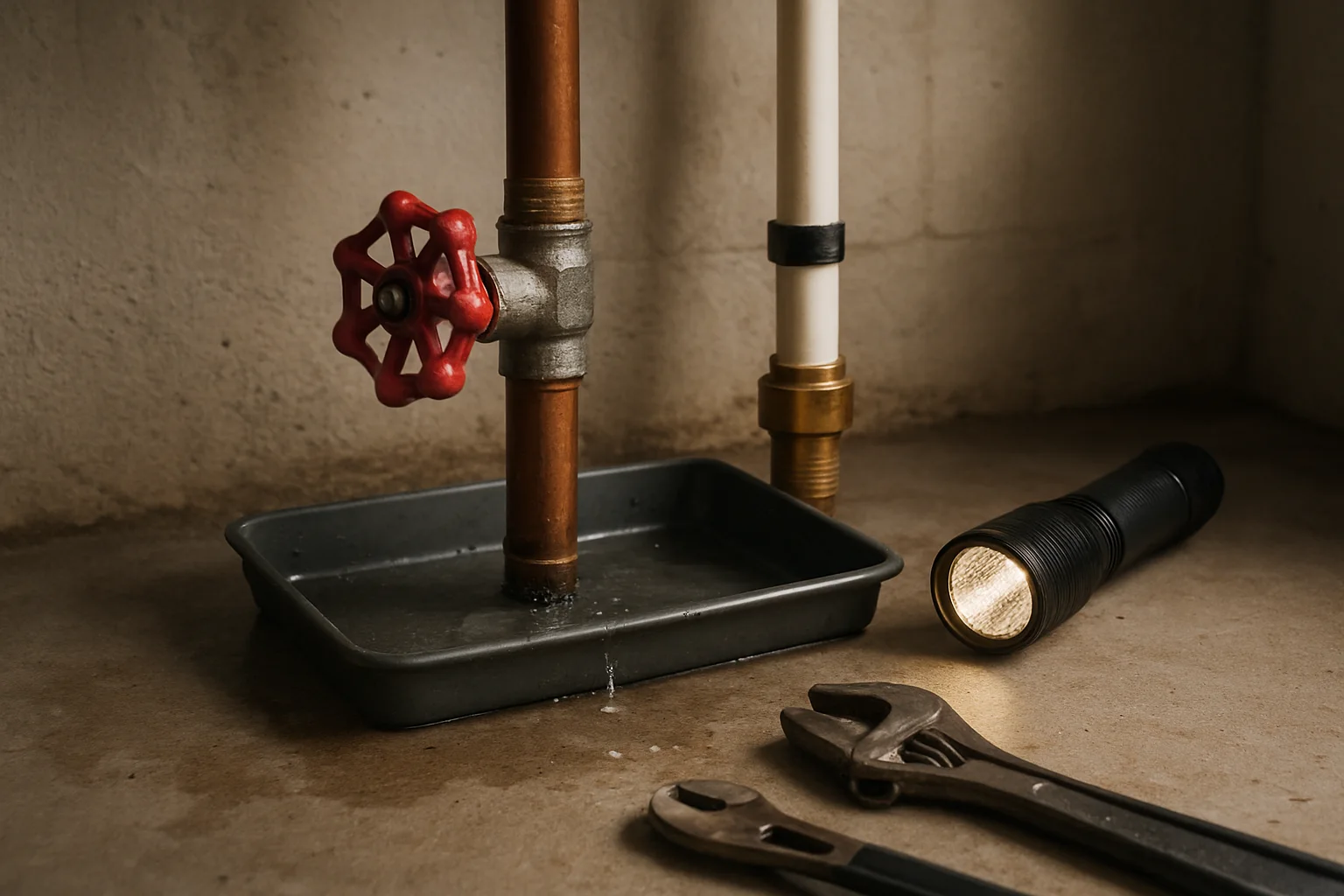
Why water leaks deserve prompt attention in Northwest Florida
In Bay, Walton, and Okaloosa counties, water leaks can turn into much larger home issues faster than many homeowners expect. High humidity, seasonal storms, salt air, shifting soil, and long cooling seasons all place constant stress on plumbing systems, fixtures, and building materials. A small leak that seems easy to ignore may slowly damage drywall, cabinets, flooring, insulation, and framing while also creating conditions that support mold growth. Even when a leak is not dramatic or obvious, the hidden moisture can weaken materials over time and raise repair complexity.
For homeowners, the first challenge is that many leaks do not announce themselves with a burst pipe or a puddle in the middle of the floor. They often begin as a slow drip, a loose fitting, a worn seal, or a pipe connection that only leaks under certain pressure conditions. In the Florida Panhandle, where many homes rely heavily on indoor cooling, moisture problems can be mistaken for condensation or normal humidity. That is why a careful professional assessment matters. A licensed plumbing professional can distinguish between a plumbing leak and other moisture sources, then recommend the right next steps before the damage spreads.
Common warning signs that a leak may already be present
Visible water is only one possible warning sign of a plumbing leak. Homeowners often notice less obvious clues first, such as a sudden increase in the water bill, the sound of running water when no fixtures are in use, or a damp smell that lingers in one area of the house. Stains on ceilings, bubbling paint, warped baseboards, soft flooring, and discoloration around cabinets or under sinks can all point to hidden moisture. In slab homes, unexplained warm spots, mildew odors, or cracks that seem to worsen with dampness may also justify a closer look. None of these signs proves a specific plumbing failure on its own, but together they can indicate that the home needs professional attention.
It is also common for homeowners to overlook intermittent symptoms. For example, a toilet may not appear to be leaking during a quick inspection, yet a weak wax seal, faulty fill valve, or worn flapper can waste significant water over time. Shower leaks may show up only after use, and outdoor irrigation connections can leak where the damage is hidden by soil or landscaping. A trained plumber can evaluate these symptoms in context, test likely sources, and help determine whether the issue is active, recurring, or coming from a different system entirely.
How professional diagnosis differs from guesswork
When a leak is suspected, many homeowners understandably want the fastest answer possible. But guesswork often leads to unnecessary demolition or temporary fixes that miss the real source. Professional diagnosis starts with a structured approach: listening to the homeowner’s observations, identifying where moisture appears, reviewing how and when the symptoms occur, and narrowing down the likely system involved. A plumbing professional may check supply lines, drain lines, fixture connections, shutoff valves, water heaters, toilets, hose bibs, and visible piping to identify the source or sources of the problem.
The value of a professional assessment is not just finding water. It is finding the path the water is taking and understanding whether the leak is active, intermittent, or caused by several small issues. In some cases, what looks like a plumbing leak is actually condensation from an air conditioning system, roof intrusion, or an appliance issue. A careful diagnosis helps prevent unnecessary repairs and ensures the true problem is addressed. For Northwest Florida homeowners, this matters because homes are often exposed to a mix of moisture risks. A reliable evaluation can save time, reduce disruption, and help limit damage to surrounding materials.
Why local conditions in Bay, Walton, and Okaloosa counties matter
Homes in coastal and near-coastal Northwest Florida face environmental conditions that can influence plumbing performance. Humidity can make minor leaks harder to notice because damp air and condensation may mask the first signs of trouble. Heavy rain can saturate the ground and make outdoor or slab-related leaks more difficult to distinguish from stormwater intrusion. Salt air may contribute to faster wear on exposed components, especially where metal parts, outdoor fixtures, and older connections are involved. Seasonal changes in occupancy can also matter in vacation and second-home settings, where a leak may go unnoticed longer if the property is unoccupied.
Soil movement and foundation behavior can also play a role. When ground conditions shift, pipes that are already aging or poorly supported may become more vulnerable to movement-related stress. In some homes, leaks are related to plumbing inside walls or beneath slabs, where access is limited and symptoms appear far from the actual source. That is why local experience is helpful. A plumber familiar with homes in the region can interpret signs in light of weather, construction style, and exposure patterns, then recommend an appropriate diagnostic strategy instead of relying on a one-size-fits-all assumption.
Kitchen and bathroom leaks that homeowners often miss
Kitchens and bathrooms are among the most common places for hidden leaks because they contain multiple water supply and drain connections in a compact area. Under-sink leaks can begin with loose supply lines, failing basket strainers, aging shutoff valves, or seal problems around fixtures. A homeowner may first notice a musty odor in the cabinet, swelling on the cabinet floor, or peeling laminate. In bathrooms, leaks can originate from sinks, tub spouts, shower valves, toilet bases, or even the overflow assembly. Small amounts of water can travel along framing or subflooring before becoming visible elsewhere, which makes the true source harder to spot without professional tracing.
Toilets deserve special attention because a failure may not show obvious standing water. A compromised seal, cracked tank component, or internal valve problem can waste water quietly and sometimes repeatedly. A homeowner may notice the toilet refilling on its own, a faint hissing sound, or movement in the water level when the fixture is not in use. A plumber can test the fixture, inspect seals and supply components, and determine whether the issue is in the tank, the base, or the connecting line. This type of diagnosis is especially important when a leak has already affected flooring or the room below, since the visible damage may be only one part of a larger moisture path.
Leaks around water heaters and utility spaces
Water heaters and adjacent utility areas are another common place where leaks become noticeable only after damage has spread. A homeowner might first see a wet pan, damp flooring, rust staining, or a water trail along the base of the unit. The source could be a fitting, a valve, a connection point, or the tank itself, and those possibilities require careful inspection. Because utility areas often contain multiple systems, including HVAC equipment, laundry hookups, and condensate drainage, the source of moisture may not be obvious at a glance. Professional diagnosis helps separate plumbing-related leaks from other nearby causes so the right repair can be made.
It is also important to remember that water heaters can show early warning signs before an obvious failure. Popping or rumbling sounds, corrosion around connections, temperature or pressure relief discharge concerns, and small intermittent drips all deserve attention. A plumber can assess whether the unit is leaking, whether a nearby fitting is the issue, and whether surrounding components are still in serviceable condition. If the leak has spread into drywall, flooring, or insulation, the assessment may need to include the extent of hidden moisture so repairs are not limited only to the visible area. In utility spaces, a timely inspection can make the difference between a contained fix and a broader restoration project.
Slab leaks and hidden piping concerns
Some of the most difficult leaks to identify are those that occur beneath a slab or behind finished surfaces. In slab homes, signs may include unexplained warm flooring, higher-than-normal water use, sounds of running water under the floor, or moisture appearing in isolated areas without an obvious source. Because the pipe is not exposed, the homeowner cannot reliably confirm the issue by visual inspection alone. A professional plumber can use diagnostic methods to narrow the location of the leak and help determine whether the problem is in supply piping, a branch line, or a fixture connection that is affecting a hidden area.
Behind walls and ceilings, leaks can also travel before becoming visible. A ceiling stain may form far from the source, and a wall cavity may hold moisture for a long time before the paint changes or the drywall softens. This delayed visibility is one reason homeowners should avoid assuming the stain itself marks the leak location. Professional assessment considers gravity, pipe layout, fixture placement, and the direction water is likely to move. The goal is to avoid opening unnecessary areas while still finding the actual source. For homeowners in Northwest Florida, where moisture can spread quickly and remain trapped in building materials, careful diagnosis is especially important.
Outdoor leaks, hose bibs, and irrigation-related concerns
Outdoor plumbing deserves attention because leaks outside the home can waste water and cause hidden damage to soil, foundations, and landscaping. Hose bibs, supply lines, irrigation connections, outdoor showers, and pool-related plumbing can all develop leaks over time. Because these areas are exposed to weather, wear, and occasional impact, problems may be less visible than indoor leaks but still significant. A homeowner may notice soggy patches in the yard, unusually lush spots in a dry area, a dripping hose connection, or water running where it should not be. Even a modest exterior leak can affect water use and put extra stress on the plumbing system.
For properties in Bay, Walton, and Okaloosa counties, outdoor leak diagnosis should consider both weather and landscape conditions. Heavy rain may temporarily hide leakage, while drought or heat can make damp spots stand out more clearly. Irrigation systems can also complicate the picture because the issue may involve timing, valves, or buried lines rather than a single exposed fitting. A plumber can help separate plumbing leaks from irrigation behavior and determine whether the issue is in an accessible fixture, a buried line, or a connection that needs repair. That professional review helps homeowners avoid repeated patching and ensures the leak source is properly understood.
What a plumber may inspect during a leak diagnosis
A thorough leak diagnosis usually begins with visible symptoms, then expands to the most likely sources based on the home’s layout and the homeowner’s observations. The plumber may inspect fixtures, shutoff valves, supply lines, drains, exposed piping, water heaters, utility connections, and areas where staining or moisture has appeared. In some cases, pressure behavior, fixture cycling, or sound patterns can help indicate whether the leak is on the pressurized supply side or the drainage side. That distinction matters because it influences both the repair approach and the urgency of the issue.
Depending on what is found, the plumber may recommend further evaluation of nearby surfaces or concealed spaces to confirm the leak’s path. The purpose is not to open walls or floors unnecessarily, but to make an informed decision about where the problem actually exists. A homeowner can help by sharing when the issue began, what conditions seem to trigger it, and whether the moisture appears after use, after rainfall, or continuously. That information improves the diagnostic process. In many cases, accurate assessment is the most important step because it prevents misdirected repairs and helps protect the rest of the home from avoidable damage.
Why delayed repairs can become more expensive to resolve
A small leak may seem manageable, but over time the consequences often extend beyond the plumbing itself. Repeated moisture exposure can damage paint, drywall, baseboards, insulation, cabinetry, flooring, and structural materials. It can also create conditions where mold and mildew are more likely to develop, especially in Florida’s humid climate. The longer the leak continues, the more likely it is that multiple materials will need attention. That means the repair may involve not only the plumbing source but also the affected surfaces and any hidden areas that were exposed to water.
There is also the risk that the homeowner becomes accustomed to a symptom and no longer notices its progression. A stain that starts small can expand slowly, a cabinet floor can soften over time, and a minor drip can become a more serious connection failure. Early professional diagnosis gives the best chance of identifying the true issue before broader damage occurs. In Northwest Florida homes, where humidity and storms can already challenge building materials, prompt assessment is a practical way to protect the property. A plumber can advise whether the leak requires immediate repair, monitoring, or further diagnostic work, helping homeowners make a clear and informed decision.
How to prepare for a professional plumbing visit
Homeowners can make a leak inspection more efficient by noting the symptoms before the plumber arrives. It helps to record where the moisture appears, when it first showed up, whether it changes with plumbing use, and whether any sounds, odors, or water bill changes have been noticed. If the leak is visible, take note of what is wet, where water seems to travel, and whether any nearby fixtures or appliances have been recently used. This information can help the plumber narrow the problem faster and choose the right inspection sequence. It is also useful to know whether the property has experienced recent storms, power loss, renovations, or appliance changes that may be relevant.
Homeowners should avoid opening walls, removing fixtures, or attempting invasive troubleshooting unless directed by a professional, since that can complicate diagnosis or create new damage. Instead, the most helpful step is often to provide clear observations and access to the affected area. If possible, clear items from under sinks or around utility spaces so the plumber can inspect safely and thoroughly. A professional assessment is most effective when it starts with reliable information and unrestricted access to likely sources. That combination allows for better diagnosis and a more targeted repair plan.
Why a local, veteran-owned plumbing company matters for homeowners
When a leak affects a home, many homeowners want a company that will approach the problem with discipline, clear communication, and practical problem-solving. 850 Plumber, part of veteran-owned A Superior Mechanical, serves Bay, Walton, and Okaloosa counties, FL, and offers local plumbing support for homeowners who need help understanding a leak concern. Local service matters because plumbing conditions vary by neighborhood, home age, and exposure, and a company serving the area regularly is better positioned to interpret those patterns. The goal is not to guess, but to assess carefully and recommend a repair path based on what is actually happening in the home.
For homeowners dealing with warning signs such as stains, odors, running-water sounds, or unexplained moisture, reaching out to a qualified local plumber is often the safest next step. A professional diagnosis can identify the source, explain the likely cause, and help reduce the chance of unnecessary damage. If you are in Bay, Walton, or Okaloosa counties and suspect a leak, calling 850-258-3225 can connect you with plumbing help that is focused on careful assessment and practical repair planning. Seasonal moisture concerns and hidden leak symptoms are easier to manage when they are evaluated early by a local professional who understands the homes and conditions of the region.
Explore related plumbing care
- Water Leak Repairs in Bay, Walton and Okaloosa Counties, FL
- Clean Water Services in Bay, Walton and Okaloosa Counties, FL
- Leak Detection & Slab Leak Repair in Bay, Walton & Okaloosa Counties, FL | 850 Plumber
- Water Filtration Services in Bay, Walton & Okaloosa Counties, FL
- Water Heater Repair in Bay, Walton and Okaloosa Counties, FL
- Water Heater Services in Bay, Walton & Okaloosa Counties, FL
Continue reading
- Water Leak Repairs in Northwest Florida: Seasonal Prevention and Homeowner Planning for Bay, Walton, and Okaloosa Counties
- Whole Home Water Purification Warning Signs and Professional Diagnosis for Northwest Florida Homes
- Water Line Repair in Walton County, FL: Warning Signs and Professional Diagnosis for Northwest Florida Homeowners
Talk with the 850 Plumber team for help with your home or business.