
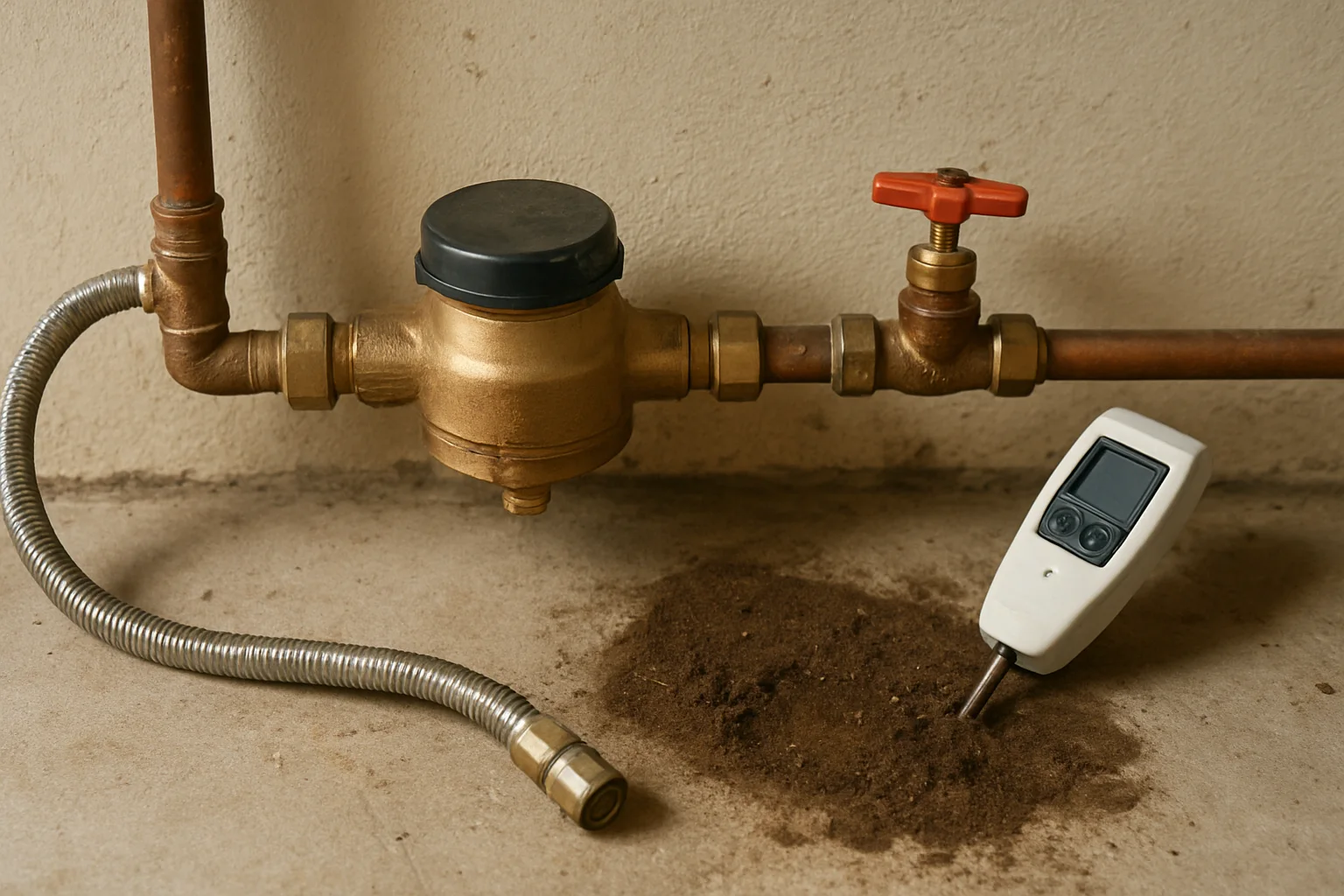
Why Water Line Problems Deserve Attention in Northwest Florida
A home’s main water line is easy to overlook because most of it is hidden underground or behind finished surfaces. Yet when something goes wrong with that line, the effects can show up quickly in daily life: lower water pressure, unexplained wet areas, rising utility bills, or even a loss of water service. In Walton County, FL, these issues can be especially frustrating because homeowners already deal with local soil conditions, seasonal rain, and the wear that comes from long-term use. A water line problem is not just an inconvenience. It can affect the comfort, safety, and integrity of the property.
For homeowners in Bay, Walton, and Okaloosa counties, professional assessment matters because water line symptoms often overlap with other plumbing issues. A pressure drop might come from a supply line issue, a fixture problem, or a failing valve. Damp landscaping might point to irrigation, drainage, or a buried leak. A qualified plumber can sort through those possibilities with the right tools and experience. 850 Plumber, part of veteran-owned A Superior Mechanical, serves local homeowners with water line repair services designed to identify the source of the problem and recommend the most practical next step. If you notice something unusual, call 850-258-3225 for help from a local team that understands Northwest Florida plumbing conditions.
How a Water Line Works in a Home Plumbing System
The main water line is the pathway that brings pressurized water from the utility connection or meter to the home’s plumbing system. From there, water is distributed to faucets, toilets, appliances, hose bibs, and other fixtures. Because the line is pressurized, even a small break or weakened section can create noticeable symptoms. In many homes, the line runs underground for part of its route, which means a problem may not be visible until signs begin appearing inside or around the property. That hidden layout is one reason water line diagnosis should be handled professionally rather than by guesswork.
A water line can fail for several reasons. Age is one factor, but it is not the only one. Soil movement, corrosion, shifting ground, tree root pressure, accidental damage during landscaping, and deterioration at fittings or joints can all contribute. In coastal and near-coastal Florida communities, moisture and soil conditions can add more stress over time. The result may be a slow leak, a partial restriction, or a more obvious break. Because the system is buried or enclosed, the true cause is rarely visible from the surface. A professional plumber uses observation, pressure checks, and diagnostic methods to narrow down the issue without unnecessary digging or disruption.
Common Warning Signs Homeowners Notice First
Many water line problems begin with subtle clues rather than dramatic flooding. One of the most common warning signs is a change in water pressure. If showers seem weak, faucets take longer to fill containers, or multiple fixtures feel underpowered at the same time, the issue may be more than a clogged aerator or a single fixture problem. Another sign is water that looks discolored or carries sediment after periods of normal use. While that can sometimes happen briefly after municipal work or plumbing changes, recurring discoloration deserves attention. These symptoms may indicate corrosion, pipe damage, or disturbance in the supply line.
Homeowners may also notice sounds that suggest the plumbing system is under stress. Hissing, rushing, or unusual water movement when fixtures are off can be an important clue. A constantly spinning water meter, if present and observable, may also suggest that water is escaping somewhere in the system. Outdoors, wet spots, unusually green patches of grass, soft soil, or pooling water near the meter or along a buried line route are worth taking seriously. These signs do not prove a main line failure on their own, but they are strong reasons to schedule a professional inspection. The sooner the problem is checked, the better the odds of limiting property damage and avoiding a more serious interruption in service.
Why Water Bills Can Be an Early Clue
A water bill can tell a homeowner a lot, even before obvious physical symptoms appear. If usage rises without a clear explanation, such as guests, extra laundry, more irrigation, or seasonal activity, hidden leakage becomes one possibility to consider. Because the main water line is under constant pressure, even a leak that seems small can waste a meaningful amount of water over time. That waste can show up as an unexpectedly high bill before the leak becomes visible at the surface. In some cases, the home may still receive water normally while the line is slowly losing pressure and efficiency.
It is important not to assume every bill increase means a water line failure. A professional diagnosis looks at the full picture, including indoor fixture use, irrigation schedules, recent weather, appliance operation, and any known plumbing changes. Still, when a bill increases and no lifestyle reason explains it, a plumber should investigate. The sooner the issue is confirmed, the more options may be available. A hidden leak found early may be easier to address than a line that has had weeks or months to worsen underground. Homeowners in Walton County who suspect a problem can contact 850 Plumber at 850-258-3225 to arrange an assessment focused on identifying the source before more water is lost.
Signs Outdoors Can Point to a Buried Leak
Outdoor signs often give the clearest hints that a water line may be failing underground. One common clue is a patch of lawn that stays wetter than the surrounding area, even during dry weather. Another is a section of grass that grows faster, darker, or thicker because it is receiving extra moisture from below. In some cases, the ground may feel soft, sink slightly, or develop a muddy area where no irrigation head is present. Near sidewalks, driveways, or foundations, unexplained dampness or a consistent flow of water can also signal a buried pipe problem. These symptoms should not be ignored simply because they appear outside the home.
Outdoor indicators can be complicated by Florida’s climate. Heavy rainfall, irrigation systems, drainage patterns, and shaded areas can all affect how the yard looks and feels. That is why homeowners should treat these observations as clues, not proof. A professional plumber can evaluate whether the issue is coming from the main water line, an irrigation line, a hose connection, or another source. In Walton County, where moisture patterns can change quickly with the weather, experience matters. A careful diagnosis helps avoid unnecessary excavation and focuses attention on the most likely cause. If your yard shows a suspicious wet area or the soil suddenly changes without explanation, it is a good time to have the plumbing system checked.
Indoor Symptoms That Should Not Be Dismissed
Water line trouble does not always start outside. Sometimes the first signs appear indoors as subtle plumbing changes that slowly become harder to ignore. Multiple fixtures losing pressure at the same time can suggest a supply issue affecting the entire house. A toilet that refills slowly, a shower that seems weaker than usual, or a sink that takes much longer to fill may all fit this pattern. If the home has been stable for years and then several fixtures begin acting differently at once, the main line should be part of the investigation. The plumbing system often gives hints before a complete failure happens.
Other indoor signs can include damp flooring, stains on walls or ceilings, or persistent musty odors in areas where water may be collecting behind surfaces. Not every moisture problem comes from a water line, but plumbing is always one of the possibilities to rule out. Homeowners should avoid tearing into walls or floors without a diagnosis because the visible symptom may not match the actual leak location. A plumber can use targeted inspection methods to determine whether the problem is in the water line, a branch line, a fixture, or another component. This approach reduces unnecessary damage and helps the homeowner understand the real issue before repair decisions are made.
How Professional Diagnosis Protects the Property
Professional diagnosis is valuable because a water line issue is not always where it seems to be. Water follows the path of least resistance, so a wet floor, soggy yard, or visible stain may be some distance away from the actual failure. A trained plumber looks for patterns rather than relying on one symptom alone. That process may include checking pressure, inspecting visible piping, reviewing meter behavior, listening for hidden water movement, and assessing where moisture is accumulating. The goal is to find the source with as little disruption as possible.
This matters because unnecessary digging can create more problems than it solves. Without a clear diagnosis, homeowners may spend time and effort exposing the wrong area while the real leak continues elsewhere. A professional assessment helps protect landscaping, hardscape, and interior finishes by narrowing the repair zone before work begins. It also helps determine whether a repair or a larger section replacement is more appropriate. For homeowners in Northwest Florida, that clarity is especially useful because local soil, weather, and property layouts can complicate the picture. 850 Plumber approaches water line repair with a focus on identifying the cause first, then recommending a solution that fits the condition of the system.
What Plumbers Look For During an Inspection
A water line inspection usually starts with a conversation about the symptoms, timing, and changes the homeowner has noticed. That history matters because it helps point the plumber toward the most likely cause. From there, the plumber may examine the water meter area, visible service lines, shutoff valves, and any places where moisture is showing up. The inspection may also include pressure-related observations and checks of indoor fixtures to determine whether the issue is isolated or system-wide. By comparing all these clues, the plumber can create a more accurate picture of what is happening underground or behind the walls.
Professional diagnosis is not a single step but a process of elimination. If the symptoms suggest a leak, the plumber works to separate that possibility from other causes such as valve issues, fixture wear, or irrigation problems. If the line appears restricted rather than broken, the focus may shift to material condition or buildup. If the issue seems to involve the home’s service entry, the inspection may center there. The value of this method is precision. Instead of replacing parts based on a hunch, the plumber uses evidence to guide the repair plan. That protects the homeowner from unnecessary work and gives a clearer understanding of the condition of the plumbing system.
Why North Florida Conditions Can Affect Water Lines
Walton County and the surrounding Northwest Florida area present conditions that can influence how plumbing ages. Seasonal rainfall can saturate soil and then leave it to dry and shift later, creating movement around buried lines. Coastal humidity and sandy or mixed soils can also affect how pipe supports settle over time. In some locations, tree roots may seek out moisture and create pressure around underground plumbing. Even if these factors do not cause an immediate failure, they can contribute to wear that develops gradually. That is why water line issues here may seem to appear suddenly even though the underlying damage has been building for a while.
Homeowners should not assume that a pipe is safe simply because it has worked for years. Age and environment both matter. Older systems may use materials that are more vulnerable to corrosion, joint wear, or fracture under stress. Newer systems can also develop issues if the line is disturbed by landscaping, construction, or shifting ground. Because local conditions can influence both the symptoms and the repair approach, it helps to work with a plumber familiar with the region. A professional who serves Bay, Walton, and Okaloosa counties understands that a water line problem in Northwest Florida is not just about the pipe itself; it is also about the conditions around it.
Repair Versus Replacement: Why the Right Recommendation Matters
Once the issue is identified, homeowners often want to know whether the line can be repaired or needs replacement. The answer depends on the location, severity, material condition, and age of the pipe, along with how widespread the damage is. A localized problem may be suitable for repair if the rest of the line remains in acceptable condition. However, if the system shows recurring leaks, extensive corrosion, multiple weak points, or significant deterioration, replacement may be the more practical long-term path. The right choice is not based on guesswork but on the findings from the inspection.
A good professional recommendation balances immediate needs with long-term reliability. A repair may solve a specific problem and restore service quickly, while replacement may provide a more comprehensive answer if the line is failing in several places. Homeowners should feel comfortable asking why a certain option is being suggested and what signs led to that conclusion. Clear communication is part of a trustworthy assessment. 850 Plumber provides homeowners with straightforward guidance based on the condition of the water line and the actual symptoms observed. That allows the homeowner to make an informed decision rather than reacting to a scare or a vague description of the problem.
What Homeowners Can Safely Do Before the Plumber Arrives
There are a few safe steps homeowners can take while waiting for a professional evaluation, but they should avoid risky or invasive attempts to fix the line themselves. First, note the symptoms: where water is appearing, when pressure changed, whether the problem affects the whole house or only certain fixtures, and whether the water bill recently increased. Taking photos of wet spots or discoloration can also be helpful. If the water meter area is accessible, a homeowner may simply observe whether anything seems unusual, but they should not attempt to dismantle plumbing components or dig around buried lines. The main goal is to gather information, not to perform repairs.
It is also wise to reduce unnecessary water use if a serious leak is suspected, especially if indoor moisture is spreading. However, homeowners should not shut off water systems or components they do not understand, because that can create confusion or additional issues. The safest response is to document the symptoms, protect belongings from moisture when possible, and call a licensed professional for diagnosis. Avoiding hazardous DIY work is especially important with pressurized supply lines, where an incorrect action can worsen damage quickly. A trained plumber has the equipment and experience to investigate safely and efficiently. If you need that help in Walton County, 850 Plumber can be reached at 850-258-3225.
How Timely Service Helps Limit Damage and Stress
A suspected water line issue is easiest to manage when it is addressed early. Waiting too long can allow a small leak to become a bigger one, increasing the chance of property damage, soil erosion, mold-friendly moisture, or interruption in service. Even when the problem seems manageable, hidden water loss can affect the home in ways that are not immediately obvious. That is why timely diagnosis is so important. The sooner the source is found, the sooner the homeowner can move from uncertainty to a clear plan. In many cases, simply knowing what is wrong lowers stress because the situation becomes understandable and actionable.
Timely service also helps preserve options. Early detection may allow for a more targeted repair rather than a broader, more disruptive solution later. It can also help homeowners plan around the work instead of reacting to an emergency. For families, rental properties, and seasonal homes in Walton County, that kind of planning matters. A professional inspection does more than identify a leak; it provides a roadmap for what comes next. 850 Plumber supports homeowners in Bay, Walton, and Okaloosa counties with water line repair services focused on careful diagnosis and practical solutions. If warning signs are showing up, calling sooner rather than later is the best way to protect the property and restore confidence in the plumbing system.
Choosing a Local Plumbing Team for Water Line Concerns
When selecting a plumber for water line repair, homeowners should look for a team that understands the local area and communicates clearly about the findings. A water line issue is not the place for vague estimates or rushed assumptions. The homeowner should expect the plumber to explain what signs were seen, what was checked, and why a particular solution is recommended. Local experience is valuable because it helps the plumber account for regional soil conditions, weather patterns, and the practical realities of Northwest Florida homes. That local perspective can make diagnosis more efficient and the repair plan more relevant to the property.
For homeowners in Walton County, a reliable point of contact is 850 Plumber, part of veteran-owned A Superior Mechanical, serving Bay, Walton, and Okaloosa counties FL. The company’s phone number is 850-258-3225. If your home is showing signs such as weak pressure, unexplained wet spots, rising water bills, or other symptoms that suggest a possible water line issue, a professional assessment is the next best step. Water line repair is not just about fixing a pipe; it is about understanding the condition of the system and protecting the home from further damage. With the right diagnosis, homeowners can make informed decisions and move forward with confidence.
Explore related plumbing care
- Water Line Repair in Walton County, FL
- Water Heater Repair in Bay, Walton and Okaloosa Counties, FL
- Water Line Replacement in Bay, Walton & Okaloosa Counties, FL
- Water Line Services in Bay, Walton and Okaloosa Counties, FL
- Clean Water Services in Bay, Walton and Okaloosa Counties, FL
- Leak Detection & Slab Leak Repair in Bay, Walton & Okaloosa Counties, FL | 850 Plumber
Continue reading
- Water Line Warning Signs for Northwest Florida Homeowners: When to Schedule a Professional Diagnosis
- Water Line Replacement for Northwest Florida Homeowners: Warning Signs and Professional Diagnosis
- Water Leak Repairs in Northwest Florida Homes: Warning Signs and Professional Diagnosis for Bay, Walton, and Okaloosa Counties
Talk with the 850 Plumber team for help with your home or business.