
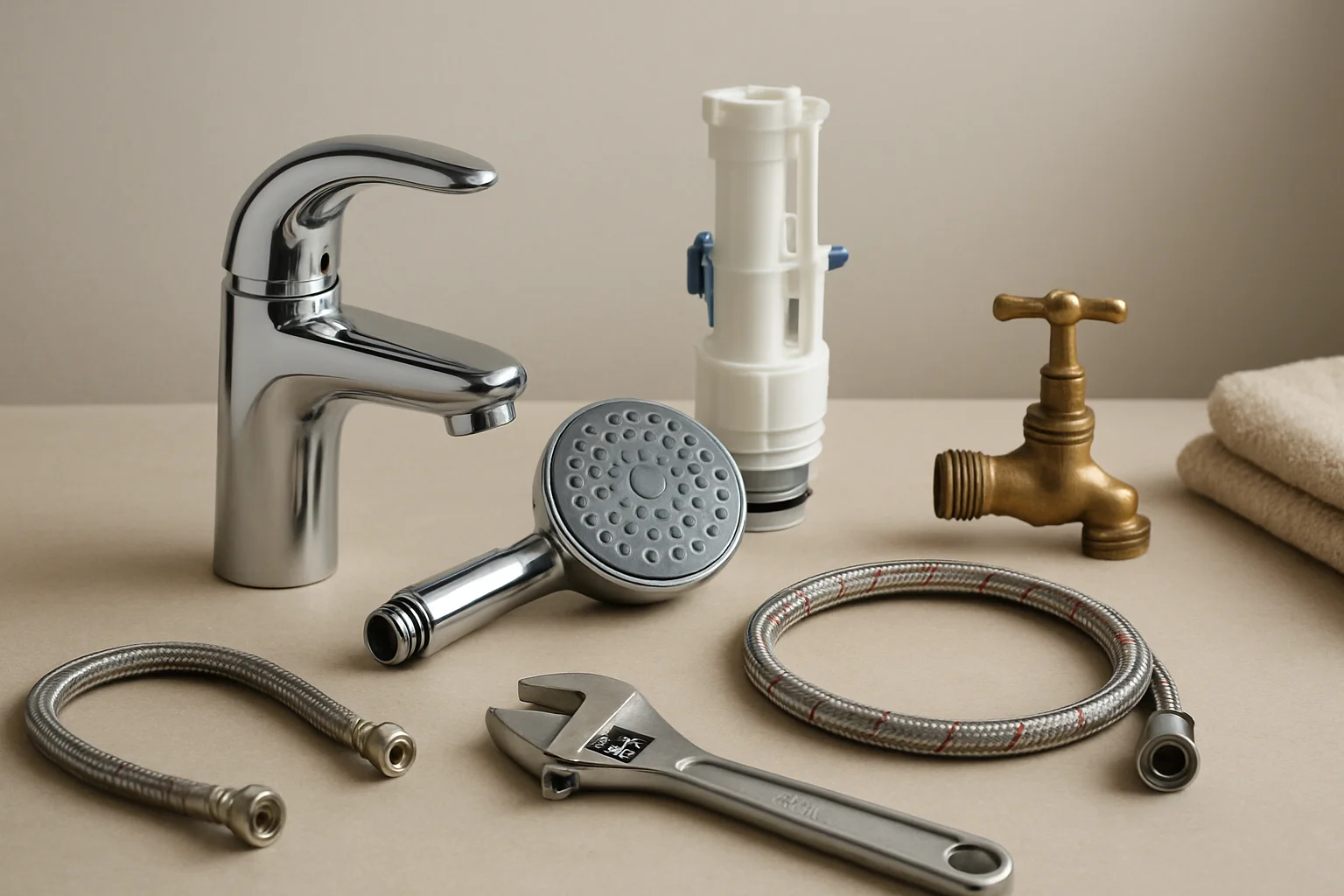
Why fixture care matters in Northwest Florida homes
Plumbing fixtures do much more than deliver water on demand. Faucets, sinks, toilets, showers, tub valves, hose bibs, and utility connections all affect comfort, water use, and the condition of the spaces around them. In Bay, Walton, and Okaloosa counties, the mix of coastal humidity, heavy summer use, seasonal visitors, and storm-related stress can make fixture maintenance especially important. Small leaks, loose seals, worn cartridges, and aging supply lines often begin as minor annoyances but can gradually lead to staining, warped cabinetry, hidden moisture, or unexpected water waste.
Homeowners often notice fixture issues only after performance changes become obvious, such as a handle that feels loose, a toilet that runs between flushes, a shower that loses pressure, or a faucet that leaves mineral buildup behind. A professional assessment helps determine whether the problem is isolated to the fixture or tied to water pressure, supply valves, drain performance, or installation quality. For many homes in Northwest Florida, preventive care is the most reliable way to reduce surprise repairs and keep everyday plumbing working smoothly through humid summers, holiday gatherings, and periods of weather stress.
Common fixture problems homeowners notice first
Most fixture trouble starts with changes that are easy to overlook at first. A faucet may take longer to shut off cleanly, a toilet may refill too frequently, or a shower may deliver uneven temperature changes. Under-sink leaks can appear as a musty smell, soft cabinet bottoms, or small water marks on the back of a vanity. Outdoor fixtures can show corrosion, drips, or reduced flow after exposure to weather and regular use. These symptoms do not always indicate a major failure, but they do signal that something in the system deserves attention.
It is helpful to think of a fixture issue as a performance change rather than just a visible leak. A plumber can inspect the fixture body, shutoff valves, supply connections, trim components, drain seals, and nearby piping to determine the actual source. In many cases, what appears to be a fixture problem may be related to mineral buildup, a deteriorated washer, a failing internal seal, or a valve that no longer closes fully. A careful evaluation helps avoid replacing parts that are still sound while ensuring the true problem is addressed before it spreads to nearby surfaces or hidden areas.
How Florida climate affects plumbing fixtures
Northwest Florida weather can be hard on plumbing components even when the fixture itself is indoors. High humidity encourages corrosion on exposed metal parts, especially around sinks, shower trim, and outdoor hose connections. Salt-laden coastal air may also contribute to faster wear on finishes and fasteners in some locations. When homes stay closed up during hotter months or are used seasonally, fixtures may sit unused for stretches of time, which can allow seals to dry out, traps to evaporate, or moving parts to stiffen.
Seasonal weather patterns also matter. Periods of heavy rain can reveal drainage weaknesses or overflow risks, while storm preparation may involve checking shutoff valves and exterior fixtures for reliable operation. Warm weather can increase fixture demand because of guests, kids at home, and outdoor cleanup. In colder snaps, even mild ones by northern standards, homeowners may notice that older outdoor fixtures or exposed piping deserve a closer look. A professional assessment considers local climate stress along with age, materials, and usage patterns so fixture recommendations fit the realities of homes in Bay, Walton, and Okaloosa counties rather than a one-size-fits-all approach.
What professional fixture installation includes
Professional fixture installation is more than connecting a new faucet or toilet and turning the water back on. A plumber evaluates compatibility with the existing plumbing, checks shutoff valve condition, confirms that supply lines and mounting points are appropriate, and verifies that drain and vent connections will support proper operation. If a fixture replacement is being performed, the installer also looks for worn gaskets, damaged threads, unstable framing, or signs that the prior fixture was stressed by poor fit or long-term movement. These details matter because a poorly matched installation can create recurring leaks or premature wear.
A proper installation should also account for the room around the fixture. For example, a bathroom sink must be secured in a way that supports daily use without stressing the countertop or vanity. A toilet should be seated correctly to prevent rocking and seal issues. A shower valve or trim set should be aligned with the wall assembly and pressure conditions. In kitchens and laundry rooms, installers need to consider splash zones, cabinet clearances, and water supply accessibility. Homeowners benefit when the work is done with both function and long-term maintenance in mind, not just appearance on the day the fixture is installed.
Maintenance tasks that help fixtures last longer
Routine fixture care is often simple, but it has a big effect on service life. Cleaning aerators and showerheads helps maintain flow and reduces buildup that can make fixtures seem weak or uneven. Checking under sinks for dampness, rust, or mineral residue can catch a small leak early. Tightening a loose handle or trim piece may help the fixture feel more secure, but it is also important to know when that looseness signals deeper wear that should be inspected professionally. Regular cleaning around caulk lines and base connections also helps homeowners notice changes before water intrusion becomes hidden.
Maintenance should be gentle and appropriate to the finish. Harsh cleaners can damage polished surfaces, trim, and seals. Abrasive scrubbing may scratch protective coatings and make fixtures harder to keep clean over time. Homeowners should also pay attention to water pressure changes, slow drains, or recurring odor issues because those symptoms may point to broader plumbing conditions rather than a simple cosmetic concern. A periodic professional checkup is especially useful when a home has older fixtures, multiple baths, vacation-use patterns, or recently renovated spaces that may need fine-tuning after installation.
Bathroom fixture care: sinks, faucets, showers, and toilets
Bathrooms usually contain the greatest concentration of fixtures, which makes them one of the best places to focus preventive care. Faucets and shower valves are used constantly, so internal seals and cartridges experience regular wear. Toilets can develop running issues, weak flushes, or condensation-related problems that affect adjacent flooring and trim. Bathroom sinks often show the earliest signs of mineral buildup because they are frequently exposed to hand soaps, toothpaste residue, and standing droplets around the drain area. Even when problems seem small, bathroom fixture issues can become inconvenient quickly because the room is used every day by the whole household.
Professional assessment is particularly valuable in bathrooms because several components work together. A dripping faucet may involve the cartridge, supply lines, handles, or mounting hardware. A toilet problem may involve the fill valve, flapper, supply connection, or wax seal, and the correct fix depends on identifying the actual cause. Shower performance can be affected by valve age, trim fit, or pressure balance concerns. When a plumber inspects these fixtures, the goal is to determine whether a repair, adjustment, or replacement is the most reliable option for the home’s current condition and usage level.
Kitchen fixture care: sinks, faucets, disposals, and utility connections
Kitchen fixtures face heavy and varied use. The sink and faucet are used for food prep, cleanup, and routine washing, which means they may be exposed to more temperature changes and more frequent cycling than many bathroom fixtures. A kitchen faucet that drips or sprays unevenly can make a workspace frustrating to use, while a loose mounting base can allow water to seep where it does not belong. Utility connections in kitchens, including dishwasher supply and drain-related components, also deserve attention because hidden leaks can damage cabinets and subfloors before anyone notices the source.
Homeowners should keep an eye on how quickly the sink drains, whether the faucet handle moves smoothly, and whether the cabinet below the sink stays dry. A professional can inspect the fixture body, supply shutoffs, drain assemblies, and connected appliances to determine whether a repair is enough or if replacement would be a better long-term choice. In homes with coastal or vacation-use patterns, kitchen fixtures may also need occasional testing after extended periods without regular use. A careful assessment helps ensure the kitchen remains dependable for everyday meals, guests, and seasonal gatherings without unexpected interruptions.
Outdoor fixtures and hose bibs in coastal Florida
Outdoor fixtures often get overlooked until they fail. Hose bibs, spigots, irrigation-related connections, and exterior utility taps are exposed to sun, rain, humidity, and temperature swings. In Northwest Florida, that exposure can accelerate wear on washers, packing nuts, sealant points, and exposed metal surfaces. Even a slow drip outside should not be ignored because it can waste water, attract staining, and sometimes indicate that the wall penetration or nearby piping needs attention. Outdoor fixture issues can also become more noticeable after storms or periods of intense landscaping activity.
A professional inspection of outdoor fixtures looks beyond the visible spout. The plumber may check whether the shutoff operates properly, whether the fixture is securely mounted, and whether the wall area shows signs of hidden leakage or moisture intrusion. Where applicable, freeze-prone or wind-exposed areas may need special attention to fixture condition and protection. Because outdoor fixtures are often used for washing vehicles, yard tools, and seasonal cleanup, homeowners benefit from making them part of routine maintenance rather than waiting for a failure. Reliable outdoor water access is especially useful in a region where landscaping and storm preparation are part of the normal homeowner routine.
Signs a fixture should be repaired or replaced
Knowing when to repair and when to replace a fixture can save time and reduce repeat service calls. Repair may make sense when the fixture is otherwise in good condition and the problem is isolated, such as a worn seal, loose handle, clogged aerator, or failing internal component. Replacement may be the better route if the fixture has recurring leaks, visible corrosion, unstable mounting, frequent temperature issues, or parts that are no longer practical to maintain. Age alone does not automatically mean replacement is needed, but older fixtures may become harder to service if components are worn or discontinued.
A professional plumber can help distinguish between surface symptoms and underlying condition. For example, repeated toilet running might suggest internal tank parts are wearing out, but if the fixture has been repaired multiple times and still wastes water, replacement could be more efficient. A faucet that no longer seats securely or a shower valve with unreliable performance may also be better replaced than repeatedly patched. Homeowners in Bay, Walton, and Okaloosa counties often benefit from asking not only what is broken, but how the fixture performs under daily use and whether the current installation still suits the home’s needs.
Planning fixture work before seasonal demand increases
Seasonal planning is one of the smartest ways to manage plumbing fixtures in Northwest Florida. Before periods of heavier household activity, such as holidays, summer visitors, or long weekends, homeowners can benefit from checking for slow leaks, weak flow, loose handles, or other signs of wear. Addressing fixture issues in advance reduces the chance of a breakdown when the house is full and plumbing is working harder. This kind of planning is especially useful in homes that see seasonal occupancy or higher-than-usual guest use at certain times of year.
Planning ahead also matters because small fixture problems can become more disruptive during storms or times when access to service may be more difficult. A bathroom faucet that has been drizzling for months may suddenly become a nuisance if the household increases, and a toilet that already runs intermittently may be more noticeable when more people are using the home. Professional assessment before busy seasons allows a plumber to identify weak points, verify shutoff operation, and recommend practical next steps. Seasonal care is not about alarm; it is about reducing avoidable inconvenience and helping fixtures stay dependable when the household needs them most.
Why water pressure and water quality matter for fixtures
Fixture performance depends heavily on the water conditions feeding it. Water pressure that is too high can strain valves, washers, supply lines, and toilet fill components, while pressure that is too low can make showers and sinks feel weak or inconsistent. Water with mineral content can leave buildup inside aerators, showerheads, and moving parts, leading to reduced flow or stiff operation over time. Even when a fixture itself is well made, poor water conditions can shorten its useful life or make it seem defective when the real issue is system-wide.
A professional plumber can help determine whether a fixture problem is local or connected to broader conditions in the home’s plumbing. The assessment may include checking pressure behavior, looking for buildup, and confirming whether the fixture is compatible with the existing supply setup. If a homeowner has repeated issues across multiple fixtures, that pattern can be a clue that a larger pressure or maintenance concern is present. By treating the fixture as part of the whole plumbing system, homeowners can make more informed decisions about repairs, upgrades, and maintenance priorities without guessing at the cause of the problem.
What homeowners can observe safely before calling a plumber
Homeowners do not need to disassemble fixtures to notice useful warning signs. It is safe and helpful to observe whether a faucet drips after use, whether a toilet continues to refill or runs between flushes, whether there is moisture around supply connections, or whether a sink cabinet has soft spots or odor. Homeowners can also listen for unusual sounds such as hissing, tapping, or whistling, and they can note whether the problem happens all the time or only under certain conditions. These observations give a plumber a clearer picture of the issue and often make the assessment more efficient.
What homeowners should avoid is forcing parts, opening sealed plumbing assemblies, or trying to correct hidden leaks with makeshift materials. A fixture may appear simple, but the wrong adjustment can worsen the problem or conceal it long enough for water damage to spread. If there is visible pooling, active leaking, or a fixture that no longer functions properly, the safest step is to have it assessed by a professional. Careful observation from a homeowner is valuable; invasive troubleshooting is usually best left to a plumber with the right tools and experience.
How 850 Plumber supports fixture installation and maintenance needs
For homeowners in Bay, Walton, and Okaloosa counties, having a reliable local plumbing resource matters when fixture issues appear at inconvenient times. 850 Plumber, part of veteran-owned A Superior Mechanical, serves the area with plumbing support for installation, maintenance, and professional assessment of fixture-related concerns. Whether the issue is a dripping faucet, a toilet that will not behave consistently, a shower that needs attention, or an outdoor fixture that no longer performs as expected, the right first step is a clear evaluation of the problem and the surrounding plumbing conditions. The phone number is 850-258-3225 for homeowners who want to discuss service needs.
A good fixture service visit focuses on function, fit, and long-term reliability. That means looking beyond the visible symptom to determine whether the fixture itself, its connections, or an underlying plumbing condition is responsible. Homeowners benefit from recommendations that fit the home’s age, usage level, and seasonal demands. Because this is an evergreen resource prepared for seasonal planning, the practical takeaway is simple: regular attention to fixtures can help reduce waste, improve daily comfort, and prevent avoidable water damage. Professional assessment turns uncertainty into a workable plan and helps homeowners make confident decisions about repair or replacement when the time comes.
Explore related plumbing care
- Plumbing Fixture Installation & Maintenance in Bay, Walton and Okaloosa Counties, FL
- Drain Cleaning & Maintenance in Bay, Walton and Okaloosa Counties, FL
- Plumbing Fixture Replacement in Freeport, FL
- Plumbing Installation in Bay, Walton & Okaloosa Counties, FL
- Plumbing Maintenance in Bay, Walton and Okaloosa Counties, FL
- Sewer Repair & Maintenance in Bay, Walton and Okaloosa Counties, FL
Continue reading
- Plumbing Fixture Repair or Replacement: A Northwest Florida Homeowner Guide for Bay, Walton, and Okaloosa Counties
- Water Heater Maintenance in Santa Rosa Beach, FL: A Seasonal Homeowner Guide for Northwest Florida
- Sewer Repair and Maintenance in Northwest Florida: A Homeowner’s Guide for Bay, Walton, and Okaloosa Counties
Talk with the 850 Plumber team for help with your home or business.