
Why Northwest Florida Drains Need Special Attention
Homes in Bay, Walton, and Okaloosa counties deal with plumbing conditions that can be different from what homeowners read about in generic drain advice. Sandy soil, coastal humidity, high groundwater in some areas, older plumbing in established neighborhoods, and heavy seasonal use can all affect how drains perform. Add in the reality of kitchen grease, soap residue, hair, toilet paper buildup, and occasional storm-related strain on home systems, and it is easy to see why slow drains can become a recurring concern rather than a one-time annoyance.
Hydro jetting is one professional method plumbers use to clear and clean interior pipe walls with high-pressure water. It is not a cure-all, and it is not the first step in every situation. A qualified plumber first needs to understand what is happening inside the drain system, whether the issue is a partial blockage, scale buildup, grease accumulation, root intrusion, or a damaged line. That diagnostic step matters because the wrong cleaning method can waste time or fail to address the real problem.
For homeowners in Northwest Florida, the biggest takeaway is that repeated drain trouble should not be treated as routine. A sink that clogs again and again, a shower that empties slowly despite cleaning the visible strainer, or a sewer line that backs up after normal household use may signal a deeper issue. Hydro jetting can sometimes help restore flow and improve the interior condition of a pipe, but only after a professional evaluates whether the piping is suitable for that service and whether other repairs are needed first.
What Hydro Jetting Actually Does
Hydro jetting uses a specialized hose and nozzle to send pressurized water through a drain or sewer line. The goal is not simply to punch a hole through a clog. Instead, the water streams are designed to scour the inner pipe surfaces and move debris out of the line. That can be useful when buildup clings to pipe walls, such as grease, sludge, soap scum, mineral residue, or soft organic debris. In the right situation, this can improve flow more thoroughly than a simple mechanical snaking.
Because hydro jetting cleans as it clears, it is often considered when the problem is recurring or widespread inside a line. A cable or auger may open a path through a blockage, but the residue on the pipe walls can remain. That remaining buildup may catch new debris and lead to another clog soon after. A professional may recommend hydro jetting when the line appears structurally sound enough to tolerate it and when the diagnosis suggests a more complete cleaning will provide better results.
It is important to understand that hydro jetting is a professional service, not a universal fix. The equipment, pressure selection, nozzle type, and line condition all matter. A trained plumber evaluates the system first, because damaged, fragile, or improperly connected piping may need a different approach. In other words, the benefit of hydro jetting comes from pairing the cleaning method with an informed diagnosis, not from using high pressure alone.
Warning Signs That Point to a Deeper Drain Problem
Many homeowners first notice a plumbing issue through subtle symptoms. A kitchen sink may drain more slowly than it used to. A toilet may gurgle after another fixture is used. A shower may leave standing water around your ankles. These signs do not always mean you need hydro jetting, but they do suggest that something more than normal wear may be happening inside the drain system. The earlier the problem is evaluated, the more options a plumber usually has for addressing it efficiently.
More urgent warning signs include repeated clogs in multiple fixtures, backups that return after temporary clearing, unpleasant sewer odors, and water rising in tubs or showers when a toilet is flushed. Homeowners may also notice that drains make noises when water is running elsewhere in the house. These clues can indicate a partial obstruction in a branch line or main line, and the location of the symptom may not always match the actual location of the blockage. That is why professional diagnosis matters.
In coastal counties, humidity and household usage patterns can contribute to buildup that develops gradually. Vacation homes or properties with intermittent occupancy can also experience issues when plumbing is used heavily after periods of less frequent operation. If several drains start acting up at once, or one fixture keeps clogging despite normal cleaning, a plumber should inspect the system rather than assuming the issue is only at the fixture itself. Persistent symptoms often indicate a line-level problem that needs a closer look.
Why Multiple Slow Drains Matter
A single slow drain may be caused by a localized issue at that fixture, such as hair in a shower drain or debris in a sink trap. But when more than one drain in the home is slow, the concern usually shifts to the branch line or main line. That is the point where a homeowner should stop treating the problem as isolated. Multiple slow drains can indicate that the pipe is narrowed by grease, sludge, mineral buildup, root intrusion, or even a partial collapse or misalignment in the line.
This matters because the right solution depends on the scope of the problem. A plumber may be able to clear one fixture mechanically, but if several fixtures are affected, the system likely needs a broader evaluation. Hydro jetting can be especially useful when the line is still intact but heavily coated with residue. If the clog is only partially removed by earlier methods, the remaining buildup can continue to restrict flow and create repeat issues. Professional inspection helps determine whether cleaning alone is likely to solve the problem or whether a repair plan is needed.
For homeowners, the practical message is simple: do not ignore patterns. If the kitchen sink drains slowly while the laundry standpipe also backs up and a toilet gurgles, those combined signs suggest more than everyday use. A plumber can assess the plumbing layout, identify which fixtures share the affected line, and determine whether a hydro jetting service is appropriate. That assessment is more reliable than guessing based on the most visible symptom.
Odors, Gurgling, and Air Movement in the System
Bad smells coming from drains are often dismissed as an annoyance, but they can be a useful sign that the line is not moving waste and water normally. Sewer-like odors may occur when organic material is trapped in the pipe, when a partial clog is retaining stagnant water, or when the venting and drainage system is under stress. Odors can also appear after heavy water use because a narrowed line does not clear as it should. The smell itself does not confirm that hydro jetting is needed, but it does point to a condition worth investigating.
Gurgling sounds are another clue homeowners should not overlook. When air is forced through water in a drain line, it can mean the system is struggling to move flow past a restriction. You may hear this in a sink when a nearby toilet flushes or in a bathtub when a washing machine drains. These sounds often suggest that water and air are not moving through the piping the way they should. That may happen because of buildup, partial blockage, or a venting problem, and a professional needs to sort out which one is involved.
A plumber’s diagnosis may include checking whether the odor or gurgling is isolated to one fixture or present throughout the home. That distinction can help determine whether the issue is local or in the main system. If hydro jetting is considered, it is usually because the diagnosis points to a line that is dirty, partially restricted, and otherwise suitable for cleaning. The goal is not to mask the symptom but to address the underlying condition causing it.
Standing Water and Recurring Backups
Standing water in a tub, shower, or floor drain is one of the clearest signs that drainage is not keeping up with use. If the water drains slowly every so often, it may be a minor fixture issue. If it stays in place, returns after you clear it, or shows up in the same area again and again, a deeper restriction may be present. Recurring backups are especially important because they suggest that a temporary opening has been created before, but the underlying problem was never fully removed.
Homeowners sometimes try repeated over-the-counter drain products or basic clearing methods because those approaches seem quick. While temporary relief may happen, the pattern of recurrence often reveals that the line still has buildup. Hydro jetting may be considered when the line is not just blocked but coated with debris that continues to catch waste and slow flow. In such cases, a more thorough cleaning can be more effective than repeated short-term fixes. The key is making sure the pipe condition supports that choice.
Professional diagnosis is essential before any high-pressure cleaning. A plumber may inspect the line to confirm whether backups are caused by buildup, a foreign object, root intrusion, or structural damage. If the pipe has weaknesses, the wrong cleaning approach can create a bigger issue. A qualified assessment helps distinguish a drain that needs cleaning from a drain that needs repair, replacement, or a different method entirely.
Why DIY Drain Fixes Can Miss the Real Problem
Homeowners often start with the most visible part of the problem, such as a sink trap or shower strainer, and that can sometimes help. But if the issue is deeper in the line, surface cleaning does little to solve it. The danger in relying too long on repeated DIY attempts is not just frustration. It can also delay the diagnosis of a more serious condition, allowing buildup or damage to worsen over time. A drain that clogs again soon after being cleared is sending a signal that deserves professional evaluation.
Another limitation of DIY methods is that they do not reveal what is happening inside the pipe. Homeowners cannot easily see whether the line has thick grease deposits, scale, root intrusion, offset joints, or a partial collapse. Without that information, it is hard to choose the right fix. Hydro jetting may sound like a simple answer, but it is only appropriate when the pipe and blockage type have been assessed correctly. Not every clog should be treated the same way.
This is why a professional assessment is more valuable than a guess. A plumber can use inspection tools and experience to identify the likely source of the problem and advise on the safest next step. That may be hydro jetting, a cable clearing, a targeted repair, or a different service altogether. For homeowners, the best decision is often to stop repeating the same temporary fix and instead learn what is actually happening in the plumbing system.
How Professionals Diagnose a Drain Problem
Professional diagnosis starts with listening to the homeowner’s description of the symptoms. When did the problem begin? Which fixtures are affected? Does it happen after heavy use, at certain times of day, or only during specific activities like laundry or showering? These details help narrow the likely location and type of restriction. A good assessment also considers the age of the plumbing, the materials used, and whether the home has had recurring service issues in the past.
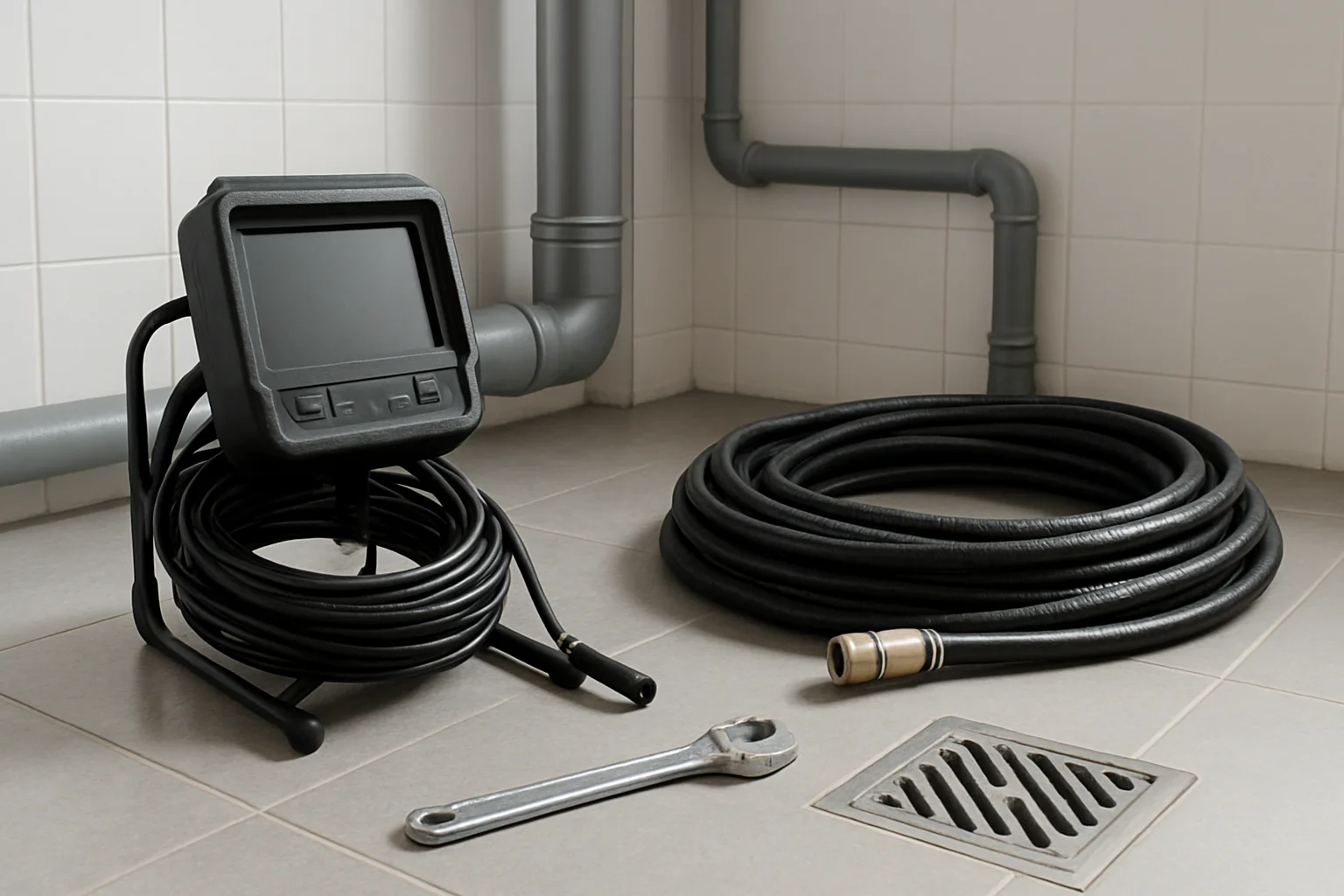
A plumber may then inspect the affected fixture, test drainage, and determine whether the issue is localized or part of a broader system problem. In some cases, inspection equipment such as a drain camera may be used to look inside the line and evaluate buildup or damage. That visual information can be especially important when deciding whether hydro jetting is appropriate. If the line is heavily coated but intact, hydro jetting may be a strong option. If there are signs of structural problems, another repair path may be safer.
The benefit of a professional diagnosis is that it removes guesswork. Instead of assuming every clog needs the same treatment, the plumber evaluates the plumbing as a system. That can save time and reduce the chance of using an ineffective method. It also helps homeowners understand why a problem keeps returning and what conditions in the pipe are contributing to it. In short, diagnosis is the step that turns a symptom into a plan.
When Hydro Jetting May Be Recommended
Hydro jetting is often considered when a line is repeatedly slow or clogged and the cause appears to be buildup rather than a broken pipe. Grease accumulation in kitchen lines, soap and debris buildup in bathroom lines, and compacted sludge in main sewer lines can all respond well to thorough cleaning. The method may also be useful after a clog has been cleared mechanically if the plumber wants to remove the residue that could cause future trouble. The key is that the service should fit the condition of the pipe, not the other way around.
It is also commonly discussed when a homeowner wants a more complete cleaning of the interior pipe walls. A line that drains but continues to collect debris quickly may benefit from a cleaning approach that reaches more of the surface area. In some cases, hydro jetting can improve flow and reduce the likelihood of another blockage in the near term. Even then, the decision depends on the line’s structural condition, material, and the nature of the debris inside it.
A professional will not recommend hydro jetting blindly. They will consider whether the line is accessible, whether there are fragile sections, and whether the blockage seems likely to respond well to water-based cleaning. That is why diagnostic work comes first. For homeowners, the presence of repeat clogs, several slow fixtures, or visible signs of residue-related drainage problems are all reasons to ask a plumber whether hydro jetting is an appropriate option.
When Another Solution May Be Better
Not every drainage issue is best solved with hydro jetting. If a pipe is cracked, collapsed, severely offset, or otherwise damaged, cleaning alone may not resolve the problem and could even be inappropriate. In those cases, a plumber may recommend repair or replacement rather than forcing a cleaning method that addresses only the symptom. The same is true if the line has a blockage that should be removed by a different technique or if the issue is limited to a fixture-specific obstruction.
Some homes have older or mixed plumbing materials that require careful evaluation before any high-pressure cleaning is used. A line that appears sound from the outside may still have weak points inside. That is why camera inspection or another diagnostic step can be so valuable. The plumber can evaluate whether the line can safely handle hydro jetting or whether the more responsible choice is a different service. The goal is always to solve the problem without creating a new one.
For homeowners, this is reassuring because it means professional guidance is tailored, not one-size-fits-all. If a plumber recommends a simpler cleaning, they may be protecting a pipe that does not need intense treatment. If they recommend repair, they may be preventing repeated service calls and more significant damage later. A good diagnosis is not about pushing the most dramatic service. It is about choosing the right one for the system in front of you.
What Homeowners Can Do Before Calling for Service
There are a few safe, non-invasive things homeowners can do before scheduling professional help. Note which fixtures are affected, how long the issue has been happening, and whether the problem started suddenly or gradually. Pay attention to odors, noises, backups, and whether the symptoms worsen when several fixtures are used together. This information helps the plumber diagnose the issue more efficiently. You can also avoid using the affected drain heavily until it has been inspected.
It is wise to avoid aggressive or repeated attempts to force a clog clear. Even when a blockage seems minor, repeated strain on the system can make diagnosis harder and can sometimes spread debris farther into the line. If the problem involves multiple fixtures or comes back soon after clearing, that is a strong reason to call a professional rather than continuing trial-and-error fixes. The aim is to preserve the condition of the plumbing until a proper assessment can be made.
Before the visit, homeowners may also want to think about whether the issue has appeared after a period of heavy use, after a storm, or after a long stretch of lower occupancy. Those details can help the plumber understand what changed. A careful description of symptoms is often the most helpful thing a homeowner can provide. It gives the professional a clearer starting point for inspection, diagnosis, and the decision about whether hydro jetting or another method is the best next step.
Why Local Experience Matters in Bay, Walton, and Okaloosa Counties
Plumbing service is always technical, but local conditions can influence how a problem shows up and how it should be approached. Coastal communities may experience different pipe stressors than inland areas, and homes in newer developments may face different issues than older properties with long service histories. A plumber familiar with Northwest Florida homes is more likely to recognize patterns such as recurring grease buildup, seasonal usage spikes, or drainage symptoms that suggest a main line issue rather than a fixture problem.
Local experience also helps with practical diagnosis. If a plumber regularly serves homes in the same counties, they may better understand common plumbing layouts, how certain materials behave over time, and which warning signs deserve closer inspection. That does not replace the need for actual testing and evaluation, but it can improve the quality of the first visit. The better the initial assessment, the more likely it is that the recommended solution will fit the actual condition of the pipe.
For homeowners, the value of local service is confidence. You want someone who does not rely on assumptions and who understands that a drain issue in a Gulf Coast home may not be the same as one in a different climate or housing market. Whether the final recommendation is hydro jetting, another cleaning method, or a repair, the right local professional will base the choice on the system’s needs rather than on a generic script.
How 850 Plumber Helps Homeowners Move from Symptoms to Solutions
When a drain problem keeps coming back, the most useful next step is a professional assessment that identifies the cause rather than just the symptom. 850 Plumber, part of veteran-owned A Superior Mechanical, serves Bay, Walton, and Okaloosa counties and can help homeowners evaluate whether hydro jetting is the appropriate solution for their plumbing issue. The focus should always be on matching the service to the condition of the line after a proper inspection, not on guessing from the outside.
That process begins with understanding what the homeowner is seeing: slow drains, odors, gurgling, repeated backups, or multiple fixtures acting up at once. From there, a plumber can determine whether the line appears to be suffering from buildup, a localized clog, or a more serious problem that needs a different kind of attention. If hydro jetting is recommended, it should be because the diagnosis suggests the line can benefit from a thorough cleaning. If not, the plumber should explain why another approach makes more sense.
If you are seeing warning signs in your home, it is better to have the system checked sooner rather than later. A clear diagnosis can prevent repeat frustration and help protect the plumbing you rely on every day. For help in Bay, Walton, or Okaloosa counties, homeowners can contact 850 Plumber at 850-258-3225. An informed service call can turn a confusing drain problem into a practical plan that fits your home’s needs.
Explore related plumbing care
- Hydro Jetting in Bay, Walton and Okaloosa Counties, FL
- 24/7 Emergency Plumbing Services in Bay, Walton and Okaloosa Counties
- Clean Water Services in Bay, Walton and Okaloosa Counties, FL
- Clogged Drains & Pipe Cleaning in Bay, Walton & Okaloosa Counties
- Commercial Plumbing Services in Bay, Walton & Okaloosa Counties, FL
- Drain Cleaning & Maintenance in Bay, Walton and Okaloosa Counties, FL
Continue reading
- Whole Home Water Purification Warning Signs and Professional Diagnosis for Northwest Florida Homes
- Water Leak Repairs in Northwest Florida Homes: Warning Signs and Professional Diagnosis for Bay, Walton, and Okaloosa Counties
- Water Filtration Warning Signs and Professional Diagnosis for Northwest Florida Homes
Talk with the 850 Plumber team for help with your home or business.