
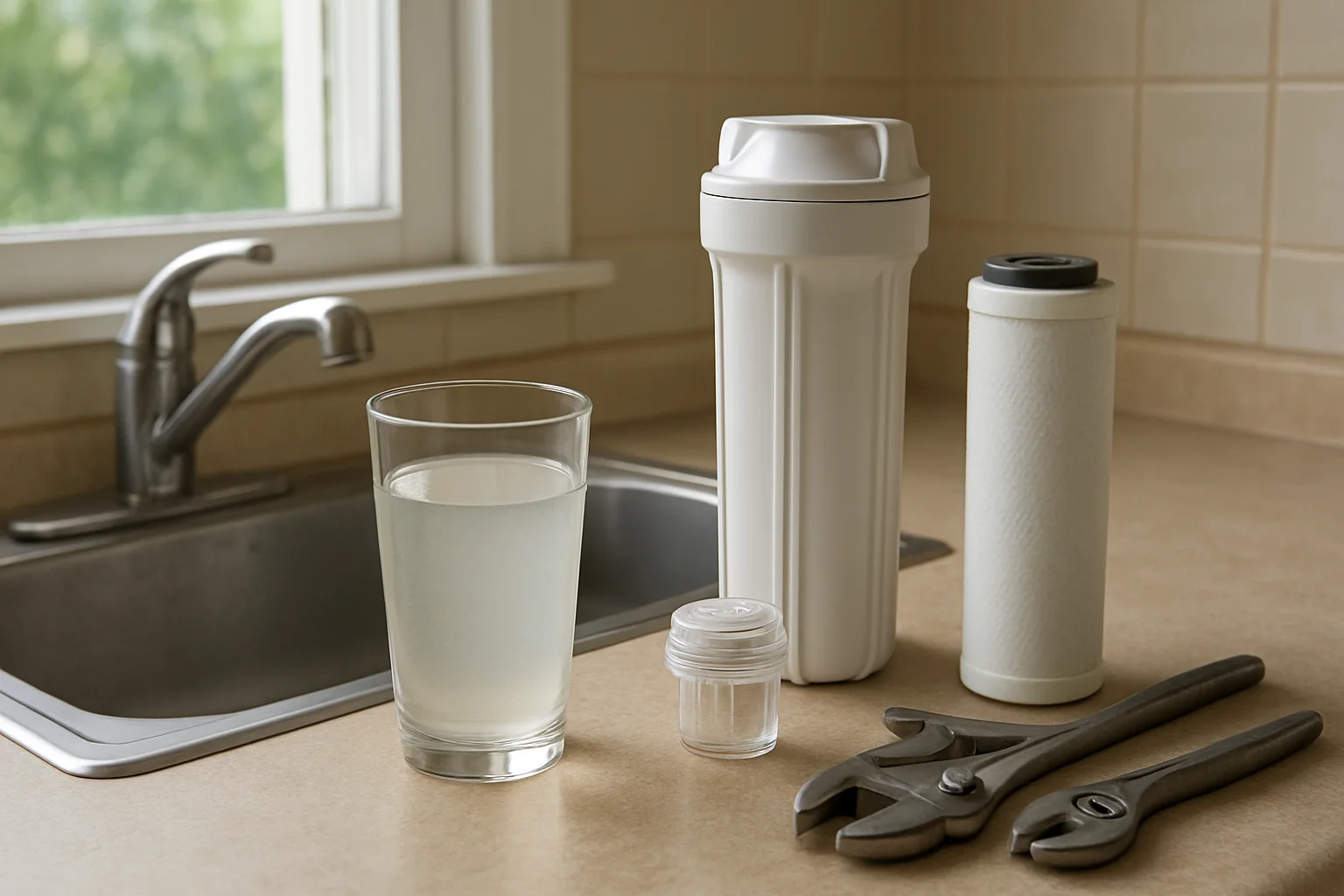
Why water filtration matters in Northwest Florida homes
Water quality concerns can show up in everyday routines long before they become obvious. In Bay, Walton, and Okaloosa counties, homeowners may notice changes in taste, smell, appearance, or appliance performance and wonder whether the issue is temporary or something that needs attention. A water filtration system is not only about improving flavor. It can also help address sediment, odor, staining, and other nuisance issues that affect comfort and confidence in the water supply. Because water conditions can vary by home, neighborhood, and source, the right solution starts with understanding what you are actually dealing with.
That is where a professional assessment becomes valuable. Rather than assuming every problem needs the same type of filter, a trained plumber can evaluate symptoms, plumbing fixtures, water usage patterns, and the home’s existing water treatment setup. The goal is to identify whether the concern is related to sediment, iron, chlorine, sulfur odors, scale, or another issue, then recommend filtration options that fit the home. For homeowners in Northwest Florida, this kind of evaluation helps separate everyday nuisance problems from conditions that may require more focused treatment. A well-planned approach can also support plumbing fixtures, water heaters, and appliances by reducing the effects of unwanted particles or water quality imbalances over time.
Common warning signs that your water may need attention
Many homeowners first notice a problem through their senses. Water that tastes metallic, earthy, or strongly chlorinated may indicate an issue worth investigating. Odors are another common clue. A rotten-egg smell, musty scent, or persistent chemical-like odor can point to dissolved compounds or treatment needs that a filter may help address. Discoloration is also important. Water that appears cloudy, yellow, brown, or otherwise off-color can signal sediment, rust, or other particles moving through the plumbing system. Even if the water seems to clear after running the tap for a short time, recurring discoloration should not be ignored.
Other warning signs appear in the home rather than directly in the glass. White spotting on fixtures, buildup on shower doors, frequent clogging of faucet aerators, or film on dishes can suggest water quality issues or mineral-related residue. Homeowners may also notice that soap and detergent do not rinse away easily, or that laundry feels less clean than expected. If several of these concerns happen at once, it may be a sign that a filtration evaluation is warranted. The key point is that no single symptom tells the whole story. A professional diagnosis considers the combination of signs, how often they occur, and whether they are limited to one fixture or present throughout the house.
How Northwest Florida water conditions can affect homes
Homes across Northwest Florida can experience different water quality conditions depending on their water source and plumbing layout. Some properties draw from public water systems, while others depend on private wells. Public water is treated, but it can still carry chlorine odor, sediment, or taste concerns that homeowners prefer to address at the point where water enters the home or at specific fixtures. Private well water can present a different set of challenges, including sediment, iron staining, odor, or changes that vary after heavy rain or seasonal weather shifts. Because local conditions are not identical from one property to another, the same filter will not necessarily solve every problem.
Climate and geology also influence the kinds of concerns homeowners may see. Sand, minerals, organic matter, and pressure fluctuations can contribute to noticeable changes in water quality or plumbing performance. In coastal and inland areas alike, homeowners may see stains in sinks and tubs, residue on fixtures, or wear on appliances that use water regularly. These issues are not always caused by a single defect. Sometimes a home simply needs a properly sized and properly placed filtration system. Professional assessment helps clarify the cause and keeps homeowners from guessing at a fix that might only address one symptom while leaving the real issue untreated.
Why taste and odor changes deserve professional review
Changes in taste or odor are among the most common reasons homeowners ask about water filtration services. While these issues may not always indicate a safety emergency, they can still signal that the water supply or plumbing system needs attention. A metallic taste can sometimes be tied to dissolved metals or contact with certain plumbing materials. A chlorine-like smell may reflect municipal treatment that is noticeable at the tap. A sulfur or rotten-egg odor can be especially unpleasant and often leads homeowners to want a clearer understanding of what is happening. Because taste and smell are subjective, it is easy to underestimate or overreact to them. A professional evaluation helps bring clarity.
A plumber assessing this type of issue will usually look at whether the concern is occurring at a single faucet or throughout the house, whether it changes with time of day or water usage, and whether hot water or cold water is affected more strongly. Those clues help narrow the likely cause. For example, a smell that appears mainly when using hot water may point in a different direction than one present at every fixture. Rather than relying on guesswork or a one-size-fits-all filter, a proper diagnosis starts with how and where the symptoms appear. That makes the final recommendation more practical and more likely to address the problem without unnecessary equipment.
Cloudy, discolored, or sediment-filled water
Visible particles or cloudy water are often easier to notice than taste problems, but they still require careful evaluation. Sediment can enter a home’s plumbing through the water supply, disturbances in the line, aging pipes, or a well system that naturally carries fine material. Water that looks hazy at first and then clears may still deserve attention if the pattern repeats. Discoloration can also occur after plumbing work or service interruptions, though ongoing discoloration is a stronger sign that something in the system should be examined. Homeowners should not assume that every cloudy glass is harmless or that the issue will correct itself without understanding the source.
A professional diagnosis focuses on where sediment is entering the system and what type of treatment is appropriate. In some homes, a whole-house sediment filter may be useful. In others, the issue may be tied to a specific plumbing component, a water heater, or a well-related condition. The diagnosis should also consider whether sediment is affecting only the cold water, only the hot water, or both. That distinction can help guide the solution. By identifying the source instead of treating the symptom alone, a homeowner can avoid repeated clogs, premature wear on fixtures, and unnecessary frustration. Proper filtration planning is especially helpful when the problem is intermittent, because intermittent symptoms often need a closer look rather than a quick assumption.
Staining, scaling, and residue around the home
Water quality concerns often show up as stains or residue on surfaces. Orange, reddish, brown, or black marks in sinks, toilets, tubs, or on laundry can be frustrating for homeowners and may point to iron, manganese, or other water-related issues. White mineral buildup around faucets and showerheads can indicate scaling, which often leaves fixtures looking worn before their time. While cleaning can help cosmetically, the stains frequently return if the underlying water issue is still present. That is why repeated residue should not be dismissed as a housekeeping problem alone.
Professional assessment helps distinguish between water quality conditions and plumbing wear. A plumber may inspect fixtures, supply lines, and the water path through the home to determine whether the staining is caused by incoming water, a deteriorating component, or a maintenance issue. In some cases, homeowners may need filtration at the point where water enters the house to reduce the particles or minerals contributing to buildup. In other cases, a different treatment strategy may be more appropriate. The important thing is that the diagnosis should be evidence-based. A targeted plan can help protect finishes, reduce maintenance demands, and improve the way the home functions day to day. It can also help preserve the appearance of sinks, tubs, and appliances that are frequently exposed to water.
How filter selection depends on the actual problem
There is no single filtration system that solves every water complaint. That is why identifying the exact issue matters. Some systems are designed mainly to reduce sediment. Others are used to address chlorine taste and odor. Some are better suited for iron, certain dissolved compounds, or broader whole-house treatment. If a homeowner chooses a system based only on a general description, the result may be disappointing. The water may still smell odd, stains may continue, or pressure may change in ways that are inconvenient. A proper assessment helps match the technology to the problem instead of hoping a generic solution will cover everything.
This is especially important for families who want to improve water throughout the home rather than just at one sink. Point-of-use filtration and whole-house filtration serve different purposes. A kitchen filter may improve drinking and cooking water, while a whole-house system can support showers, laundry, and fixtures throughout the home. Professional guidance helps determine where the problem is most noticeable and how broad the treatment should be. The plumber can also consider household size, fixture count, and expected water usage so the chosen system works effectively in real-life conditions. That practical fit matters as much as the filter media itself, because the best system is one that meets the household’s needs without creating new issues.
What a professional water filtration assessment includes
A useful water filtration assessment starts with questions. When did the issue begin? Is it constant or occasional? Does it affect every faucet or only some of them? Has the home had plumbing changes, appliance replacements, or service interruptions? These details help the plumber build a clearer picture before making recommendations. The inspection may also include checking fixture screens, supply lines, valves, and the condition of visible plumbing components. If there is an existing filtration or treatment unit, the plumber can evaluate its placement, condition, and whether it still suits the home’s needs.
A professional diagnosis may also involve reviewing how the water behaves under normal use. For example, the plumber may compare cold and hot water, observe water clarity, or determine whether the concern appears only after water has sat in the pipes. That kind of observation can reveal whether the issue is supply-related, plumbing-related, or tied to a current system that is no longer performing as intended. Homeowners should expect the assessment to focus on practical evidence rather than assumptions. The value of professional diagnosis is that it turns a confusing symptom into a defined problem with a clear path forward. That is often the difference between a system that helps and one that merely takes up space.
Whole-house filtration versus point-of-use options
Choosing between whole-house and point-of-use filtration depends on what problem needs solving. Whole-house systems treat the water entering the home, which can be helpful when the concern affects showers, laundry, sinks, and appliances. Point-of-use systems are installed at a specific tap or location and are often used when the issue is limited to drinking and cooking water. Both approaches can be useful, but they are not interchangeable. A homeowner who only wants better-tasting water in the kitchen may not need whole-house treatment. A homeowner who sees staining throughout the home may need broader filtration instead.
Professional guidance matters because the best configuration depends on priorities, plumbing layout, and the nature of the water issue. For example, if sediment is affecting the entire home, a whole-house system may be appropriate. If the main concern is taste at the kitchen sink, a targeted filter may be more practical. In some cases, a combination approach works best. The plumber can explain the tradeoffs in maintenance, space, and coverage without overcomplicating the decision. This makes it easier for homeowners to choose a solution that fits the home rather than a trend or a guess. The right setup should improve water quality in the areas that matter most while remaining manageable for routine upkeep.
Maintenance signs that a filtration system may need service
Even a good filtration system needs attention over time. Homeowners may start to notice reduced water flow, a return of tastes or odors, or a decline in the system’s effectiveness. These symptoms can indicate that the filter media is worn, the system is overloaded, or a component needs service. Pressure changes are especially worth noting. If water flow becomes noticeably weaker after a period of normal operation, the filter may be collecting sediment or may need maintenance. A system that is overdue for service may no longer protect the home as intended.
Regular professional checkups help keep the system aligned with the home’s actual conditions. Water quality can change with seasonal weather, usage changes, or updates to the local supply, and a system that worked well before may need adjustment later. Rather than waiting until symptoms return in force, homeowners can benefit from periodic evaluation of the unit and the water it is treating. This is particularly important for households that rely on a private well or have experienced repeated issues with sediment or staining. Service visits are not just about changing parts. They are also an opportunity to confirm whether the filtration approach still matches the home’s current needs and whether another adjustment would improve performance.
Why professional installation matters for long-term results
A water filtration system can only perform as intended when it is installed correctly. Proper sizing, placement, and connection to the plumbing system all affect how well the unit works. A system that is too small, poorly located, or mismatched to the water issue may fail to deliver the expected improvement. Installation also has to account for water pressure, access for maintenance, and the layout of the home’s plumbing. These details are not always obvious to homeowners, which is why professional installation is valuable even when the filter itself seems straightforward. The goal is not just to get water through the unit, but to create a durable setup that is easy to maintain and effective over time.
Professional installation also reduces the risk of unintended problems. A filtration system should not create leaks, pressure issues, or service headaches. It should integrate cleanly with the existing plumbing and remain accessible for replacement or maintenance. A plumber who understands both water quality and plumbing function can recommend a system that fits the home’s needs and then install it in a way that supports dependable operation. That combination of diagnosis and installation is especially helpful in homes with complex plumbing or a history of water-related complaints. It gives homeowners a more complete solution and lessens the chance that a quick fix will need to be redone later.
When to seek help sooner rather than later
Some water concerns can wait for a scheduled visit, but others should prompt quicker attention. A sudden and persistent change in color, odor, or taste across multiple faucets deserves prompt professional review. So does recurring sediment that seems to worsen, especially if it affects a water heater, fixtures, or appliances. If a homeowner notices stains returning quickly after cleaning, that is another sign the underlying issue has not been addressed. These symptoms are not reasons to panic, but they are reasons to stop guessing and get a professional opinion. Waiting too long can allow minor nuisance problems to turn into bigger maintenance issues.
It is also wise to seek help sooner if the home has a private well and the water seems to change after storms, heavy use, or extended dry periods. Even if the water is not visibly alarming, changes in household performance can be a clue that the system needs attention. The earlier a diagnosis is made, the easier it is to choose the right treatment and avoid unnecessary wear on the plumbing system. A professional can help determine whether the problem is temporary, source-related, or something that requires a filtration upgrade. That clarity gives homeowners a practical next step instead of ongoing uncertainty.
How 850 Plumber helps Northwest Florida homeowners make informed decisions
For homeowners in Bay, Walton, and Okaloosa counties, 850 Plumber, part of veteran-owned A Superior Mechanical, can help evaluate water quality concerns and determine whether a filtration solution is appropriate. The most useful service begins with listening to the homeowner’s observations and then inspecting the plumbing system with those concerns in mind. That approach helps identify whether the problem is limited to one fixture or appears throughout the house, and whether the likely cause points toward sediment, odor, staining, or another filtration-related issue. The result is a practical recommendation based on the home’s actual conditions rather than a generic assumption.
A practical next step for clearer water
If your water has developed an unusual taste, smell, color, or residue issue, the next step is a professional assessment rather than trial and error. Homeowners often save time and frustration by understanding the problem first and then choosing the right filtration approach. That can mean whole-house treatment, point-of-use filtration, or another solution based on what the inspection reveals. The best outcome is not simply installing equipment. It is selecting a system that matches the water issue, the plumbing layout, and the needs of the household. With the right diagnosis, a filtration service becomes a long-term improvement rather than a temporary guess.
Seasonal shifts, weather patterns, and normal household use can all bring water issues to the surface, which is why it helps to evaluate concerns when they first appear. If you are in Bay, Walton, or Okaloosa counties and want a clear explanation of what is happening with your water, 850 Plumber can help you move from uncertainty to a plan. Call 850-258-3225 to discuss your concerns and arrange a professional review. A careful diagnosis can help protect your plumbing, improve daily comfort, and give you more confidence in the water your home uses every day.
Explore related plumbing care
- Water Filtration Services in Bay, Walton & Okaloosa Counties, FL
- Clean Water Services in Bay, Walton and Okaloosa Counties, FL
- Tankless Water Heater Services in Northwest Florida | 850 Plumber
- Water Heater Installation in Freeport, FL
- Water Heater Maintenance in Santa Rosa Beach, FL
- Water Heater Repair in Bay, Walton and Okaloosa Counties, FL
Continue reading
- Whole Home Water Purification Warning Signs and Professional Diagnosis for Northwest Florida Homes
- Water Leak Repairs in Northwest Florida Homes: Warning Signs and Professional Diagnosis for Bay, Walton, and Okaloosa Counties
- Water Softening Services in Santa Rosa Beach, FL: Warning Signs and Professional Diagnosis for Northwest Florida Homeowners
Talk with the 850 Plumber team for help with your home or business.