
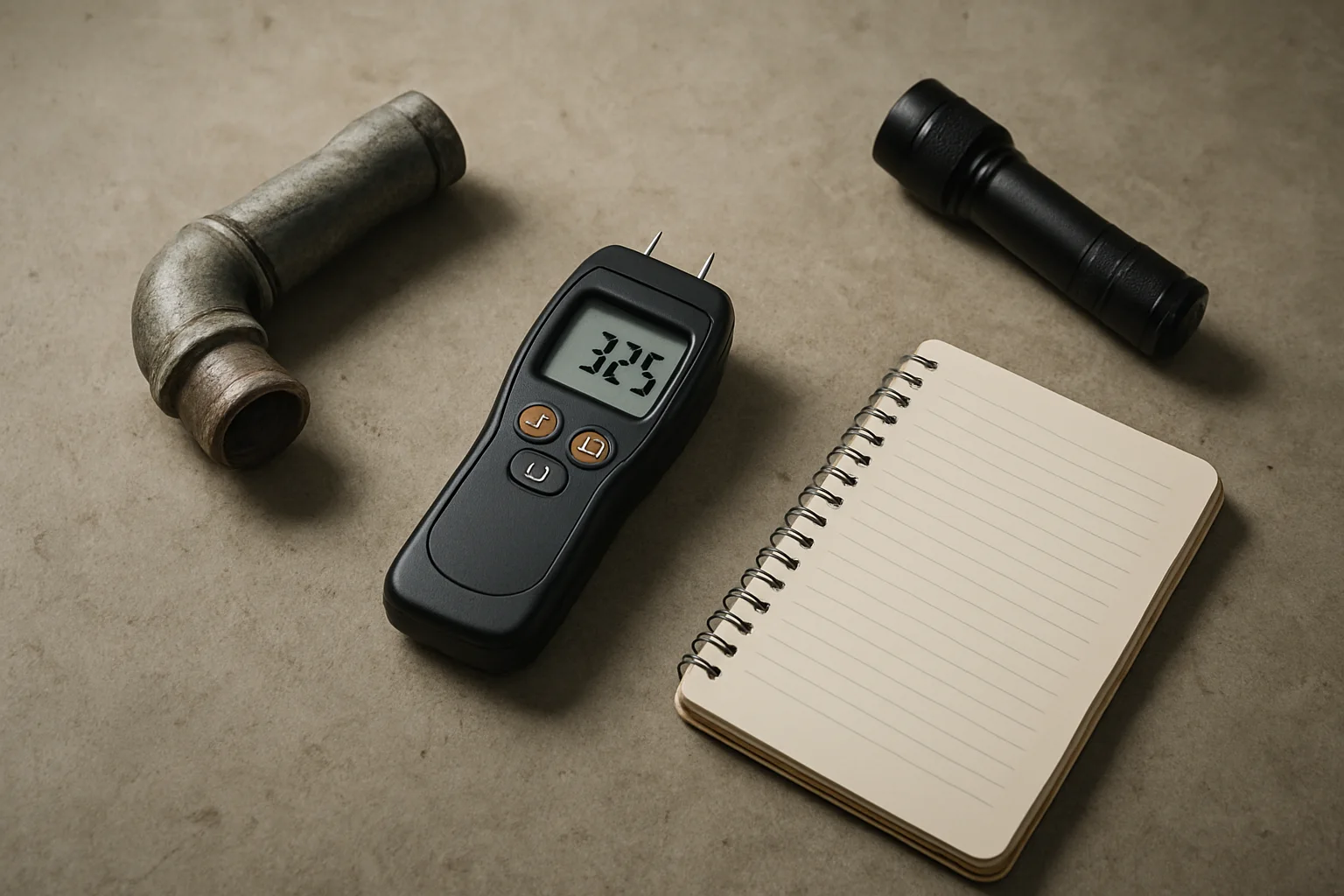
Why slab leaks deserve prompt attention in Northwest Florida
A slab leak is a leak in a water line located beneath a home’s concrete foundation. In Bay, Walton, and Okaloosa counties, these leaks matter because homes face a mix of humid air, sandy soils, shifting ground, and heavy seasonal rainfall that can complicate water intrusion problems. A leak under the slab may not be visible at first, yet it can still waste water, raise utility bills, and gradually affect flooring, framing, and the soil supporting the home. For homeowners, the challenge is that the earliest signs can look like ordinary household issues instead of a plumbing emergency.
What makes slab leaks especially important is the potential for hidden damage. Water under a slab can travel along paths that make the problem seem to appear in one room while the actual leak is somewhere else. Over time, moisture can encourage mold growth, weaken materials, and create hot spots or pressure changes in the plumbing system. Prompt professional assessment helps determine whether the issue is isolated, whether there are multiple leaks, and whether a repair can address the problem without more extensive replacement. The sooner the source is identified, the more options are usually available.
Common signs homeowners notice before they know it is a slab leak
Many slab leaks begin with subtle changes that are easy to miss during a busy week. A homeowner might notice an unexplained increase in the water bill, the sound of running water when no fixtures are on, or a warm area on the floor if a hot water line is affected. Other clues can include damp carpet edges, warped flooring, cracks that seem to worsen, or a persistent musty smell in one area of the home. None of these signs proves a slab leak on its own, but together they can signal that something beneath the floor deserves attention.
Because these symptoms overlap with other household issues, it is usually not wise to guess. For example, a wet patch could come from condensation, a roof leak, or an appliance problem rather than a pipe under the slab. Likewise, a jump in the water bill can result from several fixtures or irrigation use. That is why a professional plumber’s job is to narrow the possibilities and compare the clues. A careful assessment helps determine whether the issue is plumbing-related, where the water is likely coming from, and what kind of repair may be appropriate if a slab leak is confirmed.
How professional leak detection works without guesswork
Professional leak detection is a process of identifying the source of water loss with as little disruption as possible. A plumber may start by asking about changes in water bills, room conditions, noise, and when the symptoms first appeared. From there, the assessment can include pressure checks, meter observations, and inspection of visible plumbing connections, fixtures, and accessible piping. The goal is to separate normal water use from signs of a concealed leak and to avoid unnecessary demolition. In a slab leak situation, the first answer is not always the final one; the plumber may need to confirm whether the leak is in the slab, in the wall, or in another part of the system.
Homeowners benefit from this measured approach because it supports a repair plan based on evidence rather than speculation. A professional may use specialized detection methods depending on the situation, the materials in the home, and the layout of the plumbing. The important point is not the equipment alone, but how the findings are interpreted. A good assessment looks at whether the leak is active, how severe it appears, whether it is localized, and whether the pipe condition suggests a one-time repair or a broader pipe issue. That information becomes the basis for deciding between a targeted fix and a more comprehensive solution.
Why Northwest Florida homes can face unique slab leak conditions
Homes in Northwest Florida experience environmental conditions that can influence plumbing performance over time. Soil movement after rain, ground saturation during wet periods, and long-term moisture exposure can all affect the areas around a foundation. In coastal and near-coastal settings, humidity may also make it harder to notice the early signs of water intrusion because surfaces can feel damp more often than expected. These conditions do not cause every slab leak, but they can make hidden plumbing issues harder to diagnose and easier to overlook. That is one reason periodic plumbing awareness matters even in homes that seem to be functioning normally.
Local housing age and construction style can also affect repair decisions. Some homes have older piping materials or plumbing runs that have seen many years of use, while others may have newer systems but still develop issues from installation stress, movement, or corrosion. A slab leak in one home may be an isolated problem, while in another it may signal broader wear in the system. A professional plumber considers the whole picture: pipe age, material, pressure conditions, home layout, and the amount of water loss. That broader perspective helps homeowners in Bay, Walton, and Okaloosa counties understand whether a repair is likely to be durable or whether replacement may reduce future disruption.
What a plumber evaluates before recommending repair or replacement
The repair-versus-replacement question starts with a full assessment of the plumbing system, not just the leak location. A plumber will usually consider whether the pipe damage is isolated, whether the line has multiple weak points, and whether nearby sections show corrosion, scaling, or previous patching. The accessibility of the line matters too. If a single section can be exposed and repaired with limited disturbance, that may support a repair. If the line is difficult to access or appears to have repeated failures, replacement may become the more practical long-term choice. The decision is rarely based on one symptom alone.
A professional assessment also looks at the consequences of each option. Repair may solve a specific leak quickly and preserve most of the existing plumbing. Replacement may be recommended if the system is older, if the leak is part of a pattern, or if hidden damage suggests more future problems. The best choice depends on how the home is used, how much disruption the homeowner can tolerate, and how extensive the plumbing concerns appear to be. A clear diagnosis gives the homeowner a realistic sense of what each path can accomplish and what risks remain afterward.
When a targeted repair may be the better choice
A targeted repair can be the right solution when the slab leak is isolated and the rest of the plumbing system appears sound. For example, if a plumber identifies a single compromised section with no indication of widespread corrosion or repeated leaks, fixing that section may restore function without disturbing the entire plumbing system. In many homes, especially those with relatively healthy piping and limited damage, a focused repair can be a sensible first step. It addresses the immediate problem while preserving the parts of the system that are still performing well.
Homeowners often prefer repair when the issue is localized because it can be less disruptive than replacing long stretches of pipe. Still, even a repair should be evaluated carefully. A good repair is not just about stopping water today; it should also make sense based on pipe condition, access, and the likelihood of future leaks nearby. If the plumber believes the repaired section is surrounded by aging material or compromised joints, a repair may only postpone another problem. The key is balancing the immediacy of the leak with the long-term condition of the system. That balance is what professional judgment is for.
When replacement can be the smarter long-term decision
Replacement becomes more attractive when the plumbing system shows broader wear, when multiple leaks have occurred, or when the line materials have reached a point where isolated fixes no longer provide confidence. A slab leak may be the visible sign of a system that has been under stress for years. In that situation, replacing a section of line or rerouting plumbing may reduce the chance of repeated disruptions. For homeowners, replacement can feel like a larger step, but it may be the better way to avoid a cycle of recurring leaks, repeated drywall or flooring repairs, and ongoing water loss.
The decision to replace is not only about age. A plumber may recommend it if the leak is difficult to reach safely, if opening the slab would create significant damage, or if the line is in poor condition beyond the immediate leak point. Replacement can also make sense if a homeowner wants a more durable solution after multiple service visits for the same system. The practical question is whether spending effort on a patch will likely lead to more costs later. A full or partial replacement can sometimes create a clearer path forward, especially when the existing pipe network no longer inspires confidence.
How damage to floors and framing can influence the decision
A slab leak does more than move water. If it continues long enough, it can affect flooring materials, underlayment, baseboards, and in some cases nearby framing or wall materials. Homeowners may first notice cupping wood floors, loose tile, discoloration, or soft spots in carpet and padding. These surface clues matter because they show how long water may have been present and how far it may have traveled. The longer moisture remains under or around the slab, the more important it becomes to assess not only the leak itself but also the surrounding damage that may need drying or restoration.
The extent of secondary damage can influence whether repair alone is enough. If the leak is caught early and damage is limited, a repair paired with drying and monitoring may be appropriate. If the leak has already caused broader material deterioration, the homeowner may need to consider whether a simple pipe fix will solve the larger moisture problem. In some cases, replacement of the affected line can help prevent future water intrusion that might keep damaging the same area. A professional plumber can help distinguish between the plumbing issue and the restoration needs so the homeowner understands what must be addressed now versus what can be managed after the leak is stopped.
Why water pressure and pipe condition matter in slab leak cases
Water pressure and pipe condition are central to understanding slab leak risk. If pressure is too high, it can place extra strain on pipe joints and weakened sections. Over time, that strain may contribute to leaks, especially where pipes are older or already compromised. A plumber may evaluate system pressure as part of the diagnostic process because the issue may not be limited to one break. If the plumbing system has pressure concerns, fixing only the leak without addressing the underlying stress can leave the home vulnerable to another failure later.
Pipe condition matters just as much. Materials age differently, and some plumbing systems develop corrosion, mineral buildup, or wear that affects how well they hold up over time. A professional assessment may reveal whether the damaged section is a standalone problem or part of broader deterioration. Homeowners do not need to interpret pipe conditions themselves; they need a reliable evaluation from someone who can tell whether the system still has useful service life. That analysis is what turns a leak repair decision into a practical home-maintenance decision rather than a guess made under pressure.
What homeowners can expect during a professional service visit
A typical service visit for suspected slab leak issues begins with a conversation about symptoms, followed by a visual inspection of the home and accessible plumbing areas. The plumber may check the meter, isolate fixtures, and test pressure to narrow the problem. If the leak appears hidden, additional detection steps may be used to pinpoint the location as accurately as possible. The process is designed to minimize unnecessary opening of floors or walls, because the goal is to confirm the leak path before any major work is planned. Homeowners should expect questions, observations, and a careful explanation of the findings.
Once the location and probable cause are identified, the plumber can discuss options. That conversation should cover whether the leak seems isolated, what type of access may be needed, and whether a repair or replacement approach fits the condition of the pipe. Homeowners do not need to decide immediately in every case, but they should leave the visit understanding the likely cause, the scope of the issue, and the next steps. A clear report from the plumber helps the homeowner coordinate any follow-up drying or restoration work and make a confident decision about the plumbing solution itself.
How to think about cost without turning it into a guessing game
For many homeowners, the repair-versus-replacement decision is shaped by budget, but cost should be viewed alongside durability and disruption. A lower-effort repair may seem appealing, especially when the leak appears small, yet it may not be the most economical choice if the pipe is likely to fail again. Replacement may involve more work, but it can sometimes reduce repeat service calls, repeated flooring damage, and the stress of living with uncertainty. The right decision is the one that best fits the actual condition of the plumbing, not simply the smallest short-term response.
Because every slab leak situation is different, a plumber should evaluate the system before any meaningful comparison can be made. Homeowners should ask what the assessment suggests about the rest of the piping, what makes the repair or replacement option appropriate, and what concerns remain if the less extensive option is chosen. That conversation helps prevent decisions based on fear or urgency. In practical terms, a good evaluation turns “How much will this cost?” into “What solution best protects the home based on the evidence?” That is a more useful question for long-term planning.
Why timing matters after a leak is found
Once a slab leak is suspected or confirmed, timing becomes important. Waiting can allow more water to escape, which may increase damage and make the repair area harder to manage. Even if the leak seems small, hidden water can continue affecting the slab and surrounding materials. In many homes, a faster response means a simpler assessment and possibly fewer downstream problems. That does not mean homeowners should rush into the first solution offered; it means they should get the problem evaluated promptly so they can choose with current information rather than outdated assumptions.
Timely action also helps separate plumbing repair from restoration work. If water has already reached flooring, drywall, or trim, drying and remediation may need to happen alongside the plumbing fix. A plumber’s job is to stop the water source and clarify the scope of the problem, not to ignore what the moisture has already done. When homeowners respond early, they usually preserve more options. That is especially important in slab leak cases, where hidden damage can become more extensive the longer the problem stays unresolved.
How 850 Plumber supports homeowners in Bay, Walton, and Okaloosa counties
850 Plumber, part of veteran-owned A Superior Mechanical, serves homeowners in Bay, Walton, and Okaloosa counties with leak detection and slab leak repair needs. For homeowners facing an unexplained water issue, the most valuable first step is a professional assessment that identifies the source and helps determine whether repair or replacement is the better path. Because slab leaks can be difficult to locate and even harder to interpret, homeowners benefit from a service approach that focuses on diagnosis before action. The right plumbing team should explain what the findings mean in plain language and outline practical next steps without overstating certainty.
If you are concerned about a possible slab leak, contacting a plumber early can help protect your home and reduce uncertainty. You can reach 850 Plumber at 850-258-3225 to discuss suspected leaks, hidden moisture concerns, or questions about repair versus replacement. Whether the issue turns out to be a localized pipe problem or something more extensive, the goal is the same: identify the source accurately and choose a solution that fits the condition of the home. For Northwest Florida homeowners, informed decisions begin with a careful look beneath the surface.
Explore related plumbing care
- Leak Detection & Slab Leak Repair in Bay, Walton & Okaloosa Counties, FL | 850 Plumber
- Toilet Repair and Replacement in Bay, Walton and Okaloosa Counties, FL | 850 Plumber
- Plumbing Repair in Bay, Walton and Okaloosa Counties, FL | 850 Plumber
- Sewer Repair & Maintenance in Bay, Walton and Okaloosa Counties, FL
- Water Heater Repair in Bay, Walton and Okaloosa Counties, FL
- Water Leak Repairs in Bay, Walton and Okaloosa Counties, FL
Continue reading
- Water Leak Repairs in Northwest Florida: How Homeowners Can Decide Between Repair and Replacement
- Leak Detection and Slab Leak Repair for Northwest Florida Homes: Prevention, Seasonal Planning, and Professional Assessment
- Leak Detection and Slab Leak Repair for Northwest Florida Homeowners
Talk with the 850 Plumber team for help with your home or business.