
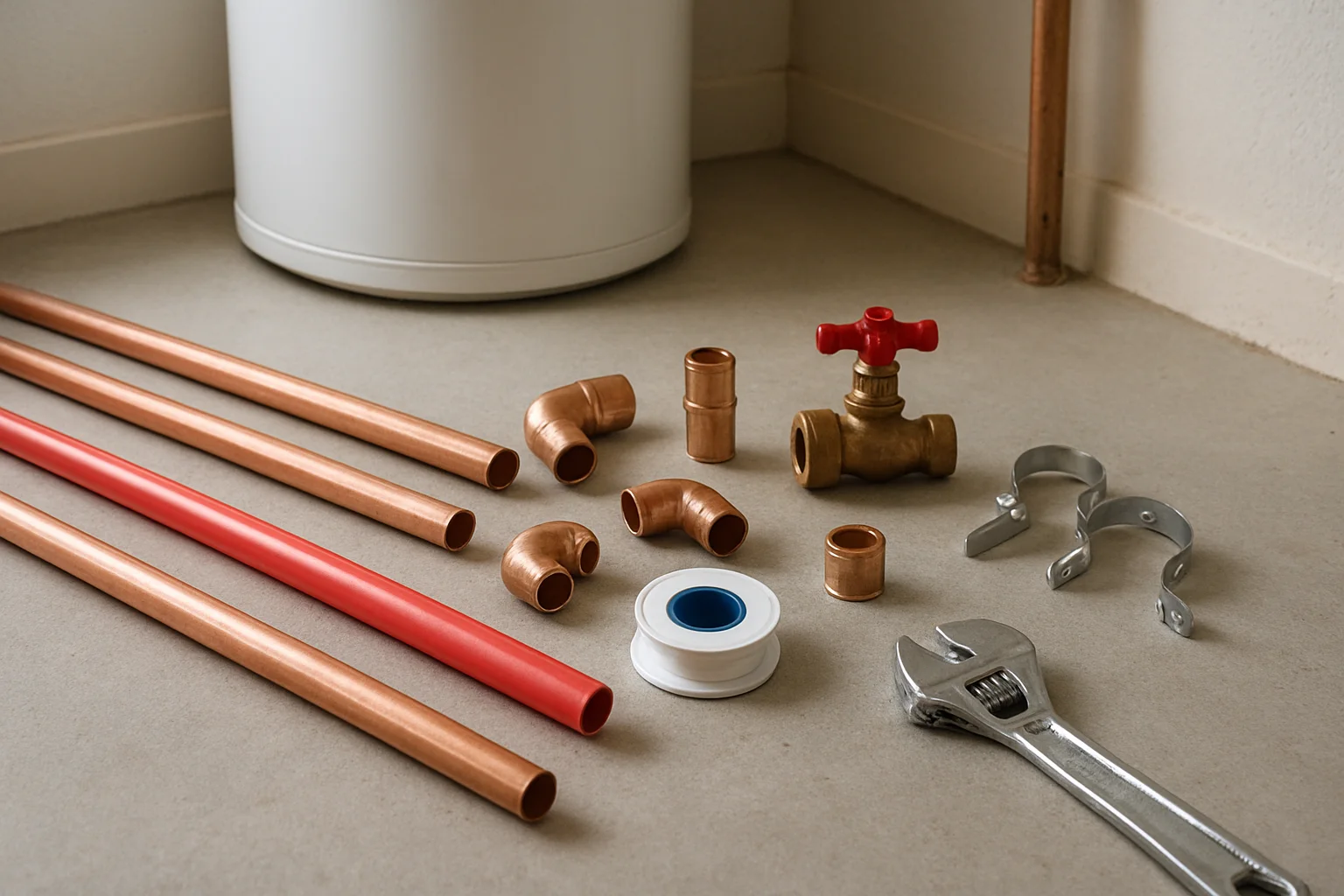
Why plumbing installation deserves a planning mindset
Plumbing installation is easy to think about only when something breaks, but the best results usually come from a broader plan. For Northwest Florida homeowners, that means looking at the whole home as a system: water supply, drainage, fixtures, water heater, shutoff valves, and the conditions around the house that affect performance. A thoughtful installation does more than connect pipes. It supports everyday convenience, helps reduce wear on fixtures, and can make future maintenance simpler. When a project is planned well, it is easier to choose the right materials, size components correctly, and avoid the frustrations that come from rushed decisions.
In Bay, Walton, and Okaloosa counties, homeowners also have to think about climate and building conditions. Heat, humidity, heavy seasonal rain, and salt-influenced air in some areas can affect materials and the spaces where plumbing components live. That does not mean every home needs the same approach, but it does mean professional assessment matters. A plumber can review the home’s age, water pressure, fixture layout, drain slopes, venting needs, and any visible signs of stress before recommending installation options. This kind of review helps connect the project to the actual home instead of relying on guesswork.
How Northwest Florida conditions influence plumbing choices
Homes in Northwest Florida face a mix of conditions that can influence plumbing performance over time. Moisture is a constant factor, and in some neighborhoods homes may also deal with sandy soils, storm season planning, and periodic changes in water use patterns. These conditions can affect everything from exposed piping to the way drains behave after heavy rain. For plumbing installation, that means materials and placement matter. Components in a garage, attic, crawl space, utility closet, or exterior wall may face different stresses than the same components would in a milder or drier climate.
A professional plumber can evaluate how the local environment may influence an installation before work begins. For example, the right pipe material may depend on temperature swings, corrosion concerns, and the home’s configuration. Drain and vent systems need to be installed to function properly under everyday use, but they also should be checked for practical maintenance access. A seasoned assessment can identify whether the home would benefit from updated shutoff valves, improved fixture support, or more accessible service points. Good planning helps a homeowner make informed choices that fit Northwest Florida living instead of reacting only after an issue appears.
Signs a home may be ready for updated plumbing installation
Some homes clearly announce the need for plumbing attention, while others send quieter signals. Repeated leaks, slow drains that return after temporary clearing, visible corrosion on fittings, inconsistent water pressure, unusual noise from pipes, and fixtures that no longer perform as expected can all suggest that installation or replacement work should be considered. In older homes, age alone can also be a factor. Even if a fixture still works, it may no longer be operating efficiently or safely within the rest of the system. Homeowners do not need to diagnose the cause themselves, but they can notice patterns and share them with a plumber.
Professional assessment is important because similar symptoms can come from very different causes. Low pressure, for example, may be related to a fixture, a valve, mineral buildup, supply piping, or another issue entirely. A drain problem might be caused by a localized fixture issue, a venting concern, or a larger condition in the home’s drainage system. A plumber can inspect visible components, ask about when the issue happens, and determine whether the next step is repair, replacement, or a new installation. This kind of measured approach prevents unnecessary work and helps the homeowner invest in the right solution for the long term.
Water heater installation planning for year-round comfort
Water heaters are central to daily life, and planning for installation or replacement involves more than choosing a size. Homeowners need to think about hot water demand, household habits, available space, utility connections, venting where applicable, and maintenance access. A water heater installed in a cramped or poorly ventilated location can be harder to service later. A unit that is too small may struggle to meet demand, while an oversized or poorly matched unit may not be the best fit for the home’s usage pattern. Installation should consider how the household actually uses hot water, not just the nameplate on the appliance.
A plumber can help review the home’s hot water needs and the physical setup before recommending installation options. That may include evaluating the condition of supply lines, shutoff valves, drain pans where appropriate, and any visible concerns around the installation area. In Northwest Florida, where seasonal changes can affect occupancy patterns, water heater planning can also be practical for vacation homes, rental properties, and second homes. A professional can help homeowners think through whether the current configuration still makes sense, whether related plumbing components should be updated at the same time, and how to support reliable operation through busy seasons and slower periods alike.
Fixture installation and everyday efficiency
Fixture installation covers the parts of plumbing homeowners use most often: sinks, faucets, toilets, tubs, showers, hose bibs, and utility fixtures. Because these items are used daily, small installation details can affect comfort, water use, and durability. A faucet that is not properly secured or a toilet installed on an uneven or worn base can create nuisance issues that become costly later. Even when a fixture itself is high quality, poor installation can lead to leaks, wobble, drainage trouble, or reduced lifespan. Good fixture installation is about fit as much as function.
A professional plumber can assess the condition of the surrounding plumbing before a fixture is replaced or added. That includes supply stops, connectors, seals, mounting surfaces, and the existing drain arrangement. This is especially useful in older homes where a new fixture may look simple on the surface but reveal underlying concerns once the work begins. Homeowners may be replacing a fixture for style reasons, but a plumber can also point out practical opportunities, such as improving shutoff access, updating worn connectors, or matching fixture selection to the household’s use patterns. The result is a more complete installation that supports both appearance and performance.
Drain and sewer considerations before adding new fixtures
New plumbing installations can place different demands on a home’s drainage system. A new bathroom fixture, laundry connection, or kitchen update may appear isolated, but the drain lines and venting system behind the walls determine whether the new fixture will function correctly. If the existing drainage system already has weaknesses, adding another fixture without assessment can create slow drainage, gurgling, or recurring backups. That is why installation planning should include the whole route the water takes after use, not just the visible fixture itself.
A plumber can inspect the home’s drainage layout and look for signs that the system should be reviewed before new work begins. They may consider the age of the piping, the condition of accessible cleanouts, the slope and routing of the lines, and any history of recurring drain problems. This is not about guessing from one symptom; it is about understanding how the home’s plumbing is connected. In Northwest Florida homes, where weather and soil conditions can complicate some exterior or slab-related issues, professional evaluation becomes especially valuable. A careful assessment helps determine whether the installation can proceed as planned or whether related drain work should be addressed first to avoid future trouble.
Shutoff valves, access points, and leak prevention
One of the most practical parts of plumbing installation is often the least visible: shutoff valves and access points. These details matter because they help homeowners isolate a problem quickly if a fixture ever needs service. A well-placed shutoff valve can reduce stress during an emergency and make routine maintenance easier. Access points, meanwhile, help plumbers inspect and service the system without unnecessary disruption. When installation work is planned, it is worth asking whether the home has adequate service access to the new component and nearby plumbing.
A professional can review the condition and placement of shutoffs before installation begins. In older homes, valves may be stiff, outdated, or difficult to reach. In other cases, an installation can be improved by adding more practical access or updating worn components while the wall or cabinet is already open. These are not flashy upgrades, but they are the kind that pay off over time. For homeowners in Bay, Walton, and Okaloosa counties, having a system that is easier to isolate and service can make seasonal maintenance simpler too. It also supports good preventive care by reducing the chance that a small issue turns into a larger problem before it is noticed.
Planning for seasonal rainfall and storm readiness
Seasonal rainfall is a normal part of life in Northwest Florida, and homeowners often think about roofs, gutters, and drainage outside the plumbing system. Yet plumbing installation planning and storm readiness are connected. Heavy rain can reveal drainage issues, place stress on lower areas of a property, and complicate the performance of exterior plumbing components. Sump or drain-related concerns, utility area flooding risks, and exterior hose connections may all deserve attention as part of a broader seasonal plan. Homeowners do not need to take on technical storm preparation themselves, but they can make plumbing a part of their annual checklist.
A plumber can help identify areas where the home’s plumbing may be more vulnerable during wet seasons. This may include reviewing visible exterior connections, noting areas where water could collect near service equipment, and checking whether important components are located where they may be affected by moisture intrusion. If an installation is planned before storm season, it may be wise to consider access, protection, and serviceability in the event of heavy weather. The goal is not to overbuild every system, but to make sure the plumbing is suited to the home’s real environment. That kind of planning can reduce surprises when rain becomes more frequent.
Preventive care after a new installation
A new plumbing installation is not the end of the job. Preventive care helps preserve the benefits of the work and keeps the system operating as intended. Homeowners should know how their new fixture or component is supposed to behave, what sounds or changes are normal, and when to call for service. Basic awareness is useful, but it should not turn into risky do-it-yourself troubleshooting. If something seems wrong, professional inspection is the safest path. Preventive care is about noticing issues early and avoiding unnecessary wear.
A plumber can explain the maintenance needs that apply to the specific installation. For some components, that may involve occasional inspection of connections or seals. For others, it may involve periodic checks of operation, drainage, or water heater performance. In Bay, Walton, and Okaloosa counties, humidity and frequent seasonal use can make routine observation especially useful because minor issues may develop gradually. The homeowner does not need technical training to benefit from preventive care. Simple awareness, paired with a trusted professional for service, can help the installation deliver more years of dependable use and reduce the likelihood of preventable disruptions.
When professional assessment is better than assumptions
Homeowners often try to narrow down plumbing issues by comparing symptoms online or by asking neighbors what worked in their homes. While that instinct is understandable, plumbing systems vary widely. Two houses with the same complaint may need completely different solutions because of differences in age, layout, materials, or prior repairs. That is why professional assessment is more reliable than assumption. A plumber can examine the actual conditions in the home and determine whether the issue is isolated, system-wide, or related to an installation that needs adjustment. This saves time and helps avoid replacing the wrong part.
A good assessment typically begins with a conversation about what the homeowner has noticed, when it happens, and whether it has changed over time. From there, the plumber may inspect accessible fixtures, valves, piping, drainage points, and equipment locations to identify likely causes. The goal is not to rush to the most expensive option or the simplest guess. It is to determine what the home actually needs. For homeowners planning a new installation, that same approach applies before the work starts. Understanding the existing system makes it easier to choose the right materials, avoid compatibility issues, and support a cleaner result once the installation is complete.
Materials, layout, and long-term value
The value of plumbing installation is not measured only on the day the work is finished. It also shows up in how the system behaves over time. Good material selection and smart layout can reduce maintenance burdens, simplify access, and support reliable use. That may mean choosing components that suit the home’s plumbing configuration, placing fixtures in practical locations, or updating related parts that would otherwise remain weak points. Long-term value often comes from these coordinated decisions rather than from one dramatic upgrade. Homeowners benefit when the system feels easier to live with and service.
A plumber can help compare practical options without turning the project into guesswork. In some homes, the best improvement is straightforward replacement of worn components. In others, a more complete installation makes sense because multiple parts of the system are nearing the same stage of wear. Northwest Florida homeowners may also want to think about how the home will be used seasonally, especially if occupancy changes during parts of the year. A thoughtful layout and material approach can make the plumbing more adaptable to changing demand. That kind of planning helps the house work better now while keeping future service simpler.
Choosing the right local plumbing partner
Local knowledge matters in plumbing installation because the work is affected by more than the fixture or pipe itself. A plumber serving Bay, Walton, and Okaloosa counties should understand common home styles in the region, the realities of coastal and inland conditions, and the kinds of issues homeowners often face during seasonal changes. A homeowner does not need to become a plumbing expert to make a good choice. It helps to look for a company that listens carefully, explains findings clearly, and approaches the job as a whole-home problem-solving process rather than a quick patch.
850 Plumber, part of veteran-owned A Superior Mechanical, serves homeowners throughout Bay, Walton, and Okaloosa counties, FL. For homeowners considering plumbing installation or planning preventive care, the practical next step is a professional assessment that considers the home’s age, layout, and current condition. A local plumber can help determine what should be installed, what should be updated, and what can remain in place. If you are reviewing a fixture project, water heater replacement, or a broader plumbing update, call 850-258-3225 to discuss your home’s needs and the best timing for the work. The right installation plan is usually the one that fits the home, the season, and the long-term goals of the homeowner.
Explore related plumbing care
- Plumbing Fixture Installation & Maintenance in Bay, Walton and Okaloosa Counties, FL
- Plumbing Installation in Bay, Walton & Okaloosa Counties, FL
- Water Heater Installation in Freeport, FL
- 24/7 Emergency Plumbing Services in Bay, Walton and Okaloosa Counties
- Clean Water Services in Bay, Walton and Okaloosa Counties, FL
- Clogged Drains & Pipe Cleaning in Bay, Walton & Okaloosa Counties
Continue reading
- Water Heater Installation in Freeport, FL: Preventive Care and Seasonal Planning for Northwest Florida Homeowners
- Whole Home Water Purification for Northwest Florida Homes: Preventive Care and Seasonal Planning
- Water Softening Services in Santa Rosa Beach, FL: Preventive Care and Seasonal Planning for Northwest Florida Homes
Talk with the 850 Plumber team for help with your home or business.