
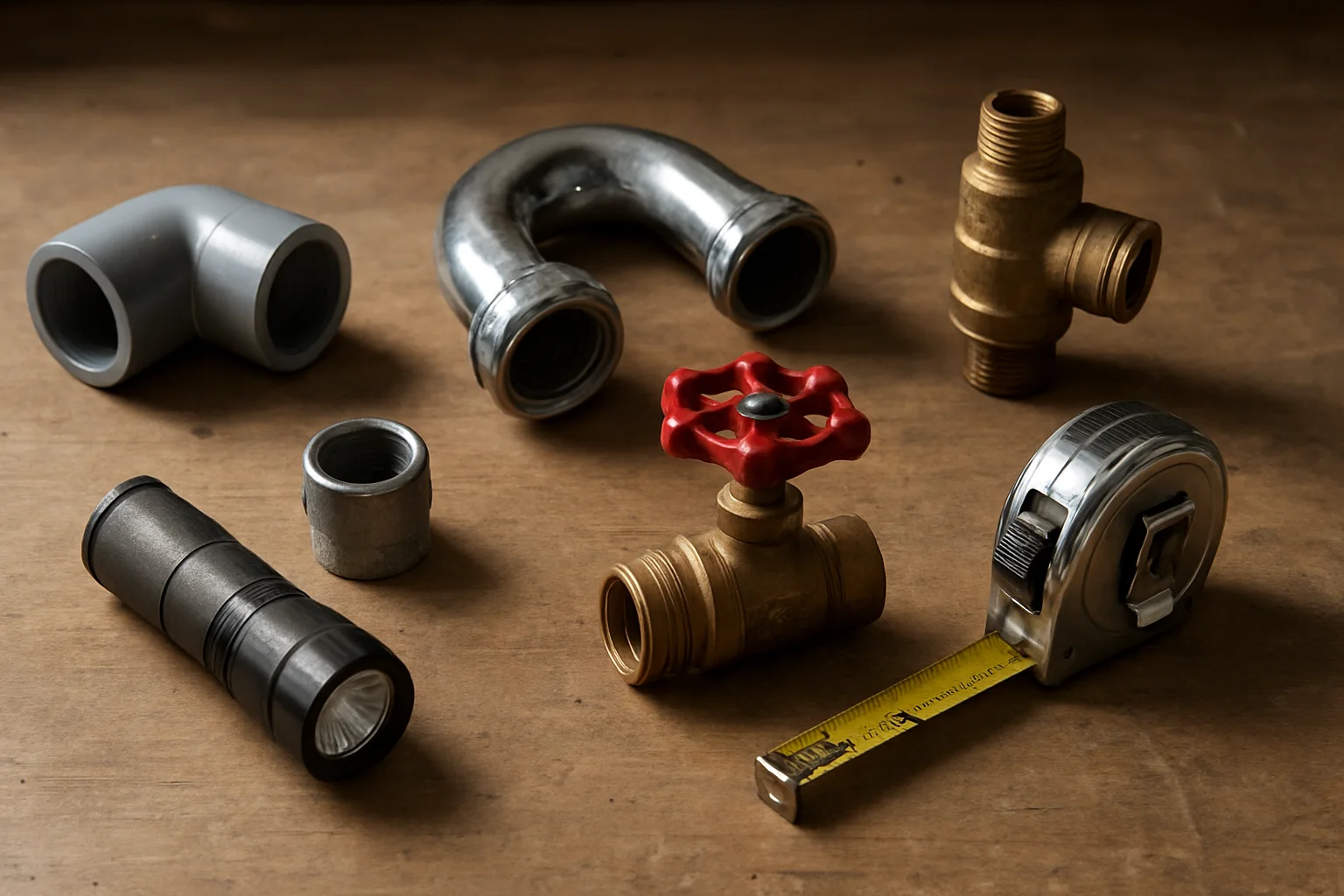
Why installation issues deserve attention early
A plumbing system can look fine from the outside while hidden installation problems slowly create leaks, pressure issues, drainage trouble, and avoidable damage. In Northwest Florida, where humid weather, shifting soils, and heavy seasonal rainfall can affect homes, small signs often deserve a closer look sooner rather than later. A fixture that wobbles, a drain that gurgles, or a water heater that never seems to perform consistently may point to a deeper installation concern rather than a simple inconvenience. Homeowners in Bay, Walton, and Okaloosa counties benefit from treating plumbing changes as clues, not isolated annoyances.
Professional diagnosis matters because plumbing systems are interconnected. A symptom in one place may originate elsewhere, such as a poorly supported line, an incorrect slope in a drain, a pressure imbalance, or a connection that was never properly sealed or aligned. An experienced plumber can evaluate the whole system instead of guessing at a single fixture. That broader view helps identify whether a repair, adjustment, or full installation correction is needed, and it reduces the chances of repeated callbacks or temporary fixes that never fully solve the issue.
What homeowners may notice first
Many plumbing installation problems begin with subtle warning signs that are easy to overlook during normal daily routines. Water that drains more slowly than it used to, a faucet handle that feels loose, a toilet that rocks slightly, or a water heater that seems to produce inconsistent temperatures can all be early indicators. Some homes show signs after a new fixture is added, while others develop symptoms months or years after a previous installation. In either case, the key is noticing patterns rather than dismissing them as normal wear.
In Northwest Florida homes, it is especially helpful to pay attention to changes that repeat. If a sink only backs up on certain days, if a shower alternates between strong and weak flow, or if a laundry area develops a recurring odor, those details provide useful clues for a professional plumber. The more precisely a homeowner can describe what changed, when it changed, and which fixtures are affected, the easier it is to narrow down whether the issue involves the supply side, drain side, venting, or a specific installation component.
Leak signs around fixtures and connections
Visible moisture is one of the most obvious clues that a plumbing installation may need professional attention, but leaks are not always dramatic. A cabinet under a sink may feel damp without any standing water. A baseboard may show swelling near a bathroom. A ceiling stain below a second-floor bath may appear after a storm or after more frequent use of a fixture. These signs can stem from loose supply connections, worn seals, incorrect fitting transitions, or a drain that is not aligned correctly. Even a small leak can gradually damage wood, drywall, insulation, and flooring.
Because leaks can travel before becoming visible, a homeowner should not assume the stained area is the source. Water often follows framing or other surfaces before emerging elsewhere. Professional plumbers use inspection methods to determine where the moisture is actually coming from and whether the issue is active, intermittent, or the result of an older installation concern. That diagnosis can prevent unnecessary tear-out and help avoid replacing the wrong part of the system. In a coastal region where indoor humidity is already a concern, identifying and correcting hidden moisture quickly is especially valuable.
Drainage problems and what they can suggest
Slow drains are common, but they are not always just a matter of buildup inside a pipe. When a system was installed with poor slope, inadequate venting, or incorrect pipe sizing, water may move sluggishly no matter how often the line is cleared. Homeowners may notice standing water in a shower, a sink that empties unevenly, or a tub that gurgles when another fixture drains. These issues can point to a plumbing installation problem rather than a simple clog. If multiple drains behave strangely at the same time, the likelihood of a system-level concern increases.
A professional plumber can determine whether the problem is isolated or part of a broader drainage design issue. That may involve examining trap and vent performance, checking how lines tie together, and looking for signs that the system cannot move wastewater efficiently. Professional assessment is important because recurring drain trouble may only improve briefly if the underlying layout or installation is not corrected. Homeowners in Bay, Walton, and Okaloosa counties should especially pay attention after remodels or fixture changes, since a new sink, shower, or appliance can reveal weaknesses in an older or previously modified drain system.
Water pressure changes and inconsistent flow
Water pressure that suddenly feels too weak or unexpectedly forceful can be a warning sign that something in the plumbing installation is not quite right. A fixture may spray unevenly, a shower may lose performance when another tap is opened, or hot and cold water may seem to behave differently from one room to another. These symptoms can stem from partially blocked components, but they can also indicate installation issues such as mismatched piping, improper valve selection, or a pressure problem that affects the whole house.
A homeowner should avoid assuming pressure changes are only about the city supply or only about one fixture. A trained plumber can assess static and dynamic conditions, inspect shutoff valves, and evaluate whether the issue is local or systemic. In some cases, diagnosis may reveal a problem hidden in a wall, beneath a slab, or near a water heater rather than at the faucet itself. Correctly identifying the cause matters because pressure problems can stress fixtures, make showers frustrating, and shorten the service life of components when left unresolved.
Odors, gurgling, and ventilation concerns
Unusual sewer-like odors or gurgling sounds often make homeowners worry about clogs, but they can also reflect a venting or installation concern. Plumbing vents help balance air movement so wastewater drains properly and trap seals remain effective. If venting is inadequate or a line was installed incorrectly, gas and air movement can become abnormal. The result may be odors near fixtures, slow drainage, or gurgling sounds after a toilet flush or when a washer discharges. These are not problems to ignore, even if the water appears to be flowing.
Professional diagnosis is the safest way to sort out whether the issue involves a trap, a vent, a drain line, or another part of the system. A licensed plumber can trace the route of the affected line and evaluate whether the installation supports proper drainage and sealing. This is particularly important in homes that have been remodeled or added onto, where older and newer sections of plumbing may not be working together as intended. Rather than treating the odor as a one-room issue, a full assessment helps identify the source and prevent a larger nuisance from developing into a structural or sanitation concern.
Water heater warning signs after installation or replacement
A water heater should provide dependable performance, so inconsistencies after installation deserve attention. Homeowners may notice that hot water runs out too quickly, the unit makes unfamiliar noises, the temperature fluctuates, or the area around the heater shows signs of moisture. These signs can point to an installation issue such as a connection problem, improper sizing for the home’s demand, incorrect venting on fuel-burning models, or a configuration that does not match household use. Even if the unit itself is new, the surrounding plumbing, electrical, or fuel connections can still be part of the problem.
Professional assessment is important because a water heater interacts with safety, comfort, and water quality. A plumber can inspect the connections, confirm whether the unit is performing as intended, and determine whether another part of the system is limiting its output. In Northwest Florida homes, where busy households and seasonal occupancy changes can affect hot water demand, the right diagnosis helps ensure the system matches real use. If a water heater was installed recently and performs poorly, the issue is worth addressing promptly rather than assuming it will improve on its own.
Appliance hookups and laundry-room clues
Dishwashers, washing machines, refrigerators with water lines, and laundry sinks all depend on proper installation to work well over time. When these connections are not correct, the symptoms may appear gradually. Homeowners might see dampness near the appliance, hear unusual cycling, notice odors in the laundry area, or find that a machine drains inconsistently. Because appliance hookups often sit in tight spaces, a minor connection issue can remain hidden until flooring, cabinetry, or drywall shows damage. In some cases, the appliance appears to be the problem when the real issue is the way the water supply or drain was installed.
A plumber can evaluate appliance lines, shutoffs, drain connections, and nearby fixtures to determine whether the problem is the appliance itself or the supporting plumbing. This matters because replacing the appliance without correcting the plumbing can leave the warning sign unresolved. Professional diagnosis also helps protect nearby materials from moisture damage. For homeowners in Bay, Walton, and Okaloosa counties, where humidity can make damp areas worsen faster, getting a clear assessment of laundry-room or kitchen hookups can prevent repeated leaks and reduce the chance of mold-friendly conditions developing behind surfaces.
How slab, crawlspace, and wall conditions can complicate diagnosis
Not every plumbing issue is visible in an open area. Some homes in Northwest Florida have plumbing lines that run through slabs, crawlspaces, attics, or wall cavities, which can make symptoms harder to trace. A homeowner may notice a warm floor spot, a musty smell, a water stain, or unexpectedly high water use without seeing any clear source. These signs can suggest a hidden leak, a routing issue, or an installation flaw that affects the system below the surface. Because the evidence is indirect, guessing can lead to unnecessary work or missed damage.
Professional plumbers approach these situations by tracing symptoms back through the system and identifying where the plumbing is likely failing. That may include checking accessible fixtures, inspecting visible runs, and evaluating how the system was installed in relation to the home’s structure. A careful diagnosis matters because hidden problems can cause broader damage before they become obvious. The goal is not just to find water, but to understand why it is appearing there and whether the original installation supports the home properly. This is especially important in areas where moisture and settling can make plumbing symptoms more subtle and more expensive if ignored.
Why professional diagnosis is better than guessing
It is understandable for homeowners to want a quick answer when a plumbing issue appears, but plumbing systems are often more complex than they look. The same symptom can come from several different causes, and a surface fix may not address the real source. For example, a slow drain might be treated like a clog when the underlying issue is poor slope. A dripping fixture may seem minor while the real concern is a compromised connection behind the wall. Guessing can lead to repeated frustration, wasted effort, and greater repair scope later on.
A professional plumber brings tools, experience, and a system-wide perspective to the diagnosis. That allows the plumber to distinguish between a fixture issue, a supply issue, a drain issue, and an installation issue. Instead of replacing parts one by one, the plumber can determine what actually needs attention and what does not. This approach helps homeowners make informed decisions and keeps the repair focused on the real problem. It also reduces the likelihood of reopening finished surfaces unnecessarily, which can be a major concern in occupied homes and remodeled spaces.
What to expect during an assessment
A professional plumbing assessment usually begins with listening. The plumber will ask when the symptoms started, which fixtures are affected, whether the issue is constant or intermittent, and whether anything changed recently in the home. Those details help narrow the possibilities before inspection begins. The plumber may then check visible connections, test fixture operation, evaluate drainage behavior, and inspect accessible piping and shutoffs. The goal is to build a clear picture of the system, not just look at the most obvious symptom. For homeowners, being ready to describe what they have noticed can make the visit more productive.
After gathering information, the plumber can explain likely causes and next steps in plain language. That may mean a repair, an adjustment, a correction to the original installation, or further investigation if the problem is hidden. A good assessment should leave the homeowner with a better understanding of the system and the reason behind the recommended solution. In Bay, Walton, and Okaloosa counties, that kind of careful diagnosis is especially useful because homes and properties vary widely in age, layout, and plumbing configuration. The right assessment respects those differences instead of applying a one-size-fits-all answer.
Seasonal factors in Northwest Florida homes
Seasonal weather changes can reveal plumbing installation issues that seemed minor during milder months. Heavy rains may expose drainage concerns or drainage backups. Changes in occupancy, especially in vacation homes or homes with guest traffic, can reveal performance issues that were not obvious during low-use periods. Heat and humidity can also make small leaks more noticeable through odors, swelling, or condensation. In coastal and near-coastal parts of Northwest Florida, homeowners should be alert to symptoms that appear after storms, during peak summer use, or when the house has been closed up for a period of time.
This does not mean every seasonal plumbing issue is an emergency, but it does mean trends matter. A problem that appears repeatedly in the same weather pattern or at the same time of year is worth documenting and discussing with a plumber. Seasonal observation helps professionals separate a one-time nuisance from an ongoing installation concern. For many homeowners, the most useful step is to note when symptoms occur and what seems to trigger them. That information can make professional diagnosis faster, more accurate, and better suited to the actual conditions affecting the home.
When to call 850 Plumber for help
If a plumbing symptom keeps returning, seems to involve multiple fixtures, or suggests hidden moisture, it is a good time to call for professional evaluation rather than waiting for the issue to worsen. 850 Plumber, part of veteran-owned A Superior Mechanical, serves Bay, Walton, and Okaloosa counties in Florida and helps homeowners identify what is happening inside the plumbing system. Whether the concern involves a new installation that does not perform as expected, a fixture that has changed behavior over time, or a hidden issue that needs careful tracing, professional diagnosis can bring clarity and direction.
Homeowners can call 850-258-3225 to discuss concerns and schedule service. The most helpful approach is to describe what you have observed, where it is happening, and how long it has been going on. That information supports a more efficient assessment and helps the plumber focus on the real cause. Plumbing installation concerns are often easier to correct when they are addressed early, before they spread into flooring, drywall, cabinets, or other parts of the home. A thorough professional evaluation is the safest and most practical way to protect your system and your property.
Explore related plumbing care
- Plumbing Fixture Installation & Maintenance in Bay, Walton and Okaloosa Counties, FL
- Plumbing Installation in Bay, Walton & Okaloosa Counties, FL
- Water Heater Installation in Freeport, FL
- 24/7 Emergency Plumbing Services in Bay, Walton and Okaloosa Counties
- Clean Water Services in Bay, Walton and Okaloosa Counties, FL
- Clogged Drains & Pipe Cleaning in Bay, Walton & Okaloosa Counties
Continue reading
- Water Heater Installation in Freeport, FL: Warning Signs and Professional Diagnosis for Northwest Florida Homeowners
- Plumbing Fixture Installation and Maintenance for Northwest Florida Homes: Warning Signs and Professional Diagnosis
- Whole Home Water Purification Warning Signs and Professional Diagnosis for Northwest Florida Homes
Talk with the 850 Plumber team for help with your home or business.