
Why Water Heater Problems Deserve Prompt Attention
A water heater is one of the most relied-on appliances in a home, but it often gets overlooked until hot water becomes unreliable. In Northwest Florida, where humidity, mineral exposure, and seasonal demand all affect plumbing systems, a failing water heater can go from a minor inconvenience to a major household disruption quickly. Homeowners in Freeport may notice that showers turn lukewarm, laundry cycles feel incomplete, or dishwashing takes longer because the water never reaches a steady temperature. These changes are more than annoyances. They are often early warnings that the unit is no longer operating as intended.
Prompt attention matters because water heaters can fail in ways that affect both comfort and property. Leaks can damage floors, drywall, and nearby belongings. Sediment buildup can reduce efficiency and strain internal components. Electrical or gas-related issues can create safety concerns that should never be ignored or guessed at. Professional assessment helps determine whether the problem is repairable, whether replacement is the smarter long-term choice, and what type of system fits the home’s needs. For homeowners in Bay, Walton, and Okaloosa counties, a careful diagnosis is the safest way to protect both the plumbing system and the home itself.
How Northwest Florida Conditions Affect Water Heaters
Water heaters in Northwest Florida operate in a climate that can be harder on plumbing equipment than many homeowners realize. Warm, humid conditions can contribute to corrosion, especially where metal parts, fittings, or connectors are exposed to moisture over time. The local water supply can also influence how quickly sediment and scale accumulate inside the tank or around heating elements. Even when a unit appears to be functioning, these conditions may slowly reduce efficiency and shorten service life.
Freeport homeowners should also consider seasonal usage patterns. Guests during holidays, increased laundry loads, or more showers during busy summer months can place extra demand on a water heater that was already near the end of its useful life. A system that once seemed adequate may start struggling as household routines change. Professional evaluation helps identify whether the problem is environmental, mechanical, or related to installation factors such as venting, electrical supply, or plumbing connections. Understanding local conditions is an important part of making an informed replacement decision.
Common Warning Signs Homeowners Notice First
The first signs of water heater trouble are often subtle. Hot water may take longer to arrive at faucets, or the supply may run out sooner than expected. Some homeowners notice that temperatures fluctuate from hot to warm without warning. Others hear popping, rumbling, or crackling sounds from the tank. These noises can point to sediment collecting at the bottom and interfering with normal operation. Rust-colored water, metallic odors, or a slight change in water clarity may also indicate internal deterioration or corrosion.
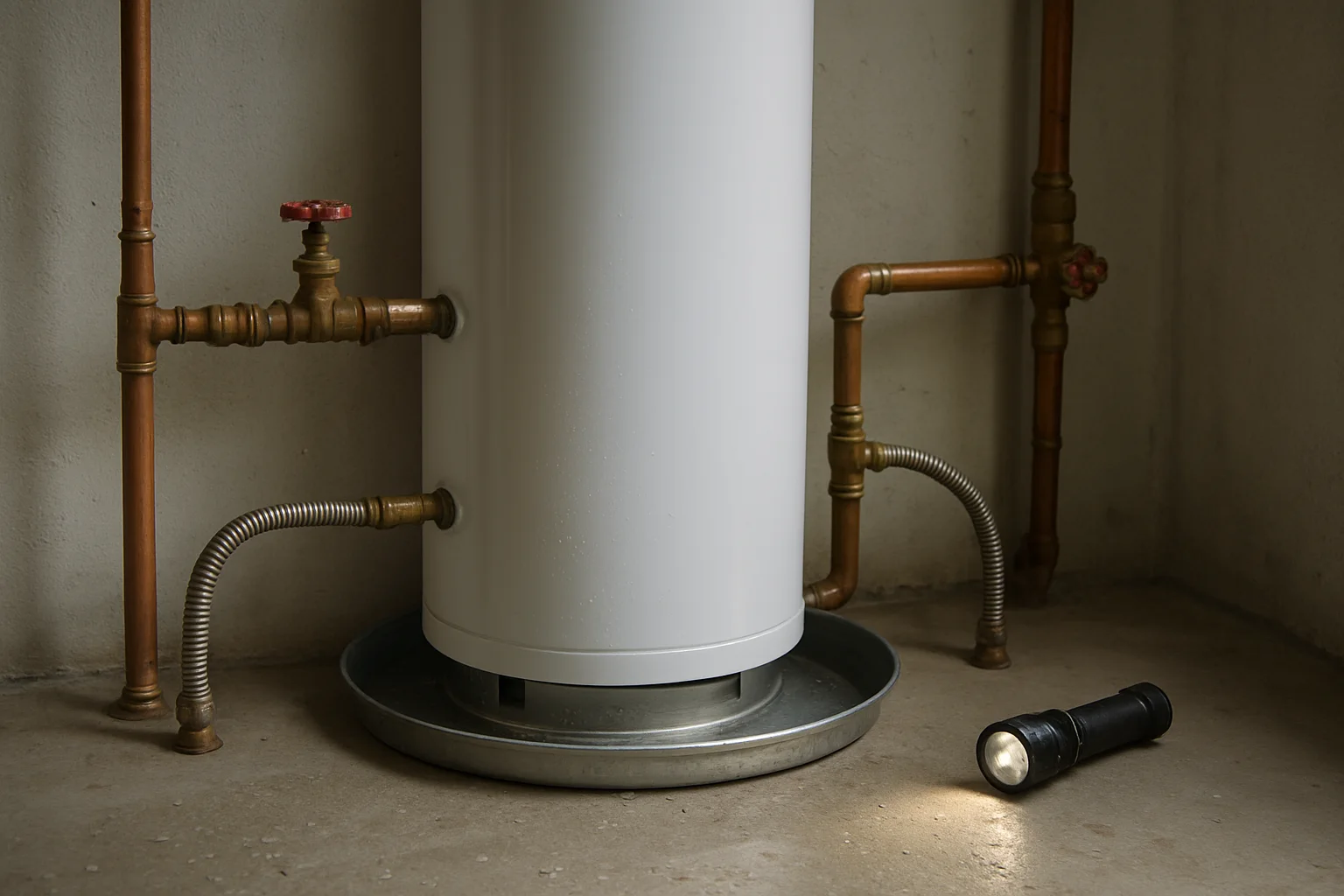
Leaks are another obvious warning sign, but not every leak looks dramatic. Moisture around the base of the unit, a damp pan, or rust streaks on connections can all signal a developing issue. In some cases, the thermostat, heating element, gas control, or pressure-related components may be failing even if the tank itself is still intact. Because several different issues can cause the same symptom, homeowners benefit from professional diagnosis rather than assuming the answer. A trained plumber can inspect the unit, identify the source of the problem, and explain whether repair or replacement is the safer path.
When Temperature Changes Signal a Deeper Problem
A water heater that cannot maintain a consistent temperature is often trying to communicate that one or more components are not performing properly. In electric units, a failed heating element or thermostat may prevent the water from reaching the desired temperature. In gas models, burner problems, venting issues, or control failures may be to blame. What feels like an isolated complaint about temperature is sometimes a symptom of broader wear inside the system.
Homeowners sometimes respond by raising the thermostat setting, but that approach may not solve the underlying problem and can create other concerns. Water that is too hot can increase the risk of scalding, while repeated temperature swings can indicate that the unit is cycling inefficiently. A professional inspection can help determine whether the issue is mechanical, electrical, sediment-related, or caused by improper sizing for the household. In Freeport, where many families want dependable hot water for daily routines and occasional visitors, it is important to understand whether the system can still meet demand or is nearing the end of its practical service.
Leaks, Corrosion, and the Hidden Cost of Delay
Even a small leak around a water heater deserves attention. Water can travel along flooring, framing, or plumbing lines before it becomes visible, which means the visible puddle may only be part of the problem. Corrosion on the tank, fittings, or connections often suggests long-term stress rather than a single isolated event. If the tank itself is compromised, continued operation may lead to sudden failure. For homeowners, delaying action can turn a manageable replacement into a more disruptive emergency.
The hidden cost of delay is not just water damage. A failing unit may work harder to produce less usable hot water, increasing utility waste and household frustration. In some cases, small leaks around the base can also indicate pressure issues or a failing internal vessel. Professional diagnosis helps separate condensation, minor fitting problems, and true tank failure. That distinction matters because it affects whether a repair might be reasonable or whether a new installation is the better investment. A careful inspection gives homeowners a clear path forward before the problem becomes more expensive or more destructive.
Noises, Sediment, and What They May Indicate
Normal operation should not sound dramatic. If a water heater begins to rumble, bang, hiss, or pop, it may be telling the homeowner that sediment has built up inside the tank. As minerals settle, they can create pockets of trapped water and air that make the unit work harder. This can reduce efficiency and place added stress on the tank and heating components. Over time, sediment can also contribute to uneven heating and shorter equipment life.
Noise alone does not prove that replacement is necessary, but it does warrant a professional look. A plumber can assess the age of the unit, the condition of the tank, the amount of sediment present, and whether flushing or another service is likely to help. In some older systems, the combination of noise, reduced output, and visible wear may point toward installation of a new unit instead of repeated short-term fixes. For Northwest Florida homeowners, this kind of evaluation is especially valuable because local water conditions and household demand can make sediment issues more noticeable. A trained assessment helps ensure the next step is based on the unit’s actual condition, not guesswork.
Age, Efficiency, and Practical Replacement Timing
Water heaters do not last forever, and age is one of the most important factors in deciding whether to repair or replace. As a unit gets older, parts wear down, efficiency declines, and the risk of unexpected failure rises. Even if a system still produces hot water, it may be using more energy than necessary or showing symptoms that suggest it is nearing the end of service. Homeowners sometimes wait until the tank fails completely, but that approach can leave little time to compare options or schedule installation on a convenient timeline.
Professional assessment helps homeowners make a practical decision based on age, condition, and performance. A plumber can review whether the existing unit still has useful life, whether signs of corrosion or repeated repairs indicate a decline, and whether the size or type of unit still fits the household. In Freeport homes, replacement planning is often easier when done before a failure becomes urgent. That gives homeowners more control over the process and reduces the chance of water damage or rushed decision-making. Knowing when to replace is not about following a fixed rule; it is about evaluating the full picture of condition, comfort, and reliability.
Why Sizing Matters for Freeport Households
A water heater that is too small can leave a family with inconsistent hot water, while one that is larger than needed may waste energy and take up unnecessary space. Proper sizing depends on the number of people in the home, daily usage patterns, fixture demand, and whether the household tends to use hot water at the same time for showers, laundry, or dishes. In a community like Freeport, where homes can vary widely in layout and family size, matching the unit to actual demand is one of the most important parts of a successful installation.
Professional diagnosis includes more than identifying a broken unit. It also includes checking whether the current system was ever well matched to the home in the first place. If a homeowner has regularly run out of hot water, the issue may not be just age. It could also be an undersized tank, an inefficient setup, or a system type that does not fit the household’s use pattern. A proper assessment helps explain whether a replacement should be the same style or whether a different configuration would better support everyday comfort. The goal is not only to restore hot water, but to restore it in a way that is dependable and appropriate for the home.
Gas, Electric, and Installation Considerations
The type of water heater a home uses affects both the diagnosis and the installation process. Gas and electric systems have different components, different safety considerations, and different performance characteristics. A gas water heater may need venting checks, gas line evaluation, and burner inspection. An electric model may require attention to thermostats, heating elements, wiring, and breaker performance. Homeowners should avoid assuming that every issue is the same across all units, because the diagnostic process changes based on the equipment involved.
Professional installation matters because the unit must be set up in a way that supports safe operation and long-term reliability. This includes confirming that the surrounding space is suitable, the connections are secure, and the installation aligns with applicable plumbing and safety requirements. In coastal and inland Northwest Florida communities alike, careful setup is important because environmental stress can reveal weak installation points quickly. A licensed plumber can help determine which type of system makes sense for the home and ensure that the new unit is installed with attention to both performance and safety. That is especially important when homeowners are replacing an aging system after repeated trouble.
The Role of Pressure, Valves, and Safety Components
A water heater is more than a tank that warms water. It includes safety components designed to help manage pressure and temperature. If those components are worn, improperly functioning, or overlooked during inspection, the system may not operate as intended. A professional plumber will look at the temperature and pressure relief valve, drainage conditions, connections, and other parts of the installation to determine whether the unit is operating safely. These checks are especially important when there are signs of leaking, odd noises, or inconsistent performance.
Homeowners should not try to diagnose or adjust pressure-related components on their own. These parts are essential to system safety, and mistakes can lead to damage or injury. Instead, a professional assessment can identify whether a valve is discharging properly, whether pressure is within an expected range, or whether the issue points to broader concerns in the plumbing system. This step is valuable during both repairs and new installations because it helps ensure the replacement is not just functional, but properly integrated into the home. In Freeport, where reliable performance matters year-round, safety-focused evaluation should be part of every serious water heater decision.
What Professional Diagnosis Typically Includes
Professional diagnosis begins with listening to the homeowner’s concerns and reviewing the symptoms the system is showing. A plumber may inspect the tank exterior, fittings, connections, controls, venting, electrical supply, or gas components depending on the model. The technician may also assess the age of the unit, the amount of corrosion present, and whether the symptoms point to a single repairable part or multiple areas of deterioration. This process helps build a complete picture rather than focusing on one visible issue.
The value of professional diagnosis is that it turns uncertainty into a plan. Instead of guessing whether the system needs a minor repair, full replacement, or improved sizing, homeowners receive guidance based on the actual condition of the equipment. That is especially useful when symptoms overlap. For example, low hot water output might be caused by sediment, a failing thermostat, undersizing, or a deteriorating tank. A trained plumber can distinguish among those possibilities and explain the next step in plain language. For Northwest Florida homeowners, that clarity saves time and helps avoid unnecessary work.
How to Prepare for a Water Heater Replacement Visit
Homeowners can make the process smoother by taking a few simple, non-technical steps before a professional visit. It helps to note what symptoms have been happening, how long they have been present, and whether the problem affects all fixtures or only some. If there has been leaking, unusual sound, rusty water, or inconsistent temperatures, writing that down can help the plumber diagnose the issue more efficiently. It is also useful to clear access to the unit so it can be inspected safely and thoroughly.
During the visit, homeowners should feel comfortable asking questions about the age of the unit, the likely cause of the problem, and whether replacement is the most practical option. A good diagnosis should explain the condition of the existing water heater in terms that make sense without using unnecessary jargon. For a replacement recommendation, the plumber should also discuss why a certain type or size is being suggested for the home. That way, the homeowner can make an informed choice rather than reacting to an emergency. Preparation and communication both contribute to a better outcome, especially when the issue has been building for some time.
Choosing a Local Plumbing Partner in Freeport
When a water heater problem appears, homeowners want more than a quick fix. They want a plumbing partner who understands the local environment, can evaluate the system carefully, and can recommend a solution that fits the home. For families in Freeport and surrounding Northwest Florida communities, that often means looking for a company that serves the area regularly and understands how local conditions can affect plumbing equipment. Experience with regional homes and water conditions can make diagnosis more accurate and installation more practical.
850 Plumber, part of veteran-owned A Superior Mechanical, serves Bay, Walton, and Okaloosa counties in Florida and can assist homeowners who need water heater installation or professional diagnosis. Homeowners can reach the company at 850-258-3225 to discuss symptoms, ask questions, and schedule an evaluation. Whether the concern is a leaking tank, unreliable hot water, or a system that may be nearing the end of its service life, a local professional assessment is the best starting point. For Freeport homeowners, the goal is simple: restore dependable hot water with a safe, informed, and properly matched installation when replacement is the right choice.
Explore related plumbing care
- Water Heater Installation in Freeport, FL
- Tankless Water Heater Services in Northwest Florida | 850 Plumber
- Water Heater Maintenance in Santa Rosa Beach, FL
- Water Heater Repair in Bay, Walton and Okaloosa Counties, FL
- Water Heater Replacement in Santa Rosa Beach, FL | 850 Plumber
- Water Heater Services in Bay, Walton & Okaloosa Counties, FL
Continue reading
- Water Heater Warning Signs and Professional Diagnosis for Northwest Florida Homeowners
- Water Heater Replacement in Santa Rosa Beach, FL: Warning Signs and Professional Diagnosis for Northwest Florida Homeowners
- Water Heater Repair Warning Signs and Professional Diagnosis for Northwest Florida Homeowners
Talk with the 850 Plumber team for help with your home or business.