
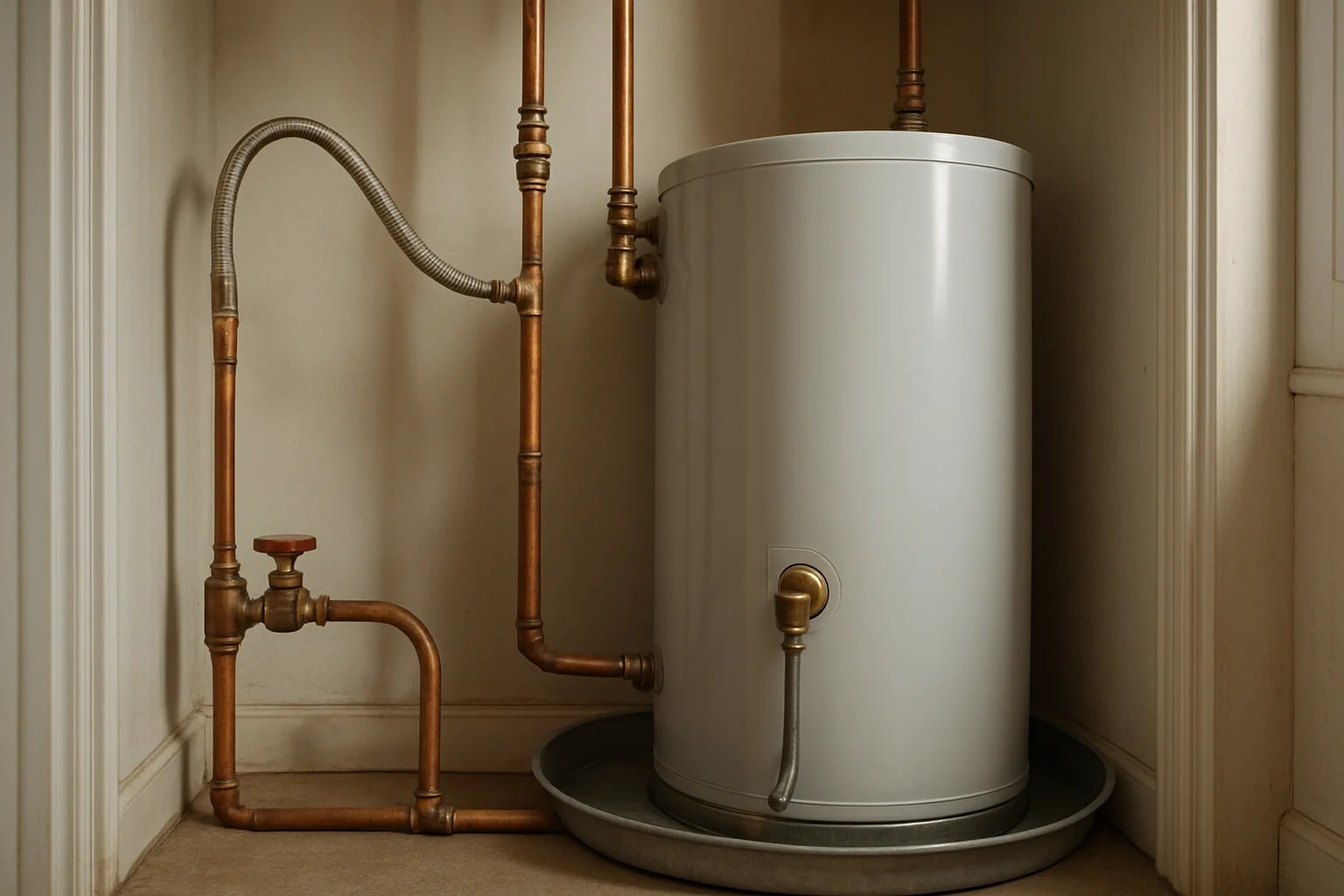
Why water heater problems deserve early attention
A water heater usually gives a few hints before it stops working altogether, and those hints matter. In Bay, Walton, and Okaloosa counties, homes face warm weather, humid air, hard-water mineral buildup in some areas, and heavy seasonal usage that can all affect a tank or tankless system over time. When a water heater starts acting differently, the issue may be as simple as a worn component or as involved as sediment accumulation, wiring trouble, or corrosion. Acting early can help homeowners avoid a sudden loss of hot water, property damage from leaks, or a complete system failure at an inconvenient time.
Professional evaluation is important because water heaters combine plumbing, electrical, gas, temperature, and pressure components in one appliance. A homeowner may notice a symptom, but the real cause may be inside the tank, at the controls, within the venting, or in a connected plumbing line. A trained technician can inspect the system safely, identify whether repair is appropriate, and explain the condition of the unit in plain language. For homeowners, that means a better understanding of whether a water heater can be repaired, whether maintenance can restore performance, or whether replacement may eventually make more sense.
How local conditions in Northwest Florida can affect performance
Northwest Florida homes deal with a mix of environmental conditions that can influence how long water heaters perform well. Warm ambient temperatures do not eliminate wear and tear; in fact, they can encourage more frequent showers, laundry, and dishwashing, which increases demand on the unit. Moisture and humidity can also affect surrounding parts, such as valves, connectors, insulation, and electrical components. In some homes, a water heater may be located in a garage, closet, attic, or utility area where temperature swings and condensation are part of the environment.
Water quality also matters. Mineral content can vary by neighborhood and water source, and minerals can settle inside a storage tank over time. That sediment can reduce heating efficiency, create popping or rumbling sounds, and contribute to strain on heating elements or burners. Over time, this can shorten the useful life of the equipment if not addressed by proper maintenance or repair. A professional diagnosis considers these local conditions rather than treating every water heater symptom as the same problem. That approach helps homeowners understand whether the issue is routine wear, a localized plumbing concern, or a larger system problem.
Inconsistent water temperature is a common warning sign
One of the most noticeable signs of trouble is water that changes temperature unexpectedly. Showers may begin hot and turn lukewarm, hot water may run out far sooner than usual, or faucet temperature may fluctuate even when fixtures are set the same way. This can point to a thermostat issue, sediment buildup, a failing heating element in an electric unit, burner problems in a gas unit, or internal tank issues that reduce overall heating capacity. In tankless systems, inconsistent temperatures can also indicate flow-sensing, scaling, or control problems that need professional attention.
A homeowner can note the symptom, but a repair technician should determine the cause. During diagnosis, the technician may check the unit’s settings, test related components, inspect for scale or sediment, and evaluate whether the hot water shortage is caused by the heater or by another part of the plumbing system. For example, a pressure or mixing issue elsewhere in the home can sometimes mimic a heater problem. Professional assessment helps separate a true water heater failure from a supply issue, valve concern, or usage pattern that simply exceeds the system’s capacity at certain times.
Discolored water and metallic odors should not be ignored
Rust-colored, cloudy, or otherwise discolored hot water can be a sign that something inside the water heater needs attention. In some cases, the problem may come from corrosion inside the tank, a failing anode rod, or sediment that has accumulated and is disturbing the flow of water. If discoloration appears mostly from the hot side and not the cold side, that often points more directly toward the water heater than the rest of the plumbing. A metallic smell or taste can also suggest internal wear or corrosion, though the exact source should be confirmed through professional inspection.
Because discoloration can also come from pipes, fixtures, or temporary water main disturbances, diagnosis matters. A technician may compare hot and cold water at several points, inspect the tank and connected piping, and look for signs of internal deterioration. Homeowners should not assume every color change means the system is beyond repair. Some causes can be addressed with repair or maintenance, but the condition of the tank itself is important. If internal rusting has progressed too far, a repair may only be temporary, and an informed decision becomes easier once the technician explains the findings clearly.
Strange noises often point to sediment or component strain
Water heaters are not silent, but new or worsening sounds deserve attention. Popping, rumbling, crackling, or hissing noises can be caused by sediment heating at the bottom of a tank. As water trapped under that sediment heats and expands, it can create abrupt sounds that seem alarming. In other situations, noise may come from burners, loose parts, water hammer effects in the plumbing, or issues with a tankless unit’s scale buildup or internal flow path. A noisy system is not just a nuisance; it can be a clue that the heater is working harder than it should.
The key for homeowners is to treat noise as a symptom, not a diagnosis. A professional can determine whether the sounds indicate a maintenance issue, a control problem, or active wear inside the unit. Inspection may include checking for sediment levels, evaluating heating performance, and looking at the condition of valves and connected plumbing. If the sound is caused by buildup, the technician can explain whether cleaning, flushing, or another repair step is appropriate based on the unit’s design and condition. That assessment helps homeowners avoid guessing at the cause and prevents unnecessary strain from continuing unnoticed.
Leaks and moisture around the unit need prompt evaluation
Even a small amount of water around a heater should be taken seriously. Moisture near the base of the tank, dampness around fittings, corrosion on connections, or repeated puddles may indicate a loose connection, a failing valve, a damaged supply line, or a problem with the tank itself. In humid Florida conditions, it can be easy to overlook condensation, but not every wet spot is harmless. If water is escaping from the appliance or its connected components, the issue can worsen and may lead to floor damage, mold growth, or electrical concerns depending on the location of the heater.
A professional diagnosis is important because leak sources are not always obvious. Water can travel along pipes, run down the side of the tank, or drip from a fitting before collecting on the floor. A technician can trace the source, determine whether the leak is coming from a repairable part, and identify whether the tank shell is compromised. That distinction matters because a leaking tank often cannot be solved with a simple part replacement, while a valve, connector, or fitting may be repairable. Homeowners benefit from a clear inspection that identifies both the cause and the practical next step.
Reduced hot water pressure can signal hidden issues
A drop in hot water pressure may seem like a plumbing inconvenience, but it can also relate to water heater performance. Sediment, scale, aging valves, partially closed shutoffs, or internal restrictions can reduce flow from the heater side. In some homes, the pressure problem is most noticeable at one or two fixtures, while in others it appears throughout the house. That pattern can help a technician narrow the possibilities, but it does not replace hands-on evaluation. Low pressure can also make a water heater seem weaker than it truly is when the real issue is elsewhere in the distribution system.
Professional diagnosis involves looking at the whole picture. A plumber may compare hot and cold flow, inspect supply lines and shutoffs, and consider whether the water heater or a downstream plumbing issue is causing the symptom. On tankless units, flow limitations and scaled components may affect performance differently than they would on a storage tank system. The important thing is not to assume pressure loss is “just age.” Some causes are repairable, and the earlier they are addressed, the easier it may be to preserve normal hot water service. A proper assessment can prevent homeowners from replacing a unit when the actual issue is something smaller and fixable.
Age and wear influence repair decisions
Every water heater has a lifespan influenced by usage, water quality, installation quality, maintenance history, and environmental conditions. Age alone does not tell the whole story, but it is an important factor when deciding whether repair makes sense. A newer unit with a failing valve or control may be a strong candidate for repair. An older unit showing multiple warning signs, repeated problems, or evidence of tank corrosion may require a more careful discussion about long-term reliability. In either case, the decision should be based on inspection, not guesswork.
A professional assessment helps homeowners understand the difference between a single repair issue and a pattern of deterioration. A technician can review the condition of the visible components, note any rust or leakage, and explain how the system’s age affects repair options. Homeowners should also consider how often the heater has needed service in the past. Repeated repairs over a short period can point to broader wear. Clear diagnosis does not pressure a homeowner into one decision; it provides the facts needed to choose the most practical path for the home, the budget, and the household’s hot water needs.
Tank and tankless systems show different warning patterns
Storage tank and tankless water heaters can both fail, but they often show different symptoms. A traditional tank may develop sediment-related noise, rusty water, temperature swings, or leaks at the tank body or fittings. A tankless unit may be more likely to show ignition issues, scaling, flow restriction, error indicators, or temperature fluctuations tied to demand. Because the systems work differently, the same symptom can have different causes depending on the equipment type. That is why a one-size-fits-all assumption can lead to the wrong repair approach.
A professional technician evaluates the specific design of the unit before recommending action. For a tank system, inspection may focus on the tank, heating source, and connected plumbing. For a tankless unit, the technician may also assess scale buildup, venting, combustion or electrical function, and sensor performance depending on the model. Homeowners benefit from choosing a service provider who understands that “water heater repair” is not one generic task. The right diagnosis depends on matching the symptom to the system type, then confirming the cause with proper testing and inspection.
What a professional water heater diagnosis usually includes
A good diagnosis begins with listening to the homeowner’s description of the problem. When did the issue start? Is it constant or occasional? Does it affect all fixtures or only certain ones? Does the heater make noise, leak, or produce water that is too hot, too cool, or discolored? These details help guide the inspection. The technician then examines the unit, looks at visible piping and valves, checks for signs of corrosion or leakage, and evaluates whether the symptom points to a plumbing, electrical, gas, or internal tank issue.
Depending on the system, diagnosis may also include testing controls, examining safety devices, and checking how the unit responds under normal demand. The goal is to identify the real cause, not just the visible symptom. A careful professional assessment can reveal whether repair is straightforward, whether maintenance may solve the issue, or whether the unit has reached a point where replacement may be the safer and more practical option. For homeowners, that clarity is valuable because it replaces uncertainty with a defined plan.
Why safe professional service matters more than quick fixes
Water heater problems can seem minor at first, but quick fixes that ignore the source can create larger issues later. Since the system may involve hot water, electrical parts, gas connections, and pressure relief components, it is not a good candidate for guesswork. Homeowners should avoid hazardous do-it-yourself steps or temporary measures that do not address the cause. Even when a symptom seems straightforward, the correct repair depends on a proper inspection. A technician can work safely around the appliance and avoid creating additional risks or damage.
Professional service also helps protect the home as a whole. A small leak can become flooring damage, a failing control can affect comfort, and a corroded component can lead to repeated service calls if not identified correctly. When a licensed professional evaluates the system, the homeowner receives a more complete understanding of what is happening and what should be done next. That level of care is especially helpful in busy households where hot water is needed every day and there is little room for surprise outages.
How homeowners can prepare for a service visit
Before a technician arrives, homeowners can make the inspection more efficient by noting the symptoms and when they occur. It helps to write down whether the issue is constant, seasonal, or tied to certain times of day. If there are noises, leaks, temperature changes, or water discoloration, those details are useful. Homeowners can also make the area around the water heater accessible so the technician can inspect the unit and surrounding plumbing without delay. These simple steps do not replace professional work; they just help the service visit focus on diagnosis and repair.
It is also helpful to know whether the home has had prior water heater repairs, recent plumbing work, or changes in hot water usage. Those details can guide the technician toward the most likely cause. The goal is not to troubleshoot the system alone, but to provide context that supports a better assessment. A professional can then inspect the appliance, explain the findings, and discuss next steps in clear terms. For homeowners in Bay, Walton, and Okaloosa counties, that kind of prepared service call can lead to a more efficient and informed repair process.
When to call 850 Plumber for water heater repair in Northwest Florida
If a water heater is showing warning signs such as inconsistent temperature, rusty water, unusual noises, moisture around the unit, or reduced hot water pressure, it is a good time to schedule a professional evaluation. The same is true if the system is struggling to keep up with daily demand or if a problem keeps returning after prior service. In these situations, the most helpful step is not to wait for the unit to fail completely. Instead, having the system inspected can reveal whether the issue is repairable and what should be done to restore reliable hot water.
850 Plumber, part of veteran-owned A Superior Mechanical, serves Bay, Walton, and Okaloosa counties, FL, and can help homeowners understand what their water heater is telling them. If you need water heater repair guidance or a professional diagnosis, call 850-258-3225. This evergreen homeowner resource is intended to help you recognize symptoms early, understand why diagnosis matters, and make informed decisions about your home’s hot water system.
Explore related plumbing care
- Water Heater Repair in Bay, Walton and Okaloosa Counties, FL
- Tankless Water Heater Services in Northwest Florida | 850 Plumber
- Water Heater Installation in Freeport, FL
- Water Heater Maintenance in Santa Rosa Beach, FL
- Water Heater Replacement in Santa Rosa Beach, FL | 850 Plumber
- Water Heater Services in Bay, Walton & Okaloosa Counties, FL
Continue reading
- Water Line Repair in Walton County, FL: Warning Signs and Professional Diagnosis for Northwest Florida Homeowners
- Water Heater Warning Signs and Professional Diagnosis for Northwest Florida Homeowners
- Water Heater Replacement in Santa Rosa Beach, FL: Warning Signs and Professional Diagnosis for Northwest Florida Homeowners
Talk with the 850 Plumber team for help with your home or business.