
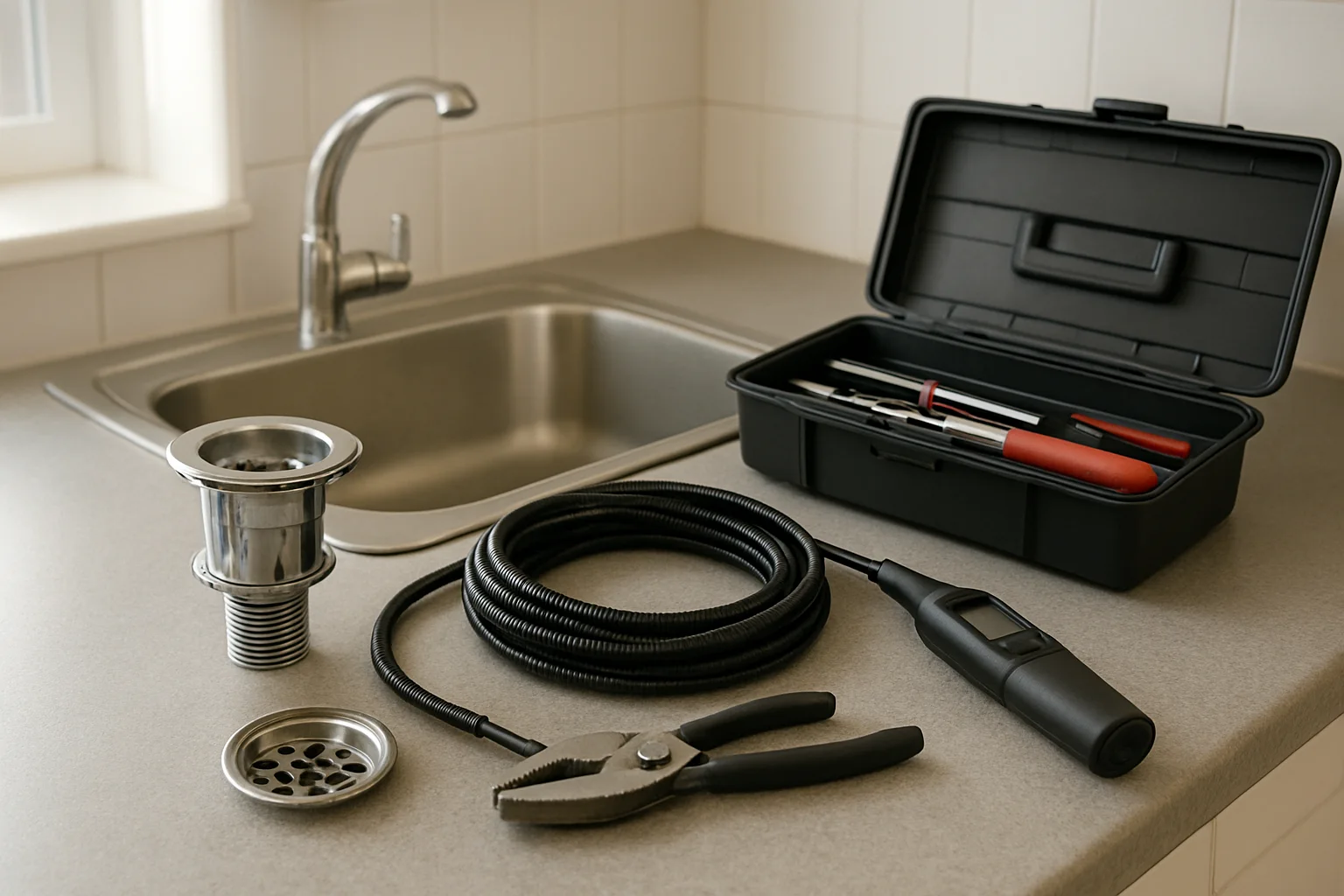
Why drain care matters in Northwest Florida homes
Drain problems rarely begin as a dramatic emergency. More often, they start with subtle signs: water that lingers a little too long in a sink, a shower that drains unevenly, or a kitchen line that gurgles after the dishwasher runs. In Bay, Walton, and Okaloosa counties, those small changes can be especially important because homes face a mix of coastal humidity, heavy seasonal use, and storm-related strain on plumbing systems. A slow drain is not just an inconvenience. It can be a signal that buildup is narrowing the pipe, that a venting issue is affecting flow, or that something farther down the line needs professional attention.
Professional drain care is about preserving the health of the whole system, not just clearing a single sink. Pipes move wastewater away from fixtures, but they also respond to what enters them over time. Grease, soap residue, hair, food particles, sand, lint, and mineral buildup can all reduce capacity. In some homes, repeated clogs show a pattern rather than a one-time blockage. A professional assessment helps identify whether the issue is localized to one fixture, shared by multiple drains, or related to the main sewer or septic connection. That distinction matters because the best solution depends on where the restriction is occurring and why it formed in the first place.
Common causes of clogged drains in coastal Florida homes
Every household creates drain debris, but the types and volume can vary with lifestyle and location. In kitchen drains, the most common contributors are cooking oils, fats, food scraps, coffee grounds, and dish residue. Even when these materials go down in liquid form, they can cool and solidify along pipe walls, trapping other particles and slowly restricting flow. Bathroom drains often see a different combination: hair, soap scum, toothpaste, skincare products, and hard-water residue. Laundry and utility drains may collect lint, detergent buildup, and small debris washed from clothing or equipment. Over time, all of these materials can form layers inside the pipe.
Homes in Northwest Florida may also contend with sand, sediment, and organic debris that find their way into plumbing through outdoor activity, storm events, or tracked-in material washed from hands, clothes, and tools. In some properties, older pipe materials or sagging sections can encourage debris to settle rather than move smoothly through the line. Tree root intrusion can also be a factor in certain sewer lines, especially when small cracks or joints provide entry points. A professional plumber can evaluate whether a clog is caused by ordinary buildup, a pipe condition issue, or an external factor that needs more than routine cleaning. That evaluation helps avoid repeat clogs and unnecessary guesswork.
How to recognize the early warning signs
The earliest drain warning signs are often easy to overlook. You may notice water emptying more slowly after washing dishes or showering. A toilet might require a little more time to reset after flushing. A sink may produce a faint gurgling noise, or a nearby drain may bubble when another fixture is used. These clues can indicate that airflow or wastewater movement is being restricted somewhere in the plumbing system. One slow drain can be a minor fixture issue, but several slow drains at once may point to a more significant blockage or system-wide restriction.
Odors are another sign worth paying attention to. Persistent sewer or musty smells near drains can suggest that buildup is collecting inside the line, that water traps are not functioning as expected, or that wastewater is not moving through the system efficiently. Homeowners may also see water backing up into a tub, floor drain, or lower-level fixture when another appliance drains. That kind of cross-signaling is especially important because it can indicate a main line concern. A professional assessment can determine whether the issue is surface-level or deeper in the piping network. Early evaluation is usually simpler than waiting until a slow drain becomes a complete backup.
Why seasonal planning helps prevent costly interruptions
Seasonal planning matters because household habits change throughout the year. In Northwest Florida, the home may see more guests, more showers, more cooking, and more laundry during holidays, school breaks, and vacation periods. More use means more opportunities for grease, soap, hair, and debris to collect in the drain system. Even a healthy plumbing system can become stressed when demand rises quickly. Planning ahead helps reduce the chance of a slow drain becoming a weekend disruption or a holiday emergency.
Seasonal planning also helps homeowners think beyond immediate symptoms. A drain that seems acceptable in spring may start to struggle after months of heavy use or after several stormy weeks that bring extra moisture and debris into and around the home. Preseason attention gives a plumber time to assess the system under normal conditions rather than during a backup. For households in Bay, Walton, and Okaloosa counties, that can be especially helpful before the wet season, before peak travel periods, or before hosting guests. Professional maintenance may include inspection, cleaning recommendations, and an evaluation of whether the pipes would benefit from deeper service based on the home’s age, usage, and plumbing layout.
What professional drain cleaning can address
Professional drain cleaning is designed to remove buildup and restore function without the risks of harsh or improvised methods. Depending on the situation, a plumber may use tools or techniques that target different types of blockage: grease buildup, hair accumulation, soap residue, sediment, or obstruction within a main line. The right method depends on the pipe material, the location of the clog, and the condition of the system. A professional does not simply force a blockage open; they assess the cause, then choose a cleaning approach that is appropriate for the plumbing in your home.
This matters because not every clog is the same. A bathroom sink restriction may respond differently than a kitchen line coated with grease or a sewer line narrowed by roots or mineral scale. If a homeowner keeps clearing a fixture only to have the same issue return, the real problem may be farther down the pipe. Professional cleaning can also be part of a broader maintenance plan, especially in homes that experience recurring slow drains. The goal is to restore reliable flow, reduce repeat service calls, and help prevent a small inconvenience from turning into a more disruptive plumbing failure. A thorough assessment helps ensure the solution fits the cause rather than masking the symptom.
Why professional assessment is safer than guesswork
When drains slow down, it is tempting to assume the fix is obvious. But plumbing systems are interconnected, and the visible symptom is not always the true source of the problem. A kitchen sink may appear clogged, yet the obstruction could be in a branch line, a vent issue could be affecting drainage, or the main line could be partially restricted. Clearing only the immediate fixture may provide temporary relief without addressing the condition that caused the slowdown. Professional assessment reduces that uncertainty by tracing the problem to its actual location.
Assessment also matters because different pipe materials and layouts respond differently to service. Older homes may have pipe configurations that require extra care, while newer systems may still experience buildup due to household habits. A plumber can inspect accessible components, listen to system behavior, and determine whether cleaning, repair, or another service is the best next step. This prevents unnecessary strain on the plumbing and helps protect fixtures from repeated backup stress. In a coastal region where homes may face humidity, sediment, and storm-related drainage challenges, an informed diagnosis is a practical part of preventive care, not an optional extra.
Kitchen drain habits that make a difference
Kitchen drains often handle the most challenging mix of substances in the house. Grease is one of the biggest contributors to buildup because it changes form as it cools and can cling to pipe walls. Food waste, even in small amounts, can accumulate when it combines with grease or soap residue. Over time, that accumulation narrows the pipe opening and gives other debris a place to stick. Dishwashers can also contribute if food particles or detergent residue repeatedly enter the line. These patterns develop gradually, which is why many kitchen clogs seem to appear suddenly even though the buildup has been happening for months.
Homeowners can reduce strain by being mindful of what regularly enters the drain, but even careful habits do not eliminate the need for maintenance in every home. If a kitchen sink drains slowly or the garbage disposal seems less effective than usual, it may be a sign that the line is collecting buildup beyond the visible trap area. A professional plumber can assess whether the issue is isolated to the sink, the disposal connection, or the pipe farther along the run. In households with frequent cooking, holiday meal preparation, or large family use, periodic drain evaluation can be a practical part of seasonal home care.
Bathroom drain issues and the role of maintenance
Bathroom drains are among the most frequently used in the home, and they collect a steady mix of hair, soap residue, toothpaste, shaving products, and mineral deposits. These substances may not seem significant individually, but together they can create a stubborn restriction inside the pipe. Shower drains often slow first because hair and soap form a mat-like buildup. Sink drains may appear to function normally until water begins pooling after routine use. Toilets, while designed for wastewater, can also signal broader drain concerns when flushing becomes weak or slow without a clear fixture issue.
Routine maintenance is particularly valuable in bathrooms because early intervention can keep small restrictions from becoming complete blockages. Professional assessment helps determine whether the issue is in the trap, a branch line, or a larger section of plumbing. It can also reveal whether venting or slope problems are contributing to repeated slow drainage. Because bathroom drains serve daily hygiene needs, dependable performance is especially important in homes with multiple occupants or visiting guests. Addressing these issues before they spread to other fixtures can save time and reduce the chance of unpleasant backups in the most frequently used spaces of the home.
How storms and heavy rain can affect drains
Northwest Florida homeowners understand that heavy rain can change the way a property behaves. Stormwater does not enter household drains directly in a properly functioning system, but wet conditions can still influence plumbing performance. Increased ground saturation may affect outdoor drainage conditions, while debris, sand, and organic material can be tracked into the home more easily during stormy periods. If a property has older lines, compromised seals, or drainage vulnerabilities, heavy rain can expose problems that were not obvious during dry weather. That makes seasonal planning especially valuable in storm-prone months.
A professional plumber can evaluate whether a drain issue is purely internal or influenced by conditions outside the house. For example, recurring sewer odors, multiple slow fixtures, or backups during wet weather may point to a broader system problem that deserves inspection. Storm season is a practical time to review drain health, not because every rain causes a plumbing failure, but because changing conditions can reveal hidden weaknesses. Homeowners who pay attention before and after storms are better positioned to spot patterns, identify recurring trouble, and plan service before an inconvenience becomes an emergency.
When repeat clogs suggest a deeper problem
A single clog can happen in any home. Repeated clogs in the same fixture or multiple slow drains in one section of the house are more significant. When the same sink, tub, or toilet keeps needing attention, the issue may be more than surface buildup. There could be a narrowing in the line, a partial blockage farther away, a venting concern, a sagging section, or a main line restriction. The key clue is pattern. If the symptom returns soon after it is cleared, the plumbing system is signaling that the root cause has not been resolved.
Professional diagnosis becomes especially important at this stage because repeated clogs can lead to water damage, unpleasant odors, and stress on fixtures and joints. A plumber can assess the system as a whole and determine whether cleaning alone is appropriate or whether repair should be considered. This is one reason homeowner education matters: a recurring issue is not simply a nuisance to manage indefinitely. It is often a sign that the system would benefit from targeted professional attention. Identifying the cause early can preserve the plumbing’s performance and reduce the likelihood of more disruptive backup events.
Why pipe material and home age matter
The age of a home and the material of its pipes can influence how drains behave over time. Older plumbing may have accumulated decades of residue, and some materials are more susceptible to corrosion, scale, or internal roughness that catches debris. Newer systems can still develop clogs, but they may do so for different reasons, such as household habits, construction debris left in lines, or localized installation issues. A plumber’s assessment takes those factors into account rather than treating every home the same. That individualized approach is important because a method that works well in one system may not be the best fit for another.
In homes with aging plumbing, preventive care can be especially worthwhile. The goal is not to assume that older pipes are failing, but to recognize that they may need more careful monitoring and maintenance. If a property has a history of slow drains, unexplained odors, or frequent service calls, those details help shape the right maintenance plan. Professional assessment can also identify whether buildup is the main issue or whether wear and tear is affecting flow. For homeowners in Bay, Walton, and Okaloosa counties, knowing the condition of the plumbing system is a practical part of preserving comfort and avoiding avoidable disruptions.
How to think about seasonal maintenance planning
A good maintenance plan fits the household’s rhythms. Some homes benefit from attention before the rainy season, others before holiday gatherings, and others before periods of heavy guest traffic or rental turnover. Seasonal planning is not about doing the same task on a fixed date every year. It is about matching professional attention to the times when plumbing is most likely to be stressed. If the home tends to see more cooking, more showers, or more laundry during certain months, that is the right time to think about drain performance and whether cleaning would be useful.
Seasonal planning also helps homeowners avoid reacting only after a problem appears. By scheduling an assessment in advance, you give the plumber time to look for warning signs, identify recurring patterns, and recommend service based on current conditions. That can be more efficient than waiting for a backup during a busy week. A preventive mindset also makes it easier to plan around other home maintenance tasks, such as checking outdoor drainage, inspecting fixtures, and noting any changes in water flow. For many households, a little planning goes a long way toward keeping plumbing reliable through changing weather and changing routines.
What homeowners can do between professional visits
Between professional assessments, the most helpful homeowner habits are the ones that reduce everyday strain on the plumbing system. Be attentive to what goes down kitchen and bathroom drains, and notice changes in flow early. If a drain starts slowing down, treat that as useful information rather than a minor annoyance to ignore. Keep an eye on odors, gurgling, or backups that appear when another fixture is running. These signs can help you communicate clearly with a plumber and allow for a more accurate evaluation. Regular observation is not the same as repair, but it supports timely service and can prevent surprises.
It is also wise to remember the limits of do-it-yourself approaches. Drain issues can be caused by conditions that are hidden inside the pipe or beyond the visible fixture, and aggressive attempts to clear a blockage can worsen the problem or damage plumbing components. Professional service is the safer route when clogs recur, multiple fixtures are affected, or the cause is unclear. If you are unsure whether a slow drain is isolated or part of a larger issue, a licensed plumber can help determine the right next step. Homeowners in Bay, Walton, and Okaloosa counties can rely on informed assessment to guide maintenance decisions instead of guessing at the source of the problem.
Explore related plumbing care
- Clogged Drains & Pipe Cleaning in Bay, Walton & Okaloosa Counties
- Drain Cleaning & Maintenance in Bay, Walton and Okaloosa Counties, FL
- Pipe Replacement in Santa Rosa Beach, FL
- Sewer & Drain Services in Bay, Walton & Okaloosa Counties, FL
- 24/7 Emergency Plumbing Services in Bay, Walton and Okaloosa Counties
- Clean Water Services in Bay, Walton and Okaloosa Counties, FL
Continue reading
- Hydro Jetting for Northwest Florida Homes: Preventive Drain Care and Seasonal Planning
- Whole Home Water Purification for Northwest Florida Homes: Preventive Care and Seasonal Planning
- Water Softening Services in Santa Rosa Beach, FL: Preventive Care and Seasonal Planning for Northwest Florida Homes
Talk with the 850 Plumber team for help with your home or business.