
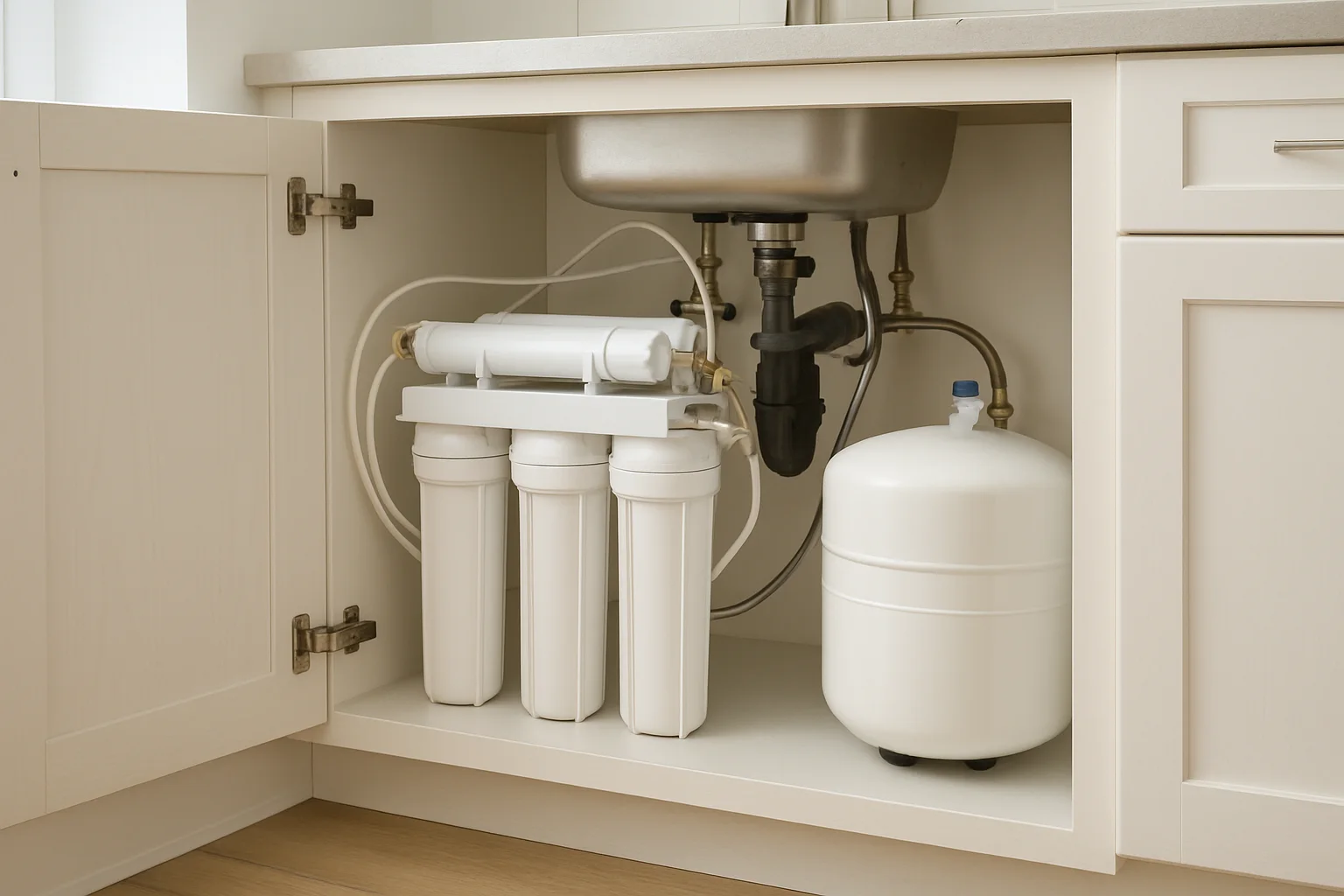
Why reverse osmosis matters in Northwest Florida
Reverse osmosis systems are popular in Bay, Walton, and Okaloosa counties because many homeowners want an extra layer of water treatment for drinking and cooking water. A properly selected and maintained RO system can help reduce dissolved solids and improve taste, but it is not a set-it-and-forget-it appliance. Coastal climate, seasonal humidity, and household water use patterns all influence how well the system performs over time. For homeowners, the goal is not just cleaner water at the tap, but consistent water quality, dependable pressure, and fewer unexpected service interruptions.
In Northwest Florida, preventive care is especially important because local homes may face a mix of municipal supply conditions, well water concerns, mineral content, and the general wear that comes from long, warm, humid seasons. An RO system includes multiple parts that each age differently, including sediment filters, carbon filters, a membrane, storage tank, tubing, and fittings. When one part begins to wear, the system can still appear to work while performance slowly declines. That is why seasonal planning and professional assessment can be so valuable for homeowners who want reliable drinking water year-round.
How a reverse osmosis system works in simple terms
A reverse osmosis system uses pressure to push water through a semipermeable membrane that helps separate many dissolved contaminants from the treated water. Before water reaches that membrane, it typically passes through prefilters that catch sediment and reduce chlorine or other compounds that can damage the membrane. After the membrane stage, the water is stored in a tank until you open the faucet, and some systems include a post-filter to polish the taste before the water reaches your glass. The process sounds complex, but the homeowner experience is usually simple: a dedicated faucet, cleaner-tasting water, and a system that should work quietly in the background.
Even though the process is straightforward at the faucet, the plumbing behind it deserves attention. Water pressure, feed water quality, drain connection integrity, and proper installation all affect performance. If the system is underfed, overpressurized, or installed in a cramped or damp area, it may not operate efficiently. A professional assessment can identify whether the system is actually suited to the home’s water conditions and whether the installation allows the filters and membrane to do their jobs as designed. That evaluation is useful both for new installations and for systems that have been in place for years.
Local water conditions that affect RO performance
Northwest Florida homeowners often deal with water characteristics that can influence reverse osmosis maintenance. Depending on the source, water may carry sediment, dissolved minerals, chlorine or chloramine treatment residuals, or other substances that change how quickly filters load up. Homes on private wells may have different concerns than homes on municipal water, and those differences matter because the prefilters and membrane are designed to handle specific conditions. When the incoming water changes with the season, after heavy rain, or during utility maintenance, the system may show subtle changes in flow rate, taste, or waste water behavior.
Coastal humidity and the general environment also matter. Cabinets under sinks can be damp, and that moisture can affect tubing, filter housings, and fittings over time. In homes close to the coast or in older homes with limited under-sink ventilation, corrosion or wear around connections may develop gradually. A homeowner may only notice a small drip, a change in water delivery speed, or a slightly off taste. Those are the moments when a professional inspection helps determine whether the issue is simple filter aging, a pressure problem, or a mechanical concern that needs service. Catching those changes early can protect the system and reduce the risk of water damage below the sink.
Signs your reverse osmosis system may need attention
One of the most common signs of a RO system problem is slower water flow at the dedicated faucet. That can happen when prefilters are clogged, the membrane is nearing the end of its service life, or the storage tank is not holding pressure properly. Another common sign is a change in taste or odor. Since the point of a reverse osmosis system is improved water quality, any noticeable change in flavor deserves attention rather than guesswork. Homeowners should also watch for cloudy water, intermittent air spitting from the faucet, or the system running more often than usual to refill the tank.
Visible leaks are another important warning sign, but not all leaks are obvious. Small drips at filter housings, dampness at fittings, or moisture around the base cabinet can be easy to overlook until damage becomes more serious. Some systems also make unusual sounds when a component is wearing out or when water pressure is irregular. A professional can assess whether the issue lies in the filters, membrane, air charge in the tank, feed water pressure, or a worn valve or connector. Because the system’s parts work together, it is best to avoid assuming one symptom points to only one cause. A careful evaluation helps prevent unnecessary part replacement and identifies the real source of the problem.
Filter replacement timing and why schedules vary
Filter replacement is one of the most important parts of RO system care, but there is no single calendar that fits every home. Replacement timing depends on water quality, household size, system design, and how much water the family uses. A home with heavier sediment or a larger family drawing more water may need service sooner than a lightly used system in a smaller household. That is why homeowners should rely on both manufacturer guidance and professional evaluation rather than assuming that a filter can last indefinitely because the water still looks clear.
A system can also become less effective without dramatic warning signs. Prefilters may gradually restrict flow, and the membrane can slowly lose efficiency even while the faucet still produces water. Homeowners who wait for obvious failure may discover that the system has been underperforming for some time. Preventive care helps avoid that gap. A professional can inspect the system, evaluate usage patterns, and recommend a maintenance schedule based on the actual conditions in the home. That approach is especially useful in Northwest Florida, where seasonal humidity, weather events, and variable water conditions can all influence how quickly components wear. Scheduled service helps keep maintenance predictable rather than reactive.
Membrane care: the heart of the system
The reverse osmosis membrane is the core component that does the heavy lifting, and protecting it starts with proper prefiltration. If sediment or chlorine reaches the membrane in excess, it can shorten its effective life. For homeowners, that means the condition of the earlier filters matters just as much as the membrane itself. A system that looks fine from the outside can still have reduced performance if the prefilters are overdue for replacement. When the membrane is stressed, the result may be slower production, more waste water, or a decline in water quality that becomes noticeable in taste or total dissolved solids performance.
Membrane issues are not always something a homeowner can diagnose visually. A system may have no obvious leak and still be producing water that is not being treated as expected. Professional assessment can include checking inlet and outlet conditions, reviewing system age and use, and comparing performance against normal expectations for that unit. In some cases, the membrane may simply be at the end of its service life; in others, the problem may be feed water quality, pressure, or a clogged prefilter. Because the membrane is a relatively delicate component, it is best handled through informed maintenance rather than trial-and-error replacement. Keeping the membrane protected is one of the most cost-effective ways to keep the whole system working well.
Storage tank and faucet performance in the home
The storage tank gives a reverse osmosis system the ability to deliver treated water on demand, but it can also become a source of service concerns. If the tank pressure is too low or the internal bladder is aging, water flow at the faucet can feel weak even when the filters are fine. On the other hand, if the tank or valves are not working correctly, the system may seem to refill constantly or deliver water in uneven bursts. Homeowners sometimes assume the faucet itself is the problem, when the issue may actually be in the tank or the plumbing connections feeding it.
The dedicated RO faucet also deserves attention. Mineral buildup, worn seals, and loose mounting hardware can all affect performance or cause nuisance leaks. In humid under-sink spaces, the faucet base and nearby fittings should be checked periodically. Professional service is valuable because a technician can test the tank, inspect the faucet, and confirm whether poor performance is coming from the delivery side rather than the treatment side. That distinction matters, since replacing filters will not solve every pressure or flow issue. In a well-maintained system, the tank and faucet should provide a smooth, predictable delivery of water without surprise noises, delayed flow, or intermittent dripping around the sink area.
Seasonal planning for spring and early summer
Spring is a practical time for reverse osmosis maintenance in Northwest Florida because many homeowners are preparing for warmer weather, more active household schedules, and increased water use. This is a good season to review the system’s service history, replace overdue prefilters, and check for leaks before humidity rises even further. With windows open, vacation plans underway, and more activity around the home, small issues can easily go unnoticed. Spring inspection gives homeowners a chance to address concerns before the system is under heavier demand.
Early summer is also a smart time to look at the condition of under-sink spaces. Higher humidity can make dampness more persistent, and that can affect fittings, cabinet surfaces, and even the storage tank area. Homeowners who are planning seasonal travel should consider whether the system is in good condition before they leave. A professional assessment can confirm that the system is producing properly and that there are no slow leaks or pressure concerns waiting to become bigger problems. Seasonal planning is not about over-maintaining the system; it is about timing service so the household has fresh, reliable drinking water when daily routines become busier and weather conditions become more demanding.
Seasonal planning for late summer and hurricane season
Late summer and hurricane season require a different mindset. Heavy rain, storms, and power interruptions can affect a home’s water situation in ways that matter to an RO system. Even if the system itself is not damaged, incoming water quality can change temporarily after weather events. Sediment may be stirred up, and pressure fluctuations may occur. Homeowners should be prepared for the possibility that the system may need closer attention after a storm or utility disruption, especially if the home uses well water or if the municipal supply experiences noticeable changes.
It is also wise to think about physical protection. The RO system is usually under the sink, but nearby plumbing, shutoff valves, and cabinet spaces may still be affected by leaks or condensation during a stormy season. A small issue can become more urgent when service access is limited or when the household is focused on other storm preparations. Professional inspection before the peak of hurricane season can help confirm that filter housings, tubing, and the tank are secure and functioning normally. Homeowners should avoid attempting unsafe disassembly during an emergency. Instead, knowing how to shut off the system and when to contact a professional can reduce stress and protect the plumbing system during a season when many other things demand attention.
Fall maintenance and getting ready for cooler months
Fall is an excellent time to reset household maintenance routines after the intensity of summer. In Northwest Florida, cooler weather may bring a little relief from humidity, but it is still a smart moment to inspect the reverse osmosis system before the holiday season and increased kitchen use. Families often cook more, entertain guests, and rely on the kitchen more heavily as the year moves toward the end. If the system has been producing slowly or the water tastes different, fall is the time to schedule a professional check rather than waiting until the household is busier.
A fall inspection can also help homeowners get ahead of service needs that might otherwise show up during the holidays. If a membrane or filter set is nearing replacement, handling it before the schedule fills up can be more convenient. This season is also a good time to confirm that the drain connection is secure and that the tank is holding water properly. Professional assessment can help determine whether the system is ready for increased use or whether a few preventive repairs will improve performance. For many homeowners, fall is the most practical time to restore confidence in the system and enter the cooler season with fewer surprises at the kitchen sink.
Winter use patterns and indoor water quality habits
Winter in Northwest Florida may be milder than in many parts of the country, but indoor water habits still change. Families spend more time indoors, and kitchen water use can shift toward cooking, warm drinks, and regular meal preparation. Even if the weather is comfortable, winter is not a time to ignore the reverse osmosis system. If the unit has been operating for months without inspection, the filters may be approaching the end of their useful life. A quieter season at home can actually make minor RO issues easier to notice, such as reduced flow, odd taste, or a faucet that behaves differently than it did earlier in the year.
This is also a practical time to think about household routines. If the family uses the RO system heavily during the holidays or for frequent cooking, it may make sense to schedule maintenance before that peak period begins. Professional assessment can include verifying flow, checking for slow leaks, and making sure the tank and faucet are operating as expected. Winter is less about weather-related stress than about routine reliability. A well-maintained system should continue to provide clean water without drawing attention to itself. When it does need service, addressing it promptly helps keep the kitchen functioning smoothly during a season when guests and meals often keep everyone at home more often.
When to choose professional assessment instead of guesswork
Some homeowners are comfortable changing a simple filter, but reverse osmosis systems can involve more than routine cartridge replacement. If the problem is reduced pressure, recurring leaks, a declining tank, or changes in water quality, professional assessment is the safer and more effective path. Guessing at the cause can lead to replacing the wrong part, creating additional leaks, or overlooking a problem in the tubing, drain connection, or valves. A trained plumber can evaluate the system as a whole rather than treating each symptom in isolation.
Professional assessment is especially useful when a system is older, the home has had plumbing changes, or the water source has recently changed behavior. For example, a homeowner may notice the system taking longer to refill, but the cause could be a membrane, a pressure issue, or a clogged prefilter. A careful inspection helps narrow the possibilities and determine the most practical repair. The goal is not just to restore water flow, but to make sure the system is operating safely and efficiently. In a kitchen environment, where leaks and under-sink moisture can become expensive problems, a professional review is often the most sensible way to protect both the RO system and the home around it.
A practical homeowner maintenance checklist for the year
A simple year-round approach can help homeowners keep a reverse osmosis system in better condition without turning maintenance into a burden. Start by noting when filters were last replaced, whether the water pressure changed, and whether the tank or faucet ever showed signs of leakage. Watch for any change in taste, smell, or flow speed. Keep the area under the sink dry and accessible so the system can be inspected easily. If the home goes through periods of heavier water use, storm prep, or extended travel, it can be helpful to revisit the system afterward and make sure nothing changed while routines were disrupted.
Homeowners should also remember that preventive care is not only about changing parts. It includes checking the whole installation, confirming that the system fits the home’s water conditions, and responding quickly to small warning signs. That is where professional support from 850 Plumber, part of veteran-owned A Superior Mechanical, serving Bay, Walton, and Okaloosa counties, can be helpful. If your reverse osmosis system is due for inspection or is not performing as expected, calling 850-258-3225 can connect you with a professional assessment focused on safe, practical solutions for your home. Seasonal planning works best when it is simple, consistent, and based on the actual condition of the system rather than assumptions.
Explore related plumbing care
- Reverse Osmosis Systems in Bay, Walton and Okaloosa Counties, FL
- 24/7 Emergency Plumbing Services in Bay, Walton and Okaloosa Counties
- Clean Water Services in Bay, Walton and Okaloosa Counties, FL
- Clogged Drains & Pipe Cleaning in Bay, Walton & Okaloosa Counties
- Commercial Plumbing Services in Bay, Walton & Okaloosa Counties, FL
- Drain Cleaning & Maintenance in Bay, Walton and Okaloosa Counties, FL
Continue reading
- Water Line Care for Northwest Florida Homes: Preventive Planning for Bay, Walton, and Okaloosa Counties
- Water Heater Care for Northwest Florida Homes: Preventive Planning for Bay, Walton & Okaloosa Counties
- Sewer Camera Inspections for Northwest Florida Homes: Preventive Planning for Bay, Walton, and Okaloosa Counties
Talk with the 850 Plumber team for help with your home or business.