
Why sewer camera inspections matter for Northwest Florida homes
A sewer camera inspection gives homeowners a clear look inside the hidden parts of a drain or sewer line without guessing what may be happening underground. In Bay, Walton, and Okaloosa counties, that matters because homes face a mix of older plumbing systems, shifting soils, heavy rain, and tree-root growth that can affect buried pipes over time. A visual inspection inside the line helps identify buildup, cracks, offsets, sagging sections, root intrusion, and other issues before they become emergencies. For many homeowners, the biggest value is not only finding a problem, but understanding whether the line is still functioning well or whether it is showing early warning signs that should be monitored.
Because the work is performed with specialized equipment, sewer camera inspection is best thought of as a professional diagnostic service rather than a repair. It can help answer questions after repeated clogs, slow drains, sewer odors, or before buying a home, but it also fits into preventive care. Homeowners in Northwest Florida often benefit from seasonal planning because weather changes, storm runoff, and wet ground can reveal weaknesses in underground piping. A camera inspection can help establish a baseline condition, making it easier to compare future changes and decide whether routine cleaning, targeted repair, or closer observation is the right next step.
How the inspection works in a homeowner-friendly way
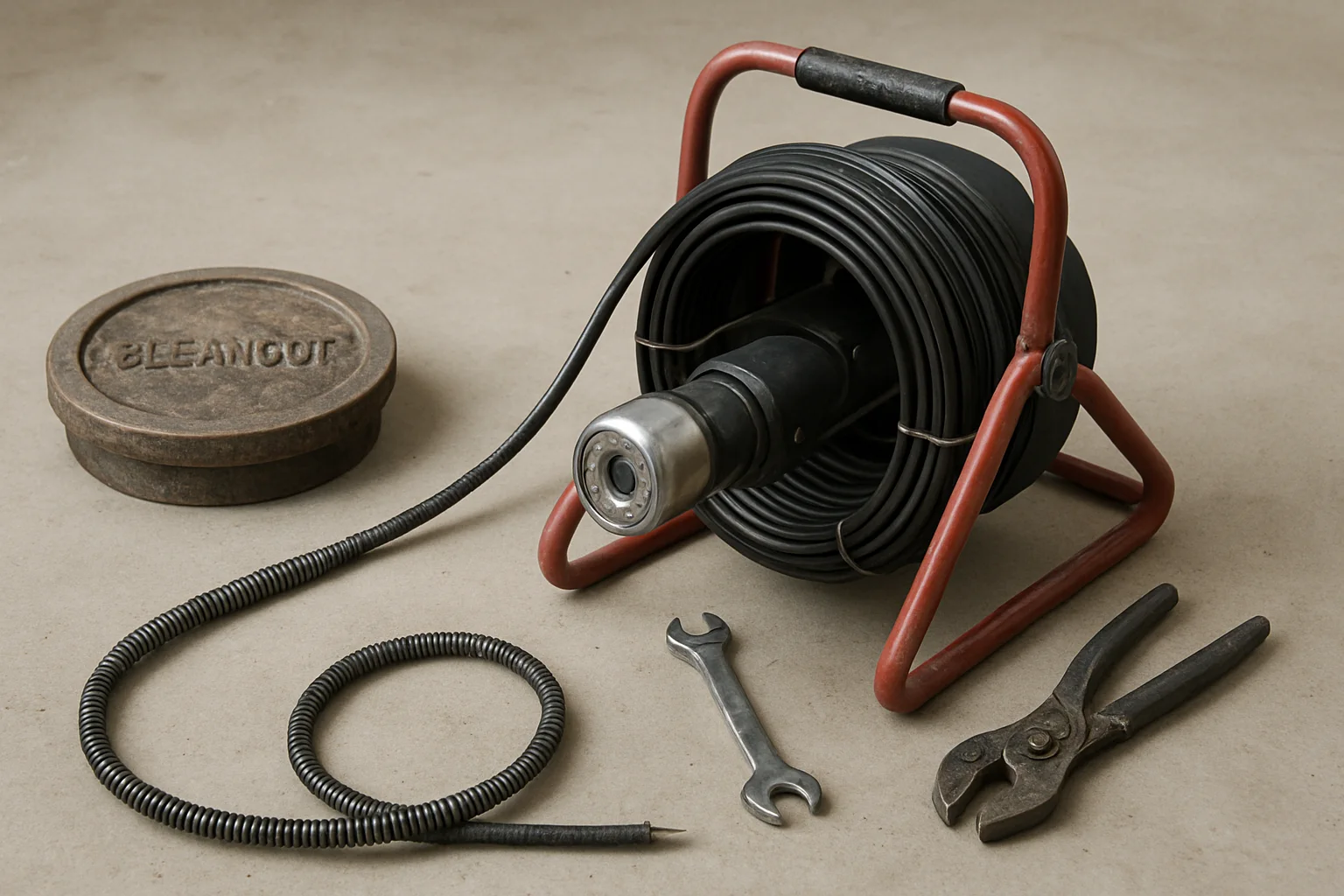
During a sewer camera inspection, a plumber uses a flexible video camera designed to travel through the pipe while sending a live image to a monitor. The goal is to see the interior condition of the line from the cleanout or another accessible entry point. A professional assessment usually focuses on the pipe material, joint condition, slope, visible debris, water pooling, root intrusion, and any signs of damage or blockage. The camera does not guess; it records what is actually inside the line so the plumber can interpret the conditions accurately and explain what they mean in practical terms. This can be especially helpful when a home has repeated symptoms but no obvious surface problem.
For homeowners, the process is generally low disruption compared with exploratory digging. The technician is looking for evidence of how the system is performing, not trying to force the issue with guesswork. If the line is clear, the inspection can provide peace of mind and a useful record for the future. If the line shows problems, the camera can help pinpoint the location and nature of the concern, which is valuable for planning any next steps. In many cases, the main benefit is precision: instead of treating every slow drain as the same issue, the plumber can recommend a response based on what the inspection actually shows.
Common warning signs that justify a camera inspection
A sewer camera inspection is often recommended when a home experiences recurring symptoms that point to something deeper than a simple clog. Examples include drains that repeatedly back up, multiple fixtures draining slowly at the same time, gurgling sounds, persistent sewer odors, or toilets that seem to lose performance without an obvious reason. These signs do not automatically mean a major sewer problem, but they do suggest that the main line or an important branch line may deserve a closer look. In homes with older plumbing, even a small defect can create ongoing frustration if it is never identified directly.
Seasonal conditions in Northwest Florida can also make hidden issues more noticeable. Heavy rains may increase groundwater around buried pipes, while dry periods can change soil movement and place stress on older lines. Tree roots may seek moisture during hot weather, and debris movement after storms can affect drainage patterns. A professional assessment helps connect symptoms to likely causes instead of relying on assumptions. That is important because a fix that seems appropriate from the surface may not address the real source of the trouble. The camera offers a direct view so homeowners can make informed decisions about maintenance, monitoring, or repair planning.
Preventive care: why waiting for a backup is not always the best plan
Many homeowners think of sewer inspection only after a backup or visible failure, but preventive care can be more practical and less stressful. Hidden sewer issues often develop gradually. A minor offset, a small crack, or a partial root intrusion may not stop the system right away, but it can create ongoing buildup and repeat clogs over time. A camera inspection can reveal those early changes before they turn into messier, more disruptive problems. That is especially useful for homes where plumbing history is limited or where the age and condition of the buried lines are not well documented.
Preventive planning is also helpful because it gives you a better sense of timing. If a line appears mostly sound, you may only need to monitor it and maintain good drain habits. If the camera shows a vulnerable section, you can plan for service before an inconvenient failure happens during a busy season, holiday gathering, or wet-weather period. For homeowners in Bay, Walton, and Okaloosa counties, preventive care is often about reducing uncertainty. Knowing the condition of the line allows you to budget attention and maintenance around your schedule instead of reacting under pressure when water is already backing up into the home.
Seasonal planning in Northwest Florida weather patterns
Northwest Florida homes face seasonal changes that can affect underground plumbing in subtle ways. During wetter months, saturated soil may expose leaks, shift support around pipes, or bring attention to areas where a line is already compromised. During hotter, drier periods, soil movement and root activity can create different stress patterns. A sewer camera inspection can be a smart part of seasonal planning because it helps homeowners understand whether the line is stable before conditions change further. This is not about predicting a disaster; it is about checking the system at a thoughtful time so small concerns do not become urgent later.
Seasonal planning is especially useful if your home has mature trees, frequent yard irrigation, or a history of drainage issues. Those factors can interact with the sewer system in ways that are not visible from the surface. A professional can examine the line and interpret the findings in context, which is important because a root trace or light buildup may not require immediate repair but could suggest a future schedule for cleaning or follow-up inspection. Homeowners benefit most when the camera inspection is treated as part of a long-term maintenance plan rather than a one-time event after a noticeable problem appears.
What the camera can and cannot tell you
A sewer camera inspection is an excellent diagnostic tool, but it has clear limits. It can show visible interior conditions, such as blockages, root intrusion, cracks, corrosion, offsets, standing water, and accumulated debris. It can also help locate where a problem seems to be occurring and estimate how serious it may be. However, the camera only sees what is inside the pipe and what the access point allows. It does not replace every other plumbing evaluation, and it cannot always reveal everything about the surrounding soil, the full history of the line, or conditions beyond the reach of the equipment. That is why the interpretation of a trained professional matters.
Homeowners should expect the plumber to explain what is visible and what that likely means in practice. For example, a line may look functional but still show conditions that merit monitoring. Or a blockage may be found, but the deeper issue could be a pipe sag or root entry point that should be addressed separately. The best use of camera inspection is informed decision-making. It provides evidence, not assumptions. When combined with the homeowner’s symptom history and the property’s age, layout, and maintenance record, it can guide a much more accurate plan for next steps than trial-and-error methods would provide.
Why cleanouts and access points matter
A sewer camera inspection usually depends on having a proper access point, often a cleanout. A cleanout gives the technician a way to insert the camera into the line and inspect more of the system effectively. If a cleanout is missing, buried, or hard to reach, the inspection may still be possible, but the process can be more limited. That is one reason homeowners benefit from understanding where access points are located and keeping them visible when possible. It is not just about convenience; it is about making future diagnostics easier and more efficient.
If you are not sure whether your home has a useful cleanout, a professional assessment can help identify the best way to inspect the line without unnecessary disruption. This is especially useful for older homes or properties that have been modified over time. A plumber can evaluate the access, determine how much of the line can reasonably be viewed, and explain any limitations before the work proceeds. In many cases, the inspection itself can also reveal whether the access setup is adequate for future service. That information is valuable because it helps homeowners plan ahead rather than discover access problems when a plumbing issue is already causing stress.
How sewer camera inspection supports smarter maintenance decisions
One of the most practical benefits of sewer camera inspection is that it helps homeowners choose the right type of maintenance. If the line is clear and structurally sound, maintenance may focus on good household drain habits and periodic observation. If the line shows buildup but no major defect, the next step might be cleaning rather than repair. If the camera reveals damage or recurring root intrusion, more targeted action may be appropriate. This kind of informed planning can prevent unnecessary work while also avoiding delays when the line truly needs attention. In other words, the inspection helps match the response to the actual condition of the pipe.
That matters because drain symptoms can overlap. A sink may drain slowly because of a localized clog, but repeated whole-house drainage issues point to a broader concern. A homeowner may not be able to tell the difference without professional help. The camera helps separate routine maintenance from a more significant sewer issue. It also creates a documented reference point that can be compared later if symptoms return. For homeowners in Bay, Walton, and Okaloosa counties, that kind of record can be especially useful in a climate where seasonal weather and soil conditions can change what underground plumbing needs from one year to the next.
Home buying, home selling, and older properties
Sewer camera inspection is often valuable during a real estate transaction, especially for older homes or properties with limited plumbing history. Buyers want to know whether the sewer line is likely to support the home reliably, and sellers may want to address known concerns before listing or closing. A camera inspection can help make the condition of the line more transparent, which reduces uncertainty for everyone involved. It does not replace a full home inspection, but it can provide a focused look at one of the most expensive hidden systems on the property. That insight can be especially important when the home has mature landscaping, a long sewer run, or signs of prior drainage issues.
Older properties are often more likely to have unknown pipe materials, past repairs, or wear that is not visible above ground. A professional assessment can identify whether the line appears serviceable, whether it shows signs of aging, or whether follow-up action should be considered. Even when the result is not severe, the information can still be useful for planning. Buyers can make informed choices, and sellers can better understand what to disclose or address. In either case, the inspection turns uncertainty into a clearer picture of the property’s plumbing condition, which is valuable before major decisions are made.
Tree roots, soil movement, and buried line stress
In Northwest Florida, sewer lines can be affected by what is happening around them underground, not just inside the home. Tree roots naturally seek moisture and may find small openings or weak points in a pipe. Once inside, they can grow and trap debris, leading to repeat clogs or slow drainage. Soil movement, moisture changes, and settling can also place stress on buried lines over time. These are not problems homeowners can usually see from the yard, which is why a sewer camera inspection is so useful for preventive care. It allows the plumber to look directly for the signs that roots or shifting conditions may be affecting the line.
The important thing for homeowners to remember is that these issues often develop gradually. A line may function well for a long time before symptoms appear, and then those symptoms may seem to come and go. A camera inspection can help determine whether the issue is an isolated blockage or a recurring structural concern. That distinction matters because it shapes the plan. If roots are present, the plumber can discuss appropriate professional options. If the pipe is only showing minor signs of stress, monitoring may be enough for now. Either way, the inspection gives a more grounded understanding than surface symptoms alone can provide.
What homeowners should expect during a professional assessment
A professional sewer camera inspection typically begins with a discussion of symptoms, property history, and any previous drain work. The plumber may ask where slowdowns happen, how often they occur, and whether the problem affects one fixture or several. That context helps focus the inspection and interpret the images more accurately. The technician then positions the camera and views the line while noting visible conditions. Homeowners should expect clear communication about what is found, along with practical explanation rather than technical jargon whenever possible. The value of the inspection is not just the video itself, but the professional interpretation of what the video means for the home.
Depending on what is discovered, the plumber may recommend cleaning, monitoring, repair planning, or no immediate action. A good assessment should not pressure the homeowner into unnecessary work; it should provide enough information to make a reasonable decision. If the line is accessible and the images are clear, the inspection can also help locate problem areas precisely, which is useful for future service. For many homeowners, that clarity is the main reason to schedule the work. It takes the guesswork out of a hidden system and replaces it with a measured, informed plan that fits the home’s actual condition.
How to plan inspections around seasonal household routines
Seasonal planning works best when sewer inspection is tied to routine household events rather than waiting for an emergency. Homeowners may choose to schedule a camera inspection before periods of heavier indoor use, before storm season, after a significant drainage issue, or when a home’s plumbing history is unknown. The goal is simply to choose a time when it is practical to review the condition of the line and make any needed decisions calmly. In Northwest Florida, that kind of planning can be especially useful when weather or family schedules might make urgent plumbing work more disruptive later on. A preventive inspection is often easier to fit into a normal maintenance routine than a repair is to fit into a crisis.
It can also help to think in terms of comparison. If a line is inspected now and the results are mostly clear, a future inspection has something to compare against. That makes it easier to notice change over time. Even if no repair is needed, the inspection has value because it establishes a baseline for the property. Homeowners who keep records of plumbing evaluations are often better prepared when conditions shift. For a hidden system like a sewer line, that sort of documentation can be just as important as the inspection itself because it supports informed planning year after year.
Why local expertise matters in Bay, Walton, and Okaloosa counties
Local knowledge matters because sewer line conditions are shaped by regional factors as much as by the pipe itself. Homes in Bay, Walton, and Okaloosa counties can face different soil conditions, moisture patterns, landscaping styles, and housing ages, all of which influence how underground plumbing behaves. A plumber familiar with the area is better positioned to interpret what the camera shows in the context of Northwest Florida homes. That can improve the quality of recommendations because the assessment is not made in isolation. It is informed by the region’s climate, common property layouts, and the practical realities homeowners face here throughout the year.
For homeowners, working with a local professional also makes follow-up easier if the inspection points to further service. That matters because the best sewer camera inspection is one that leads to a clear next step, whether that is routine maintenance, monitoring, or a more involved repair plan. A local service provider can help keep the process straightforward and focused on what the home actually needs. For residents who want preventive care rather than a reactive response, that local perspective is a meaningful part of the value. It helps ensure the inspection is relevant to the property and useful for future planning, not just a one-time look inside a hidden line.
When to call 850 Plumber
If your home has recurring drain problems, unexplained sewer odors, slow fixtures, or a history of backup concerns, a sewer camera inspection can be a sensible next step. It is also worth considering when you are buying an older home, planning seasonal maintenance, or wanting a baseline on the condition of the sewer line. 850 Plumber, part of veteran-owned A Superior Mechanical, serves homeowners in Bay, Walton, and Okaloosa counties, FL, and can provide a professional assessment based on what the camera actually reveals. The purpose is to help you understand the condition of the system so you can plan responsibly rather than react under pressure. For scheduling or questions, call 850-258-3225.
The most useful time to inspect a sewer line is often before a small concern becomes a bigger disruption. A camera inspection can help identify whether the system needs cleaning, monitoring, or further attention, and it can give you a clearer picture of the hidden parts of the plumbing system. For seasonal archive coverage or evergreen homeowner education, the main takeaway is simple: preventive care works best when it is based on evidence. A professional assessment can turn uncertainty into a practical plan, which helps protect comfort, reduce surprises, and support the long-term health of your home’s plumbing system.
Explore related plumbing care
- Sewer Camera Inspection in Bay, Walton and Okaloosa Counties, FL
- Sewer & Drain Services in Bay, Walton & Okaloosa Counties, FL
- Sewer Repair & Maintenance in Bay, Walton and Okaloosa Counties, FL
- 24/7 Emergency Plumbing Services in Bay, Walton and Okaloosa Counties
- Clean Water Services in Bay, Walton and Okaloosa Counties, FL
- Clogged Drains & Pipe Cleaning in Bay, Walton & Okaloosa Counties
Continue reading
- Water Line Care for Northwest Florida Homes: Preventive Planning for Bay, Walton, and Okaloosa Counties
- Water Heater Care for Northwest Florida Homes: Preventive Planning for Bay, Walton & Okaloosa Counties
- Reverse Osmosis System Care for Northwest Florida Homes: Preventive Planning for Bay, Walton, and Okaloosa Counties
Talk with the 850 Plumber team for help with your home or business.