
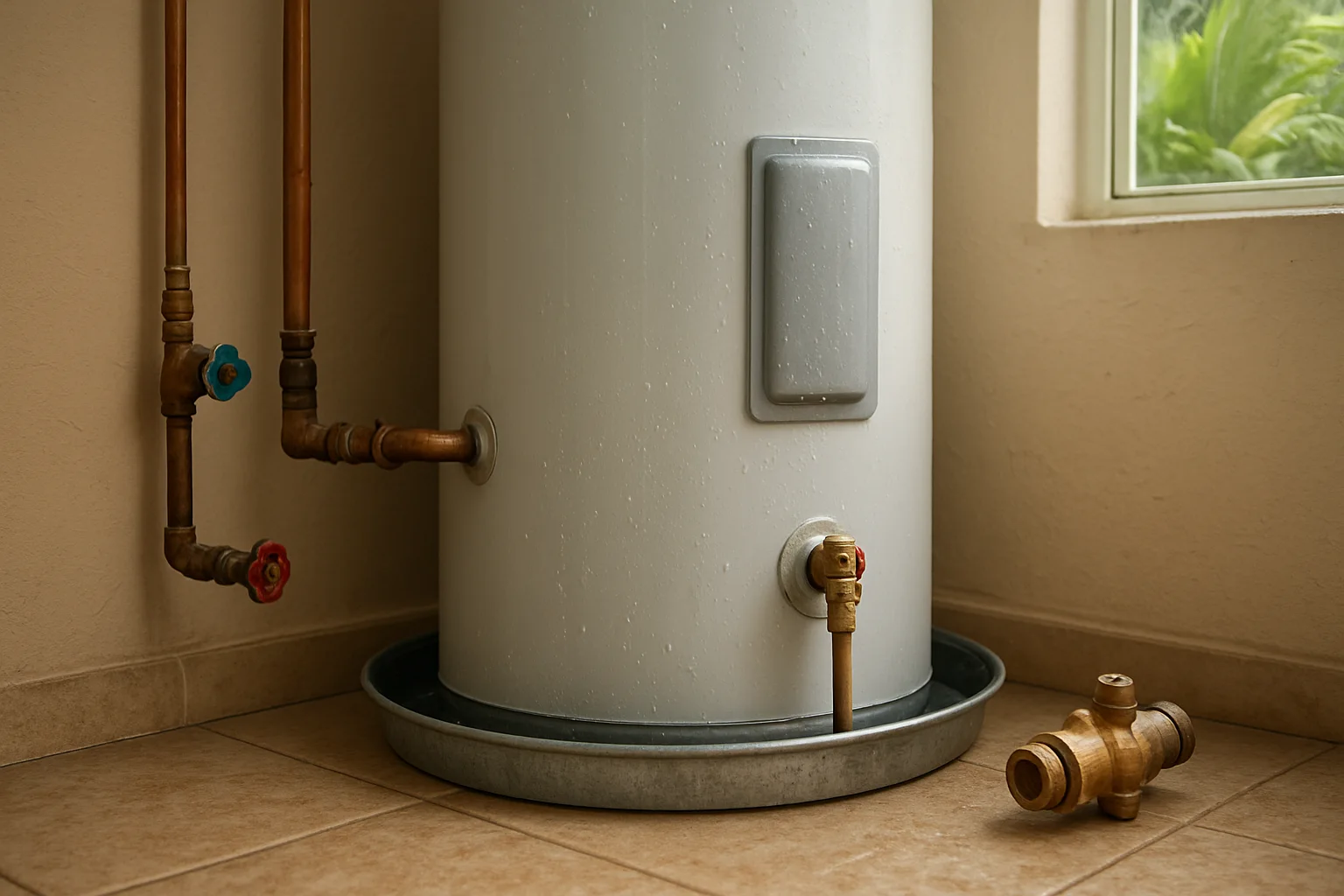
Why water heater planning matters in Northwest Florida
In Bay, Walton, and Okaloosa counties, a water heater has to support daily life in a climate that can swing between humid, warm, and storm-prone conditions. Even though the region does not face long freezes like northern states, local homes still deal with hard use, sediment, corrosion, power interruptions, and seasonal demand changes. That means preventive care is not just about avoiding discomfort; it is about protecting a major household appliance from avoidable wear and helping your family keep reliable access to hot water throughout the year.
Homeowners often think of a water heater only when it stops producing enough hot water, but many service calls begin much earlier. Small changes in recovery time, water quality, or noise can indicate that the unit is accumulating sediment, a valve is failing, or a heating element or burner is no longer performing efficiently. A professional assessment can help distinguish between normal aging and a developing problem. 850 Plumber, part of veteran-owned A Superior Mechanical, serves local homeowners across Bay, Walton, and Okaloosa counties with water heater services that support practical, season-aware maintenance planning.
How local water conditions affect performance
Water quality plays a major role in how long a water heater performs well. In many Florida homes, mineral content and sediment can gradually build inside the tank or settle around internal components. Over time, that buildup can reduce heating efficiency, create popping or rumbling noises, and shorten the service life of the system. Even if the water looks clear at the tap, minerals and fine particles can still collect where they are not visible. This is one reason routine inspection matters even when the heater still seems functional.
A homeowner may not notice the effects immediately, because water heaters usually compensate for a while before problems become obvious. However, once sediment thickens or internal parts begin to corrode, the system may run longer to heat the same amount of water. That can lead to higher energy use and greater stress on the unit. A trained plumber can evaluate the condition of the tank, connections, valves, and venting or electrical components, depending on the type of heater, to determine whether maintenance, repair, or replacement is the most sensible next step.
Understanding the common types of water heaters
Most homes use either a traditional tank water heater or a tankless water heater, and each has different maintenance needs. Tank units store heated water and deliver it on demand until the hot supply is depleted. They are familiar, widely used, and often dependable when maintained properly. Tankless units heat water as it flows through the system, which can reduce standby heat loss and provide a continuous supply, but they also have specific service requirements and are sensitive to mineral buildup. The right choice depends on household size, water use habits, and installation conditions.
Regardless of type, the goal is the same: steady performance without unnecessary strain. A professional can assess whether the current unit is still meeting the household’s needs or whether the home would benefit from a different configuration. That assessment may include capacity, fuel source, available space, venting or electrical setup, and the condition of nearby plumbing connections. Homeowners do not need to guess based on online charts alone. A local evaluation helps match the equipment to the realities of the home and the region, which is especially helpful in areas where seasonal occupancy or guest use can change demand patterns.
Early warning signs homeowners should not ignore
Many water heater problems start with subtle changes. Hot water that runs out sooner than usual, lukewarm water during peak use, or a slow recovery time after showers can all point to declining performance. Strange sounds such as popping, crackling, hissing, or rumbling are also worth attention, because they may indicate sediment buildup or internal stress. Discoloration, unpleasant odors, or rusty water can suggest corrosion or other issues that need prompt professional review. None of these signs should be treated as normal simply because the water heater still turns on.
Leaks are especially important to address quickly. Even small amounts of moisture around the base, nearby fittings, or relief valve discharge can signal a problem that may worsen over time. In some cases, the issue may be with a fitting or valve rather than the tank itself, but only a proper inspection can confirm that. Homeowners should avoid assuming a leak is minor until it has been evaluated. A plumber can inspect for source, severity, and next steps, which may range from a simple repair to a replacement recommendation if the tank is showing signs of age or structural failure.
What preventive maintenance can accomplish
Preventive maintenance is designed to catch small issues before they become disruptive failures. For a water heater, that can mean checking the tank for corrosion, inspecting the temperature and pressure relief valve, evaluating the anode rod when applicable, reviewing sediment levels, and confirming that connections are secure. If the home has a tankless system, maintenance may also include checking for scale buildup, venting issues, and proper water flow. These steps help the system work more efficiently and may extend useful service life when performed as appropriate for the equipment and its condition.
Homeowners benefit from maintenance in several practical ways. A well-maintained water heater is less likely to leave the household without hot water at an inconvenient time. It may also operate more consistently and avoid the extra strain that comes with sludge, scaling, or neglected parts. In regions like Northwest Florida, where humidity and storms can add stress to home systems, preventive attention is especially sensible. 850 Plumber can provide a professional assessment that helps homeowners understand what is in good shape, what needs monitoring, and whether anything requires repair before the issue becomes urgent.
Why seasonal planning matters even in a warm climate
It is easy to assume that seasonal planning does not matter much in a warm region, but water heater usage still changes throughout the year. Cooler months can lead to higher hot water demand, while holiday gatherings, guest visits, or increased indoor time can create spikes in usage. During the rainy or stormy seasons, power interruptions and household disruptions may also place extra importance on a reliable hot water supply. Planning ahead helps avoid the rush of calling for service only after a problem has already affected the home.
Seasonal planning is especially useful because water heaters often show warning signs gradually. A homeowner who checks the system before demand increases has a better chance of addressing issues at a convenient time. That may mean scheduling a professional inspection before cooler weather, after a period of heavy use, or when the unit is reaching a stage where age-related wear is more likely. In Bay, Walton, and Okaloosa counties, a practical seasonal review can help homeowners stay ahead of the weather, the calendar, and the household’s daily rhythm instead of reacting to an unexpected loss of hot water.
How storms and power interruptions can affect water heaters
Northwest Florida homeowners are no strangers to severe weather. While water heaters are usually built to handle regular household use, power outages, surges, and storm-related disruptions can still affect performance. Electric water heaters may need time to recover after an outage, and gas units can also be affected by venting or ignition issues if the home has experienced damage or pressure changes. Even if a storm did not directly damage the heater, the event may have stressed nearby plumbing, electrical, or ventilation components.
After severe weather, it is wise to take a careful look at the area around the unit and watch for changes in operation. A professional plumber can assess whether the heater is still functioning safely and whether any part of the installation needs attention. That is especially important when a home has experienced flooding, roof leaks, or prolonged utility interruptions. Homeowners should not assume a heater is fine simply because it restarted. A qualified inspection can help identify problems that are not obvious at first glance and reduce the chance of secondary damage later.
The role of professional assessment versus guesswork
Water heater issues can be deceptive. A symptom such as reduced hot water may come from sediment, a failing heating element, a thermostat issue, a gas control problem, or a tank that is simply at the end of its lifespan. Trying to diagnose the cause based only on symptoms can lead to missed problems or unnecessary part changes. Professional assessment brings method and context to the process. A plumber can inspect the unit, test relevant components, and determine whether the issue is isolated or part of a larger pattern of wear.
This kind of assessment is valuable because it helps homeowners make informed decisions. Sometimes the best answer is a straightforward repair, while other times the most practical choice is replacement, especially if the unit is older or showing multiple signs of decline. A professional can explain what is urgent, what can wait, and what maintenance steps may improve performance in the near term. That guidance is more reliable than trial-and-error troubleshooting, and it is especially helpful when a homeowner wants to plan responsibly rather than wait for a full failure.
When repair makes sense and when replacement may be smarter
Not every water heater concern means the unit must be replaced. In many cases, a failing valve, a worn thermostat, a heating element issue, or a connection problem can be addressed through repair. If the system is otherwise sound and the problem is limited, repairing it may be the most practical option. This is why a full assessment matters; it helps separate isolated issues from broader deterioration. Repair can restore function and give the homeowner more time to plan for a future replacement without immediate pressure.
Replacement becomes more likely when the tank is aging, leaking from the body, heavily corroded, or repeatedly requiring service. If the heater is no longer meeting household needs or is operating inefficiently despite maintenance, a new unit may be the better long-term decision. A plumber can help compare the condition of the current system with the household’s hot water demands and installation space. That way, the recommendation is based on evidence, not guesswork. For homeowners in Bay, Walton, and Okaloosa counties, a thoughtful repair-versus-replace conversation can prevent repeat disruptions and make budgeting more manageable over time.
Capacity, household habits, and choosing the right fit
Water heater performance is not only about the machine itself; it is also about how the home uses hot water. A family with back-to-back showers, laundry loads, dishwashing, and visitors will have different needs than a smaller household with staggered routines. If the system is consistently running out of hot water, the issue may not be a breakdown at all. It may be that the unit’s capacity no longer matches the home’s patterns. In that case, a professional can evaluate whether a different size or style would better fit the home.
This matters in seasonal and vacation-oriented areas, too. Some homes in Northwest Florida see changing occupancy patterns, which can create weeks of lighter use followed by periods of heavier demand. A plumber can consider whether the current water heater still supports those shifts comfortably. Choosing the right fit is not just about gallons or technical labels; it is about matching the equipment to real daily life. Professional guidance helps homeowners avoid undersized systems, oversized systems, or unnecessary complexity while keeping comfort and reliability in focus.
Safety and code considerations homeowners should leave to professionals
Water heater systems involve plumbing, fuel, ventilation, electrical connections, and safety components that must work together correctly. The temperature and pressure relief valve, drain setup, shutoff valves, venting path, and surrounding installation all play important roles in safe operation. If any of these parts are compromised, the system may not perform as intended. Because of that, homeowners should avoid attempting repairs or modifications that go beyond basic observation and routine housekeeping around the unit. Improper work can create leaks, scalding risks, ventilation problems, or other safety concerns.
Professional assessment is also important because local installation requirements and code considerations matter. A licensed plumber can determine whether the existing setup is appropriate, whether any corrections are needed, and whether a replacement should include updates to the surrounding connections or supports. That is one of the benefits of calling 850 Plumber in Bay, Walton, and Okaloosa counties: homeowners receive evaluation from a team that works within the realities of local homes and installation requirements. When safety and reliability are both on the line, a professional review is the responsible choice.
How homeowners can prepare for a service visit
A service appointment goes more smoothly when the homeowner can share useful observations. It helps to note when the issue began, whether it has changed over time, and which fixtures are affected. For example, is the problem limited to one bathroom, or does it involve the whole house? Is the water fully cold, only lukewarm, or inconsistent from one use to the next? These details can help a plumber focus the inspection. Homeowners can also make sure the area around the water heater is accessible, which allows for a more efficient and thorough evaluation.
It is also helpful to think about the home’s recent history. Have there been power interruptions, storms, plumbing work, changes in water use, or signs of leaks elsewhere in the house? Even small details can matter during diagnosis. The goal is not for the homeowner to solve the problem personally, but to provide enough information for a professional to assess it accurately. That collaboration leads to better recommendations, whether the outcome is maintenance, repair, or replacement. When a homeowner is prepared, the visit can be more efficient and less stressful.
A practical year-round plan for reliable hot water
A good water heater plan does not need to be complicated. It starts with paying attention to small changes, scheduling periodic professional checks, and acting early when warning signs appear. In Northwest Florida, that approach is especially useful because the region’s climate and weather patterns can make household systems work harder in different ways across the year. A water heater that is inspected before peak demand, after storm season, or when it begins to show age-related issues is less likely to fail without warning.
For homeowners in Bay, Walton, and Okaloosa counties, 850 Plumber, part of veteran-owned A Superior Mechanical, offers water heater services that support preventive care and seasonal planning. Whether the concern is performance, maintenance, repair, or deciding when replacement makes sense, a professional assessment helps bring clarity to the situation. If your home’s hot water has become less reliable, or if you want to plan ahead before the next seasonal shift, calling 850-258-3225 can be a practical first step toward keeping your home comfortable and prepared.
Explore related plumbing care
- Water Heater Repair in Bay, Walton and Okaloosa Counties, FL
- Water Heater Services in Bay, Walton & Okaloosa Counties, FL
- Clean Water Services in Bay, Walton and Okaloosa Counties, FL
- Water Filtration Services in Bay, Walton & Okaloosa Counties, FL
- Water Leak Repairs in Bay, Walton and Okaloosa Counties, FL
- Water Line Replacement in Bay, Walton & Okaloosa Counties, FL
Continue reading
- Water Line Care for Northwest Florida Homes: Preventive Planning for Bay, Walton, and Okaloosa Counties
- Reverse Osmosis System Care for Northwest Florida Homes: Preventive Planning for Bay, Walton, and Okaloosa Counties
- Water Filtration Planning for Northwest Florida Homes: Seasonal Prevention Tips for Bay, Walton, and Okaloosa Counties
Talk with the 850 Plumber team for help with your home or business.