
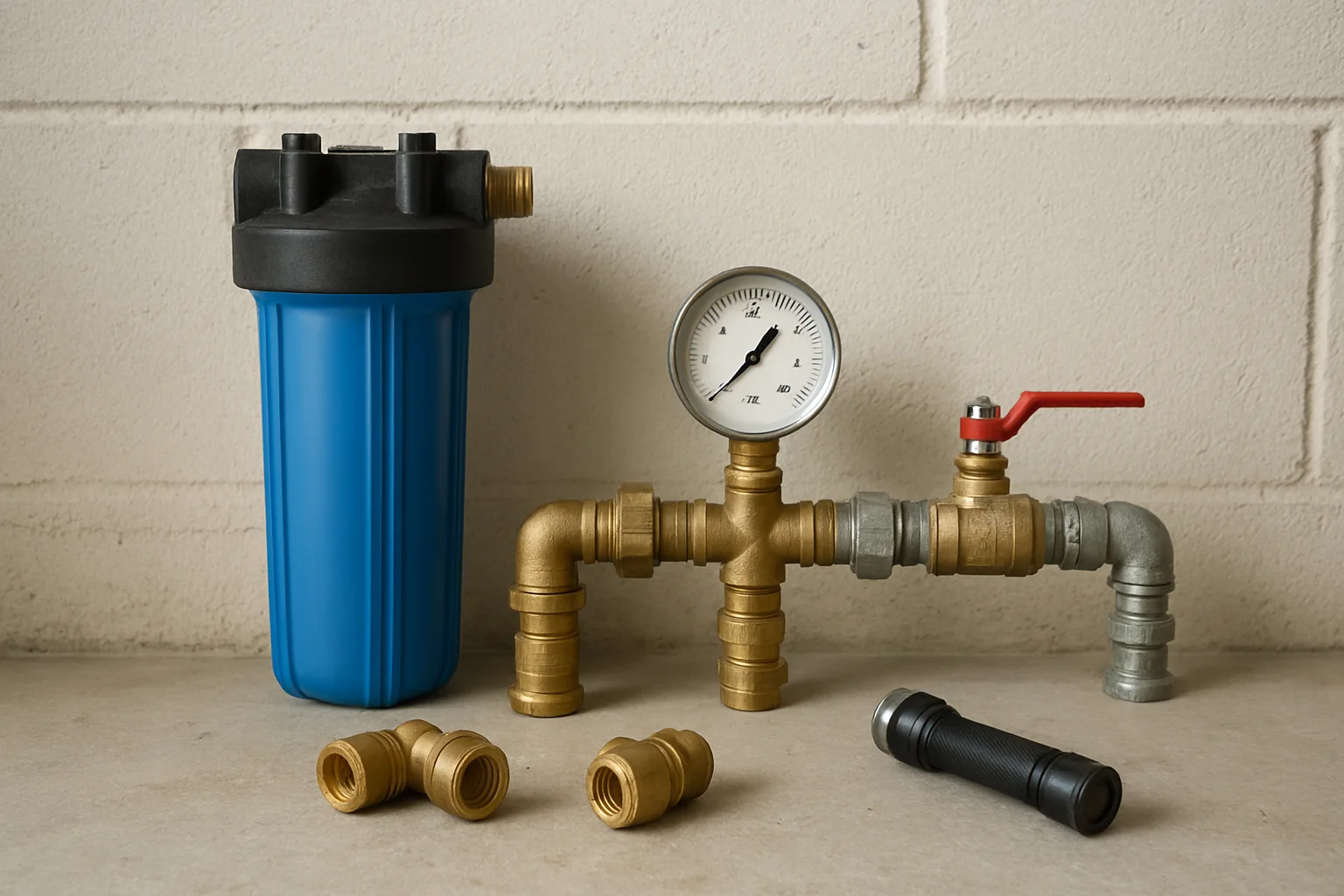
Why water filtration matters in Northwest Florida homes
Water quality affects more than taste. In homes across Bay, Walton, and Okaloosa counties, filtration can play a role in protecting fixtures, supporting appliance performance, and making daily water use more comfortable. Because local water sources, plumbing age, and well or municipal supply conditions can vary from one neighborhood to another, a filtration approach that works well for one home may not be the best fit for another. That is why homeowners benefit from looking at water filtration as part of regular home care rather than a one-time purchase.
Seasonal weather patterns in Northwest Florida also make preventive planning worthwhile. Heavy rain, storm runoff, and shifting demand can influence water conditions in different ways throughout the year. A homeowner may notice changes in taste, odor, staining, or sediment at certain times and assume the issue will go away on its own. In practice, those changes often point to a need for professional evaluation. A properly chosen filtration system can help address the specific concern while reducing strain on plumbing fixtures and appliances over time.
How seasonal changes can affect home water quality
Northwest Florida homeowners often think of plumbing in terms of leaks and clogs, but water quality can also fluctuate with the seasons. During periods of heavy rainfall, surface conditions can change and affect water clarity or odor. In drier stretches, concentration of certain minerals or other naturally occurring materials may become more noticeable. Even when the supply remains safe and usable, changes in appearance or taste can affect the home experience and prompt practical concerns about fixtures and laundry.
Storm season deserves special attention because weather events can create sudden changes in plumbing conditions. Power interruptions, pressure fluctuations, and debris movement may all influence how water behaves in the home. A homeowner who already has a filtration system should know how it is performing before a storm season begins, not during an urgent situation. That is where preventive care matters: a professional can inspect the system, confirm whether the filters are due for replacement, and help the homeowner plan for the months when conditions are most likely to shift.
What a professional water assessment looks for
A professional assessment is the foundation of a useful filtration recommendation. Rather than guessing from a single symptom, a plumber or water treatment professional reviews the home’s plumbing layout, the water source, and the issues the homeowner has noticed. That may include questions about taste, odor, staining, sediment, appliance wear, low water flow, and any recent plumbing changes. If the home uses a well, the assessment can also consider the distinct challenges associated with private water systems. If the home is on municipal service, the professional can help determine whether the issue seems localized to the home rather than the utility supply.
An assessment usually includes a visual inspection of the plumbing and filtration equipment, plus a discussion of maintenance history. A professional can look for signs of bypassed or overloaded filters, incorrectly sized components, or installation conditions that may reduce performance. The goal is not just to identify a product to buy, but to match the solution to the actual water conditions and household usage. This is especially important for homes in Bay, Walton, and Okaloosa counties, where a range of home ages and water delivery setups means a one-size-fits-all approach often falls short.
Common signs a home may benefit from filtration
Homeowners do not need to wait for a major plumbing problem before considering filtration. Some of the most common signs are subtle. Water that leaves spots on dishes, gives off an unusual odor, tastes metallic or earthy, or leaves residue on sinks and tubs can indicate that filtration may improve the home environment. Sediment in fixtures, recurring staining around drains, and reduced satisfaction with drinking water are also common reasons people seek advice. These signs do not always point to the same cause, which is why professional evaluation is more useful than trial-and-error purchases.
Appliance performance can also provide clues. When water conditions contribute to buildup in coffee makers, ice machines, dishwashers, or water heaters, homeowners may notice more frequent maintenance needs or reduced efficiency. The same is true when showerheads clog or faucet aerators collect debris more quickly than expected. These symptoms do not automatically mean the plumbing is failing. Often, they indicate that the home could benefit from a filtration strategy tailored to the water source and the parts of the plumbing system that are most affected.
Understanding the main types of residential filtration
Residential water filtration is not a single category. Different systems target different concerns, so selecting the right one depends on the problem the homeowner wants to address. Point-of-use filters are designed for a specific tap or appliance and are often used for drinking and cooking water. Whole-home systems treat water as it enters the house, helping protect plumbing fixtures, showerheads, and multiple appliances at once. Some homes may need a combination approach, where one system manages household-wide concerns and another refines water for drinking quality at the kitchen sink.
Within those broad categories, homeowners may encounter sediment filtration, carbon filtration, and other treatment approaches intended for specific conditions. Sediment filters can help capture visible particles. Carbon-based filters are often used to improve taste or reduce certain odors. Some homes may require more specialized equipment depending on the water source and assessment results. A professional can explain what each option does, what it does not do, and how much maintenance each system requires. That guidance helps homeowners avoid overbuying a system that is more complex than needed or underbuying one that will not address the concern effectively.
Why whole-home filtration can be a practical preventive step
Whole-home filtration appeals to many Northwest Florida homeowners because it protects the water used throughout the property, not only at one faucet. That can be especially helpful in homes where sediment or other water concerns show up in showers, laundry, or multiple fixtures. A properly chosen whole-home system can reduce the amount of material entering the plumbing network, which may help limit wear on aerators, valves, and appliance components over time. For homeowners who want broad protection, this can be a practical preventive measure rather than a reaction to a single nuisance issue.
That said, whole-home systems should be selected carefully. More filtration is not automatically better, and an oversized or poorly matched system may create maintenance burdens or flow restrictions. A professional assessment helps determine whether the household truly needs whole-home treatment, or whether point-of-use filtration would be a better fit. Home size, occupancy, water usage patterns, and available installation space all matter. The right answer is usually the one that balances water quality goals with reliable everyday plumbing performance.
Seasonal maintenance before hurricane and storm periods
Before storm season, homeowners benefit from reviewing not only emergency supplies but also plumbing and filtration readiness. If a home already uses a filtration system, it is wise to verify that cartridges, tanks, and housings are in good condition and that replacement intervals are current. A system that is already due for service may not perform as expected when water conditions shift or when the household uses more water after a weather event. Planning ahead reduces the chance of discovering a problem when services are harder to schedule.
Professional inspection is especially useful before the highest-risk weather months. A plumber can confirm that the system is secure, properly connected, and functioning within normal operating limits. The professional can also help homeowners understand what to watch for after a storm, such as changes in pressure, unusual odors, or visible particles. These signs do not always mean the system has failed, but they do justify an evaluation. Preventive planning keeps water filtration from becoming an afterthought during the very season when homeowners most want reliable, predictable home systems.
Dry-season planning and everyday water-use habits
The dry season can be a good time to reassess how the home uses water. Even without storm-related concerns, seasonal changes in occupancy, irrigation needs, and indoor routines can affect how quickly filters load up and how often maintenance is needed. A household that entertains more guests, runs laundry more frequently, or spends more time at home during certain months may use more water than expected. That makes seasonal planning useful even when the water supply itself seems stable.
Homeowners can use the dry season to schedule maintenance at a convenient time rather than waiting until a symptom appears. Replacing filters on schedule, checking for leaks around housings, and verifying that the system is not reducing water flow more than necessary can help preserve performance. A professional can review the system with the homeowner and suggest a maintenance calendar that fits local conditions and household routines. This kind of planning is especially helpful in Northwest Florida, where the transition from dry weather to storm season can happen quickly.
Well water and municipal water are not the same challenge
Homes on private wells often face different water concerns than homes connected to a municipal supply. Well water may be more likely to carry sediment, minerals, or naturally occurring characteristics that affect taste and staining. Municipal water is treated before it reaches the home, but that does not eliminate every concern. Older plumbing, household plumbing materials, or localized issues inside the home can still affect how the water looks, smells, or tastes once it reaches faucets and appliances.
Because the starting point is different, the best filtration solution is also different. A homeowner with a well may need a system focused on particulate control or other specific water characteristics. A homeowner on city water may need a different kind of treatment to address taste, odor, or buildup. A professional assessment helps identify whether the concern is related to the incoming supply, the home’s plumbing, or a combination of both. That distinction matters because it prevents unnecessary equipment and helps the homeowner spend effort where it will actually improve daily use.
How filtration supports plumbing and appliances
Water filtration is often discussed as a comfort upgrade, but it can also support the plumbing system itself. When unwanted sediment or other material enters fixtures repeatedly, parts of the home can require more frequent cleaning and maintenance. Faucet screens, showerheads, and appliance components may collect buildup more quickly, and water heaters may face greater stress depending on the type of water condition present. Filtration can reduce the amount of debris or residue that reaches these components, helping them operate more consistently.
This does not mean filtration eliminates maintenance or repairs. Homeowners should still expect routine service for plumbing fixtures and appliances over time. However, filtration can be part of a larger preventive strategy that helps reduce avoidable wear. A professional can explain which parts of the system are most vulnerable and which type of filtration offers the most practical benefit. For homeowners trying to protect a major appliance investment or reduce nuisance maintenance, that guidance can be especially valuable.
What homeowners should expect during professional service
Professional water filtration service generally begins with a conversation about the homeowner’s concerns and the home’s water history. The technician may inspect the water line, existing filtration equipment, and visible signs of wear or leakage. In some cases, additional testing or documentation may be used to narrow down the best solution. The goal is to understand the home’s specific conditions rather than assuming that a standard setup will work everywhere. This is particularly important in areas with mixed housing ages and varying plumbing configurations.
Once the assessment is complete, the professional can recommend a system or maintenance plan suited to the home’s needs. That may include installing new equipment, replacing old cartridges, correcting installation problems, or explaining a service schedule. Homeowners should expect clear communication about what the system can address and what it cannot. Honest guidance matters because a water filtration system should be part of a realistic maintenance plan, not a promise that all water concerns will disappear. A good service visit should leave the homeowner with a better understanding of both the water and the plumbing around it.
How to choose the right time to schedule service
For many homeowners, the best time to address filtration is before the issue becomes urgent. Late winter and early spring can be a practical time to review system condition, while late summer and early fall may be useful for checking readiness before storm season. The exact timing depends on the home’s usage pattern and any current symptoms. If the homeowner notices staining, odor, sediment, or other signs, it is better to schedule an assessment promptly than to wait for a more convenient month.
It is also smart to coordinate filtration service with other plumbing maintenance. If the home already needs a fixture repair, water heater check, or pressure evaluation, a professional can consider the filtration system as part of the broader plumbing picture. That approach can save time and help the homeowner prioritize the most important issues first. Seasonal planning is not about creating extra work. It is about making sure the home’s water system is ready before weather, usage changes, or wear create preventable problems.
A local resource for filtration questions in Bay, Walton, and Okaloosa counties
Homeowners in Bay, Walton, and Okaloosa counties often need practical advice that fits local conditions rather than generic online recommendations. A veteran-owned company like 850 Plumber, part of A Superior Mechanical, can help homeowners evaluate their water filtration needs as part of broader plumbing care. The company serves Bay, Walton, and Okaloosa counties, FL, and can assist with preventive planning, system assessment, and service decisions that are grounded in the home’s actual plumbing conditions. For homeowners who want to discuss concerns before the busy season arrives, that local perspective can be especially useful.
If you are noticing changes in water taste, odor, appearance, or fixture performance, or if you simply want to plan ahead for seasonal weather, a professional review is a practical first step. The goal is to identify the right solution for your home, not to guess. For service or to ask about water filtration planning, call 850-258-3225. A thoughtful assessment now can help reduce surprises later and keep your home’s water system aligned with the needs of the season and the long term.
Explore related plumbing care
- Water Filtration Services in Bay, Walton & Okaloosa Counties, FL
- Clean Water Services in Bay, Walton and Okaloosa Counties, FL
- Water Heater Repair in Bay, Walton and Okaloosa Counties, FL
- Water Heater Services in Bay, Walton & Okaloosa Counties, FL
- Water Leak Repairs in Bay, Walton and Okaloosa Counties, FL
- Water Line Replacement in Bay, Walton & Okaloosa Counties, FL
Continue reading
- Water Leak Repairs in Northwest Florida: Seasonal Prevention and Homeowner Planning for Bay, Walton, and Okaloosa Counties
- Water Line Care for Northwest Florida Homes: Preventive Planning for Bay, Walton, and Okaloosa Counties
- Water Heater Care for Northwest Florida Homes: Preventive Planning for Bay, Walton & Okaloosa Counties
Talk with the 850 Plumber team for help with your home or business.