
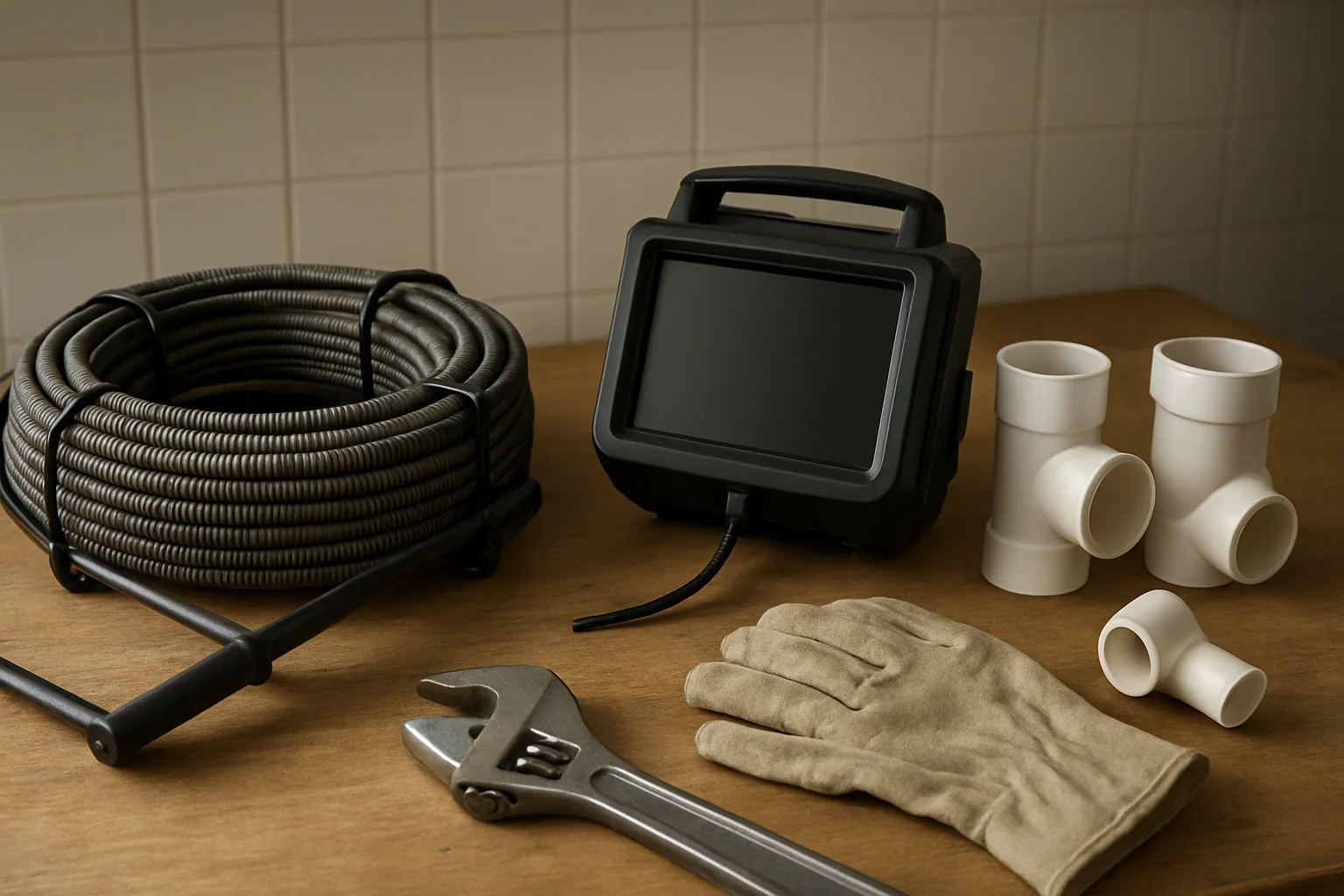
Why sewer and drain care matters in Northwest Florida
In Bay, Walton, and Okaloosa counties, sewer and drain systems work hard through a mix of humidity, heavy rain, sandy soils, tree growth, and year-round household use. Many homeowners only think about drains when water starts backing up, a toilet gurgles, or a slow sink finally becomes unusable. The problem is that most serious drain issues develop slowly. Small clogs, shifting pipes, root intrusion, and buildup inside the line can go unnoticed for months before they become urgent. Preventive care helps reduce the chance of surprise disruptions and can make it easier to spot warning signs early, before a minor issue turns into a major cleanup.
Professional sewer and drain service is not just about clearing an obvious clog. It also includes identifying the cause of repeated blockages, checking for line damage, reviewing how stormwater and household wastewater interact with the property, and determining whether a system is showing signs of wear. For homeowners, this kind of assessment is especially valuable in Northwest Florida, where weather patterns, mature landscaping, and older plumbing materials can all affect performance. A routine, informed approach can support better drainage, fewer emergencies, and a more predictable home environment throughout the year.
How drains and sewer lines work inside and outside the home
Every drain in the home connects to a larger network that carries wastewater away from fixtures and toward the main sewer line or septic-related components, depending on the property. Inside the house, sinks, tubs, showers, laundry connections, and toilets all rely on gravity and proper venting to move water efficiently. When this system is healthy, wastewater flows with little resistance. When something reduces the pipe opening or blocks flow, symptoms often appear first as slow draining, bubbling sounds, or odors that seem to come and go. These signs can indicate a local fixture issue or a deeper problem farther down the line.
Outside the home, the main sewer line becomes especially important because it carries the combined wastewater load. In many Northwest Florida neighborhoods, exterior conditions can influence how this line performs. Tree roots seek out moisture, ground movement can affect pipe alignment, and older materials may develop rough surfaces that catch debris more easily. A professional can evaluate whether the issue is isolated to one branch line or whether it involves the main system. That distinction matters because it determines whether a simple cleaning, a targeted repair, or a more detailed inspection is the appropriate next step.
Common warning signs homeowners should never ignore
Homeowners often notice plumbing issues gradually, and the signs can be easy to dismiss at first. A sink that drains a little slower than usual may not seem urgent. But if the same fixture repeatedly slows down, or if several fixtures in different parts of the house begin acting up together, that can point to a broader drainage problem. Other warning signs include gurgling noises after flushing, water backing up in a tub or shower when another fixture is used, sewer odors near drains, and recurring clogs that return soon after they seem cleared. These patterns often suggest that the blockage is deeper than a simple hair or soap buildup.
Another sign worth attention is a change in how the system behaves after heavy rain. If drains, toilets, or lower-level fixtures act differently during wet periods, there may be an issue with the main line, a drainage connection, or the way the property handles runoff. Homeowners should also be alert to unexplained wet areas, lush patches of lawn that appear isolated, or frequent need for plunging in the same room. A professional assessment can separate a minor fixture-specific problem from a line condition that needs more thorough attention. Catching the issue early may help avoid sewage exposure, water damage, and repeated inconvenience.
What causes recurring clogs and slow drains
Recurring clogs usually point to a root cause that basic cleaning cannot fully solve. In kitchens, grease, food particles, and soap residue can narrow pipe interiors over time. In bathrooms, hair, toothpaste, product residue, and mineral buildup can collect in bends and low-flow areas. Laundry lines can also accumulate lint and detergent residue. Even when individual items seem small, they can combine into a stubborn restriction that keeps coming back. Homeowners may clear the symptom, but if the underlying buildup remains, the clog is likely to return.
Some of the most troublesome drainage issues are not caused by what goes down the drain, but by what is happening in the pipe itself. Tree root intrusion is a common concern in many areas with established landscaping. Root entry can create repeated blockages and may also damage pipe joints or cracks. Older pipe materials can corrode, sag, or develop uneven interior surfaces that catch debris. In some cases, poor slope, settlement, or a partially collapsed section can mimic a clog because water cannot move freely. Professional diagnostics help determine whether the problem is buildup, intrusion, or structural damage, which is essential for choosing the right solution.
Preventive habits that help protect your plumbing
Good habits make a meaningful difference in drain performance. Homeowners can help reduce stress on their plumbing by being mindful of what enters sinks, toilets, and showers. Kitchen drains are especially vulnerable to sticky buildup, so it helps to keep grease, oils, and fibrous food waste out of the sink whenever possible. Bathroom drains benefit from hair-catching practices and a general awareness that wipes, hygiene products, and other non-flushable items can create costly blockages. Laundry areas should also be monitored for signs of slow drainage or backups, since repeated use can mask a growing problem until the line is significantly restricted.
Preventive care also means noticing changes early. If a fixture begins draining slowly, it is better to have the issue evaluated before multiple drains are affected. Homeowners can also reduce pressure on the sewer system by avoiding heavy chemical use as a first response to every clog, since repeated treatment without diagnosis can delay the real solution. A plumber can assess whether a line should be cleaned, inspected, or repaired based on the condition of the system. For many households, simple awareness and timely service are more effective than waiting until a backup creates an emergency.
Why seasonal planning matters in Bay, Walton, and Okaloosa counties
Seasonal planning is valuable because the demands on a plumbing system change throughout the year. In Northwest Florida, summer often brings intense rainfall, higher household water use, and more landscaping growth. Fall can add leaf debris and storm-related strain. Winter may bring fewer storm events but still includes routine indoor use, cooler temperatures, and the possibility of long-delayed issues surfacing. Spring often reveals what winter and storm season have been building beneath the surface. Planning maintenance around these patterns can help homeowners stay ahead of problems rather than reacting after a backup occurs.
A seasonal mindset also supports smarter scheduling. For example, a homeowner who knows their property has mature trees, an older sewer line, or previous drain trouble may choose to have a professional assessment before the wettest part of the year arrives. Likewise, a family expecting guests, holiday gatherings, or heavier kitchen and bathroom use can benefit from evaluating drainage before the home is under extra strain. Seasonal planning does not require major disruption; it simply means understanding when systems are most likely to be tested and arranging preventive service accordingly. This approach is especially useful in counties where weather and landscape can both influence drainage performance.
Summer drainage concerns: storms, humidity, and heavy use
Summer in Northwest Florida can place extra stress on drain and sewer systems. Thunderstorms and intense rain can saturate the ground, and that saturation may reveal weaknesses in exterior lines or drainage pathways. If the sewer system has a partial obstruction, storm-related ground changes can make symptoms more obvious. At the same time, families often use more water in summer due to guests, laundry, cooking, cleaning, and outdoor activity. The combination of weather and increased household demand can expose issues that remained hidden during quieter seasons.
Humidity and warm temperatures can also affect how drain odors are noticed inside the home. Strong smells do not always mean a major failure, but they do deserve attention when they repeat or appear near several fixtures. Summer is also a good time to observe how the system behaves when the property is active. If drains become sluggish during storms, if toilets bubble after heavy showers, or if outdoor conditions seem to influence indoor plumbing, a professional can inspect the system and determine whether the issue is isolated or part of a larger drainage problem. Seasonal awareness helps homeowners act before minor symptoms become urgent repairs.
Fall preparation and what to look for before storm season shifts
Fall is an excellent time to prepare sewer and drain systems for changing weather. Leaves, landscape debris, and heavier rain patterns can all affect how exterior drainage behaves. If a property has trees near sewer lines or a history of slow drains, fall is a practical time to schedule an evaluation. A professional can look for signs of buildup, recurring restriction, or possible exterior conditions that may worsen during storms. Even if the home is currently functioning well, a pre-season assessment can identify vulnerabilities that might not be obvious during drier periods.
This season is also useful for reviewing how the home has performed over the year. Homeowners should think back to any episodes of gurgling, slow draining, repeated plunging, or unpleasant odors. These small events can be clues that a line needs deeper attention. If the home is about to host more guests or holiday gatherings, it is wise to avoid waiting until the system is under peak strain. Preventive cleaning or inspection can help support reliable flow when the household is busier. In seasonal planning, fall is less about reacting to a single emergency and more about making sure the plumbing system is ready for the months ahead.
Winter care for North Florida homes
Winter in Northwest Florida is generally milder than in many other regions, but that does not mean plumbing systems can be ignored. Cooler weather often changes household routines, with more time spent indoors and increased reliance on kitchen, bathroom, and laundry fixtures. These patterns can bring hidden drainage problems to the surface. A line that has been slowing down for months may finally clog under the extra demand of holiday cooking or more frequent indoor use. Winter is a good time to notice whether drains are performing consistently across the home or whether one area seems less reliable than the others.
This season also gives homeowners a chance to take stock after the busier storm months. If the system seemed to strain during heavy rain or if any drain issues kept returning, winter is a sensible time for a professional assessment. A plumber can inspect, clean, or test the system as needed and identify whether the concern is local or widespread. The goal is not simply to fix one symptom but to establish a clearer understanding of the drain system’s condition. That information can be useful for planning maintenance in the coming spring and summer, especially if the property has mature landscaping or older piping.
Spring evaluation and the value of early inspection
Spring often reveals what winter and prior storm seasons have left behind. This can be a smart time for homeowners to check on drain behavior, especially if they noticed any slowdowns during the colder months or after holiday gatherings. Sinks, tubs, and toilets should all be monitored for changes in flow. If one fixture seems to be developing a pattern of repeated clogs, that problem is easier to address when it is still localized. Spring maintenance can also prepare the home for the increased use and weather activity that often come later in the year.
An early inspection can be particularly helpful if the home has a known history of drainage trouble. A professional may determine that the system is in good condition, but if there is a hidden buildup or a beginning stage of root intrusion, catching it early can reduce the chance of a more disruptive backup later. Spring is not only about cleaning the system; it is also about creating a baseline. Knowing how the drains and sewer line are performing at a point when the weather is relatively manageable gives homeowners a reference for the months ahead. That can make seasonal changes easier to interpret and respond to.
What a professional sewer and drain assessment can include
A professional sewer and drain assessment begins with listening to the homeowner’s observations. Details about when the issue started, which fixtures are affected, whether the problem changes during rain, and how often it recurs can help narrow the source. From there, a plumber may inspect visible fixtures, test drain behavior, and evaluate whether the problem appears isolated or systemic. The purpose is to understand the pattern before deciding on cleaning, repair, or further investigation. This careful approach matters because the right solution depends on the condition of the entire system, not just the most obvious symptom.
In some cases, a professional may recommend more detailed diagnostic steps to locate a blockage or evaluate the condition of the line. That can help identify buildup, root intrusion, offset joints, or areas where the pipe may be compromised. Professional assessment is valuable because it avoids guesswork and helps prevent repeated temporary fixes. For homeowners, it also means less uncertainty about whether the problem is likely to come back. Especially in properties with older plumbing or recurring drain trouble, the information gathered during an assessment can guide practical next steps and future maintenance planning.
When cleaning is enough and when repair may be needed
Not every drain problem requires repair, and not every clog can be solved by cleaning alone. A straightforward buildup of grease, soap residue, or hair may respond well to a professional cleaning if the line itself is otherwise in good condition. In these situations, restoring flow can resolve the immediate issue and reduce the chance of recurrence. However, if the same clog returns frequently or if multiple fixtures are affected, there may be a deeper cause that cleaning alone will not address. That is why evaluation matters before assuming the problem is simple.
Repair may be needed when the issue involves damaged pipe sections, root intrusion, poor alignment, or structural deterioration. In those cases, clearing the blockage without addressing the underlying condition may only provide temporary relief. A plumber can help determine whether the line is showing signs of wear that justify a repair plan. For homeowners, the important point is that a professional can distinguish between a maintenance issue and a system problem. That distinction can save time and reduce repeated frustration because it leads to a more appropriate, targeted solution rather than another short-term attempt to manage the symptom.
Choosing a local plumbing partner and planning ahead
Local sewer and drain service can be especially helpful because a plumber familiar with Bay, Walton, and Okaloosa counties understands the kinds of conditions that often influence home plumbing here. Sandy soils, landscaping, seasonal storms, and the variety of home ages in the area all affect how drain systems perform. Homeowners benefit from working with a provider that takes a practical, assessment-based approach rather than relying on guesswork. A local service team can better discuss recurring patterns, seasonal concerns, and the best time to schedule preventive attention. That makes it easier to build a maintenance plan around the home’s actual needs.
For homeowners seeking help, 850 Plumber, part of veteran-owned A Superior Mechanical, serves Bay, Walton, and Okaloosa counties, FL. If you are noticing slow drains, recurring clogs, odors, or signs that the main line may need attention, a professional assessment can help clarify the situation and guide next steps. You can reach 850 Plumber at 850-258-3225. Seasonal planning works best when it is simple and consistent: pay attention to early signs, schedule service before problems become urgent, and use professional evaluation to make informed decisions about cleaning or repair. That approach supports a healthier plumbing system year-round.
Explore related plumbing care
- Sewer & Drain Services in Bay, Walton & Okaloosa Counties, FL
- Drain Cleaning & Maintenance in Bay, Walton and Okaloosa Counties, FL
- Sewer Camera Inspection in Bay, Walton and Okaloosa Counties, FL
- Sewer Repair & Maintenance in Bay, Walton and Okaloosa Counties, FL
- 24/7 Emergency Plumbing Services in Bay, Walton and Okaloosa Counties
- Clean Water Services in Bay, Walton and Okaloosa Counties, FL
Continue reading
- Property Management Plumbing Care for Northwest Florida Homes: Seasonal Planning, Prevention, and Professional Oversight
- Hydro Jetting for Northwest Florida Homes: Preventive Drain Care and Seasonal Planning
- Preventive Drain Care for Northwest Florida Homes: Seasonal Planning for Clogged Drains and Pipe Cleaning
Talk with the 850 Plumber team for help with your home or business.