
Why sewer camera inspection matters for Northwest Florida homes
A sewer line is one of the most important parts of a home’s plumbing system, but it is also one of the easiest to overlook until a problem becomes hard to ignore. In Bay, Walton, and Okaloosa counties, homes face a mix of sandy soil, shifting ground, mature trees, coastal moisture, and heavy seasonal use that can all affect underground piping. Sewer camera inspection gives a licensed plumbing professional a clear look inside the line so they can identify what is happening without unnecessary digging. For homeowners, that means less guesswork and a more accurate path toward repair or maintenance.
A camera inspection is not about replacing judgment with technology. It is about improving diagnosis. When drains slow down, toilets gurgle, or odors appear, the cause may be a blockage, root intrusion, offset joint, belly in the pipe, grease buildup, corrosion, or a damaged section. Those issues can look similar from the surface. A camera allows a trained professional to evaluate the condition of the line directly and explain what the findings mean in plain language. For homeowners, that clarity can help prevent repeated backups, limit avoidable damage, and support better decisions about repair timing.
Common warning signs homeowners should not ignore
Sewer problems often start with subtle symptoms. One drain may empty slowly for a while, or a toilet may need occasional extra flushing. In some homes, multiple fixtures begin acting up at the same time, which is a stronger sign that the issue is in the branch line or main sewer line rather than in a single sink or tub. Gurgling sounds from toilets or drains can indicate air movement caused by partial blockage or a venting issue, and recurring clogs in different fixtures may point to a deeper problem in the sewer line. These signs do not automatically mean the pipe is failing, but they do deserve professional attention.
More obvious warning signs can include sewage odors near drains, damp spots in the yard, unusually lush patches of grass, frequent backups, or wastewater coming up through a floor drain. Homeowners may also notice that plumbing problems seem to worsen after heavy rain, which can happen when groundwater, infiltration, or saturated soil affects a compromised sewer system. In older homes, repeated chemical drain treatments may temporarily mask symptoms while the underlying issue remains. A camera inspection is especially useful when symptoms persist because it can help distinguish between a simple stoppage and a structural issue that needs a different solution.
Why symptoms alone can be misleading
It is easy to assume that one obvious symptom tells the whole story, but sewer systems often produce similar warning signs for very different reasons. A toilet that bubbles might be affected by a blockage, but it could also point to a venting concern or a partial collapse farther down the line. A slow drain may be local buildup in one fixture or a main line restriction. Even repeated sewer odors do not automatically mean the same thing from one house to the next. Because so many plumbing issues overlap in appearance, treating the symptom without diagnosing the cause can lead to repeated frustration.
That is why professional assessment matters. A plumber can evaluate the home’s fixture behavior, ask about when the issue started, check for related plumbing concerns, and then use a camera to inspect the sewer line itself. This layered approach helps rule out unrelated problems and focuses the diagnosis on the actual source. For example, a homeowner may believe tree roots are the issue because of nearby landscaping, but the camera could reveal grease buildup or a low spot collecting debris. In another case, a stubborn clog may actually be caused by an offset joint that catches waste repeatedly. The benefit of a camera inspection is that it turns assumptions into evidence.
What a professional sewer camera inspection involves
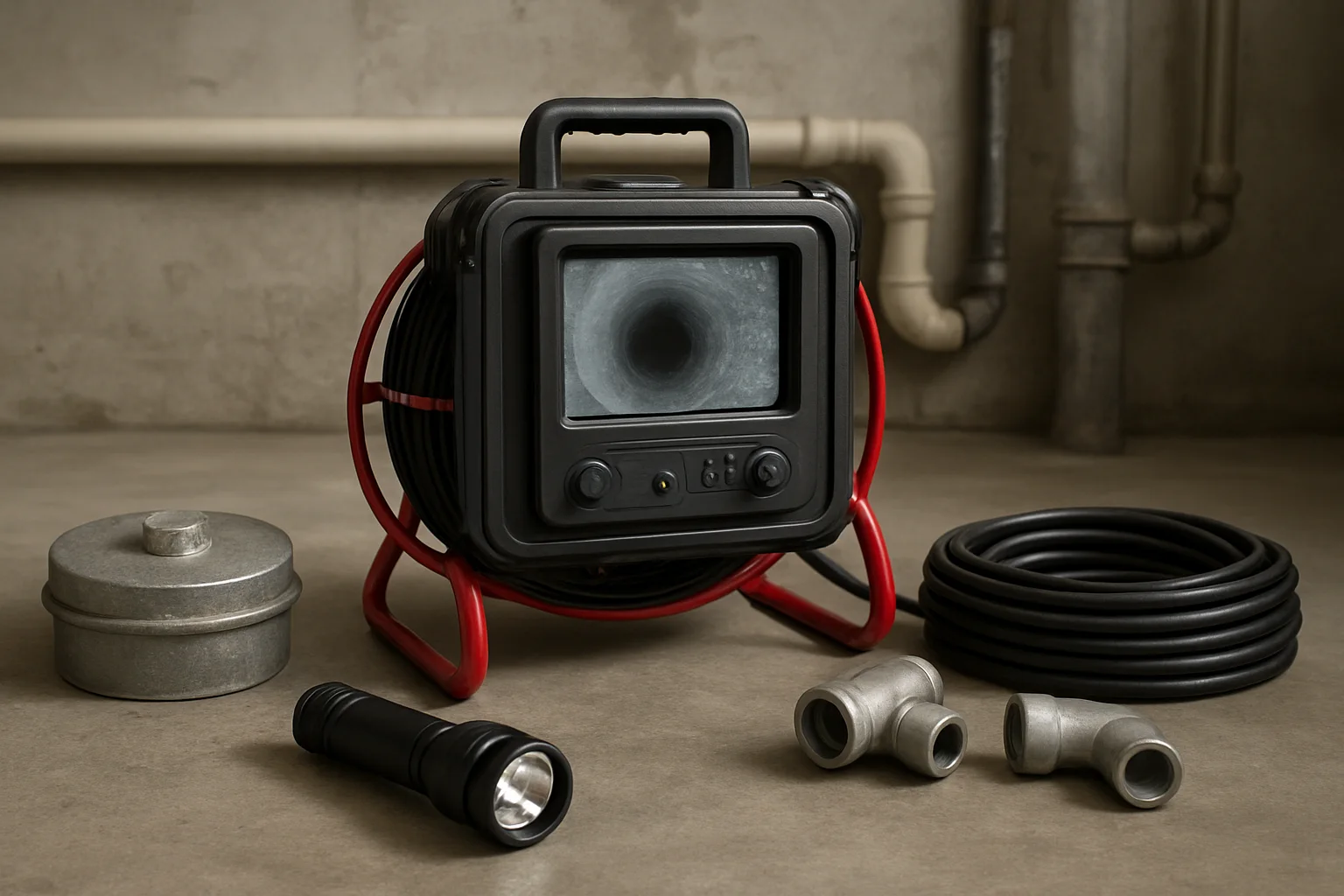
A sewer camera inspection is a diagnostic service performed by a plumbing professional using specialized viewing equipment designed to travel through the pipe and transmit live images. The technician typically introduces the camera into an accessible cleanout or another suitable access point and carefully guides it through the sewer line. As the camera moves, the plumber watches the condition of the pipe, notes changes in slope, looks for signs of damage or blockage, and records observations that help explain the home’s drainage behavior. The goal is not just to see inside the pipe, but to identify the type, location, and practical significance of the problem.
A good inspection usually includes more than simply pushing a camera through a line. The professional may locate the approximate position of the camera underground, determine whether the pipe is fully or partially obstructed, and assess whether the issue appears temporary or structural. If the line is too blocked for the camera to pass, that information itself is useful because it suggests the severity of the restriction. The homeowner can then receive an explanation of the findings and discuss next steps based on what was actually observed. Because sewer systems vary by property, the best approach is always tailored to the pipe material, layout, and condition of the line in that specific home.
What plumbers look for inside the line
During an inspection, the camera may reveal several different conditions that matter to the long-term health of the sewer system. Root intrusion is one common concern, especially in areas with established trees and shrubs. Roots can enter through tiny openings at joints or cracks and then expand, trapping waste and reducing flow. The camera may also show grease or sludge coating the pipe walls, which can narrow the passage and contribute to recurring backups. In some cases, the line may have a broken or separated section that allows soil to enter or waste to escape.
Professional diagnosis also includes looking for less obvious issues such as pipe bellies, offsets, corrosion, scaling, or improper slope. A belly is a sagging portion of pipe where water and debris can pool, creating repeated clogs. An offset joint may catch waste at the transition point. Older materials can develop internal roughness or deterioration that changes how the line performs even before a complete failure occurs. A trained plumber does not simply label these findings; they explain what each one means for drainage performance, whether the issue is urgent, and what repair strategy is appropriate. That interpretation is an important part of the service because the same visual problem may have different implications depending on its size, location, and impact on flow.
How Northwest Florida conditions can affect sewer lines
Homes in Bay, Walton, and Okaloosa counties face environmental conditions that can influence underground plumbing in ways many homeowners never see. Sandy or shifting soil can move around buried pipes over time, which may contribute to misalignment or slope changes. Coastal humidity, seasonal rain, and periods of heavy saturation can also affect how ground around the line behaves, especially when older pipes already have wear or small defects. These regional factors do not guarantee sewer trouble, but they do make careful inspection more valuable when symptoms appear.
Tree growth is another factor. Many Northwest Florida neighborhoods have established landscapes, and roots naturally seek moisture and nutrients. Even if a tree is not directly over the sewer line, roots can spread widely and exploit small openings in older pipes. Seasonal weather patterns can also influence how often a problem becomes noticeable. A line that seems manageable during dry weather may back up after rain or periods of heavier household use. Because of that, a sewer issue may appear intermittent at first. Professional camera inspection helps determine whether the problem is environmental, structural, or both, which is important in a region where soil and moisture conditions can change the behavior of underground utilities.
When a clog is more than a clog
A single clog can often be cleared, but recurring clogs are different. If the same fixture or multiple fixtures keep backing up, the issue may be deeper than a simple blockage. Waste may be getting hung up on a rough pipe surface, a damaged joint, a belly, or root intrusion. Even when a drain opens temporarily, the underlying defect can remain in place and continue to trap debris. That is why homeowners should be cautious about assuming that a quick fix means the sewer line is healthy.
Professional diagnosis matters because it helps separate isolated clogs from pattern-based failures. If a camera shows that the pipe is structurally sound and the issue is just buildup, the service plan may be straightforward. But if the camera reveals repeated catch points or an area where flow is restricted by damage, then a different solution may be needed. This kind of assessment can save time and reduce the cycle of repeat stoppages. It also helps homeowners understand why certain symptoms keep returning, which can be reassuring when plumbing problems have been ongoing for months. Knowing the real cause makes it easier to choose a repair path that addresses the issue rather than only the symptom.
Why camera inspection is safer for the plumbing system than guesswork
Guessing at underground plumbing problems can lead to unnecessary disturbance. Digging without knowing where the issue is located may damage landscaping, driveways, or other buried utility features, and it does not always solve the actual problem. A sewer camera inspection reduces the need for uncertainty by showing the condition of the line first. That is especially helpful when a homeowner is weighing different options and wants a clearer understanding before moving forward with repairs.
The camera itself is a non-invasive diagnostic tool when used by a professional. It allows the plumber to assess the sewer line from the inside rather than breaking into the ground first. This is a practical advantage for homeowners who want a more informed service recommendation. It also helps the plumber confirm whether the problem is isolated to one section or extends farther through the line. That matters because sewer systems can have more than one issue at once. For example, a line might have buildup in one section and a crack in another. A visual inspection gives the professional a better basis for explaining priorities, which is often the first step in planning an effective repair approach.
What homeowners can do before scheduling an inspection
Homeowners do not need to attempt any repairs to prepare for a sewer camera inspection. In fact, it is better to avoid aggressive chemical treatments or repeated plunging when a main line issue is suspected, because those steps may not resolve the problem and can sometimes make diagnosis less clear. Instead, it helps to pay attention to the pattern of symptoms. Note which fixtures are affected, whether problems happen after rain or during heavy water use, and whether odors, gurgling, or backups are becoming more frequent. That information can help the plumber understand what is happening before the inspection begins.
It is also useful to know the approximate age of the home, whether the sewer line has had prior service, and if there are any accessible cleanouts on the property. If you are unsure, the plumber can usually evaluate access during the visit. Professional assessment begins with a conversation about symptoms, followed by a visual review of the plumbing behavior and a camera inspection where appropriate. Homeowners should feel comfortable describing exactly what they have noticed, even if it seems minor. Small details often help the plumber narrow down the likely cause and decide where to look first inside the sewer line.
How professionals explain the findings
One of the most valuable parts of a sewer camera inspection is the explanation that follows. A good plumber does not simply report that there is a “problem” in the line. Instead, they describe what was seen, where it was seen, and how it is affecting flow. They may explain whether the line is partially blocked, whether there is visible structural damage, or whether the pipe is simply in poor condition and likely to cause trouble again. This interpretation helps homeowners understand the difference between a temporary service issue and a longer-term system concern.
Clear communication matters because sewer findings can feel technical and unfamiliar. Homeowners may hear terms like offset, intrusion, corrosion, or belly without immediately understanding what those mean for their plumbing. Professional diagnosis translates those observations into practical guidance. For example, a minor buildup might suggest routine service and monitoring, while a damaged section may indicate that a more involved repair discussion is needed. The goal is not to overwhelm the homeowner with jargon, but to make the condition of the line understandable enough to support informed decisions. That is especially important in a region where underground conditions can vary widely from one property to the next.
How sewer camera inspection supports repair planning
When a camera inspection identifies the problem, the next step is often deciding what type of repair is appropriate. That decision depends on what the camera shows, where the issue is located, and how much of the line is affected. A line with localized buildup may call for a different approach than one with root intrusion or a broken section. Without a camera, it is difficult to know whether the issue is isolated or widespread. With one, the plumber can better explain the condition and discuss practical options based on the actual pipe interior.
This kind of diagnosis also helps homeowners prioritize. Not every sewer concern requires the same immediate response, but some conditions are more likely to worsen if left unaddressed. Camera findings help identify those risks so the homeowner can plan accordingly. In a household where plumbing is already stressed by frequent use, catching a sewer problem early can be especially helpful. The inspection does not force a repair decision; it provides the information needed to make one. That distinction matters because informed planning is usually better than reacting only after a backup or overflow occurs.
Why local experience matters in sewer diagnostics
Sewer inspection is a technical service, but it is also local work. A plumber serving Bay, Walton, and Okaloosa counties needs to understand the kinds of homes, soil conditions, and drainage patterns common in Northwest Florida. Local experience can help when evaluating symptoms that might be influenced by groundwater, seasonal weather, older pipe materials, or tree growth. While every property is different, regional familiarity can improve the quality of the conversation and the relevance of the inspection findings.
For homeowners, that means the service is not just about running a camera through a pipe. It is about having someone who can interpret what is observed in the context of the area where the home sits. A professional from a local plumbing company can help determine whether the issue appears typical of wear and environmental conditions, or whether it suggests a more urgent defect. That kind of practical judgment is valuable because underground plumbing problems are rarely visible until they are advanced. A local professional assessment offers a better chance of catching the problem in time to avoid bigger disruptions and more extensive damage to the home’s drainage system.
Choosing a professional for sewer camera inspection in Bay, Walton and Okaloosa counties
When you are ready to have a sewer line evaluated, it is reasonable to look for a plumbing company that treats inspection as a diagnostic service, not just a sales step. Homeowners should expect a professional explanation, careful handling of the equipment, and a clear summary of what was found. In a situation where the problem may be hidden underground, the quality of the diagnosis matters. A thoughtful inspection can answer whether the issue is a clog, a damaged pipe, root intrusion, or another condition entirely.
850 Plumber, part of veteran-owned A Superior Mechanical, serves Bay, Walton and Okaloosa counties with plumbing services that include professional assessment of sewer concerns. If your home is showing warning signs such as slow drains, recurring clogs, odors, or backups, a sewer camera inspection can help identify the cause and guide the next step. For seasonal or year-round concerns, homeowners can call 850-258-3225 to discuss symptoms and schedule service. The value of the inspection is not simply in seeing the pipe, but in having a trained professional explain what the findings mean for your home’s plumbing system.
Explore related plumbing care
- Sewer Camera Inspection in Bay, Walton and Okaloosa Counties, FL
- Sewer & Drain Services in Bay, Walton & Okaloosa Counties, FL
- Sewer Repair & Maintenance in Bay, Walton and Okaloosa Counties, FL
- 24/7 Emergency Plumbing Services in Bay, Walton and Okaloosa Counties
- Clean Water Services in Bay, Walton and Okaloosa Counties, FL
- Clogged Drains & Pipe Cleaning in Bay, Walton & Okaloosa Counties
Continue reading
- Sewer Repair and Maintenance in Northwest Florida: Warning Signs and Professional Diagnosis for Homeowners
- Whole Home Water Purification Warning Signs and Professional Diagnosis for Northwest Florida Homes
- Water Softening Services in Santa Rosa Beach, FL: Warning Signs and Professional Diagnosis for Northwest Florida Homeowners
Talk with the 850 Plumber team for help with your home or business.