
1. Why Sewer Health Matters in Northwest Florida Homes
A sewer line is one of the most important parts of a home’s plumbing system because it carries wastewater away from sinks, tubs, showers, toilets, and laundry areas. When it works properly, it is easy to forget it exists. When it starts to fail, the effects can spread quickly through the home and yard. For homeowners in Bay, Walton, and Okaloosa counties, sewer problems can be especially frustrating because local soil conditions, groundwater, tree growth, and seasonal rain patterns can all affect buried piping. A sewer issue is not only a convenience problem. It can create sanitation concerns, unpleasant odors, slow drains, and damage to flooring, walls, landscaping, and foundations if wastewater backs up or leaks underground.
Northwest Florida homeowners benefit from understanding sewer health before a problem becomes an emergency. Some sewer issues develop gradually, while others can become obvious after a heavy rain, a change in household water use, or a sudden backup. Because many symptoms look similar to other plumbing problems, a professional assessment matters. A licensed plumber can inspect the system, determine whether the issue is inside the home or in the buried line, and recommend the most practical repair approach. 850 Plumber, part of veteran-owned A Superior Mechanical, serves Bay, Walton and Okaloosa counties FL and provides professional sewer assessment and repair support for homeowners who want a clear diagnosis rather than guesswork. For questions, call 850-258-3225.
2. Common Warning Signs Homeowners Should Not Ignore
Sewer line problems often begin with subtle warning signs. A single slow drain may not mean the sewer line is failing, but recurring clogs in multiple fixtures can point to a larger issue in the branch line or main line. Gurgling sounds from toilets or drains, especially after another fixture is used, may indicate restricted flow or trapped air caused by blockage. Homeowners may also notice sewage odors in bathrooms, utility rooms, crawl spaces, or around the yard. These smells should never be dismissed, because they can signal a cracked pipe, a loose connection, or waste trapped where it should not be.
Another warning sign is wastewater backing up in one fixture when another is used. For example, if flushing a toilet causes water to rise in a shower drain, that can suggest a problem downstream from both fixtures. Outside the home, patches of unusually green grass, soggy areas, sinkholes, or persistent damp spots may indicate a leaking sewer line underground. Pest activity can also increase near leaking wastewater. A professional plumber can interpret these signs in context because the same symptom may have different causes. What looks like a simple clog might actually be a structural sewer issue that needs targeted repair instead of repeated drain cleaning.
3. Why Sewer Problems Happen in Bay, Walton, and Okaloosa Counties
Northwest Florida homes face a mix of environmental conditions that can influence buried sewer lines. Heavy seasonal rain can saturate soil, shift ground around pipes, and reveal weak joints or damaged sections. In some areas, sandy soil may move more easily than dense soil, while in other locations moisture changes can affect how pipe bedding holds a sewer line in place. Tree roots are another common factor. Roots naturally seek moisture and can enter small openings in older or damaged pipes, then expand and worsen the obstruction over time. Homeowners with mature landscaping should be especially attentive if slow drains or odors develop near tree-covered areas.
Age and material of the piping also matter. Older sewer lines may include materials that are more prone to cracking, joint separation, or corrosion than modern piping systems. Even newer lines can be damaged by ground movement, improper installation, grease buildup, or debris that should never have entered the system. In some homes, recurring trouble is not the result of one dramatic failure but of several stressors acting together over time. A professional diagnosis helps separate environmental influence from plumbing defects. That distinction is important because the right repair depends on whether the issue is caused by blockage, pipe damage, settlement, or another condition within the system.
4. What Happens During a Professional Sewer Assessment
Professional sewer diagnosis usually starts with a conversation about the symptoms. A plumber will ask which fixtures are affected, how often the issue occurs, whether it happens during heavy rain, and whether any changes were recently made to the plumbing or landscaping. This history helps narrow the likely cause before any equipment is used. The plumber may also inspect cleanouts, drains, and visible piping to look for clues such as stains, moisture, odors, or signs of prior repairs. This is one reason professional assessment is so valuable: it combines homeowner observations with technical inspection rather than relying on assumptions.
When needed, a plumber may use specialized tools to evaluate the line further. Depending on the situation, that can include camera inspection or other diagnostic methods to determine where the problem is located and what type of defect exists. The goal is to identify whether the line is blocked, broken, sagging, offset, or infiltrated by roots. A good assessment should not jump immediately to the most disruptive option. Instead, it should define the problem clearly enough to guide the least invasive effective repair. Homeowners in Bay, Walton, and Okaloosa counties can benefit from this careful approach because it reduces unnecessary digging, limits property disruption, and supports a repair plan based on actual conditions inside the sewer line.
5. Sewer Camera Inspection: Why It Helps Homeowners
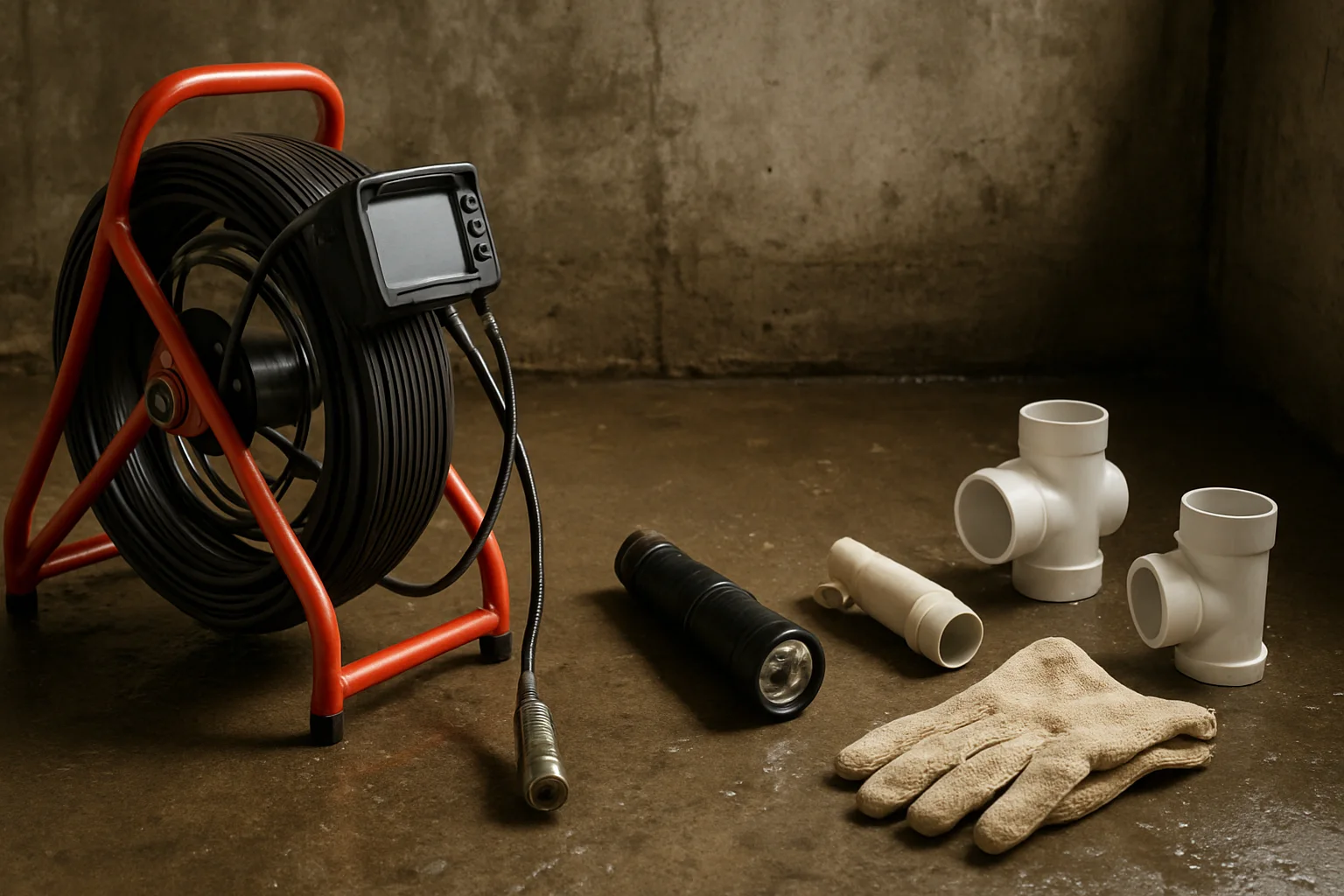
A sewer camera inspection is one of the most useful ways to understand what is happening inside a buried line without guessing. A small camera is inserted through an access point so the plumber can view the inside of the pipe in real time. This can reveal cracks, root intrusion, offset joints, corrosion, debris buildup, standing water, or sections where the pipe may have shifted. For homeowners, the main advantage is clarity. Instead of treating symptoms one at a time, a camera inspection can show the source of the problem and the severity of the condition.
This kind of inspection is especially helpful when a home has recurring backups or multiple slow fixtures and the cause is not obvious. It can also help distinguish between a sewer issue and a localized drain issue inside the home. A camera inspection may show that a section needs cleaning, repair, replacement, or simply monitoring if the line is still functional and the defect is minor. Because sewer work can involve buried pipe, a visual inspection from inside the line often saves time and helps avoid unnecessary excavation. It also gives homeowners a better understanding of the plumbing system so they can make informed decisions about repair timing and maintenance priorities.
6. Main Line Blockages Versus Structural Damage
Not every sewer problem means the line is broken. Sometimes the issue is a blockage caused by grease, wipes, foreign objects, or buildup that has narrowed the pipe. In those cases, a professional can often restore function by clearing the obstruction and checking the line for any hidden concerns. A blockage may produce recurring slow drains, gurgling sounds, or a temporary backup, but once the obstruction is removed, the system may return to normal. Even so, a professional should still determine why the blockage occurred so the homeowner can reduce the chance of recurrence. Repeated clogs are often a sign that the line needs more than another quick clearing.
Structural damage is different. Cracks, collapse, root intrusion, joint failure, or a sagging section can cause wastewater to collect or escape where it should not. These problems usually do not resolve with routine drain cleaning alone. In fact, repeated cleanings without diagnosis can delay the right repair and allow damage to worsen. A professional assessment helps distinguish between a line that is simply obstructed and one that has been compromised physically. That distinction matters because the long-term solution may involve repair or replacement of part of the sewer line rather than repeated clearing. Homeowners should be cautious about assuming that any symptom is just a clog, especially when the problem keeps returning or spreads across multiple fixtures.
7. Tree Roots, Soil Movement, and Underground Stress
Tree roots are a common contributor to sewer trouble because they can enter pipes through tiny gaps, loose joints, or cracks in search of moisture and nutrients. Once inside, roots can trap debris and grow thicker, creating recurring blockages or pressuring the pipe from within. Properties with mature trees or shrubs near the sewer route may experience problems even if the landscaping looks healthy. A camera inspection can confirm whether roots are present and help determine how extensively they have affected the line. This matters because root intrusion can sometimes be managed, but severe damage may require pipe repair rather than repeated cleaning.
Soil movement is another factor that homeowners may not see until symptoms appear. Heavy rain, erosion, ground settlement, or changes in soil moisture can all affect the position of a buried sewer pipe. If a section sags or offsets, wastewater may not flow smoothly, and solids can collect in low spots. In some cases, a pipe may remain partially functional for a while before the problem becomes more obvious. That is why seasonal changes in Northwest Florida matter. A sewer line that seems fine in dry weather may show signs of trouble after storms or prolonged rain. Professional diagnosis helps determine whether the issue is root-related, settlement-related, or a combination of both, allowing the homeowner to address the real cause instead of just the symptoms.
8. Signs Indoors That Point to a Sewer Issue
Indoor symptoms often give the first clue that the sewer line needs attention. Multiple drains slowing at the same time is one of the clearest signs that the problem may extend beyond a single fixture. Toilets that bubble, drains that gurgle, or water that rises unexpectedly in a tub or shower can indicate a restriction in the main drainage path. Homeowners may also notice that flushing becomes less reliable or that wastewater odor lingers even after normal cleaning. These symptoms may come and go at first, which can lead people to delay calling for service. Unfortunately, intermittent problems often indicate an underlying condition that is not going away on its own.
Another indoor clue is unexplained moisture or staining near baseboards, walls, or floors, especially if the home has a slab or crawl space. While not every damp area is sewer-related, wastewater leaks can create persistent odors and sanitation concerns that should be evaluated promptly. Homeowners should also pay attention if fixtures behave differently after laundry use, dishwashing, or multiple showers. When several water sources affect the system at once, a sewer problem may be more likely. A professional plumber can help determine whether the source is the sewer line, a branch line, a venting issue, or another drainage concern. That diagnostic step is important because the right fix depends on which part of the system is actually failing.
9. Outdoor Clues in the Yard and Around the Home
Sewer leaks below ground sometimes show up outside before they are obvious indoors. Wet or sunken spots in the yard can indicate that wastewater is escaping into the soil. Areas of grass that are greener, taller, or growing differently than the surrounding lawn may also point to extra moisture and nutrients from a leak. While these signs do not prove a sewer failure by themselves, they are worth professional evaluation, especially when paired with indoor drainage issues. Homeowners should not assume the problem is only irrigation or surface runoff if the same area remains damp without a clear cause.
Odors outside the home are another concern. Sewer gas smells near foundation walls, cleanouts, or low areas in the yard can signal a compromised line or an open connection. In some cases, the symptom may be more visible during rainy periods because saturated soil reveals weak spots in the piping system. Crawl spaces can also show signs such as dampness, staining, or pest activity if wastewater is leaking nearby. Because these outdoor symptoms can overlap with stormwater drainage or landscaping issues, a trained plumber should inspect the system before a homeowner starts digging or making assumptions. Professional diagnosis protects the property and helps prevent unnecessary disturbance to landscaping or hardscape features.
10. Repair Options Depend on the Diagnosis
Once the problem has been identified, the plumber can discuss repair options that fit the condition of the line. Some sewer issues may be addressed by clearing a blockage and confirming the line is open. Others may require targeted repair of a damaged section if a crack, offset, or localized defect is found. In more extensive cases, part of the sewer line may need replacement if the pipe has failed structurally or if repeated issues show that the line cannot reliably function as it is. The best option depends on what the inspection reveals, not just on the symptoms the homeowner noticed first.
This is why a careful diagnosis is so valuable. It helps prevent overrepair and underrepair alike. Overrepair can mean replacing more pipe than necessary, while underrepair can mean repeatedly fixing symptoms without solving the cause. A professional plumber should explain what was found, why it matters, and what approach makes the most sense for the home’s condition. Homeowners in Bay, Walton, and Okaloosa counties should expect a repair conversation grounded in the actual state of the plumbing system. If a pipe is repairable, the plumber should say so. If the line needs more extensive attention, that should be explained clearly as well, with the goal of restoring safe, dependable sewer service.
11. How Homeowners Can Reduce Sewer Trouble Over Time
Good sewer maintenance begins with everyday habits. Homeowners should be careful about what goes down sinks, toilets, and drains. Grease, wipes, hygiene products, paper towels, and other nonflushable items can contribute to clogs and strain the sewer line over time. Even if a product claims to be flushable, it may not break down quickly enough for every plumbing system. Being consistent about proper disposal habits can reduce buildup and keep the line flowing more freely. Routine cleaning of visible drain strainers and attention to slow drains can also help catch small issues before they become larger problems.
Seasonal awareness matters too. After heavy rain or after changes in landscaping, homeowners should pay attention to unusual odors, soft ground, or new drainage symptoms. If a home has older plumbing or large trees nearby, periodic professional inspection may be wise even before there is a major failure. Maintenance is not only about avoiding emergencies; it is also about preserving the condition of the system and understanding its risks. A professional can help homeowners decide what level of monitoring makes sense for their property. In coastal and inland Northwest Florida communities alike, proactive attention can make a meaningful difference because soil, weather, and vegetation all influence how long a buried sewer line continues to perform well.
12. When to Call 850 Plumber for Professional Help
Homeowners should seek professional help when sewer symptoms persist, spread, or affect multiple fixtures. Slow drains throughout the house, recurring backups, sewage odors, or yard signs of leakage are all reasons to have the line inspected. If a problem returns after repeated drain clearing, that is especially important because the underlying cause may be structural rather than temporary. A professional assessment can provide the clarity needed to move forward with confidence instead of trial and error. The sooner the issue is identified, the easier it is to protect the home from damage and avoid sanitation concerns.
850 Plumber, part of veteran-owned A Superior Mechanical, serves Bay, Walton and Okaloosa counties FL with sewer repair and maintenance support for homeowners who need practical diagnosis and careful service. Whether the concern is a suspected blockage, a damaged line, or a recurring drainage issue, a trained plumber can evaluate the system and recommend the next step based on the evidence found. For seasonal sewer concerns or ongoing plumbing questions, call 850-258-3225. This evergreen homeowner resource is prepared for current seasonal use and is intended to help Northwest Florida residents recognize warning signs early, understand the value of professional inspection, and make informed decisions about sewer care.
Explore related plumbing care
- Sewer Repair & Maintenance in Bay, Walton and Okaloosa Counties, FL
- Drain Cleaning & Maintenance in Bay, Walton and Okaloosa Counties, FL
- Leak Detection & Slab Leak Repair in Bay, Walton & Okaloosa Counties, FL | 850 Plumber
- Plumbing Fixture Installation & Maintenance in Bay, Walton and Okaloosa Counties, FL
- Plumbing Maintenance in Bay, Walton and Okaloosa Counties, FL
- Plumbing Repair in Bay, Walton and Okaloosa Counties, FL | 850 Plumber
Continue reading
- Water Line Repair in Walton County, FL: Warning Signs and Professional Diagnosis for Northwest Florida Homeowners
- Water Heater Repair Warning Signs and Professional Diagnosis for Northwest Florida Homeowners
- Water Heater Maintenance in Santa Rosa Beach, FL: Warning Signs and Professional Diagnosis for Northwest Florida Homeowners
Talk with the 850 Plumber team for help with your home or business.