
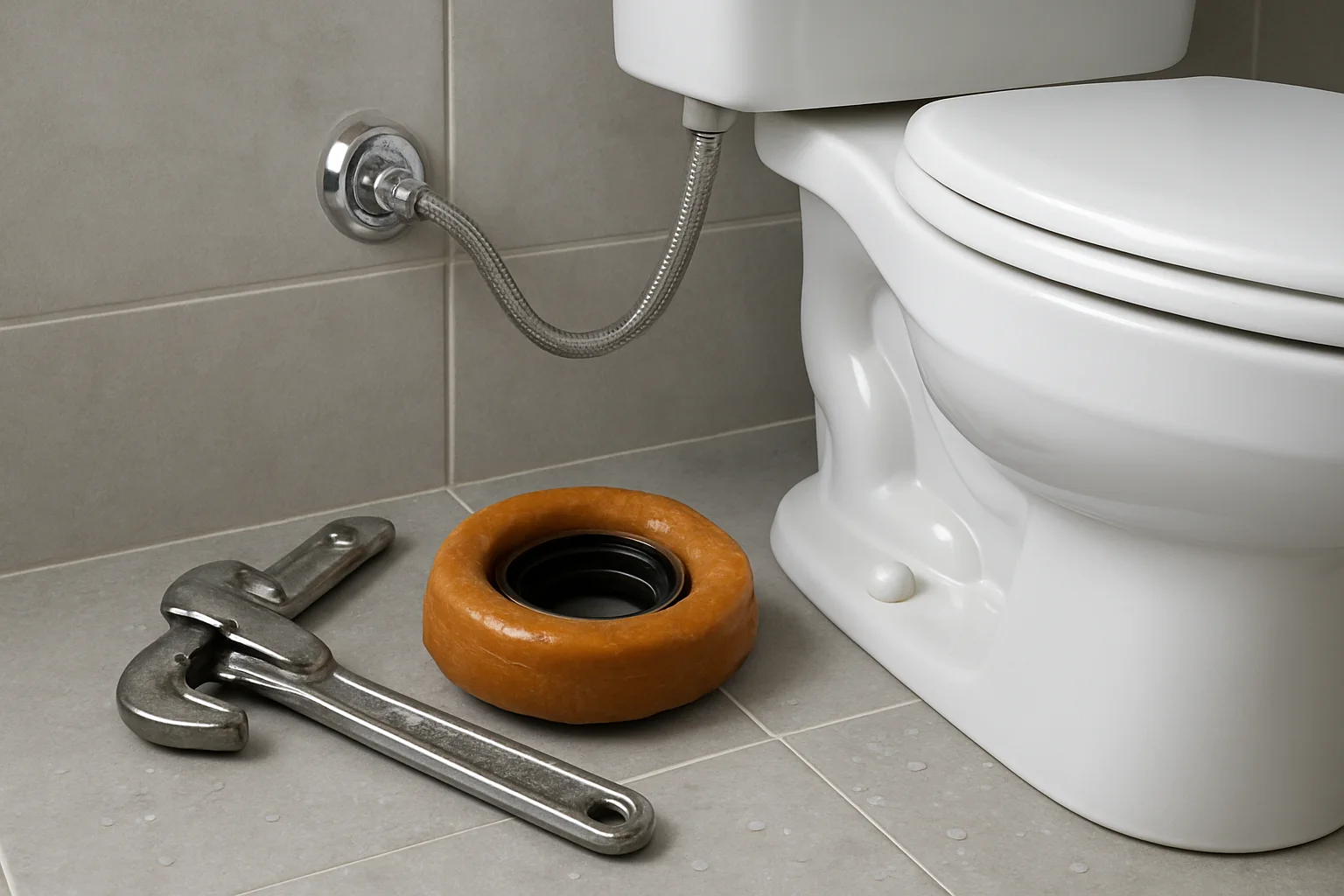
Why toilet problems deserve prompt attention
A toilet that seems a little noisy, slightly wobbly, or occasionally slow to flush can be easy to ignore, but those small changes often point to issues that deserve prompt attention. In homes across Bay, Walton, and Okaloosa counties, toilets work hard every day, and the combination of humid weather, mineral exposure, aging parts, and heavy family use can gradually wear down seals, fill valves, flappers, tank components, and the wax ring beneath the bowl. When one part starts to fail, the toilet may still function for a while, but the hidden effects can grow quietly behind the scenes. Water waste, ceiling stains below an upstairs bathroom, floor damage around the base, and recurring clogs are all examples of problems that may begin with a subtle sign long before a homeowner realizes anything is wrong.
The biggest reason to take toilet symptoms seriously is that the toilet is connected to both your plumbing system and the structure of your home. A leak at the base can soak subflooring. A weak flush can signal a venting issue or partial blockage deeper in the line. A running toilet may waste a surprising amount of water over time. A professional assessment can distinguish between a minor repair and a larger issue that should not be postponed. For homeowners in Northwest Florida, where seasonal humidity and storm-related power or water changes can affect plumbing performance, getting a qualified diagnosis early can help avoid inconvenience, odor problems, and more expensive damage later.
How a toilet actually works in everyday terms
A toilet looks simple from the outside, but it depends on several parts working together in a very specific sequence. When you press the handle, the flapper or flush valve opens and releases water from the tank into the bowl. That rush of water helps move waste through the trapway and into the drain line. Then the tank refills, the fill valve shuts off at the right level, and the bowl resets for the next use. If any one of those parts is worn, misaligned, or partially blocked, the whole system can become inefficient, noisy, or unreliable. Understanding the basics helps homeowners recognize when something is off without trying to solve every issue themselves.
The bowl, tank, supply line, shutoff valve, wax seal, and internal mechanisms all have different jobs. Some problems stay visible inside the tank, while others happen below the surface where they are harder to detect. For example, a cracked tank may drip only when the toilet is refilling. A damaged flapper may allow water to leak slowly from tank to bowl, causing the toilet to run on and off. A weak flush may point to reduced water flow, mineral buildup, or a drain line issue. Because these symptoms can overlap, a professional plumber does more than replace a part at random. They inspect how the toilet behaves overall, identify the root cause, and decide whether repair or replacement is the smarter long-term choice.
Warning signs homeowners should not overlook
Several warning signs suggest a toilet needs professional attention. Persistent running is one of the most common. If a toilet keeps refilling or seems to start running on its own, the problem may be a worn flapper, incorrect water level, damaged fill valve, or a hidden leak between the tank and bowl. Another red flag is repeated clogs. A toilet that backs up often, even when used normally, may have a partial blockage, an aging design that is not clearing waste effectively, or a venting or drain issue that should be evaluated. Gurgling sounds, delayed flushing, and water that rises too high or drops too low in the bowl also deserve a closer look.
Physical signs around the toilet matter too. Moisture around the base can indicate a failing wax ring, loose connection, or tank leak. A toilet that rocks or shifts may have loose mounting hardware or floor damage beneath it. Cracks in the tank or bowl should be treated seriously, even if they seem small, because they can worsen suddenly. Foul odors that seem to linger near the bathroom may point to a seal problem or hidden seepage. In areas where humidity is already high, these signs can be mistaken for normal condensation or everyday bathroom moisture. A professional assessment helps separate harmless surface dampness from leaks that can damage flooring, framing, and the subfloor over time.
When a running toilet is more than just an annoyance
A running toilet is one of those problems many homeowners live with because the bathroom still seems usable. Yet a toilet that runs often is using water when it should not, and that can create both utility waste and wear on internal components. Sometimes the issue is simple, such as a flapper that is no longer sealing well or a chain that is too tight or too loose. In other cases, the fill valve may be failing, the float may be set incorrectly, or the overflow tube may be involved. A homeowner may hear the tank refill at odd times throughout the day, which can be a sign the tank is losing water slowly and triggering repeated refills.
A professional plumber can test the toilet carefully and determine whether the leak is visible, internal, or related to a more complex condition. They may check the flapper fit, water level, shutoff function, and the condition of the tank components. They can also verify whether the toilet is losing water into the bowl or if the issue is happening in the supply line. This matters because replacing one part without understanding the rest of the system may not solve the problem. In older homes or homes with several bathroom fixtures in regular use, a running toilet may also be one symptom of broader wear. A proper diagnosis helps homeowners avoid repeated nuisance repairs and supports a more dependable fix.
Weak flushing, clogs, and recurring backups
A toilet that does not flush fully can be frustrating, but repeated weak flushing is also a useful clue. The issue may stem from a low water level in the tank, worn internal parts, mineral buildup in the rim jets, a deteriorating flapper, or a clog in the toilet trapway. Some toilets simply have design limitations or have aged to the point where they no longer perform well under normal household conditions. If the toilet requires multiple flushes or frequently leaves waste behind, the issue should be evaluated rather than accepted as normal. In many cases, repeated backups are the home’s way of signaling that something has changed in the toilet or the connected drain line.
Professional diagnosis is important because not every clog is solved the same way. A local blockage within the toilet bowl may be different from a deeper obstruction in the branch drain or main line. A plumber can determine whether the toilet needs service, whether the drain line requires attention, or whether the fixture itself is no longer a good fit for the home. This is especially important when the toilet clogs repeatedly despite cautious use. In those situations, the homeowner may be dealing with a partial obstruction, venting issue, or an older toilet that is no longer providing the flushing power needed for the household. Rather than guessing, an evaluation helps identify the source and the most appropriate solution.
Leaks around the base or tank should be evaluated quickly
Water around a toilet base is never something to ignore. Even if the amount seems small, the location of the leak can matter more than the volume you see on the floor. A leak at the base may indicate a failed wax ring or another seal issue where the toilet meets the flange. That type of leak can seep into flooring and subfloor materials, where it may not be obvious right away. In bathrooms with tile or vinyl, moisture can still travel below the surface and cause hidden damage. If the toilet moves when sat on, the seal can be stressed further, allowing more water to escape over time.
Leaks from the tank are another concern. Cracks in porcelain, degraded hardware, loose connections, or a failing gasket can all allow water to escape. Sometimes the leak is only visible during refilling, while in other cases it may appear as intermittent dampness that seems to come and go. A professional plumber can inspect the toilet with a trained eye, test the components, and determine whether the leak can be corrected with a repair or whether the fixture has reached the point where replacement is the better choice. Because toilet leaks can damage both visible finishes and concealed framing, homeowners are usually best served by acting early rather than waiting for the problem to become obvious.
Why toilet rocking, shifting, or instability matters
A toilet should feel stable when used. If it rocks, shifts, or has visible movement at the base, that instability deserves attention. The cause may be as simple as loose closet bolts, but it can also indicate an uneven floor, worn hardware, or damage to the flange or subfloor. In a bathroom that has already seen moisture problems, movement can be more than a nuisance because it may compromise the seal between the toilet and the drain connection. Every time the toilet shifts, the seal can be stressed, which may increase the risk of leaks or odors. Homeowners sometimes try to live with a wobbly toilet for a while, but the motion itself can worsen the underlying problem.
A professional assessment is useful because the visible symptom does not always reveal the full issue. A plumber can check whether the base is level, whether the flange is secure, and whether there are signs of prior water damage beneath the toilet. If the floor is compromised, simply tightening the toilet may not solve the problem for long. In some cases, the toilet can be repaired and reseated properly. In others, replacement may be the safer long-term choice if the fixture is cracked, outdated, or too unstable to remain reliable. The goal is not just to stop the wobble, but to understand why it started so the problem does not return.
When odors point to plumbing trouble
Unpleasant odors around a toilet are not always caused by cleaning issues. If a bathroom smells persistently musty, sewer-like, or damp near the toilet, the cause may be a failed seal, a hidden leak, or a drainage problem. A properly functioning toilet should contain sewer gases through its water seal and connected plumbing system. If that barrier is compromised, odors can escape into the room. In some cases, the smell may come and go depending on humidity, usage, or water level in the bowl. Because Northwest Florida’s climate can already make rooms feel humid, odor-related plumbing issues may be mistaken for ordinary bathroom moisture unless they are carefully evaluated.
A professional plumber can determine whether the smell is linked to the toilet itself, the drain line, or another nearby fixture. They may inspect the base seal, tank connections, and surrounding areas for moisture or signs of seepage. They can also assess whether the toilet is holding the right water level and whether the venting and drainage are working properly. If the odor is caused by a broken seal or a damaged flange, the underlying issue should be addressed quickly to protect indoor air quality and prevent further damage. Homeowners should avoid assuming the smell is harmless just because the toilet appears to flush normally. Odor is often one of the earliest signs that a toilet or its connections need attention.
Age, efficiency, and when replacement may be smarter
Not every toilet problem should be repaired indefinitely. Some fixtures reach a point where replacement makes more sense than continuing to service older parts. Age alone is not the only factor, but an aging toilet may develop repeated leaks, recurring clogs, weakened flushing, and visible wear that add up over time. If parts are failing one after another, a homeowner may end up paying for repeated service calls without getting a lasting solution. A toilet that no longer performs reliably can also be a poor fit for the household’s needs, especially in a busy home where dependable flushing and easy maintenance matter every day.
A professional plumber can help determine whether repair or replacement is the better option by looking at the toilet’s overall condition and the nature of the problem. They may consider whether the bowl or tank is cracked, whether the base seal has failed repeatedly, whether the toilet has recurring performance issues, or whether the fixture simply no longer serves the home well. Replacement may be the better choice when the toilet’s problems are structural, frequent, or likely to return. Repair may still make sense when the issue is limited and the fixture is otherwise sound. The important part is making the decision based on inspection, not guesswork. That approach gives homeowners a clearer path forward and reduces the chance of repeated frustration.
What a professional toilet inspection typically includes
A careful toilet inspection looks beyond the obvious symptom. A plumber will usually begin by listening to the homeowner’s description of the issue and then observing the toilet in operation. They may test flushing behavior, watch for delayed refill, inspect the tank components, check the shutoff valve and supply line, and look for visible leaks or instability around the base. They can also assess whether the bowl is holding water properly and whether the flush is strong enough for the home’s needs. Because many toilet issues mimic one another, this step-by-step review helps identify the actual source of the trouble rather than just the most noticeable symptom.
The assessment may also include looking for signs that the problem is connected to the drain or the floor structure. If the toilet base is leaking or moving, the plumber may need to evaluate the flange, wax ring, or surrounding subfloor area. If the toilet keeps clogging, they may determine whether the issue is in the fixture itself or further down the line. This is where professional experience matters: a technician can interpret subtle clues that may not be obvious to a homeowner. The result is a recommendation based on facts, not speculation, which is especially important when deciding whether to repair a specific component or replace the whole toilet.
Repair or replace: how the decision is usually made
Homeowners often want a straightforward answer to the repair-versus-replacement question, but the right choice depends on several factors. If the toilet has a single failed part, no cracks, and no evidence of damage to the floor or flange, a repair may be enough. If the issue is a worn flapper, fill valve, loose connection, or other isolated component, servicing the toilet can restore normal operation. Repair can be a practical option when the fixture is otherwise in good shape and the problem has a clear cause. In those cases, a professional diagnosis can confirm that a targeted fix is appropriate.
Replacement becomes more compelling when the toilet has repeated problems, cracks, a poor seal, instability, or chronic performance issues that point to broader wear. A toilet that keeps needing attention may not be a good long-term value even if it can still be patched temporarily. A plumber can compare the condition of the fixture with the nature of the problem and explain the likely outcomes of each option. The point is not simply to make the toilet work today, but to choose the solution that best fits the home’s needs over time. For homeowners in Bay, Walton, and Okaloosa counties, that kind of professional guidance can save time, reduce water waste, and help avoid surprise failures later.
Why local conditions in Northwest Florida can affect toilet performance
Homes in Northwest Florida face conditions that can influence bathroom plumbing over time. Humidity can make it harder to notice small leaks because surfaces may already feel damp. Mineral exposure in water can contribute to buildup on internal parts and reduce performance gradually. Seasonal usage patterns, vacation homes, and storm-related interruptions may also affect how often fixtures are used and how quickly small problems are noticed. In a climate where moisture is already part of daily life, toilets need to be evaluated carefully so that true leaks are not mistaken for condensation or normal bathroom humidity.
Local conditions also make professional diagnosis especially helpful because a toilet issue may have more than one cause. A running toilet may be purely mechanical, but a leak may be influenced by the floor condition beneath it. A weak flush might seem like a minor annoyance until it becomes a recurring blockage. When a plumber understands the common challenges homeowners face in the area, they can ask better questions, inspect more thoroughly, and recommend the most practical next step. That local awareness matters because toilets do not fail in isolation; they are part of a home that responds to climate, water conditions, and everyday use. A proper assessment takes all of that into account instead of treating every symptom as if it happened in a vacuum.
How 850 Plumber helps homeowners make an informed choice
For homeowners in Bay, Walton, and Okaloosa counties, 850 Plumber, part of veteran-owned A Superior Mechanical, provides toilet repair and replacement support with a focus on clear diagnosis and practical recommendations. The goal is to identify the cause of the problem, explain what is happening in plain language, and help the homeowner understand whether the best path is repair or replacement. That matters because a toilet issue is not just an inconvenience; it can affect water use, floor protection, odor control, and the daily function of the bathroom. A clear assessment helps reduce uncertainty and gives the homeowner a more confident next step.
If you notice warning signs such as a running toilet, recurring clogs, rocking movement, base moisture, or unpleasant odors, it is a good time to have the fixture evaluated. Professional inspection can reveal whether the problem is isolated to one component or whether the toilet has reached the point where replacement is more sensible. 850 Plumber serves Northwest Florida homeowners who want a reliable, informed approach to plumbing issues without guesswork. To schedule service or ask about toilet concerns, call 850-258-3225. A timely evaluation can help protect your home from avoidable damage and restore the bathroom to dependable working order.
Explore related plumbing care
- Toilet Repair and Replacement in Bay, Walton and Okaloosa Counties, FL | 850 Plumber
- Leak Detection & Slab Leak Repair in Bay, Walton & Okaloosa Counties, FL | 850 Plumber
- Pipe Replacement in Santa Rosa Beach, FL
- Plumbing Fixture Replacement in Freeport, FL
- Plumbing Repair in Bay, Walton and Okaloosa Counties, FL | 850 Plumber
- Plumbing Replacement in Bay, Walton & Okaloosa Counties, FL
Continue reading
- Water Line Replacement for Northwest Florida Homeowners: Warning Signs and Professional Diagnosis
- Water Line Repair in Walton County, FL: Warning Signs and Professional Diagnosis for Northwest Florida Homeowners
- Water Heater Replacement in Santa Rosa Beach, FL: Warning Signs and Professional Diagnosis for Northwest Florida Homeowners
Talk with the 850 Plumber team for help with your home or business.