
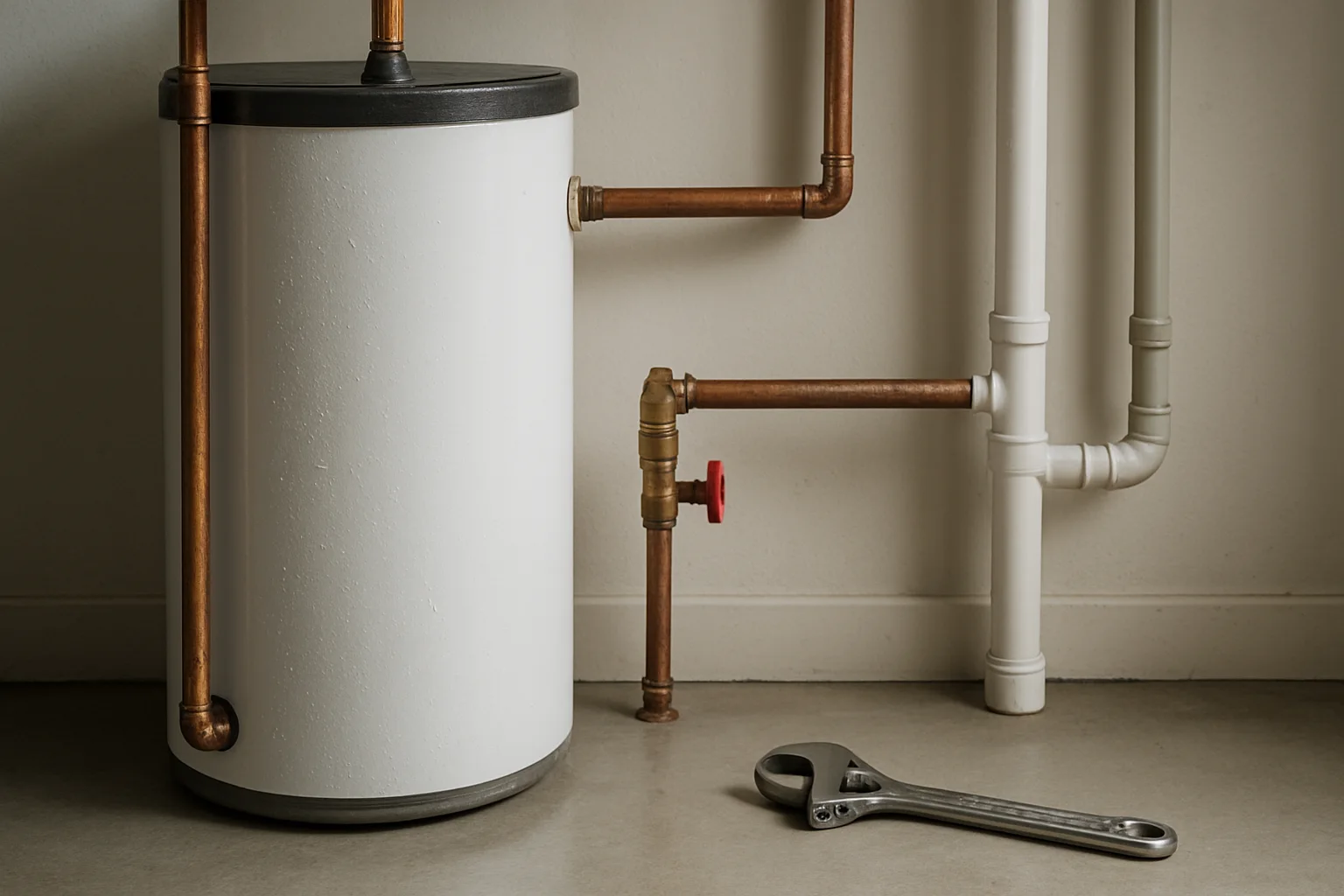
Why water heater care matters in Northwest Florida
For homeowners in Bay, Walton, and Okaloosa counties, a water heater often works quietly in the background until something changes. Hot showers, dishwashing, laundry, and routine cleaning all depend on that appliance functioning properly. When a water heater begins to struggle, the signs may appear gradually: water that is not as hot as usual, an unfamiliar noise, a small leak, or a longer wait for warm water at the tap. Because these changes can be subtle at first, many homeowners benefit from thinking about water heater care as part of normal home maintenance rather than waiting for a breakdown.
Seasonal planning matters in this part of Northwest Florida because household water demand and weather patterns can affect how the system feels in daily use. Even though the region does not experience the harsh freezes seen farther north, cooler periods, holiday occupancy changes, and increased hot water use can reveal issues that were already developing. Preventive attention can help homeowners avoid inconvenience, reduce strain on the system, and identify when professional assessment is the best next step. For many families, a reliable water heater is less about comfort alone and more about keeping the home operating smoothly.
Common signs that a water heater needs professional attention
A water heater often gives warning signs before it fails completely. One of the most noticeable is inconsistent water temperature. Water that alternates between hot, warm, and lukewarm may point to an issue with the heating elements, thermostat, sediment buildup, or another internal component. Another common sign is reduced hot water capacity, where showers end sooner than expected or the tank seems to run out quickly. Those symptoms can be frustrating, but they are also useful clues that a professional inspection may be appropriate.
Other signs include unusual sounds, visible corrosion, rust-colored water, moisture around the tank, or a lingering metallic odor. Any of these conditions can suggest wear that should be evaluated by a qualified plumber. In homes with tank water heaters, a small puddle or dampness near the base can be especially important to take seriously because it may indicate a failing valve, a loose connection, or tank deterioration. Homeowners should avoid trying to diagnose internal components on their own. A professional can look at the system as a whole, determine whether the issue is minor or significant, and recommend a sensible repair path based on the age and condition of the unit.
How professional assessment works
A professional water heater assessment is more than a quick glance at the tank. A plumber typically considers the age of the system, the type of unit, the location of the heater, visible signs of wear, the condition of connected piping, and the homeowner’s description of the problem. This matters because the same symptom can come from different causes. For example, lukewarm water could be related to thermostat settings, sediment buildup, a failing component, or even issues elsewhere in the plumbing system. A careful evaluation helps separate symptoms from root causes.
In a professional setting, the goal is to identify what can be repaired safely and what may need replacement planning. That can include checking whether the pressure relief valve appears functional, looking for signs of corrosion, evaluating hot water recovery, and examining whether the unit has adequate support and proper installation conditions. Homeowners do not need to know the technical steps to benefit from the process; what matters is that a trained plumber can make a safer, more informed recommendation than guesswork ever could. Professional assessment also helps homeowners weigh repair versus replacement based on the actual condition of the appliance, rather than making decisions in the middle of a frustrating hot-water interruption.
Why sediment buildup is common and why it matters
Sediment buildup is one of the most common concerns for tank-style water heaters. Minerals and particles in water can settle at the bottom of the tank over time. In the warm climate of Northwest Florida, water heaters may be used consistently year-round, which means sediment can slowly accumulate without obvious early symptoms. As buildup increases, the heater may need to work harder to warm water, which can contribute to popping or rumbling sounds, reduced efficiency, and uneven heating. Homeowners often notice the effects before they know the cause.
A professional plumber can evaluate whether sediment is contributing to performance problems and determine the safest way to address it. That is important because the presence of sediment does not always mean the same corrective action is appropriate for every unit. The tank’s age, material condition, and overall wear all matter. If the water heater is older, sediment may be only one part of a broader decline. Preventive care is valuable because it gives the homeowner a clearer picture of the appliance’s condition. Rather than waiting until the tank is no longer performing well enough for daily routines, seasonal planning allows the system to be checked while repairs are still manageable.
Seasonal planning for cooler months and holiday use
Even in Florida, cooler weather can change how homeowners experience their water heater. During the cooler part of the season, incoming water temperature may be lower than it is in the hottest months, so the system may have to work a little harder to deliver the same warm water experience. That does not necessarily mean something is wrong, but it can make an existing issue more noticeable. Homeowners may interpret slower recovery or cooler showers as a sudden problem when the unit has actually been under strain for some time.
Holiday periods can also increase water demand. Additional laundry, more dishes, visiting family, and more frequent showers can expose weaknesses in a water heater that seemed adequate during a quieter part of the year. Planning ahead helps avoid last-minute stress. A professional inspection before the colder season or before guests arrive can reveal whether the heater needs attention. That proactive approach is especially useful for households that rely heavily on one unit for multiple bathrooms. The best seasonal strategy is not to wait until the tank fails, but to understand how changing use patterns may affect the appliance and to schedule service before discomfort becomes an emergency.
What homeowners can observe without taking risky DIY steps
Homeowners can gather useful information without opening the unit or attempting internal repairs. A simple visual check of the area around the heater can reveal dampness, corrosion, staining, or signs of past leakage. It is also helpful to notice whether the water temperature has changed, whether it takes longer to heat, or whether any unusual noises have started. These observations give a plumber valuable context during a service call. The more clearly a homeowner can describe when the issue began and how it has changed, the easier it is to narrow down the cause.
That said, it is best to leave internal evaluation and any hands-on correction to a professional. Water heaters involve electricity, gas, pressurized water, and heat, depending on the model. Because of those risks, no homeowner should attempt repairs that could expose them to injury or damage the appliance further. The safest role for the homeowner is to monitor the system, note changes, and request professional assessment when something seems off. That approach preserves safety while still helping the plumber diagnose the issue efficiently. Observation is useful; intrusive DIY work is not necessary for good maintenance.
The role of age and wear in repair decisions
Age is one of the biggest factors in deciding whether a water heater should be repaired or replaced. Over time, tank components wear down, corrosion can develop, and performance often becomes less consistent. A newer unit with a single faulty part may be a good candidate for repair, while an older system with repeated issues may be less practical to keep patching. The age of the appliance does not tell the whole story, but it is an important piece of the decision-making process. A professional plumber will usually consider the age along with visible condition and the type of problem reported.
For homeowners, this is where preventive planning pays off. If a water heater is already several years into service, keeping an eye on its behavior can help avoid abrupt failure. Small problems may be easier to address before they place additional strain on the system. In many cases, homeowners are better served by a clear evaluation than by trying to stretch a failing unit through another season without guidance. A professional assessment can help determine whether a repair will likely provide meaningful service or whether planning for replacement would be the more practical path. That kind of informed decision reduces uncertainty and makes home maintenance more manageable.
Leaks, moisture, and why small signs should not be ignored
Not every water heater issue begins with a dramatic failure. Sometimes the first clue is a small amount of moisture near the base of the tank, a damp floor, or water staining on nearby surfaces. These signs should never be dismissed simply because the leak looks minor. Even limited moisture can indicate a loose fitting, a valve issue, or tank deterioration. The important point is that the source of the problem may not be obvious without a careful inspection, and the longer moisture is ignored, the greater the risk of damage to surrounding flooring, walls, or stored items.
A professional plumber can determine whether the moisture is coming from a connection, a valve, condensation, or the tank itself. That distinction matters because the repair approach changes depending on the cause. Homeowners should not assume that the presence of a small puddle means the system is safe to continue using without evaluation. Water and heat can create conditions that worsen quickly, especially if the issue is tied to a failing component. Prompt professional assessment is a practical way to protect the home and the water heater at the same time. Acting early often gives more repair options than waiting until the damage becomes obvious.
Noise, pressure, and temperature changes homeowners often notice
Water heaters often reveal trouble through sound and performance changes before a complete breakdown occurs. Popping, banging, rumbling, or hissing may suggest sediment, airflow concerns, or another issue that deserves inspection. Temperature swings can also be frustrating, particularly when a shower begins warm and then shifts unexpectedly. These symptoms may appear separately or together, and they can range from mild to disruptive. Because several different problems can create similar signs, it is usually not productive for homeowners to guess at the cause.
Pressure-related issues are another reason professional assessment matters. A water heater interacts with the plumbing system as a whole, and abnormal pressure conditions should be evaluated carefully rather than assumed to be harmless. Homeowners do not need to understand every technical detail to recognize that a change is worth attention. The key is to notice patterns: when the issue happens, whether it is getting worse, and whether any leaks or noises accompany it. A plumber can use that information to investigate the system thoroughly and determine whether the problem is isolated or part of a larger maintenance concern. That kind of assessment is especially valuable in homes where the water heater supports a busy daily routine.
How maintenance supports efficiency and consistency
Preventive maintenance does not just help avoid breakdowns; it can also support more consistent water temperature and better overall system performance. When a water heater is operating with sediment buildup, worn parts, or unresolved minor issues, it may have to work harder to do the same job. That extra strain can show up as slower hot water recovery, uneven temperature delivery, or an appliance that seems less dependable than it should. Keeping the system under review helps homeowners stay ahead of those gradual changes.
A professional maintenance visit can help identify conditions that are reducing efficiency even if the heater is still producing hot water. That is useful because many homeowners wait until there is a clear failure before taking action. In reality, a system can often show signs of stress long before it stops working. Seasonal care is a practical way to improve consistency and reduce surprise interruptions. For homeowners in Northwest Florida, that means making water heater evaluation part of normal household planning rather than treating it as an emergency-only appliance. The result is usually a better sense of control and fewer inconvenient disruptions to everyday life.
What to expect when you call a local plumber
When you contact a plumber for water heater repair, it helps to be ready with a few basic details: the approximate age of the unit, the type of problem you have noticed, whether the issue is constant or intermittent, and whether there are any signs of leaks, corrosion, or unusual sound. That information helps the plumber prepare for the visit and focus the inspection efficiently. You do not need to diagnose the issue yourself. A clear explanation of the symptoms is often enough to begin the process.
A local plumber serving Bay, Walton, and Okaloosa counties can assess the condition of the system and discuss practical next steps. Depending on the findings, that may involve a repair recommendation, a maintenance plan, or guidance on whether replacement should be considered. The value of professional service is not only in fixing the immediate problem, but also in helping the homeowner understand the broader condition of the appliance. That can be especially helpful for households trying to plan around family schedules, travel, or seasonal use. Knowing what the water heater needs allows homeowners to make decisions with less uncertainty and more confidence.
Why local knowledge matters in Bay, Walton, and Okaloosa counties
Local service matters because plumbing concerns are often shaped by regional conditions, homeowner expectations, and common household usage patterns. In Bay, Walton, and Okaloosa counties, homeowners may be dealing with year-round demand, seasonal occupancy changes, and the realities of coastal and inland living. A local plumber understands that water heater service in this region is not just about a single mechanical part. It is about helping households stay comfortable and prepared through changing seasons and varying use patterns.
A company like 850 Plumber, part of veteran-owned A Superior Mechanical, serves this area with a focus on practical home plumbing support. For homeowners, that means having a local point of contact when a water heater starts acting up or when it is time to plan ahead for the cooler season. The right service provider should explain the issue clearly, assess the appliance professionally, and help the homeowner choose a sensible next step. That is especially important in an evergreen maintenance context, where the goal is not to chase a temporary trend, but to build a reliable plan for ongoing water heater care. For questions or service needs, homeowners can call 850-258-3225.
Explore related plumbing care
- Water Heater Repair in Bay, Walton and Okaloosa Counties, FL
- Tankless Water Heater Services in Northwest Florida | 850 Plumber
- Water Heater Installation in Freeport, FL
- Water Heater Maintenance in Santa Rosa Beach, FL
- Water Heater Replacement in Santa Rosa Beach, FL | 850 Plumber
- Water Heater Services in Bay, Walton & Okaloosa Counties, FL
Continue reading
- Water Line Repair in Walton County, FL: Preventive Care and Seasonal Planning for Northwest Florida Homeowners
- Water Heater Replacement in Santa Rosa Beach, FL: Preventive Care and Seasonal Planning for Northwest Florida Homeowners
- Water Heater Installation in Freeport, FL: Preventive Care and Seasonal Planning for Northwest Florida Homeowners
Talk with the 850 Plumber team for help with your home or business.