
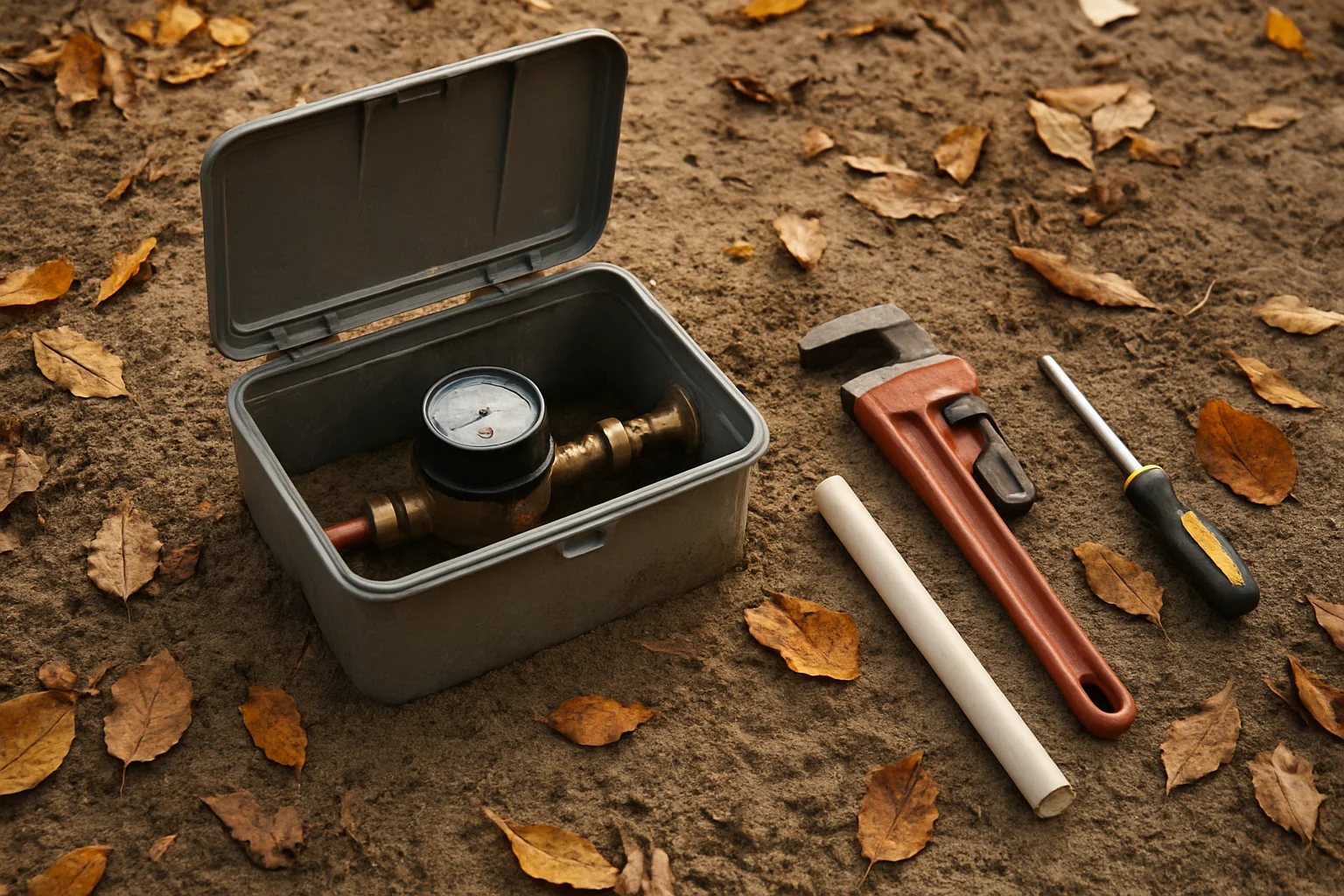
Why Water Line Care Matters in Northwest Florida
Water lines are easy to ignore when everything is working, but they play a major role in daily comfort, safety, and property protection. In Walton County and the surrounding Northwest Florida area, buried water lines face a mix of coastal weather, sandy soils, shifting ground, heavy rain, and occasional cold snaps. Those conditions can place stress on older lines, joints, valves, and service connections. When a water line begins to fail, the signs are not always dramatic at first. A small leak may show up as a slow pressure change, an unexplained spike in water use, or damp soil in one part of the yard. Over time, those subtle clues can develop into larger problems that disrupt the home and increase the risk of damage.
Preventive attention matters because a water line problem rarely stays isolated. Moisture can affect landscaping, hardscape, foundations, crawl spaces, and utility areas. Low pressure can make showers, appliances, and irrigation perform poorly. In coastal communities, soil conditions can also make leaks harder to spot because water moves quickly through sand and drains away before a puddle forms. For that reason, homeowners benefit from understanding the basic warning signs and from having a plan for seasonal checks. Professional assessment is especially important when a water line issue might be underground or connected to a main service line, since the repair process depends on accurately locating the source, identifying the pipe material, and understanding how the property’s plumbing system is arranged.
How Northwest Florida Weather Affects Buried Water Lines
Walton County homeowners deal with weather that can change quickly from season to season. Heavy rainfall can saturate the ground, shift soil, and wash away support around buried pipes. Dry periods can create different stresses by allowing the ground to contract, then expand again when rain returns. Even though Northwest Florida does not experience prolonged freezing conditions like colder parts of the country, occasional winter cold can still matter. A brief freeze may affect exposed piping, shallow lines, hose bibs, or vulnerable exterior components, especially when those areas were not protected before the temperature dropped. These changes do not always create an immediate failure, but repeated exposure adds wear over time.
Storm seasons can also influence water line health in indirect ways. High winds and saturated soil may contribute to ground movement near utility trenches, driveways, and landscaped areas. If a property has mature trees, roots can seek out moisture and crowd buried infrastructure. Along the coast or in areas with older construction, previous repairs and mixed pipe materials may also create weak points where corrosion, settlement, or joint fatigue is more likely. Professional plumbers evaluate these conditions as part of a full assessment rather than guessing at the cause from one visible symptom. That approach helps homeowners avoid repeat problems and ensures the repair plan fits the specific site conditions instead of applying a one-size-fits-all solution.
Common Signs a Water Line May Need Attention
A water line problem often starts with clues that are easy to miss if a homeowner is not looking for them. One common sign is a sudden or gradual drop in water pressure at fixtures throughout the home. If the issue affects multiple fixtures instead of just one faucet or shower, the concern may be broader than a local fixture problem. Another clue is a water meter that continues to move even when the home is not using water. That can indicate a leak somewhere in the system, including a buried service line. Unexplained wet spots, greener patches of grass, or soil that stays damp in one area can also point to a hidden leak outdoors.
Inside the home, homeowners may notice discolored water, intermittent sputtering, or sounds that suggest air or pressure changes in the line. These signs do not automatically confirm a water line break, because other plumbing issues can create similar symptoms. That is why it is helpful to treat them as indicators that call for professional evaluation. A plumber can test pressure, inspect visible piping, review the meter, and trace where the problem likely starts. If the source is underground, the next step may involve targeted location methods rather than broad digging. This type of assessment protects the property and helps prevent unnecessary disturbance to landscaping, driveways, or hardscaped areas while the true issue is being identified.
What Homeowners Can Observe Without Taking Risks
Homeowners do not need to perform repairs to be useful in the diagnostic process. Careful observation can make a service visit more efficient and can help a plumber focus on the right area. It is helpful to note when pressure changes began, whether the issue is constant or intermittent, and whether the concern appears indoors, outdoors, or both. If the water meter is visible and easy to access, homeowners can observe whether movement continues when all water is shut off in the home. A simple record of these observations can help a professional narrow the possibilities more quickly. Keeping track of recent weather, yard work, or construction activity can also be useful, especially if the problem began after soil disturbance or an unusual weather event.
What homeowners should avoid is equally important. Underground leaks, pressurized lines, and main service connections can create serious hazards when handled without the proper tools and training. It is not safe to start digging randomly near utility areas or to attempt makeshift fixes on buried piping. Even a small mistake can lead to greater damage, contamination risk, or service interruption. A professional assessment allows the plumber to inspect the plumbing system safely, confirm the source of the problem, and choose a repair method that matches the line material, location, and extent of damage. In many cases, the most helpful thing a homeowner can do is provide clear observations and then let the plumber evaluate the system in a controlled, professional way.
Why Professional Assessment Is the Right First Step
A water line issue is rarely solved well by guesswork. Professional assessment matters because the same symptom can come from several different causes. Low pressure may be due to a service line leak, a valve issue, internal corrosion, sediment, or another plumbing condition. Wet ground could result from irrigation, surface drainage, or a buried leak. A licensed plumber looks at the entire picture rather than focusing only on the most visible clue. That may include checking pressure, reviewing the system layout, examining fixtures, inspecting accessible piping, and determining whether the issue appears to be on the home side of the meter or farther out along the service connection.
A professional evaluation also protects the home from avoidable disruption. Once the source is narrowed down, the plumber can recommend a targeted repair strategy rather than disturbing large areas of the yard or interior finishes. This is especially valuable in Walton County, where homes may have landscaped lots, long service runs, or mixed conditions depending on age and construction type. A proper assessment can also identify whether the system needs localized repair, a section replacement, or attention to related components such as shutoff valves or connectors. The goal is not just to stop the immediate leak, but to support long-term reliability. That is why homeowners benefit from calling 850 Plumber, part of veteran-owned A Superior Mechanical, serving Bay, Walton and Okaloosa counties, FL, when they suspect a water line issue and want a clear, professional next step.
Seasonal Planning for Spring and Early Summer
Spring is a useful time for homeowners to review the plumbing system before the hotter months and stormier weather arrive. In Northwest Florida, spring often brings more outdoor activity, landscaping work, and irrigation use. That means buried and exterior water lines may experience more demand and more chances for disturbance. If a property has been quiet through winter, the season is a good time to check for changes in water pressure, inspect exposed plumbing, and look for areas where the ground has settled around utility access points. Even subtle changes can reveal a developing issue before summer puts extra strain on the system.
This is also a smart time to pay attention to water usage patterns. Increased use for gardening, car washing, and outdoor projects can make a hidden leak more noticeable, especially if the water bill seems higher without a clear explanation. If there are signs of trouble, a professional assessment in spring can be especially helpful because it gives homeowners time to address the issue before peak heat and storm season arrive. Planning ahead reduces the risk of emergency disruptions during the busiest part of the year. It also gives the plumber the chance to evaluate the condition of the service line, explain any vulnerable areas, and recommend maintenance steps that fit the property’s needs before summer weather adds more pressure to the system.
Preparing for Summer Heat, Irrigation Demand, and Storms
Summer in Walton County can bring long stretches of heat, frequent rain, and stronger storms. Each of these factors can influence water line performance. Higher outdoor water use for lawns, gardens, and general cleanup can make an existing problem more obvious. If the home relies on irrigation, it is easy to mistake an irrigation issue for a domestic water line problem or vice versa. A professional plumber can help determine whether pressure concerns are limited to one part of the property or whether they reflect a broader plumbing issue. That distinction matters because the repair approach may be different depending on where the leak or failure occurs.
Storm planning is also important. Heavy rain can obscure signs of a leak, while saturated soil can make an underground issue spread more quickly or become harder to locate. Homeowners should know where the main shutoff is and make sure it remains accessible, but they should not attempt invasive repairs during severe weather or in unsafe conditions. Instead, a seasonal plan should include monitoring pressure, watching for unusual meter activity, and having a trusted plumber ready if conditions change suddenly. When a problem is confirmed, professional repair can help restore reliable service while reducing the chance of secondary damage from moisture, soil movement, or continued pressure loss. That proactive approach is often easier and less disruptive than waiting for a line to fail completely during the most demanding part of the season.
Fall Maintenance and the Return of Cooler Weather
Fall is another good checkpoint for water line awareness. As outdoor temperatures begin to moderate and seasonal routines shift, homeowners often notice changes that were easy to overlook in summer. Irrigation schedules may be reduced, outdoor water use may decline, and pressure changes can become more noticeable when the system is not being used as heavily. If there was any hint of a leak during the warmer months, fall is a practical time to schedule a professional evaluation before winter brings cooler nights and holiday activity. The goal is to identify vulnerabilities while conditions are still favorable for assessment and repair planning.
This season is also useful for reviewing exposed or lightly protected plumbing around the exterior of the home. Hose connections, crawl space access points, and utility areas should be looked at by a professional if there is any concern about wear or exposure. Even in Northwest Florida, a brief cold period can affect vulnerable components if they are already compromised. A fall inspection gives homeowners time to address small problems before they become larger winter concerns. It can also reveal whether a prior repair is holding as expected or whether another section of the system is showing early signs of strain. By taking care of these checks in the fall, homeowners set up a smoother winter and reduce the likelihood of surprise interruptions when the home is being used more heavily indoors.
Winter Care in a Mild-Climate Region
Winter in Northwest Florida is usually milder than in many other parts of the country, but that does not mean water lines are immune to cold-related problems. Brief temperature drops can still affect exposed piping, outdoor spigots, uninsulated sections, and older components that already have wear. If a line is buried shallowly or an exterior fixture is vulnerable to wind exposure, a sudden cold spell can create a stress point. Homeowners should not assume that only northern climates need winter plumbing awareness. Even a short freeze can create enough trouble to expose an existing weakness in the system.
For that reason, winter is a season for vigilance rather than alarm. Homeowners can watch for slower flow, unusual sounds in the plumbing, or signs that an exterior area has developed a leak after a cold night. If a problem is suspected, a professional can assess whether the issue is limited to a fixture, a branch line, or a larger service connection. Repair decisions should be based on inspection and testing, not on assumptions about which part of the system froze or failed. The advantage of professional help is that the plumber can determine whether the concern is a temporary freeze-related symptom or a deeper issue that needs corrective work. That careful approach helps prevent repeated outages and protects the home from avoidable water damage during the colder months.
Understanding Repair Options Without Guesswork
Water line repair can involve several different approaches depending on the condition of the pipe, the location of the leak, and the overall state of the plumbing system. Some problems may be solved by repairing a specific section of line or replacing a damaged connection. Other situations may call for a larger section replacement if the pipe is deteriorated or if multiple weak points are present. The right choice depends on what the plumber finds during the assessment. Homeowners do not need to know which repair is best before the inspection, and in many cases they should not assume that the visible symptom tells the full story.
A professional plumber considers pipe material, age, access, soil conditions, and the likelihood of future trouble before recommending a path forward. The focus should always be on restoring reliable water service while minimizing unnecessary disruption. In some cases, the service line may be old enough that a small repair would not be the most practical long-term answer. In others, a targeted repair may be the best option. The important point is that the evaluation comes first. That allows the homeowner to make an informed decision based on facts rather than pressure, guesswork, or a one-size-fits-all assumption. Professional guidance also helps ensure that the repair aligns with current plumbing needs and the specific conditions of the property in Walton County.
How to Reduce Wear on Water Lines Over Time
Preventive care is not about eliminating every risk, but about reducing the chances of avoidable damage. One of the best habits is to watch for changes in water pressure, meter activity, and yard conditions. Another is to keep utility areas accessible so a plumber can inspect them easily when needed. Landscaping decisions can also matter. Deep root growth near buried infrastructure may increase the chance of intrusion or soil disturbance, while repeated heavy equipment traffic over the same area can create pressure on underground lines. Homeowners do not need to redesign the yard, but they should be aware that ground conditions above the line can affect what happens below it.
Routine plumbing maintenance also supports water line health indirectly. A home with well-maintained shutoff valves, properly functioning fixtures, and reasonable water pressure places less strain on the whole system. If a homeowner notices repeated minor issues, those should not be dismissed as normal wear. Small symptoms can be an early sign that a larger problem is developing. A professional can help determine whether the concern is isolated or part of a broader service-line issue. By combining observation, seasonal attention, and timely professional evaluation, homeowners can often avoid the stress of a sudden failure and keep the plumbing system performing more reliably throughout the year.
When to Call 850 Plumber in Walton County
It is a good time to call for professional help when a water pressure change does not have an obvious fixture-level cause, when the meter suggests water use even though no fixtures are operating, or when a wet area appears in the yard without a clear explanation. Homeowners should also seek evaluation if they hear unusual plumbing sounds, notice recurring damp spots, or suspect that a buried line may be affected after heavy rain or cold weather. These issues can be difficult to diagnose accurately without the right tools and experience. Acting early often makes the repair process simpler and can help limit property disruption.
850 Plumber, part of veteran-owned A Superior Mechanical, serves Bay, Walton and Okaloosa counties, FL, and can provide a professional assessment when a homeowner suspects a water line problem. The value of that visit is not just the repair itself, but the clarity it brings. A trained plumber can identify where the issue is likely happening, explain the options, and recommend a solution based on the actual condition of the system. For homeowners in Walton County, that means less guesswork and a better plan for handling both immediate repairs and seasonal prevention. If you need assistance, call 850-258-3225 to discuss a water line concern and schedule the next step with a professional.
Explore related plumbing care
- Water Line Repair in Walton County, FL
- Water Heater Repair in Bay, Walton and Okaloosa Counties, FL
- Water Line Replacement in Bay, Walton & Okaloosa Counties, FL
- Water Line Services in Bay, Walton and Okaloosa Counties, FL
- Clean Water Services in Bay, Walton and Okaloosa Counties, FL
- Leak Detection & Slab Leak Repair in Bay, Walton & Okaloosa Counties, FL | 850 Plumber
Continue reading
- Water Line Care for Northwest Florida Homes: Preventive Planning for Bay, Walton, and Okaloosa Counties
- Water Line Replacement in Northwest Florida: Seasonal Planning and Preventive Care for Homeowners
- Whole Home Water Purification for Northwest Florida Homes: Preventive Care and Seasonal Planning
Talk with the 850 Plumber team for help with your home or business.