
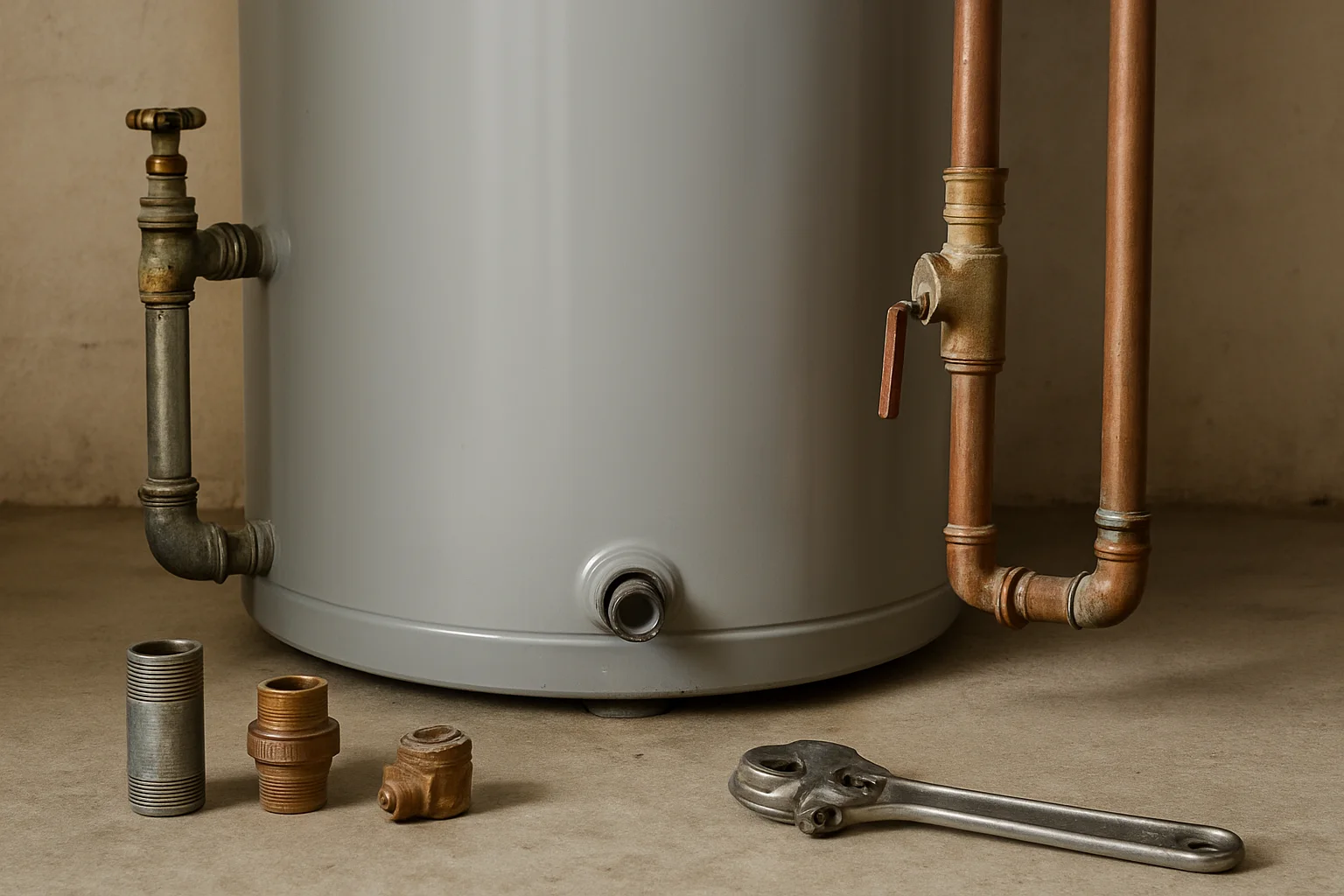
Why water heater decisions matter in Northwest Florida
In Bay, Walton, and Okaloosa counties, a water heater is one of those appliances you rarely think about until the hot water changes temperature, pressure, or timing. The region’s coastal humidity, mineral content in water supplies, seasonal occupancy patterns, and demand swings between warm and cool months can all influence how a system ages. Homeowners often notice problems first as small annoyances: water not staying hot long enough, longer waits at fixtures, or unusual noises from the tank. Those early signs matter because they can point to wear that is still manageable, or to a larger failure that may justify replacement.
The repair-versus-replacement decision is not simply about restoring hot water today. It is also about reliability, safety, efficiency, and the condition of connected plumbing components. A professional assessment can identify whether the issue is isolated, such as a failed heating element, a thermostat issue, a faulty valve, or sediment buildup, or whether the tank itself has reached the end of its serviceable life. For homeowners in Northwest Florida, making the right decision can reduce disruption, avoid water damage, and help align the equipment with the home’s actual hot-water needs.
850 Plumber, part of veteran-owned A Superior Mechanical, serves homeowners across the region with water heater services designed to support informed decisions rather than quick guesses. If you need help evaluating a system, you can contact them at 850-258-3225. The goal is to determine what is practical, what is safe, and what makes the most sense for the long term in your particular home.
How a water heater works and why age alone does not tell the whole story
A traditional storage water heater and a tankless unit handle hot water differently, but both depend on a combination of heating, controls, plumbing connections, and safety components. In a tank system, water is stored and heated so it is available when you need it. In a tankless system, water is heated on demand as it passes through the unit. Either way, the heater must respond to household demand, incoming water conditions, and the condition of its internal parts. When one part begins to fail, the symptoms may show up gradually or all at once.
Age is an important factor, but it is only one factor. A relatively newer unit can develop a repairable problem due to a defective component, installation issue, or unusual usage pattern. On the other hand, an older unit may still produce hot water yet become less dependable, less efficient, or more vulnerable to leaks. Professional assessment looks at the overall system, not just the calendar. That includes the tank condition, corrosion signs, temperature stability, venting where applicable, shutoff valves, pressure relief components, and how the heater integrates with the rest of the plumbing system.
For homeowners, the practical question is whether a repair is likely to restore normal operation for a reasonable period or whether the heater is already showing the type of wear that tends to lead to repeat service. The answer depends on diagnostics, not assumptions. That is why an on-site evaluation is more useful than trying to infer the condition from one symptom alone.
Common warning signs that deserve a professional look
Certain warning signs suggest a water heater should be inspected soon rather than later. These include water that runs out too quickly, hot water that is lukewarm or fluctuates, rumbling or popping noises, rusty or discolored water, moisture around the base, a metallic smell, or visible corrosion on fittings and the tank exterior. In some homes, the issue may present as low hot-water pressure at a single fixture, but persistent symptoms across multiple fixtures often point back to the heater or the piping connected to it. None of these signs should be ignored for long.
It is especially important to pay attention to leaks, pressure-related concerns, or any condition that suggests the unit is not safely managing water and heat. Even small leaks can cause damage over time, and deterioration around the tank often means the problem has been developing. Noise can be another clue. Sediment buildup may cause the tank to work harder, and that extra strain can shorten component life. If you notice a change in how long hot water lasts, that may mean the heater is no longer matching household demand, or the heating components are no longer performing well.
A professional assessment can separate symptoms that are caused by the water heater from those caused by other plumbing issues. For example, discolored water may come from corrosion in the heater, but it can also involve aging pipes or fixture-specific problems. The value of service is not just fixing the symptom; it is tracing it to its source so the next step is based on evidence.
When repair is often the better first step
Repair is usually worth considering when the water heater is otherwise in decent shape and the issue appears limited to a part or setting that can be corrected. Examples may include a failed thermostat, a damaged heating element on an electric unit, a malfunctioning valve, minor control issues on a tankless system, or a problem with pilot or ignition components where applicable. If the tank itself is structurally sound and there is no evidence of significant corrosion or leakage, a repair may restore performance without requiring full replacement. The key is whether the component failure is isolated.
A repair recommendation often makes sense when the unit is still within a reasonable service life and the cost of restoring it is proportionate to the expected benefit. However, homeowners should not treat a repair as a guarantee of long future life. A good assessment will consider whether the heater has already had repeated issues, whether sediment has caused strain, or whether the appliance is nearing the point where another breakdown would be likely. In other words, repair can be the smart option when it truly solves the problem rather than postponing an inevitable replacement by a short time.
Professional service also matters because water heater systems involve safety controls and plumbing connections that should be checked together. A proper repair visit should not simply swap a part and leave. It should also confirm that the unit is operating safely, that temperature settings are appropriate, that there are no leak risks, and that the surrounding plumbing is in acceptable condition.
When replacement becomes the more practical choice
Replacement is often the better option when the heater shows signs of age-related deterioration, repeated service needs, or a major problem involving the tank or core heating system. Once a tank begins to corrode internally or leak from the vessel itself, repairs are generally limited because the structural problem cannot be reversed. A heater that keeps failing in different ways may also be signaling that the homeowner is spending money on short-term fixes without getting dependable performance in return. In that case, replacement can be the more practical and less stressful path.
Another reason replacement may make sense is efficiency. A unit that still works but struggles to provide consistent hot water, or one that requires frequent attention, may not be giving the homeowner the best value. This is especially true if the home’s needs have changed. Families grow, schedules shift, and usage patterns evolve. A system sized for an earlier household situation may no longer match demand. Replacement gives the homeowner a chance to align the new water heater with current usage, available space, and preferred fuel type or system style, subject to what is feasible in the home.
It is important not to make a replacement decision based on fear alone. Instead, the decision should rest on visible condition, operational performance, repair history, and a professional evaluation of whether the existing unit can reasonably be relied on. The goal is to avoid both unnecessary replacement and repeated repair cycles that do not improve the situation for long.
What a professional assessment should examine
A thorough water heater assessment goes beyond checking whether hot water is present. A qualified technician should inspect the tank or unit condition, verify the age and model information available, review operating symptoms, and test the relevant components. That may include thermostatic controls, heating elements, burners or ignition components where applicable, venting or exhaust pathways for certain systems, supply lines, shutoff valves, drain connections, and the temperature and pressure relief system. The evaluation should also look for signs of corrosion, leakage, sediment accumulation, and improper installation or maintenance history.
The surrounding plumbing matters too. A water heater can sometimes be blamed for problems that are actually caused by pressure irregularities, sediment in the lines, valve issues, or a fixture problem somewhere else in the house. Professional assessment helps determine whether the issue is isolated to the heater or connected to a broader plumbing concern. In coastal and humid environments, technicians may also pay closer attention to corrosion on exposed fittings and supports, since environmental conditions can influence how quickly visible wear appears.
Homeowners benefit when the assessment includes clear explanations rather than vague conclusions. A good service visit should leave you understanding what failed, what is still in good condition, what repair options exist, and why replacement may or may not be advisable. That kind of clarity supports better budgeting and reduces the odds of making a rushed decision after the next hot-water interruption.
How Northwest Florida conditions can affect water heaters
Northwest Florida homes face conditions that can influence water heater performance in subtle but meaningful ways. High humidity can contribute to corrosion on exposed metal parts and surrounding connections. Coastal air can intensify wear in some areas, especially where equipment is located in garages, utility closets, or other spaces that are not tightly controlled. Water quality can also play a role. Mineral buildup and sediment accumulation can make a heater less efficient, create noise, and place additional strain on the system over time.
Seasonal household patterns matter too. Some homes in the region are occupied full-time, while others see periodic use or increased demand during gatherings, holidays, and vacation periods. When demand changes quickly, homeowners may become more aware of performance limitations that were easy to overlook before. A system that seemed adequate during lower-use periods may struggle during heavy use, leading to complaints that it is “running out” of hot water faster than expected. That does not always mean the heater is failing, but it does mean the system should be evaluated against real household needs.
Because local conditions vary from one property to another, there is no one-size-fits-all answer. A professional who serves Bay, Walton, and Okaloosa counties can consider the location of the unit, the condition of the home’s plumbing, and how environmental exposure may have influenced the equipment. This localized perspective helps avoid recommendations that are technically correct in general but not well matched to the home in question.
Repair cost versus replacement value: what homeowners should compare
When evaluating repair versus replacement, homeowners should think in terms of value, not just the immediate bill. A lower-cost repair can be a wise choice if the unit is otherwise sound and the fix is likely to hold. But if the same heater has needed multiple visits, or if the repair addresses only one of several growing problems, then the short-term savings may not translate into long-term value. The key question is how much useful life remains after the repair and whether the system will continue to meet the household’s needs.
Replacement can be more attractive when a home is already dealing with frequent hot-water interruptions, visible tank deterioration, or a growing list of small problems. Even without using specific cost estimates, homeowners can compare the expected benefit of each path: one repair may restore operation now, while a new unit may provide a more stable starting point and reduce uncertainty. This comparison becomes especially important in busy households where loss of hot water creates daily inconvenience. In such cases, the cost of repeated disruption can matter almost as much as the service itself.
A professional assessment should help frame the decision in practical terms. Instead of simply labeling a unit “old,” the technician should explain whether the remaining components are likely to continue performing, whether another breakdown is probable, and whether a repair is worth making given the unit’s overall condition. That kind of guidance helps homeowners choose based on function and reliability rather than guesswork.
The role of maintenance in preventing premature replacement
Routine maintenance can extend the useful life of a water heater and improve the odds that a repair, when needed, will be straightforward. Sediment flushing where appropriate, inspection of valves and connections, checking for corrosion, and confirming that the unit is operating within normal temperature ranges can all help reduce stress on the system. A water heater that receives periodic attention is more likely to show early signs of trouble before those signs become a major failure. In that sense, maintenance supports both repair and replacement decisions by revealing the unit’s real condition earlier.
Maintenance is also important because it helps homeowners distinguish normal wear from unusual problems. A unit that has been maintained may still need replacement someday, but the cause and timing are easier to understand. Conversely, a neglected heater may deteriorate faster and create symptoms that seem sudden but are actually the result of years of buildup or unnoticed wear. If a professional identifies sediment or corrosion during an inspection, that information can explain why the heater is underperforming and whether the issue is still manageable.
For households in Bay, Walton, and Okaloosa counties, preventive care is especially useful because environmental conditions can accelerate visible wear. The point is not to treat maintenance as a promise that a heater will never fail. It is to reduce avoidable strain, improve diagnostic clarity, and support better decisions when service is needed.
Safety concerns that should never be overlooked
Water heater issues are not only about comfort. They can also involve safety. Pressure, temperature, venting, combustion, and electrical components all need to function properly for the system to operate as intended. If a homeowner notices signs of active leaking, scorched or damaged surroundings, unusual odors, persistent corrosion, or other conditions that suggest the appliance is not operating normally, the safest choice is to have it professionally evaluated rather than continuing to monitor it casually. Some problems are small at first but can worsen quickly if ignored.
It is especially important not to treat a water heater as a purely mechanical convenience item. The unit is part of a larger plumbing and, in some cases, fuel or electrical system. That means a diagnosis should consider more than whether hot water comes out of the faucet. A technician should verify that the heater is functioning in a way that is consistent with safe operation, and that no related components are compromised. If the condition of the unit suggests a meaningful risk, replacement may be recommended not simply because the appliance is old, but because continued use would be unwise.
Homeowners should also be cautious about assuming that a repeated reset, temporary workaround, or brief return of hot water means the problem is solved. Intermittent symptoms can hide underlying issues that need inspection. In safety-related situations, a professional assessment gives you a clearer picture of whether the system can remain in service or should be taken out of use and replaced.
Planning ahead so you are not forced into a rushed decision
Water heater decisions are easier when they are made before a complete failure. Waiting until there is no hot water at all can push homeowners into urgent choices with less time to compare options or understand the condition of the existing system. A more deliberate approach is to schedule service as soon as persistent symptoms appear. That gives the technician time to evaluate the unit, explain findings, and recommend either a repair or a planned replacement without the pressure of an emergency.
Planning ahead also means thinking about the home’s current and future needs. If your household use has changed, if the existing unit is struggling to keep up, or if you have already had multiple service calls, those are signs that a conversation about replacement may be worthwhile even if the heater is still running. The earlier you evaluate the situation, the easier it is to coordinate work, minimize downtime, and avoid secondary issues such as water damage from a sudden leak. Proactive attention can also help homeowners decide whether to keep the same style of system or consider a different setup that better matches usage patterns.
A professional can help turn a confusing situation into a practical plan. That plan may include immediate repair, monitoring, or replacement after a careful review. What matters is that the decision is based on the condition of the equipment and the needs of the home, not on panic after a failure has already disrupted daily life.
How 850 Plumber supports homeowners across Bay, Walton, and Okaloosa counties
Homeowners in Bay, Walton, and Okaloosa counties need water heater service that is responsive, informative, and grounded in local experience. 850 Plumber, part of veteran-owned A Superior Mechanical, serves the region with an approach focused on assessment and practical recommendations. For homeowners facing hot-water problems, that means getting help identifying whether the current system can reasonably be repaired or whether replacement is the more dependable path. The value of service is not just in restoring hot water, but in helping you understand why the problem happened and what is likely to happen next.
Because every home is different, the best service starts with listening to the symptoms and inspecting the system carefully. A professional evaluation should account for the heater type, the visible condition of the unit, connected plumbing, and the specific signs you have noticed. That individualized approach helps ensure the recommendation fits the home rather than forcing the home into a generic solution. Whether the right answer is a targeted repair or a new installation, clarity is the priority.
If your water heater is showing warning signs or you are unsure whether a repair still makes sense, contact 850 Plumber at 850-258-3225. A thoughtful assessment can help you make a stable, informed choice that protects comfort, limits surprises, and supports the long-term function of your plumbing system.
A homeowner checklist for deciding between repair and replacement
When a water heater begins acting up, a simple checklist can help you organize the decision before service begins. Ask yourself whether the problem is isolated or recurring, whether the tank or unit shows visible corrosion or leakage, whether hot water is still reliable enough for daily use, and whether the heater has already needed several repairs. Also consider whether the system is keeping pace with your household’s needs and whether recent changes in usage have made the problem more noticeable. These observations do not replace a professional diagnosis, but they can help you describe the issue clearly and understand the recommendation you receive.
A strong evaluation should answer several questions: Is the problem repairable? Is the unit structurally sound? Are there signs that replacement would be the safer or more practical option? What other plumbing components should be checked at the same time? The more precise the assessment, the easier it is to choose a path that makes sense for your home. Sometimes the right answer is to repair and monitor. Sometimes it is to replace before the next failure causes more disruption.
The main goal is to move from uncertainty to a workable plan. For Northwest Florida homeowners, that means using professional guidance to balance reliability, safety, and overall value. By paying attention to warning signs and requesting an informed assessment, you can make a decision that supports comfort now and reduces avoidable headaches later.
Explore related plumbing care
- Water Heater Repair in Bay, Walton and Okaloosa Counties, FL
- Water Heater Replacement in Santa Rosa Beach, FL | 850 Plumber
- Tankless Water Heater Services in Northwest Florida | 850 Plumber
- Toilet Repair and Replacement in Bay, Walton and Okaloosa Counties, FL | 850 Plumber
- Water Heater Installation in Freeport, FL
- Water Heater Maintenance in Santa Rosa Beach, FL
Continue reading
- Water Heater Repair vs. Replacement for Santa Rosa Beach Homeowners
- Water Heater Repair vs. Replacement for Northwest Florida Homeowners
- Water Heater Maintenance in Santa Rosa Beach, FL: How Homeowners Can Weigh Repair Versus Replacement
Talk with the 850 Plumber team for help with your home or business.