
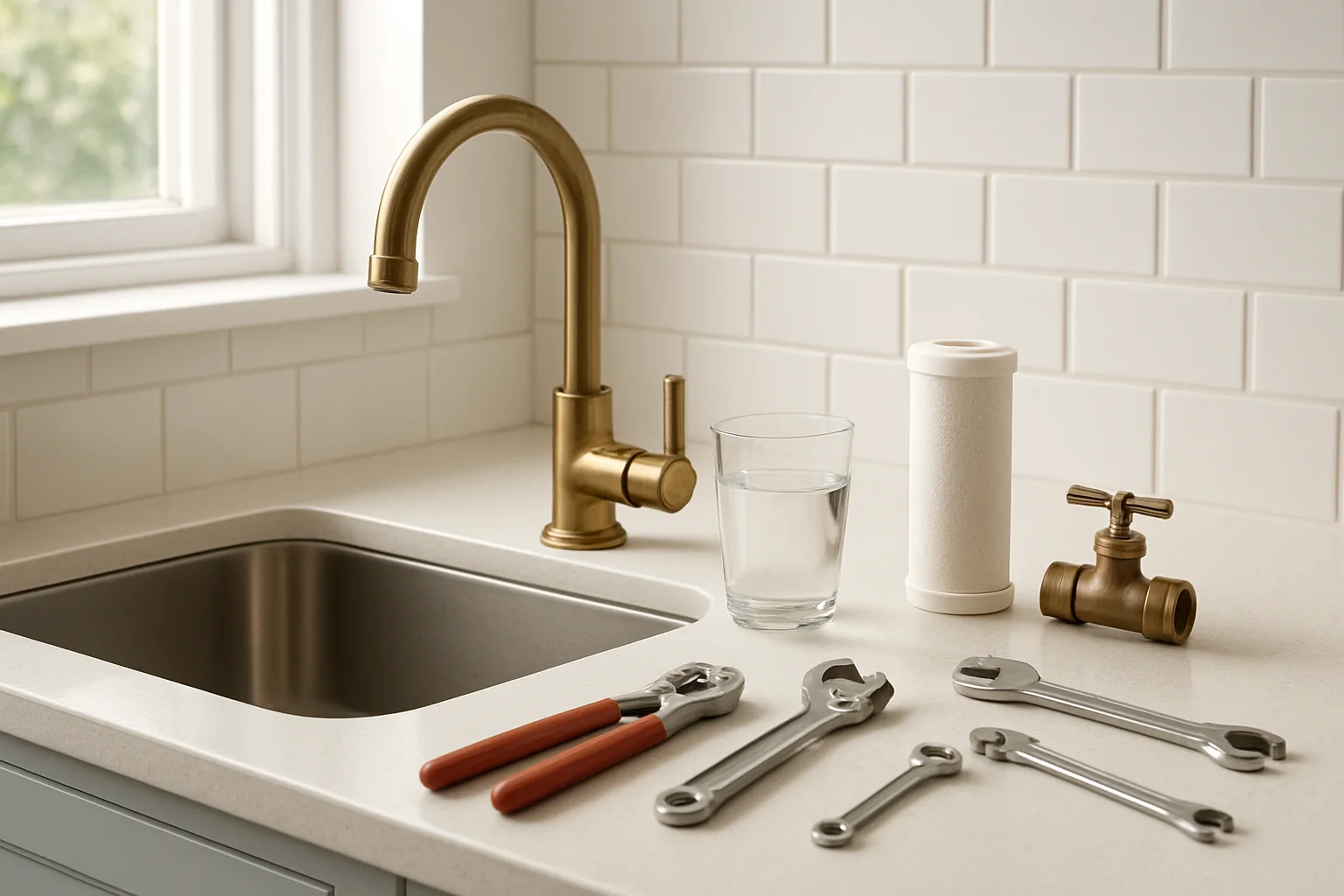
Why clean water matters in Northwest Florida homes
Clean water is one of those home systems people rarely think about until something changes in taste, pressure, appearance, or reliability. In Bay, Walton, and Okaloosa counties, homeowners deal with a mix of municipal water, private wells in some areas, long plumbing runs in coastal and rural settings, and a climate that puts year-round stress on piping and fixtures. Clean water services are not just about fixing a problem after it starts. They are about understanding how your home’s supply, filtration, pressure, and plumbing condition work together so water stays usable, consistent, and comfortable for everyday life.
For homeowners, the most practical approach is preventive. That means paying attention to early signs such as sediment, discoloration, chlorine odor, scale on fixtures, sudden changes in flow, or recurring appliance issues. It also means planning ahead for seasonal shifts that affect water use and plumbing demand. A professional plumber can assess the water path from the point it enters the home through fixtures and appliances, then recommend maintenance or improvements based on your property’s needs. Clean water care is best treated as a whole-home service rather than a single quick fix.
How local conditions shape water quality and plumbing performance
Northwest Florida presents a combination of coastal humidity, heavy summer rainfall, storm season, and temperature swings that influence plumbing systems in different ways. Even when the water delivered to a home meets public standards, the condition of the plumbing inside the home can change how water looks, smells, and performs at the tap. Older galvanized piping, worn fixtures, corroded valves, buildup inside water heaters, and mineral accumulation in aerators or showerheads can all create the impression of a water-quality issue when the source is actually the home’s plumbing system.
In more rural or semi-rural parts of the region, some homes rely on private wells or mixed water setups that require closer attention to filtration, pressure balance, and seasonal protection. Coastal exposure can also increase wear on exposed components. A professional assessment helps distinguish between water supply concerns and house-side problems. That distinction matters because the right solution for cloudy water, low flow, or sediment may range from simple fixture cleaning to filtration service, pipe evaluation, or water heater maintenance. Effective clean water service starts with identifying where the issue begins, not just where it shows up.
Common signs homeowners should not ignore
Many water concerns begin subtly. A homeowner may notice a metallic taste, a chlorine smell that seems stronger than usual, tiny particles in a glass, white scale around faucets, laundry that looks dull, or a showerhead that clogs more often than expected. None of these signs automatically mean there is a serious emergency, but each one is useful information. They can point to mineral content, aging plumbing, water heater sediment, pressure fluctuations, or a filter that needs service. The key is not to assume the problem is minor just because it has been gradual.
Other signs are less visible but equally important. Hot water that runs out sooner than it used to, intermittent low pressure at specific fixtures, noisy pipes, or frequent appliance strain can all suggest a need for review. If several fixtures in the home behave differently at the same time, that often indicates a system-wide issue rather than a single fixture problem. Professional evaluation helps determine whether the issue is related to water quality, distribution, or equipment condition. Homeowners benefit from a clear diagnosis because it prevents unnecessary replacement and focuses attention on the real cause of the change.
What a professional clean water assessment includes
A proper water assessment is more than a quick glance at a faucet. A licensed plumbing professional will typically consider the visible symptoms, the age and material of the plumbing system, water heater condition, pressure patterns, fixture performance, and any filtration or treatment equipment already installed. In some cases, the evaluation may include checking for sediment capture points, examining supply lines, and identifying corrosion or buildup that affects water clarity and flow. The goal is to understand the full picture of how water moves through the home.
Professional assessment is especially valuable because homeowners often see the symptom, not the source. For example, cloudy water might be caused by trapped air, rust particles from aging pipes, sediment stirred by a maintenance event, or buildup in a water heater. A professional can separate temporary changes from persistent concerns and recommend the appropriate next step. That may involve cleaning, repair, replacement of worn components, or improving filtration and maintenance routines. The advantage is confidence: instead of guessing, homeowners get a practical plan tailored to the home’s plumbing and water conditions.
Preventive care for the home’s water path
Preventive care works best when it is routine rather than reactive. Homeowners can think of the water path as everything from the service line or well connection through the plumbing network to the faucets, showerheads, appliances, and water heater. Each part can influence water quality and performance. Routine inspections help catch slow-developing issues such as scale, minor leaks, pressure changes, and worn components before they become more disruptive. Preventive service also supports efficiency because clean, well-maintained plumbing tends to operate more consistently.
A strong prevention plan may include periodic faucet and showerhead checks, inspection of shutoff valves, review of visible supply lines, and maintenance for filtration or softening systems if installed. Water heater service is another important piece, since sediment can affect both water quality and equipment performance. Preventive care does not have to be complicated. The most useful habit is to notice changes early and schedule professional attention before small concerns affect multiple fixtures. For homeowners in Bay, Walton, and Okaloosa counties, that approach fits the realities of coastal weather, seasonal usage, and the long life of a home’s plumbing infrastructure.
Seasonal planning for spring and early summer
Spring is a practical time to review clean water systems because it comes before the heaviest use of the year. As temperatures rise, families often use more water for showers, laundry, cooking, gardening, and outdoor cleaning. That increase can reveal pressure problems, partial blockages, or filtration systems that have not been serviced recently. Spring is also a smart time to inspect outdoor hose bibs, exposed lines, and any equipment that may have been stressed during cooler weather. Catching issues before the hottest months helps reduce inconvenience later.
For many homeowners, spring planning also means preparing for summer storms and greater humidity. If your home uses a water treatment unit or filtration system, this is a good time to confirm that it is functioning as intended and that maintenance is up to date. A professional can review whether your current setup still matches your household’s demand and water conditions. Preventive assessment in spring helps ensure the system is ready for summer’s heavier use, making it easier to maintain clean, reliable water throughout the season without last-minute surprises.
Summer water demands and what to watch for
Summer in Northwest Florida can bring a noticeable increase in water use. More showers, more laundry, more cooking at home, outdoor entertaining, and irrigation can place extra demand on the plumbing system. Higher demand does not automatically create a problem, but it can make existing issues more visible. A fixture that was only slightly slow in spring may become more noticeable in summer, and a water heater or filtration system that was adequate for lighter use may need attention when the household’s routine changes.
Heat and humidity can also make minor issues feel more urgent. A small leak or hidden moisture problem is more likely to affect surrounding materials during summer. If water smells different, looks cloudy after high use, or pressure changes across multiple fixtures, that is a good time to have the system reviewed. Professional assessment can help identify whether the home simply needs maintenance or whether a component is becoming less reliable under heavier seasonal use. Summer is often the season when preventive planning pays off most clearly, because the home is working harder and there is less room for inconvenience.
Storm season readiness for water quality and plumbing
Storm season is an important planning period for homeowners in Bay, Walton, and Okaloosa counties. Heavy rain, wind, and power disruptions can all affect water systems, even if no visible damage occurs. For homes on private wells or systems with pumps, power interruptions can change water availability and performance. For homes on municipal service, storm conditions may still create temporary changes in pressure, water clarity, or the condition of exposed plumbing components. Planning ahead helps reduce stress when weather becomes unpredictable.
A clean water plan for storm season should focus on awareness and inspection rather than emergency improvisation. Homeowners should know where shutoff valves are located, keep an eye on any exposed exterior plumbing, and schedule professional review if they notice changes after a major weather event. If water becomes discolored, has an unusual smell, or pressure is inconsistent after severe weather, it is wise to have the home evaluated before assuming the issue will resolve on its own. Professional assessment can determine whether the concern is temporary or whether storm-related stress has affected pipes, valves, or treatment equipment.
Fall maintenance and preparing for cooler weather
Fall is a useful season for water planning because it offers a natural pause after summer demand and before cooler weather settles in. This is an ideal time to inspect plumbing components that saw heavy seasonal use, including water heaters, supply lines, and filtration equipment. It is also a good time to review whether any sediment, scale, or flow changes developed over the summer. Addressing these concerns in fall helps the home enter the cooler months in better shape, when people often expect more consistent indoor comfort and reliable hot water.
For homeowners, fall maintenance can also include checking under sinks, around water heaters, and near laundry areas for signs of moisture or corrosion. These areas often reveal small issues before they spread. A professional can evaluate whether your home’s water system needs cleaning, repair, or adjustment after a busy season. Fall is especially valuable for preventive care because it allows time for planned work rather than urgent repairs. Homeowners who use this season for inspection and service often find the transition into winter smoother and less disruptive.
Winter use, holiday gatherings, and hot water reliability
Winter in Northwest Florida is usually milder than in many other parts of the country, but homes still experience seasonal changes in use. Holiday gatherings, more indoor cooking, additional laundry, and guests staying over can all increase water demand. Hot water reliability becomes especially important during this season because the home may be asked to perform more consistently than usual. If a water heater is already showing signs of sediment buildup or reduced efficiency, winter can make those issues more noticeable.
This is also a good season to notice whether water pressure changes when multiple fixtures are in use at once. If showers, sinks, and appliances all compete for water, hidden restrictions or aging components may be part of the problem. A professional assessment can determine whether the home needs maintenance before peak use becomes uncomfortable. Winter planning is not just about avoiding inconvenience; it is about making sure the home’s water system remains stable, sanitary, and practical for everyday living when indoor activity increases.
Filtration, softening, and other treatment options explained
Water treatment options can be helpful, but they should be selected based on the home’s actual needs rather than a general assumption that every house needs the same solution. Depending on the property, a homeowner may benefit from sediment filtration, carbon filtration, softening equipment, or another form of treatment that addresses specific concerns. The right choice depends on the water source, plumbing condition, household usage, and the type of issue being experienced. A system that helps one home may be unnecessary or ineffective in another.
Professional guidance matters here because treatment equipment should solve a defined problem. If the concern is taste or odor, the approach may differ from a concern about scale, particles, or appliance protection. A plumber can help assess whether the issue is really in the incoming water or whether the home’s own pipes are contributing. That evaluation prevents unnecessary equipment and helps ensure the solution fits the home. Clean water services are most effective when treatment is matched to the actual condition of the plumbing and water supply, not installed as a guess.
Appliances, fixtures, and how water quality affects them
Water quality does not only affect what comes out of the tap. It also influences the performance and lifespan of appliances and fixtures throughout the home. Dishwashers, washing machines, water heaters, shower valves, faucet aerators, and refrigerator water lines can all be affected by sediment, scale, corrosion, or pressure issues. Over time, these conditions can reduce efficiency, create recurring maintenance needs, and make the home feel less reliable even when the plumbing appears to be working normally.
This is one reason preventive water care is so valuable. A fixture that clogs repeatedly may be signaling a larger issue, and an appliance that performs poorly may be reacting to water conditions rather than failing on its own. Professional evaluation can identify whether the home would benefit from cleaning, component replacement, or a treatment adjustment. By addressing the root cause, homeowners can often reduce wear on everyday equipment. Clean water services are therefore part of whole-home care, not just a response to one isolated symptom at one faucet.
Why homeowners benefit from regular professional review
Regular professional review gives homeowners a clearer picture of how their water system is aging and where preventive action will matter most. Plumbing systems do not fail all at once. They usually change gradually through sediment buildup, corrosion, pressure shifts, and wear on parts that are hidden behind walls or under sinks. Scheduled review helps catch those changes while they are still manageable. That is especially important in a region where seasonal weather and usage patterns can reveal problems at different times of year.
For Bay, Walton, and Okaloosa county homeowners, regular assessment is a practical way to reduce stress and make better decisions. Instead of waiting for a major issue, homeowners can respond to early warning signs and maintain the system with more confidence. 850 Plumber, part of veteran-owned A Superior Mechanical, serves this region and can help with professional clean water assessments, preventive maintenance, and seasonal planning that fit the needs of Northwest Florida homes. If you notice changes in water clarity, taste, pressure, or reliability, a professional review is the safest and most effective next step. Call 850-258-3225 to discuss your home’s water concerns and what kind of evaluation may be appropriate.
Explore related plumbing care
- Clean Water Services in Bay, Walton and Okaloosa Counties, FL
- Water Heater Maintenance in Santa Rosa Beach, FL
- Drain Cleaning & Maintenance in Bay, Walton and Okaloosa Counties, FL
- Plumbing Fixture Installation & Maintenance in Bay, Walton and Okaloosa Counties, FL
- Plumbing Maintenance in Bay, Walton and Okaloosa Counties, FL
- Sewer Repair & Maintenance in Bay, Walton and Okaloosa Counties, FL
Continue reading
- Water Leak Repairs in Northwest Florida: Seasonal Prevention and Homeowner Planning for Bay, Walton, and Okaloosa Counties
- Water Filtration Planning for Northwest Florida Homes: Seasonal Prevention Tips for Bay, Walton, and Okaloosa Counties
- Tankless Water Heater Care for Northwest Florida Homes: Seasonal Planning and Preventive Maintenance
Talk with the 850 Plumber team for help with your home or business.