
Why drain clogs are common in Northwest Florida homes
Drains in Northwest Florida work hard year-round, and local conditions can make them more prone to trouble than many homeowners expect. In Bay, Walton, and Okaloosa counties, homes often deal with a mix of coastal humidity, sandy soil, seasonal storms, older plumbing systems, and heavy everyday use. Kitchen sinks see grease and food residue, bathrooms collect hair and soap, and laundry drains handle lint and detergents. Even when a home seems to be functioning normally, buildup can start inside the pipes long before a full blockage appears.
What makes drain problems especially frustrating is that they often develop gradually. A sink may empty a little slower each month, a shower may hold water around your ankles, or a toilet may start gurgling after nearby fixtures are used. Those changes can seem minor at first, but they are often early warnings that debris, scale, or a developing obstruction is narrowing the pipe. In coastal Florida homes, moisture and mineral content can also contribute to internal residue that changes how drains flow over time. Understanding the common causes is the first step toward preventing a small issue from becoming a messy backup.
How to recognize a drain that needs attention
One of the most useful homeowner skills is noticing changes in how fixtures behave. A healthy drain usually clears water quickly and quietly. When a drain begins to require extra time, produce repeated gurgling, or leave standing water behind, it is signaling that flow is restricted somewhere in the system. These signs may show up in one fixture or across several fixtures, and the pattern matters. A single slow sink may point to a localized clog, while multiple slow drains can indicate a deeper line issue or a problem in a shared branch of the plumbing system.
Odors can also provide a clue. Persistent sewer-like smells, musty drain odors, or a sour kitchen sink smell may mean material is trapped inside the line and decomposing. Homeowners sometimes notice that odors are stronger after rain, after heavy water use, or in unused guest bathrooms. That does not automatically mean there is a major failure, but it does mean the plumbing system should be assessed. Because odor problems can come from several sources, a professional inspection is valuable in confirming whether the issue is in the drain, venting, trap, or sewer connection rather than assuming it is only a surface-level clog.
What different warning signs can mean
Clogs do not all behave the same way, and their symptoms can reveal where the problem may be. If water backs up in one sink but nowhere else, the obstruction may be close to that fixture. If a toilet bubbles when a shower runs, or if a washing machine discharge makes a nearby sink surge, that can suggest a shared drain line restriction. When several fixtures slow down at once, the issue may be farther downstream, where a larger section of pipe is partially blocked or buildup has accumulated in a main line. These patterns help a plumber narrow the possibilities before opening walls or using specialized equipment.
Other signs can be less obvious but still important. A fixture that makes a slurping sound after draining may be dealing with venting problems or a partial obstruction. Water stains around drain connections, intermittent backups, or a fixture that only clogs during high-use periods can point to a problem that is progressing rather than stable. In Northwest Florida homes, homeowners should also pay attention after heavy rain or storm events, since extra groundwater and shifting conditions can sometimes affect the behavior of older drain and sewer lines. The key is not to guess blindly, but to note what happens, when it happens, and which fixtures are involved so the professional diagnosis can be faster and more accurate.
Kitchen drains: grease, food residue, and hidden buildup
Kitchen sinks are among the most common places for clogs to develop because they collect a wide range of substances. Even careful homeowners may rinse small food particles, cooking residue, or dish soap through the drain every day. Over time, grease can cool and cling to pipe walls, and bits of food can stick to that residue. The result is a narrowing passage that still works for a while but becomes increasingly susceptible to complete blockage. In many homes, the first sign is simply that the sink drains a little slower after washing dishes or that water swirls more than it used to before disappearing.
A professional evaluation of a kitchen drain focuses on both the visible sink components and the condition farther inside the line. That matters because the visible drain opening may not be where the true restriction is forming. A plumber may assess how the trap, branch line, and venting behave together and determine whether the problem is from organic buildup, grease accumulation, or a larger pipe condition. This is especially helpful when a sink problem keeps returning after temporary clearing attempts. A recurring kitchen clog can suggest that the underlying buildup was never fully removed, so the drainage path continues to narrow until service is needed again.
Bathroom drains: hair, soap, and repeated slowdowns
Bathroom drains often fail in a different way than kitchen lines. Hair is a major contributor, especially when combined with soap scum and personal care products. In showers and tubs, that combination can create a dense mat that catches more debris as water passes through. Bathroom sink drains can develop a similar problem, though the buildup is often finer and more gradual. A homeowner may notice that the fixture still drains, but it takes longer than it used to, or that a small pool remains around the drain opening before disappearing.
Repeated bathroom drain slowdowns are worth professional attention because they can indicate more than a simple surface obstruction. If multiple bathroom fixtures are affected, the issue may be in a shared branch line or tied to venting that is not allowing water to move properly. If a toilet is involved, the concern can be more significant because toilets typically signal deeper line restrictions when they begin to act up alongside sinks or showers. Rather than assuming each fixture has its own separate clog, a plumber will look at the system as a connected network. That approach helps distinguish between an isolated hair clog and a more serious drainage condition that requires pipe cleaning deeper in the line.
Laundry, utility, and floor drains
Utility spaces are easy to overlook until they start causing trouble. Laundry drains can collect lint, detergent residue, fabric fibers, and sometimes small debris carried in from washing machines. Over time, that material can settle inside the drain and reduce the pipe’s effective diameter. A utility sink may also show symptoms such as slow emptying, gurgling, or water backing up when the washing machine discharges. Because laundry use often involves a fast surge of water, partial restrictions become obvious quickly in these areas.
Floor drains and garage drains deserve attention as well, particularly in homes that rely on them for overflow protection or routine cleaning. A drain that is supposed to clear water from a floor area but instead leaves standing water can become a safety and maintenance issue. In some homes, floor drains are rarely used, which can lead to dried traps and odors that confuse the picture. A professional assessment can determine whether the issue is a simple trap condition, a blockage in the branch line, or a more extensive buildup deeper in the pipe. These fixtures are important because they often reveal system-wide drainage conditions before the problem reaches more visible living areas.
What a professional drain diagnosis includes
Professional diagnosis is more than clearing the symptom at the fixture. A plumber trained in drain and pipe assessment starts by asking what the homeowner has noticed, which fixtures are affected, how long the issue has been present, and whether the problem changes during rain, heavy use, or certain times of day. Those details help establish a likely path of trouble before equipment is introduced. The goal is to identify whether the problem is isolated, recurring, or part of a broader drain system condition. That kind of evaluation is especially important when a clog keeps returning or when more than one drain behaves strangely.
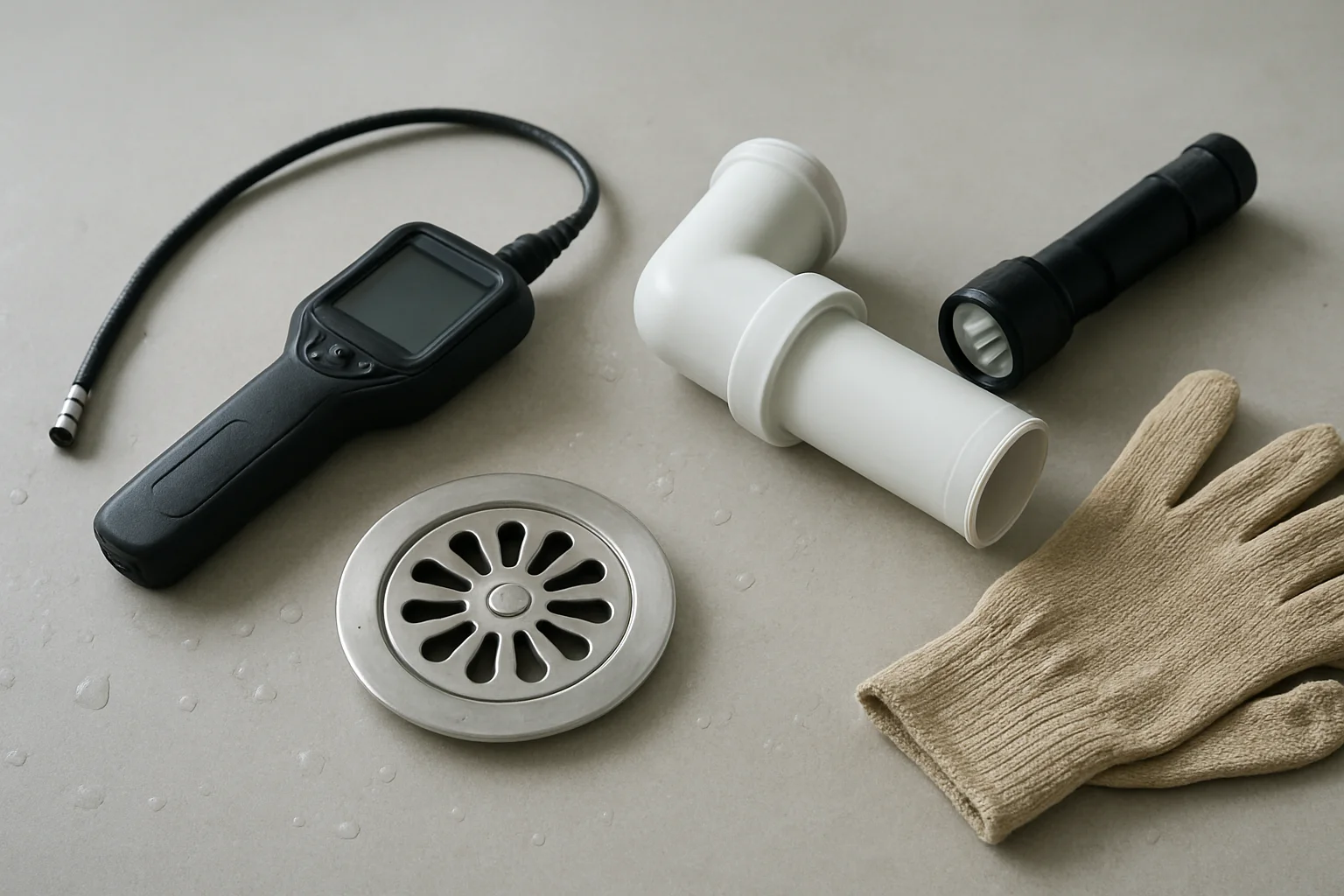
The physical assessment may include checking flow at multiple fixtures, observing how drains respond to simultaneous use, and examining accessible components such as traps, cleanouts, and visible pipe runs. Depending on the situation, a plumber may use tools that help evaluate the interior of the line, confirm the location of buildup, and determine whether the pipe itself is compromised. This is where professional service matters most: accurate diagnosis prevents unnecessary work and helps match the cleaning method to the actual problem. A clogged drain is not always solved by simply forcing water through it, especially if the real issue is grease buildup, scale, debris accumulation, or damage that needs a different solution.
How pipe cleaning differs from a quick clog clearing
Many homeowners think of drain service as one thing, but there is a major difference between clearing a simple clog and cleaning a pipe thoroughly. A quick clearing may restore flow temporarily by opening a narrow path through the blockage. Pipe cleaning, on the other hand, aims to remove accumulated material along the pipe walls so the line functions more normally and is less likely to clog again soon. That distinction matters in homes where the same drain keeps slowing down after each temporary fix. If buildup remains attached to the pipe, the problem often returns because the underlying condition was never fully addressed.
Professional pipe cleaning is selected based on the pipe material, the location of the obstruction, and the type of buildup involved. A trained plumber will not treat every line the same way. For example, a grease-heavy kitchen line may require a different approach than a bathroom drain filled with hair and soap residue, and an older pipe may call for extra caution if its condition is uncertain. The purpose of cleaning is to restore usable flow while protecting the plumbing system. This is why an informed diagnosis is so valuable. It helps avoid guesswork, reduces the chance of repeating the same issue, and supports a better long-term outcome for the home’s drainage network.
Why recurring clogs deserve a closer look
A clog that comes back is often more important than a clog that appears once. Repeated slowdowns can mean there is a deeper obstruction, a section of pipe that collects debris, or a condition inside the line that keeps encouraging buildup. In some cases, the home’s plumbing may be functioning around a partial restriction that worsens each time the system is used. That is why homeowners should pay attention if a drain seems to improve and then decline again after only a short period. The cycle itself is a warning sign.
Recurring clogs may also reveal system design issues, aging materials, or environmental influences that are not obvious from the fixture alone. For example, a line with a subtle low spot can retain debris more easily. A pipe with scale or rough internal surfaces may grab residue instead of letting it pass smoothly. In coastal regions, these problems can become more noticeable over time because homes often face humidity, heavy use, and changing conditions around the property. A professional diagnosis can help identify whether the recurring issue is best addressed through cleaning, further inspection, or a broader repair strategy. The key point is that repeated symptoms should not be dismissed as normal household inconvenience.
When sewer odors, gurgling, or backups need prompt service
Some drain symptoms deserve faster attention than others. A sewer odor that persists, multiple fixtures backing up at once, or water coming up in a tub, shower, or floor drain after toilet use may indicate a more serious obstruction in the main line or a related plumbing problem. Gurgling in several fixtures at the same time can also be a warning that air and water are not moving correctly through the system. Those conditions do not automatically mean a major failure, but they do suggest that the issue is beyond a simple surface-level blockage.
When symptoms affect more than one fixture or involve sewage movement, prompt professional service is important. A plumber can determine whether the issue is in the home’s internal drain system, the connection point, or the sewer line leaving the property. That assessment matters because the response should match the risk. In some cases, the concern may be buildup that can be cleaned. In other cases, the issue could involve a blockage that needs more specific handling. Either way, waiting usually makes diagnosis harder and can allow water damage or sanitation concerns to spread. Homeowners should treat these warning signs as a reason to schedule professional help rather than as a problem to monitor indefinitely.
How Northwest Florida conditions can affect drainage
Homes in Bay, Walton, and Okaloosa counties experience conditions that can influence plumbing performance over time. Humidity, heavy seasonal use, stormwater events, and local soil conditions can all play indirect roles in how drains behave. While a home’s internal plumbing is designed to handle ordinary daily use, external conditions can still affect older systems, nearby drainage structures, and the rate at which issues become noticeable. That is one reason why homeowners in the region may see clogs that seem to appear more often during certain seasons or after extended periods of high household activity.
Professional diagnosis helps separate weather-related symptoms from actual pipe buildup. A homeowner may assume a slow drain is just a temporary effect of rain or guest traffic, but a plumber can evaluate whether the system is simply under strain or whether there is an underlying obstruction that needs attention. This is especially useful in coastal and inland neighborhoods alike, where home construction ages, water use patterns, and environmental exposure vary widely. Rather than making assumptions based on the season alone, a professional can interpret the whole picture. That kind of context is one of the best tools for preventing small drainage concerns from turning into repeated disruptions.
What homeowners can do safely before calling
There are a few safe steps homeowners can take while waiting for service or while trying to gather useful information for a plumber. First, note which fixtures are affected and whether the problem is isolated or shared. Second, avoid forcing the issue by repeatedly using the fixture in a way that may worsen overflow risk. Third, keep track of when the symptom began, whether it changes after rain or heavy use, and whether there are odors or noises. This information can help a plumber diagnose the problem more efficiently. Keeping the area dry and limiting water use at the affected fixture can also reduce the chance of a messy backup.
What homeowners should avoid is equally important. Do not remove pipe components without knowing their condition, do not attempt risky chemical mixtures, and do not use makeshift methods that could damage pipes or create a safety hazard. In particular, older plumbing systems may react unpredictably to aggressive products or repeated DIY efforts. If a drain is slow but still draining, it may be tempting to keep using it and hope it resolves itself, yet that approach can delay proper diagnosis. Safe homeowner action is mostly about observation, caution, and communication with a professional. That protects both the plumbing system and the household.
How 850 Plumber can help homeowners in Bay, Walton, and Okaloosa counties
850 Plumber, part of veteran-owned A Superior Mechanical, serves homeowners in Bay, Walton, and Okaloosa counties with professional plumbing help focused on practical diagnosis and lasting solutions. For clogged drains and pipe cleaning concerns, the most valuable service is often a careful assessment that identifies where the restriction is occurring and what type of buildup or condition is causing it. That can include evaluating whether the issue is confined to one fixture, part of a branch line, or connected to a broader drain or sewer problem. A methodical approach helps prevent guesswork and supports the right service for the situation.
If you are noticing slow drains, recurring clogs, sewer odors, gurgling fixtures, or backups in more than one area of the home, professional help is the safest next step. The goal is not simply to get water moving again for a day, but to understand why the problem is happening and how to address it appropriately. Homeowners in Northwest Florida can contact 850 Plumber at 850-258-3225 for help with drain and pipe concerns. Whether the issue is a kitchen sink that keeps slowing down or a more complex drainage symptom, a professional assessment can provide clarity and reduce the risk of repeated plumbing trouble.
Explore related plumbing care
- Clogged Drains & Pipe Cleaning in Bay, Walton & Okaloosa Counties
- Drain Cleaning & Maintenance in Bay, Walton and Okaloosa Counties, FL
- Pipe Replacement in Santa Rosa Beach, FL
- 24/7 Emergency Plumbing Services in Bay, Walton and Okaloosa Counties
- Clean Water Services in Bay, Walton and Okaloosa Counties, FL
- Commercial Plumbing Services in Bay, Walton & Okaloosa Counties, FL
Continue reading
- Preventive Drain Care for Northwest Florida Homes: Seasonal Planning for Clogged Drains and Pipe Cleaning
- Drain Cleaning and Maintenance for Northwest Florida Homes: Warning Signs and Professional Diagnosis
- Clogged Drains and Pipe Cleaning in Northwest Florida: How Homeowners Decide Between Repair and Replacement
Talk with the 850 Plumber team for help with your home or business.