
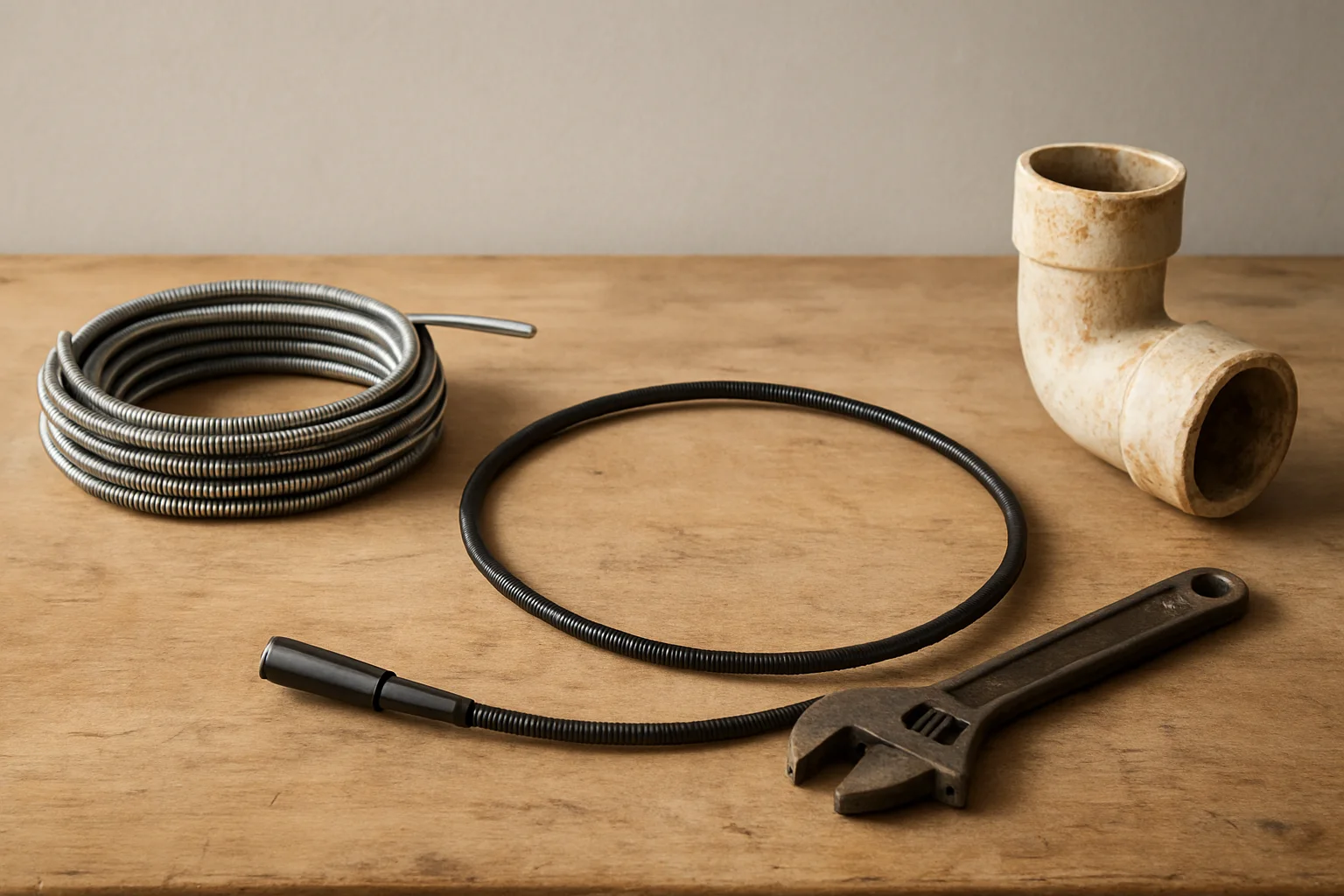
Why clogged drains are more than a nuisance
A slow sink or gurgling tub is easy to dismiss at first, but repeated drain problems often point to a system issue rather than a one-time blockage. In Northwest Florida homes, especially those exposed to humidity, sandy soil, shifting conditions, and heavy seasonal use, drain clogs can build gradually until they affect multiple fixtures. Homeowners may first notice water backing up after showers, sinks draining slowly after meal prep, or toilets that need repeated flushing. Those symptoms can be frustrating, but they are also useful clues. They show where the drainage system is under stress and whether the issue is local to one fixture or farther down the line.
When a clog is isolated, the cause may be as simple as buildup in a branch line, hair accumulation, grease deposits, or soap residue. When several fixtures in the same area are affected, the problem can involve the main line, venting, or pipe condition. That is where professional assessment matters. A licensed plumber can look beyond the obvious blockage and determine whether pipe cleaning will restore flow or whether the piping has deteriorated enough to justify repair or replacement. For homeowners in Bay, Walton, and Okaloosa counties, that distinction helps avoid temporary fixes that keep returning. It also helps protect flooring, cabinets, and foundations from unnecessary water damage if a clogged drain is actually a symptom of a larger plumbing issue.
How Northwest Florida conditions affect drain and pipe performance
Homes in coastal and near-coastal parts of Northwest Florida face environmental conditions that can influence plumbing performance over time. Humid air, frequent rainfall, and local soil conditions can all play a role in how pipes age and how drainage systems behave. In some neighborhoods, older homes may have original piping that has been carrying wastewater for decades. In others, newer construction may still experience recurring clogs because usage patterns, water quality, or pipe layout create buildup points. The point is not that one county has a universal plumbing problem, but that local conditions can make certain issues more common and more persistent.
Seasonal occupancy also matters. Vacation homes and properties with guest traffic often experience sudden spikes in drain use, which can expose weak spots in the system. Kitchens see more grease and food residue, bathrooms see more hair and soap film, and laundry rooms move lint and sediment through the lines. If a pipe already has scale, corrosion, or narrowed passages, those everyday materials can collect faster. A professional plumber considers the whole property, not just the symptom at one drain. That broader view is important when deciding whether thorough cleaning is likely to solve the issue or whether the pipe itself has become too restricted or damaged to function reliably.
What causes clogs in sinks, tubs, showers, and toilets
Different fixtures clog for different reasons, and understanding the source helps homeowners make better decisions. Kitchen sinks are often affected by grease, food particles, and dishwashing residue that cling to pipe walls. Bathroom sinks and showers commonly collect hair, shaving debris, toothpaste buildup, and soap scum. Toilets are more sensitive to non-flushable materials and excessive paper use, while laundry drains can accumulate lint, detergent residue, and sediment. In many homes, these materials do not create an immediate blockage. Instead, they gradually narrow the pipe opening until drainage slows and pressure builds behind the restriction.
A clog can also indicate a problem beyond everyday buildup. If multiple drains are slow at once, the issue may be in a shared branch line or the main drain line. If flushing a toilet causes a nearby tub to gurgle, or running a washing machine leads to a sink backup, wastewater may be struggling to move through the system as designed. That is where professional diagnosis becomes important. A plumber can distinguish between a localized obstruction and signs of a more extensive issue such as pipe sagging, scale buildup, root intrusion, or a damaged section of line. The correct solution depends on that diagnosis, not just on how dramatic the backup appears at the moment.
Signs a drain needs cleaning, not replacement
Many drain problems can be addressed effectively with professional cleaning, especially when the piping is otherwise sound. Common signs that point toward cleaning include slow drainage, occasional gurgling, minor backups that clear temporarily, or repeated clogs in the same fixture without signs of structural damage. If the pipe material is in decent condition and the issue appears to be buildup rather than collapse, professional cleaning may restore normal flow and extend the life of the line. The goal is to remove accumulated debris and assess whether the pipes are still capable of moving wastewater as intended.
A plumber evaluating a clogged system may recommend cleaning when the blockage appears internal and the pipe walls are not severely compromised. That recommendation is usually based on visible symptoms, inspection findings, and the history of the plumbing line. Cleaning is often appropriate when there is no evidence of major cracking, separation, or repeated failure after previous service. Homeowners should think of cleaning as both a solution and an inspection opportunity. By opening the line, the plumber can learn whether the drainage problem was caused by buildup alone or whether the pipe is showing early signs of decline. That information can help homeowners plan future maintenance instead of waiting for a more disruptive failure.
When pipe cleaning is the better first step
Pipe cleaning is often the most practical first step when a clog is caused by buildup rather than major damage. It is less invasive than replacement and can resolve issues created by grease, soap film, sediment, and other internal deposits. In many homes, especially those with pipes that are still structurally sound, cleaning can restore drainage and reduce the risk of repeated minor backups. It can also help reveal how much remaining capacity the pipe has. A line that cleans up well and stays clear after service may simply need periodic maintenance, not a major plumbing project.
Professional cleaning is particularly valuable when homeowners are dealing with recurring slow drains in a kitchen or bathroom but do not have signs of active pipe failure. It may also be a good choice when a home has had intermittent drainage issues that seem related to use patterns, such as holiday gatherings or seasonal occupancy. Rather than jumping to replacement, a plumber can use the cleaning process to evaluate the line’s condition and determine whether the problem is likely to return. The distinction matters because some clogs are a symptom of neglect, while others are a warning that the pipe is aging out of reliable service. Professional judgment helps separate those situations and prevents unnecessary work.
When repair may make more sense than cleaning alone
Sometimes a drain issue is not caused by simple buildup, but the pipe still does not need full replacement. Repair may make sense when a specific section of pipe is cracked, leaking, disconnected, or improperly sloped, yet the rest of the line remains in usable condition. In those cases, cleaning may relieve the symptom, but it will not address the underlying defect. A plumber might recommend targeted repair if the problem is localized and the remainder of the drainage system is stable. That approach can solve the issue without disturbing plumbing that is still functioning properly.
Repair is also worth considering when a fitting, joint, or connection is the main source of trouble. For example, a damaged segment may trap debris and cause repeated clogs at the same spot. If inspection shows that the rest of the line is sound, correcting that one problem can restore dependable drainage. Professional assessment is essential because visible symptoms do not always reveal the full picture. A homeowner might assume the entire pipe system is failing when only one section needs attention. A plumber can determine whether the issue is repairable, whether cleaning should accompany the repair, or whether the condition of the line suggests a broader replacement plan. That balanced approach helps homeowners avoid both underreacting and overreacting.
Warning signs that replacement deserves serious consideration
Replacement becomes a more serious consideration when drain problems keep returning despite repeated cleaning or repair. If the same line clogs over and over, or if several fixtures are affected by the same issue, the underlying pipe may be deteriorating beyond practical restoration. Persistent backups can indicate corrosion, repeated separation, scale buildup, root intrusion, or structural deformation. In those situations, a temporary fix may only delay a larger failure. Homeowners should pay attention to whether the drain improves briefly after service and then quickly returns to the same condition. That pattern often suggests a problem that cleaning alone cannot fully solve.
Other warning signs may include recurring sewer odors, visible leaks, damp spots near walls or floors, and slow drains throughout the home rather than in one room. Those symptoms do not automatically mean replacement is required, but they do mean the system deserves a thorough evaluation. A plumber may recommend replacement if the pipe material has reached the end of its useful life or if the cost and frequency of repairs are likely to add up over time. In a coastal region, older piping can sometimes age in ways that make patchwork fixes less effective. A professional inspection can help homeowners weigh immediate disruption against the risk of repeated service calls and ongoing water damage concerns.
How professionals assess the condition of a drain line
A proper plumbing assessment starts with listening to the homeowner’s observations. When did the clog begin, which fixtures are affected, and how often does the problem recur? Those details help a plumber narrow down the likely cause before any equipment is used. From there, the plumber may inspect accessible piping, test drainage at multiple fixtures, and look for signs that the problem is isolated or widespread. The goal is not simply to clear the symptom, but to understand what is happening inside the line and what that means for the rest of the system.
In many cases, professional assessment also includes viewing the pipe interior or tracing the line’s behavior through the home’s drainage pattern. A plumber may look for evidence of buildup, obstructions, or material deterioration before making a recommendation. This matters because a pipe that looks fine from the outside may still be narrowing internally, while another line may appear to have a major problem but only needs cleaning. Homeowners benefit from that structured approach because it turns guesswork into a decision based on condition, pattern, and function. Instead of choosing between repair and replacement based on fear or convenience, they can make the call with a clearer understanding of what the plumbing system actually needs.
Why pipe material and age matter in the decision
The age and material of the piping strongly influence whether cleaning, repair, or replacement is the best long-term choice. Older systems may have materials that are more prone to corrosion, brittleness, or internal roughness that catches debris. Newer systems are often easier to maintain, but even they can develop issues if installation problems or heavy use create repeated stress. A plumber does not make the recommendation based on age alone. Instead, age is one factor among several, along with visible condition, history of clogs, and how the line performs after service.
Pipe material matters because different materials age in different ways. Some become rough inside and collect debris more easily. Others may develop leaks at fittings or joints. If a line is still structurally stable, cleaning or repair may remain a reasonable option. If the material is widely deteriorated, replacement may provide better long-term reliability. Homeowners do not need to know every technical detail of pipe chemistry or design to make a smart decision. They do need a professional who can explain what the line is made of, how it is aging, and what that means for future maintenance. That is especially important in homes where one bad section could affect several fixtures or where repeated service calls have not produced a lasting fix.
The risks of putting off recurring drain problems
Delaying attention to a recurring clog can create larger and more expensive problems than the original slow drain. Water that cannot move properly may back up into sinks, tubs, or floor drains, increasing the chance of property damage. In some cases, wastewater can overflow or seep into areas where it may harm flooring, cabinets, drywall, or subfloor materials. Even when the issue seems manageable, repeated strain on the system can worsen the underlying cause. A clog that keeps returning is not just annoying; it is often the plumbing system asking for a closer look.
There is also a practical cost to waiting. Temporary fixes can become a cycle of frustration if they do not address the source of the problem. Homeowners may keep clearing the same drain only to face another backup soon after. A professional assessment helps stop that cycle by identifying whether the line needs cleaning, repair, or replacement. That can save time and reduce uncertainty, even if the final recommendation is more involved than the homeowner hoped. The important part is making the decision based on the condition of the plumbing, not on the hope that the problem will simply stop on its own. In drainage systems, small symptoms can become larger failures when ignored for too long.
How homeowners can prepare for a professional visit
Before a plumber arrives, homeowners can gather useful information without attempting risky fixes. It helps to note which fixtures are affected, when the problem started, whether the issue is constant or intermittent, and whether any unusual sounds or odors have been noticed. If a drain has been slow for a while, mentioning whether it worsens during heavy use can help the plumber diagnose the line more accurately. This kind of observation does not replace professional inspection, but it does make the visit more efficient and productive. It gives the plumber context that may point toward a localized clog, a shared branch issue, or a larger drain problem.
Homeowners should also avoid masking the issue with repeated quick fixes if the drain keeps failing. If the same clog returns, the system deserves a more complete review. A professional can determine whether the line is best served by cleaning, whether a section can be repaired, or whether replacement is the more sensible long-term plan. The value of that visit is clarity. Instead of guessing about the state of the pipes, the homeowner gets a grounded recommendation based on the actual condition of the system. That is especially useful in homes where drainage performance matters every day and where repeated backups can interfere with normal routines.
Why local homeowners benefit from a trusted plumbing partner
For homeowners in Bay, Walton, and Okaloosa counties, having a reliable plumbing partner matters because clogged drains can range from minor inconvenience to a sign of deeper trouble. A trusted local plumber understands the kinds of issues that often appear in the region and can tailor the inspection to the home’s layout, age, and usage. That local perspective is valuable when deciding whether pipe cleaning is enough or whether repair or replacement should be considered. It also helps ensure the recommendation is practical for the specific home rather than a generic answer that ignores local conditions.
850 Plumber, part of veteran-owned A Superior Mechanical, serves these Northwest Florida communities with drain and plumbing support for homeowners who need clear answers, not guesswork. Their role is to assess the problem carefully, explain what is happening in the line, and help homeowners decide on the next step based on condition and function. If you are dealing with recurring clogs, slow drains, or drainage behavior that keeps coming back, professional guidance can help you avoid unnecessary disruption while protecting the plumbing system over the long term. For service in Bay, Walton, and Okaloosa counties, homeowners can call 850-258-3225 to schedule an evaluation.
Making the repair-versus-replacement decision with confidence
The most useful way to think about clogged drains and pipe cleaning is to treat them as decision points, not just service calls. A single clog may only need cleaning. A localized defect may call for repair. A deteriorated or repeatedly failing line may justify replacement. The right answer depends on what a professional finds inside the system, how often the issue returns, and whether the pipe still has enough remaining life to justify further maintenance. Homeowners do not need to make that judgment alone, and they should not feel pressured to assume the worst or settle for the easiest temporary fix.
A careful assessment gives homeowners confidence because it replaces uncertainty with evidence. It shows whether the drain problem is a one-time blockage, a correctable defect, or a sign of broader pipe decline. In a region where homes may face seasonal use, humidity, and long-term wear, that clarity is especially valuable. The best decision is usually the one that solves the problem now while also reducing the chance of repeat trouble later. With the right evaluation, Bay, Walton, and Okaloosa County homeowners can choose the option that fits their plumbing system, their home, and their long-term peace of mind.
Explore related plumbing care
- Clogged Drains & Pipe Cleaning in Bay, Walton & Okaloosa Counties
- Pipe Replacement in Santa Rosa Beach, FL
- Toilet Repair and Replacement in Bay, Walton and Okaloosa Counties, FL | 850 Plumber
- Drain Cleaning & Maintenance in Bay, Walton and Okaloosa Counties, FL
- Leak Detection & Slab Leak Repair in Bay, Walton & Okaloosa Counties, FL | 850 Plumber
- Plumbing Fixture Replacement in Freeport, FL
Continue reading
- Pipe Replacement in Santa Rosa Beach, FL: How Northwest Florida Homeowners Decide Between Repair and Replacement
- Water Leak Repairs in Northwest Florida: How Homeowners Can Decide Between Repair and Replacement
- Water Heater Installation in Freeport, FL: How Northwest Florida Homeowners Decide Between Repair and Replacement
Talk with the 850 Plumber team for help with your home or business.