
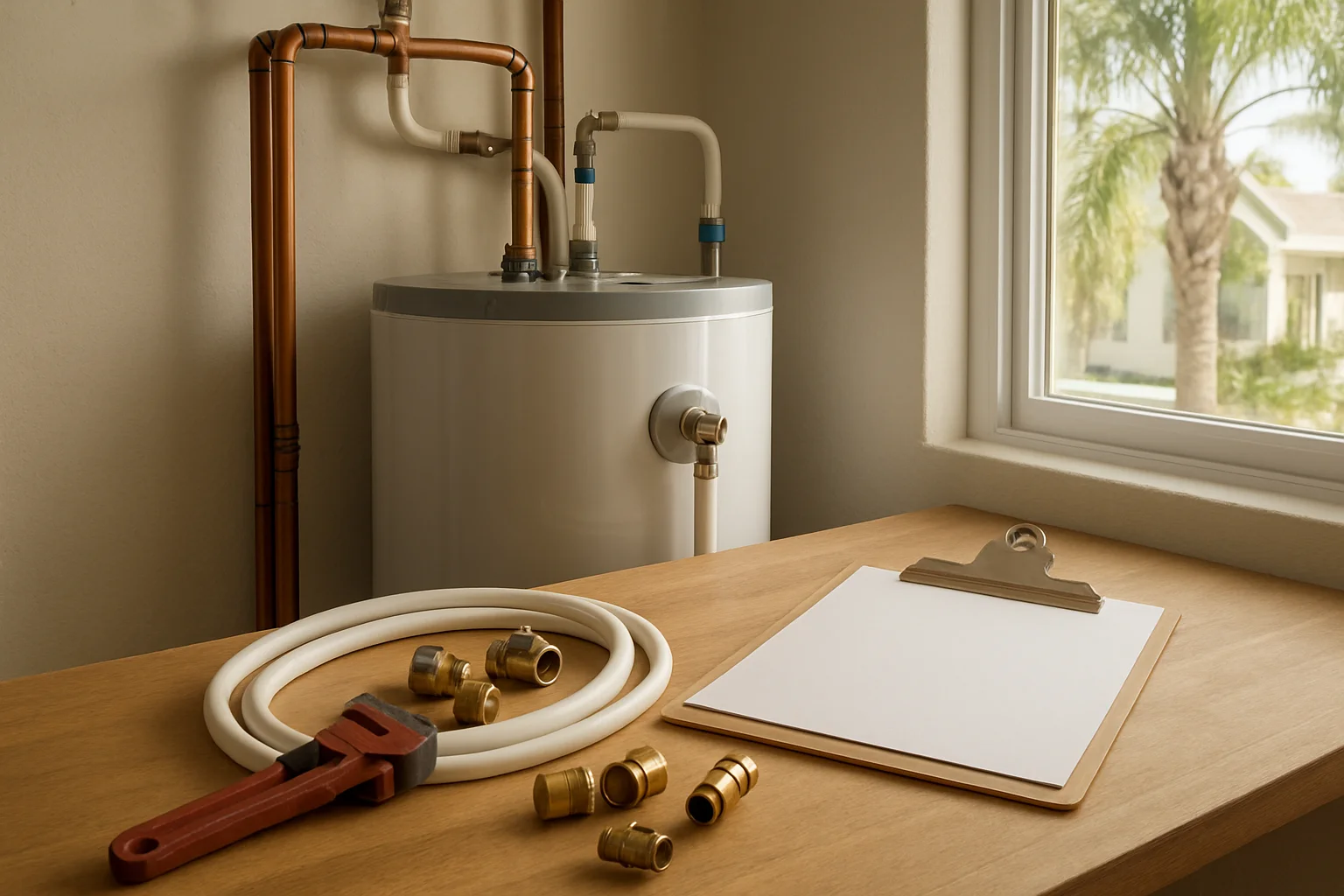
Why Plumbing Financing Matters in Northwest Florida
Plumbing problems rarely arrive at a convenient time. A water heater that stops producing hot water, a hidden leak that raises the water bill, or a failing sewer line can affect a household’s routine immediately. For homeowners in Bay, Walton, and Okaloosa counties, the decision is often not just about what needs to be fixed, but how to pay for it in a way that fits the family budget. That is where plumbing financing becomes part of the conversation. When a repair is urgent, a homeowner may need to weigh the short-term cost of stopping damage against the long-term value of upgrading aging equipment or piping.
Northwest Florida homes face a mix of conditions that can influence plumbing decisions, including humidity, storm-related stress, older building materials, and long seasonal use patterns in some communities. These factors can make a plumbing issue feel sudden even when the system has been aging for years. A financing plan does not eliminate the need for a careful diagnosis, but it can make it easier to choose the right solution instead of settling for the cheapest quick fix. For many homeowners, the best outcome comes from understanding the problem clearly, comparing repair and replacement options, and selecting a payment approach that supports both the home and the household budget.
Understanding Repair Versus Replacement
A repair is typically the best choice when the problem is isolated, the rest of the plumbing component is in good condition, and the underlying system still has useful life left. Examples can include a worn washer, a leaking supply line, a faulty toilet part, or a localized section of pipe that can be restored without affecting the rest of the system. In these cases, a targeted fix may solve the immediate issue and preserve the value of the existing equipment. The challenge is knowing whether the problem really is isolated, which is why professional evaluation is so important.
Replacement becomes more attractive when a fixture or system is near the end of its service life, has repeated failures, or shows broader deterioration that could make future repairs unreliable. A water heater with significant internal corrosion, a sewer line with recurring blockages, or aging pipes with multiple leaks may no longer be cost-effective to patch one issue at a time. Homeowners often think in terms of the immediate invoice, but a better question is whether the current component is still dependable. Repair can save money now, while replacement may reduce the risk of future disruptions and emergency expenses. The right choice depends on the condition of the system, the age of the component, and the homeowner’s long-term plans for the property.
Signs a Plumbing Problem May Need More Than a Simple Fix
Some plumbing symptoms point to a small repair, while others suggest a wider issue that may justify replacement or more extensive work. Frequent leaks in different places, rust-colored water, a water heater that struggles to keep up, or sewer odors that return after cleaning can all indicate that the visible symptom is only part of the problem. If a home keeps experiencing the same type of failure even after repairs, the underlying system may be deteriorating in a way that is no longer practical to manage piecemeal. Homeowners should pay attention to trends, not just single events.
There are also performance signs that can be easy to overlook. Slow drains throughout the home, low water pressure in multiple rooms, frequent need for shutoffs, or unexplained dampness in walls or flooring may signal larger concerns that are not visible from the surface. In many cases, a professional can determine whether the problem is confined to one fitting or whether it involves older piping, fixture wear, or a system layout that has become vulnerable over time. That assessment matters because a fix that looks affordable at first can become more expensive if it only delays a broader failure. Professional diagnosis helps distinguish between a simple service call and a situation where replacement may be the more stable, finance-friendly choice over time.
How Seasonal Conditions in Northwest Florida Affect Plumbing Decisions
Northwest Florida homeowners contend with environmental conditions that can influence plumbing wear. Heat, humidity, heavy summer rain, and the possibility of storm-related stress can all affect fixtures, outdoor lines, drainage, and water heaters. Moisture can accelerate corrosion in vulnerable components, and shifting soil or excess runoff may contribute to drainage concerns. Even when a home appears fine on the outside, plumbing materials may be aging in ways that only become visible when a leak, clog, or pressure issue appears. Seasonal conditions do not automatically mean replacement is necessary, but they do raise the importance of preventive attention and timely evaluation.
In communities where homeowners may use a property year-round or seasonally, plumbing systems can experience different patterns of wear. A home that sits unused for stretches may face stagnant water, dried-out seals, or unnoticed leaks that worsen before anyone returns. A busy household, on the other hand, may put constant demand on water heaters, drains, and fixtures. When a problem appears, the seasonal context can shape the repair-versus-replacement decision. A professionally assessed system that is likely to face similar stress again soon may justify a different financial plan than one with a more stable outlook. For homeowners in Bay, Walton, and Okaloosa counties, local conditions are part of the decision-making process, not just the backdrop.
The Value of a Professional Plumbing Assessment
A professional assessment is the foundation of a responsible repair or replacement decision. A homeowner can often identify the symptom, such as a leak or clog, but a trained plumber can evaluate the cause, the extent of the damage, and the condition of related components. That may include checking pressure, inspecting visible plumbing, testing fixtures, reviewing drainage performance, and looking for signs that a single issue is part of a larger pattern. The goal is not only to stop the immediate problem but also to understand whether the system remains reliable enough to justify repair.
Questions Homeowners Should Ask Before Choosing a Solution
When a plumber explains the condition of a system, homeowners benefit from asking focused questions. Useful questions include: What is causing the issue? Is the damage limited to one part of the system, or does it suggest a broader concern? If repaired, how likely is the problem to return? If replaced, what advantages would the homeowner gain in reliability, performance, or efficiency? These questions help translate technical findings into practical choices. They also create a clearer picture of how a proposed solution fits the household’s budget and schedule.
It is also wise to ask about timing and planning. Some plumbing issues are urgent and must be addressed quickly, while others allow time to compare options. A homeowner may want to know whether a repair can reasonably buy time to plan for replacement later, or whether delaying replacement could create greater expense. Asking about the expected lifespan of the component, the condition of connected parts, and whether any related maintenance should be performed can help avoid short-sighted decisions. The point is not to second-guess the professional, but to fully understand the recommendation. A good assessment should make the reasoning behind the advice clear enough for a homeowner to make an informed choice.
Common Plumbing Situations Where Financing May Help
Financing can be useful when the needed work is important but exceeds what a household is prepared to pay all at once. Water heater replacement is one common example, especially if the unit has reached the end of its useful life or has developed repeated issues. Sewer line work can be another, because the repair may involve more than a simple part swap and may affect a large section of the property. Whole-home repiping, major fixture replacement, and significant leak repair can also create expenses that are easier to manage with a financing plan. In these situations, the question is not whether the work matters—it does—but how to make the solution financially workable.
Financing may also be helpful when homeowners decide that a more durable fix is better than repeated patching. A repair that solves one symptom but leaves an aging system in place may seem less expensive in the moment, yet it can lead to another call later. Some homeowners choose financing to spread the cost of a more complete solution over time rather than paying repeatedly for temporary fixes. This does not mean replacement is always the right answer; rather, it means financing can make a higher-value option more accessible when a professional assessment shows that continued repairs are unlikely to provide lasting relief. The best financial choice is the one that supports both immediate needs and future stability.
How to Compare Short-Term Cost and Long-Term Value
Homeowners often look first at the price difference between repair and replacement, but the better comparison is total value over time. A repair may cost less today, yet if the same problem returns, the homeowner may end up spending more in repeated service calls, water damage, or temporary workarounds. Replacement may require a larger upfront commitment, but it can reduce the likelihood of future disruptions and may improve reliability for years. The right choice depends on how much remaining life the current system has and how often the homeowner is likely to face future issues if the problem is only patched.
A useful way to think about value is to consider inconvenience, risk, and repeat expense alongside the quote itself. For example, if a water heater is aging and has already needed service more than once, a new unit may be the more practical option even if the initial number is higher. If a fixture problem is isolated and the rest of the system is sound, repair may deliver excellent value. Professional assessment helps homeowners avoid both extremes: paying too much for a replacement that is not yet needed, or paying for repeated temporary fixes that do not solve the underlying issue. Financing should support the decision that offers the best long-term outcome, not just the lowest current invoice.
What a Financing Conversation Should Include
A helpful financing conversation should start with the work itself, not just the payment terms. Before discussing monthly amounts or budgeting, homeowners should understand what problem is being addressed, what options exist, and why a particular recommendation makes sense. Once the scope is clear, financing can be discussed in a way that matches the actual project. That helps the homeowner avoid financing the wrong solution or overcommitting to work that may not be necessary. The plumbing assessment and the financial plan should be connected, because the value of financing depends on the quality of the underlying decision.
Homeowners should also ask about the structure of the arrangement, what the schedule looks like, and how it fits with their household budget. The goal is to choose a path that is manageable without creating unnecessary stress. It is reasonable to compare repair and replacement scenarios side by side if the diagnosis leaves room for more than one legitimate option. A professional can help explain what each choice means for the home’s condition and future maintenance needs. In a region like Northwest Florida, where conditions can make plumbing issues more urgent than expected, a thoughtful financing conversation can turn a stressful emergency into a controlled, informed decision.
How to Prepare for a Plumbing Evaluation
Preparation does not require technical knowledge. Homeowners can begin by noting what they observed, when the issue started, and whether anything changed before the problem appeared. Examples include unusual sounds, pressure changes, discoloration, odors, frequent clogs, or a higher-than-normal water bill. These details can help the plumber narrow the cause more quickly. It also helps to know the age of major plumbing fixtures if that information is available, though it is not essential. The purpose of preparation is to provide context, not to solve the issue in advance.
Homeowners may also want to clear access to the affected area and be ready to discuss previous repairs or known plumbing concerns. If a problem has happened more than once, that history can be especially useful. A professional assessment is most effective when it includes both the visible symptom and the home’s maintenance history. This step is also where financing can begin to make sense, because the more clearly the issue is understood, the easier it is to decide whether a temporary repair or a longer-term replacement is the better investment. A careful evaluation can help avoid last-minute decisions driven by stress alone.
Why Local Experience Matters in Bay, Walton, and Okaloosa Counties
Plumbing work is always technical, but local conditions influence how that work is approached. Homes in Bay, Walton, and Okaloosa counties may face different soil conditions, weather exposure, age of construction, or layout challenges that affect plumbing performance. A local plumber familiar with the region can better interpret how these factors may contribute to leaks, drainage issues, or equipment wear. That matters because the same symptom may have different implications depending on the home’s construction and environment. Local experience does not replace a proper inspection, but it supports a more practical recommendation.
For homeowners, local service can also mean a better understanding of how quickly a problem should be addressed and whether a repair is likely to hold up under regional conditions. If a water heater, pipe section, or drain line is already compromised, the right recommendation may differ from what would make sense in a different climate or housing stock. In Northwest Florida, a repair-versus-replacement decision should reflect both the condition of the plumbing and the realities of the area. A local professional assessment helps translate those realities into a plan that makes sense for the home, the household budget, and the long-term use of the property.
When to Seek Help from 850 Plumber
Homeowners should consider contacting 850 Plumber when a plumbing issue is more than a minor annoyance, when repeated repairs have not solved the problem, or when they need help deciding whether repair or replacement is the better financial choice. As part of veteran-owned A Superior Mechanical, 850 Plumber serves Bay, Walton, and Okaloosa counties, Florida, and can help homeowners evaluate plumbing concerns with an emphasis on practical solutions. The company can be reached at 850-258-3225. A professional visit can provide clarity when a system’s condition is uncertain and the next step is not obvious.
The most valuable time to call is often before a small issue becomes a larger one. That does not mean every leak requires replacement, only that a qualified assessment can prevent guesswork. If the problem is isolated, a repair may be enough. If the system is aging or failing in more than one way, a replacement may offer better value and peace of mind. Either way, the homeowner benefits from a clearer picture of the options. For Northwest Florida homeowners planning around seasonal needs, budgeting concerns, and property maintenance, experienced plumbing guidance can turn a stressful decision into a manageable one.
A Practical Way to Think About the Decision
A good repair-versus-replacement decision starts with three questions: What is wrong? How extensive is the problem? And what is the most reliable way to solve it within the homeowner’s budget? If the answer to the first question points to a small, contained issue, repair may be the right choice. If the answer to the second shows widespread wear, repeated failure, or aging equipment, replacement may make more sense. Financing is useful when the preferred solution is sound but the upfront cost needs to be spread out over time. It is not a substitute for diagnosis; it is a tool that supports the recommended solution.
For Northwest Florida homeowners, the most important takeaway is that plumbing problems should be evaluated in context. A cheap fix is not always the least expensive choice, and a replacement is not always necessary. Professional assessment helps determine where the line falls between the two. With that information, homeowners can make a decision that fits both the condition of the home and the realities of the family budget. In Bay, Walton, and Okaloosa counties, that balanced approach can help preserve comfort, protect the property, and reduce the chance of being surprised by the next plumbing problem.
Explore related plumbing care
- Toilet Repair and Replacement in Bay, Walton and Okaloosa Counties, FL | 850 Plumber
- Leak Detection & Slab Leak Repair in Bay, Walton & Okaloosa Counties, FL | 850 Plumber
- Pipe Replacement in Santa Rosa Beach, FL
- Plumbing Financing in Bay, Walton and Okaloosa Counties, FL
- Plumbing Fixture Replacement in Freeport, FL
- Plumbing Repair in Bay, Walton and Okaloosa Counties, FL | 850 Plumber
Continue reading
- Water Leak Repairs in Northwest Florida: How Homeowners Can Decide Between Repair and Replacement
- Water Heater Installation in Freeport, FL: How Northwest Florida Homeowners Decide Between Repair and Replacement
- Sewer Camera Inspection in Northwest Florida: How Homeowners Decide Between Repair and Replacement
Talk with the 850 Plumber team for help with your home or business.