
Why sewer camera inspection matters for Northwest Florida homes
A sewer camera inspection gives homeowners a clear look at the condition of a buried drain line without opening up the yard or guessing from symptoms alone. In Bay, Walton, and Okaloosa counties, where homes may deal with sandy soil, shifting ground, tree roots, heavy rain, and coastal humidity, a visual inspection inside the pipe can be one of the most useful tools for understanding why drains are backing up or slowing down. Instead of treating the surface symptom and hoping for the best, a professional can see what is actually happening in the line and help narrow the cause of the problem.
For homeowners, that matters because sewer issues can range from minor buildup to significant structural damage. Some problems can be addressed with targeted repair or cleaning, while others may point to a line that is nearing the end of its useful life. A camera inspection does not automatically mean a costly replacement is needed, and it does not automatically mean a simple cleaning will solve everything. It is an assessment tool that helps guide a practical decision based on evidence rather than assumptions.
Common signs a sewer camera inspection may be needed
Many homeowners first suspect a sewer problem when they notice recurring clogs, multiple slow drains, gurgling noises, sewage odors, or wastewater coming back up in tubs, showers, or floor drains. A single fixture issue may point to a localized drain problem, but when several fixtures are affected, the issue may be deeper in the main sewer line. In some homes, problems show up gradually; in others, the warning signs appear after heavy rain or a sudden change in household drain performance. A camera inspection can help determine whether the issue is inside the home’s branch drains or in the line leading to the sewer connection or septic system.
It is also wise to consider an inspection when a property is older, has experienced repeated drain service calls, or has mature trees near the sewer route. Tree roots are a common concern in many regions, and coastal or low-lying areas can also face soil movement and water intrusion that affect buried piping. If a homeowner is buying or selling a home, a sewer camera inspection may provide valuable information before decisions are made. The goal is to understand whether the line is serviceable, needs a targeted fix, or should be planned for future replacement.
What a professional camera inspection can reveal
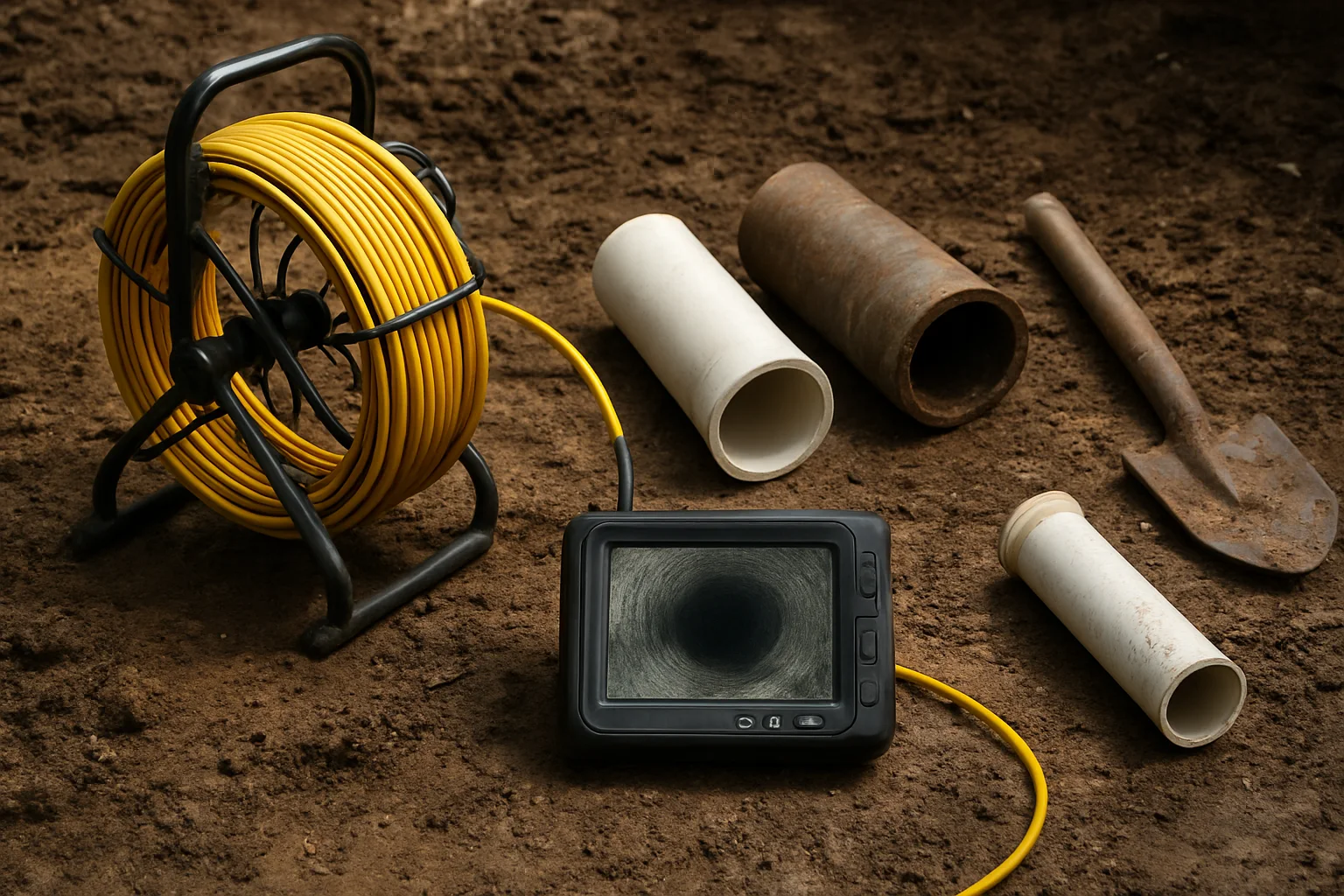
A professional sewer camera inspection uses a specialized camera attached to a flexible cable that is inserted into the line. As the camera moves through the pipe, it sends live video that helps identify the shape, material, and condition of the line. This can show buildup from grease or debris, root intrusion, standing water, broken pipe sections, offsets where joints no longer line up correctly, cracks, sags, or visible corrosion in some older materials. The inspection may also help locate the approximate position of a defect relative to the home and yard, which is useful when planning any repair work.
One of the most important benefits is separating symptoms from causes. A toilet that flushes poorly or a drain that backs up may be caused by a blockage that can be cleared, but the camera may also show that the line has a structural issue making recurring backups likely. In other words, the inspection can tell whether the pipe is temporarily obstructed or permanently compromised. This distinction matters because a homeowner’s next step is not always the same; a clean-out, section repair, lining, or replacement each addresses a different level of damage.
How Northwest Florida conditions affect buried sewer lines
Homes in Bay, Walton, and Okaloosa counties can face environmental conditions that influence underground plumbing over time. Sandy or mixed soils may shift more easily than dense clay, and periods of heavy rain can saturate the ground, changing how buried lines are supported. In low-lying areas, water intrusion or settlement may affect the grade of a sewer line, which can contribute to sagging sections or repeated blockages. These issues do not affect every property the same way, but they are part of the local context that makes sewer camera inspections especially useful for homeowners in this region.
Coastal air and moisture do not usually damage a buried line directly in the same way surface conditions do, but they are part of a broader environment where plumbing systems work hard year-round. Older homes may also have original pipe materials that were installed under different standards than modern systems. Add mature landscaping, frequent storms, or home additions that change drainage patterns, and the sewer system can face stresses that are not visible from above ground. A camera inspection helps determine whether these conditions have caused isolated damage or more widespread deterioration requiring a bigger plan.
Repair versus replacement: how professionals approach the decision
The repair-versus-replacement question usually begins with the inspection findings, not with a preset answer. If the camera shows a localized problem, such as a small root intrusion, a partial obstruction, a joint offset, or a short damaged section, a targeted repair may be appropriate. That could mean clearing the line, repairing a section, or addressing the defect in a focused way. When the rest of the pipe appears sound, there may be no reason to replace a larger portion of the system than necessary. A measured approach can preserve function while limiting disruption.
Replacement tends to become more likely when the inspection shows extensive structural problems, repeated failures in the same area, severe corrosion in older pipe, significant sagging, multiple breaks, or a line so deteriorated that repairs would only be temporary. Professionals also consider how often the line has failed before, whether problems are becoming more frequent, and whether the visible condition suggests a broader life expectancy issue. A camera inspection gives a basis for that judgment. The decision is not simply about what is possible; it is about what is reasonable, durable, and appropriate for the home’s condition.
When a repair may be the right choice
Repair is often the better path when the sewer line has a problem that is limited in scope. For example, a single damaged joint, a manageable root intrusion, or a localized clog may respond well to cleaning and a targeted fix. If the camera shows that most of the pipe is in stable condition, it may not make sense to replace an entire run just because one section is impaired. A professional assessment helps identify whether the issue is isolated enough that repair can restore reliable flow without major excavation.
Another reason repair may be appropriate is timing. Some homeowners need a practical solution that addresses the immediate problem while allowing them to plan for future improvements. In those situations, an inspection can provide information about the severity of the condition and whether the line is likely to remain serviceable after the repair. That said, a repair should not be chosen simply because it is less disruptive in the moment. The key is whether the pipe’s overall condition supports that approach. A reliable repair decision depends on the full picture, not just the most visible defect.
When replacement becomes the more practical option
Replacement becomes more likely when the sewer line shows repeated failure or widespread deterioration. If a camera reveals multiple cracked sections, substantial corrosion, severe root intrusion through many joints, collapsed areas, or a sagging line that repeatedly traps waste and water, patching one spot may only postpone the same problem. In those cases, a homeowner may benefit more from replacing the affected section or the entire line than from repeated service calls. A professional inspection helps determine whether the line is still structurally dependable or whether it has reached a point where repair is no longer a long-term solution.
Homeowners should also think about the pattern of the problem. A line that has been cleaned and repaired several times but keeps backing up may be signaling a deeper issue. If the pipe’s material is aging out, the grade is compromised, or the line has multiple failure points, replacement may be the more predictable and cost-effective path over time, even though it is a larger project up front. The purpose of the camera inspection is to reveal when the problem is no longer isolated. That information helps homeowners make a decision based on durability rather than repeated emergency response.
Why the age and material of the pipe matter
The age of a sewer line and the material it was built from can strongly influence repair or replacement decisions. Older homes may have piping materials that are more prone to cracking, corrosion, or root intrusion than modern alternatives. Over time, buried lines can also experience normal wear from soil movement, water exposure, and repeated use. If the camera inspection shows that the pipe is still in good shape overall, age alone does not mean replacement is necessary. But age does matter because it can help predict how likely additional problems are in the near future.
Material also influences the range of options. Some pipe types are more forgiving and easier to repair in sections, while others may have extensive wear that makes repair less dependable. A professional will look at more than just one camera image; they will consider how the line appears along its entire accessible length, whether the joints are intact, and whether the condition suggests a one-time issue or a system-wide decline. For homeowners, this means the right decision is based on the pipe’s actual condition, not just the calendar age of the house.
How location on the property affects the recommendation
Where the sewer line runs on the property can affect both the inspection findings and the recommended solution. A line beneath landscaping, hardscape, driveways, patios, or mature trees may be more difficult to access if work is needed. That does not automatically mean replacement is necessary, but it can influence how a professional plans the repair and what level of disturbance may be involved. A camera inspection helps locate trouble spots more accurately, which can reduce unnecessary digging and support a more focused approach when possible.
Property layout also matters because some sewer issues are tied to grading, drainage, or the route the line takes from the home to the connection point. If the line runs through an area with recurring saturation or root pressure, a professional may see patterns that point toward a more durable solution. In other cases, the same inspection may show that the problem is limited to one accessible segment, making a targeted fix more practical. Knowing where the line lies and how it behaves on the property helps homeowners make better decisions about access, disruption, and long-term reliability.
What homeowners should expect from a professional assessment
A proper sewer camera inspection is more than simply pushing a camera through a pipe. A professional assessment should consider the symptoms reported by the homeowner, the layout of the system, the visible condition inside the line, and any limits of what the camera can or cannot see. Sometimes a line is too full of water, debris, or blockage for a complete view, which may mean cleaning or clearing is needed before the inspection can provide the best information. The professional’s job is to interpret the findings in context, not just report that a camera was used.
Homeowners should also expect clear communication about what was observed and what it means. That may include identifying whether the problem is minor, moderate, or severe; whether the defect appears isolated or widespread; and whether repair or replacement is the more sensible next step. A useful assessment should help the homeowner understand the condition of the line and why one option is being recommended over another. The value of the inspection lies in informed decision-making, so the explanation should be practical, specific, and tied to the actual condition seen in the pipe.
Questions homeowners can ask after the inspection
After a sewer camera inspection, it helps to ask questions that clarify the scope and urgency of the issue. Homeowners may want to know whether the problem is localized or spread across a larger section, whether the line appears structurally sound, and whether the current issue could return soon if only a small repair is made. It is also useful to ask which parts of the line were visible and whether any sections could not be fully evaluated because of water, debris, or damage. These questions help turn a video inspection into a useful decision-making tool.
Another helpful question is whether the recommendation is based on current damage, likely future failure, or both. That distinction can matter a great deal. A homeowner may not need to replace a line immediately if the issue is limited and stable, but they may still want to understand how long the repair is expected to remain dependable. The goal is not to pressure a quick decision. It is to leave the inspection with a clear understanding of what the line can realistically support and what level of risk comes with waiting versus acting now.
How to reduce future sewer problems after repairs or replacement
Once a sewer issue is addressed, homeowners can take practical steps to help protect the line. Being careful about what goes down drains is one of the most important habits. Grease, wipes, paper products not meant for plumbing, and other debris can contribute to blockages. Managing tree growth near the sewer route may also help reduce root intrusion risk over time. For homes with landscaping changes or drainage concerns, keeping an eye on the ground above the sewer line can provide early warning if settlement, wet spots, or repeated sinkage appears.
Regular awareness matters too. If drains begin slowing again or symptoms start to return, it is better to have the system assessed early than to wait for a full backup. In many cases, a camera inspection can show whether a new issue is forming or whether the system is still functioning as expected. That kind of follow-up is especially valuable in Northwest Florida, where soil and weather conditions can change over time. The best long-term outcome usually comes from matching the right repair or replacement decision to real conditions and staying attentive to how the system performs afterward.
Why local homeowners benefit from a trusted plumbing assessment
Sewer problems can be stressful because they affect daily life quickly and often happen underground, where causes are hard to see. For homeowners in Bay, Walton, and Okaloosa counties, a local professional familiar with area conditions can provide a more grounded assessment of what the camera inspection shows and how those findings translate into a practical next step. The key is not just identifying a problem, but determining whether the line can reasonably be repaired, should be partially replaced, or is nearing the point where full replacement makes more sense. That judgment requires experience, careful observation, and a willingness to explain the findings clearly.
850 Plumber, part of veteran-owned A Superior Mechanical, serves homeowners across these Northwest Florida counties and can help with sewer camera inspection and the repair-versus-replacement conversation. If you are dealing with recurring drain issues, a suspected sewer line problem, or a property purchase where underground plumbing condition matters, a professional assessment can provide the clarity needed to move forward. To schedule service or ask questions about your system, call 850-258-3225. An informed decision starts with seeing what is actually happening inside the line.
Explore related plumbing care
- Sewer Camera Inspection in Bay, Walton and Okaloosa Counties, FL
- Sewer Repair & Maintenance in Bay, Walton and Okaloosa Counties, FL
- Toilet Repair and Replacement in Bay, Walton and Okaloosa Counties, FL | 850 Plumber
- Leak Detection & Slab Leak Repair in Bay, Walton & Okaloosa Counties, FL | 850 Plumber
- Pipe Replacement in Santa Rosa Beach, FL
- Plumbing Fixture Replacement in Freeport, FL
Continue reading
- Water Leak Repairs in Northwest Florida: How Homeowners Can Decide Between Repair and Replacement
- Water Heater Installation in Freeport, FL: How Northwest Florida Homeowners Decide Between Repair and Replacement
- Plumbing Maintenance in Northwest Florida: How Bay, Walton and Okaloosa Homeowners Decide Between Repair and Replacement
Talk with the 850 Plumber team for help with your home or business.