
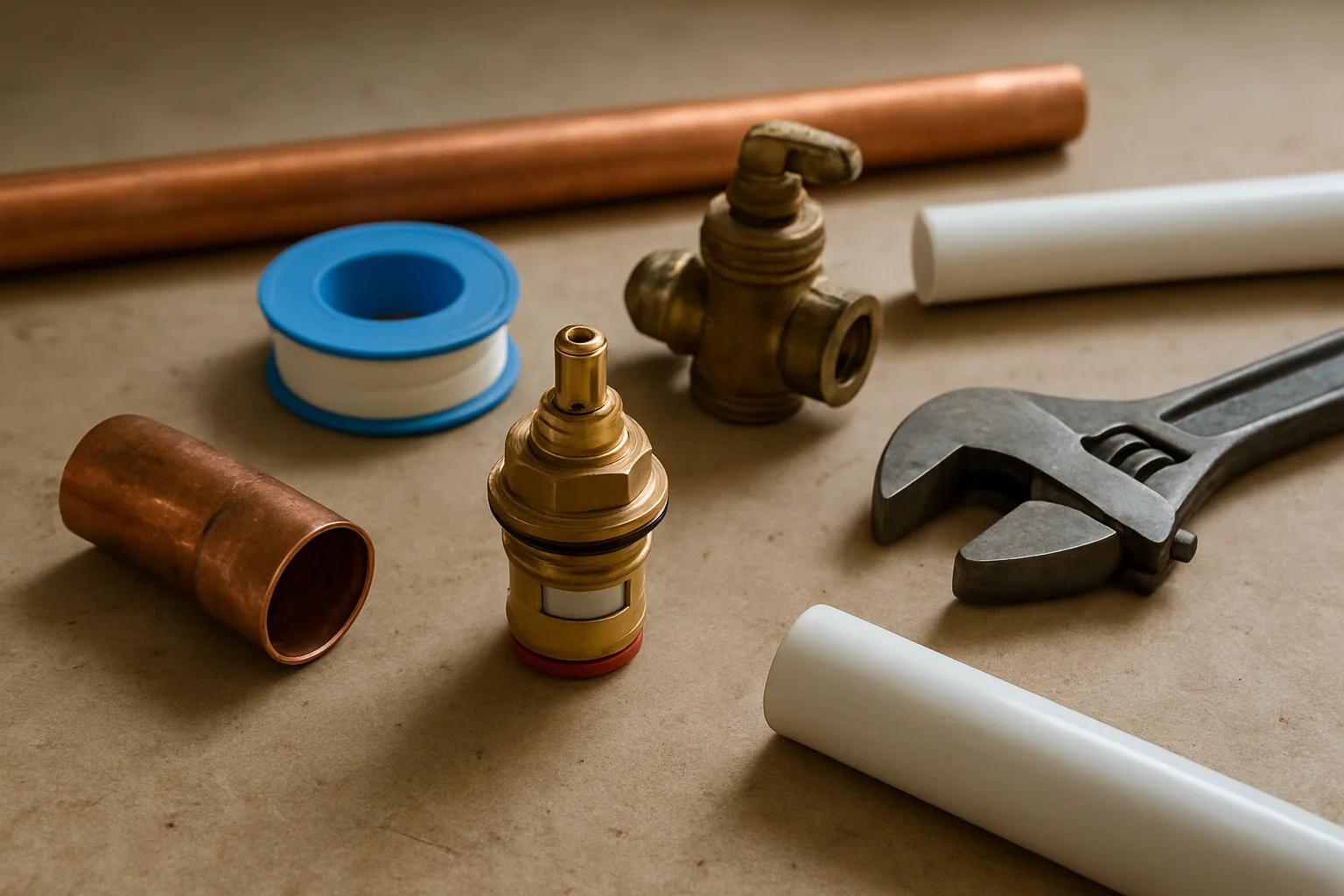
Why Repair Versus Replacement Decisions Matter in Northwest Florida
For homeowners in Bay, Walton, and Okaloosa counties, plumbing decisions are shaped by more than age alone. Humidity, hard water in some areas, coastal air, storm season, and occasional extended periods of heavy use can all affect how long plumbing fixtures and components perform. A small leak, a noisy water heater, a slow drain, or a fixture that looks worn may seem like a simple fix, but the right choice depends on what is happening inside the system, not just what is visible on the surface.
Repair versus replacement is not a one-size-fits-all decision. A well-timed repair can extend the life of a system and avoid unnecessary disruption. In other cases, continuing to patch a failing component can lead to recurring service calls, water damage, or higher utility bills. Homeowners benefit when decisions are based on condition, performance, safety, and long-term value rather than on guesswork or the assumption that newer is always better.
Professional assessment is especially important because plumbing systems often fail in ways that are not easy to see. A dripping faucet may be a simple cartridge issue, or it may be a sign that internal corrosion has begun elsewhere. A toilet that rocks may need a repair, but it may also reveal flange, flooring, or subfloor problems. The goal is to understand the full picture before deciding what to fix now and what to plan for next.
How Coastal Climate Affects Plumbing Life Span
Northwest Florida homes face a climate that can influence plumbing longevity in subtle ways. Coastal air can contribute to corrosion on exposed metal parts, especially around outdoor fixtures, hose bibs, water heater connections, and under-sink components near doors and windows where humid air circulates. Seasonal changes in use, such as periods when vacation homes sit empty or when winter visitors increase occupancy, can also affect seals, traps, and drain performance. In these conditions, routine maintenance becomes more than a convenience; it is a way to catch wear before it becomes damage.
Storm season adds another layer of risk. Heavy rain, power interruptions, and shifting ground conditions can impact plumbing systems, especially if drainage is already marginal or if older components are nearing the end of service life. In some homes, drainage lines and supply lines may have been installed decades apart, creating a mixed system where different parts age at different rates. That makes blanket assumptions unreliable. A part that looks old may still function well, while a newer-looking component may already be failing due to hidden stress.
Because climate influences wear in different ways, replacement decisions should be guided by actual condition. A professional can evaluate corrosion, moisture intrusion, pressure issues, and recurring symptoms to determine whether a component can be repaired safely or should be scheduled for replacement. This is particularly helpful for homeowners in coastal and near-coastal neighborhoods where the same problem may recur faster than it would in a drier inland environment.
Common Signs a Plumbing Problem May Be Repairable
Not every plumbing issue means major replacement is needed. Many common problems are isolated and can be repaired effectively when they are caught early. A faucet that leaks from the handle, a running toilet with a worn flapper or fill mechanism, a garbage disposal that has lost performance, or a single fixture with reduced water flow may be good candidates for repair if the surrounding system is still in sound condition. In these situations, the problem may be limited to a worn seal, cartridge, valve, or connection rather than to the entire fixture or line.
Another sign that repair may be reasonable is when the problem appears recent and has not caused secondary damage. For example, if a drain has started moving slowly but other fixtures in the home are working normally, the issue may be a localized clog or partial restriction. If a supply line is sweating or a minor leak is limited to one fitting, a targeted correction may restore performance without larger work. The key is that the system should be examined for signs that the problem has spread beyond the visible symptom.
Repair is often most sensible when the cost, disruption, and risk remain low relative to the remaining life of the component. A professional assessment can help determine whether the issue is isolated, whether the rest of the plumbing is stable, and whether a repair will likely provide meaningful service life. Without that evaluation, homeowners may either replace something too soon or keep repairing a part that is no longer worth saving.
Warning Signs That Replacement May Be the Better Choice
Replacement becomes more practical when a plumbing component shows repeated failure, widespread corrosion, or performance problems that keep returning after repairs. A water heater that leaks from the tank itself, a faucet that has been repaired several times but still drips, or a toilet that continually has internal problems may be reaching the point where replacement is the better investment. The same is true for components with visible rust, warped parts, mineral buildup that cannot be corrected, or cracked materials that compromise reliability.
A second warning sign is when the problem is part of a larger pattern. If multiple fixtures have low water pressure, the issue may not be in one faucet but in the supply system. If drains in several areas are slow, the problem may be in a shared branch line or main drain rather than in individual fixtures. In these cases, replacing one small part may not address the real source of the trouble. Professional inspection helps identify whether the issue is systemic or isolated so homeowners can avoid repeated temporary fixes.
Replacement may also make sense when a component has become difficult to service. Older fixtures can have discontinued parts, and repeated repairs on outdated equipment may cost time and labor without creating reliable results. In that situation, replacing the fixture, valve, or appliance may improve performance and simplify maintenance going forward. The goal is not to replace everything that is old, but to recognize when old age, repeated repairs, or system-wide issues make replacement the more practical path.
The Role of Water Heaters in Repair or Replace Decisions
Water heaters are one of the clearest examples of why repair versus replacement requires careful evaluation. Many water heater complaints involve issues that are repairable, such as a faulty thermostat, a heating element problem, sediment affecting performance, or a valve that needs attention. However, if the tank itself is corroded, leaking, or showing signs of internal deterioration, the unit may no longer be a good candidate for repair. Because water heater failures can cause significant water damage, homeowners should not rely on assumptions based only on appearance.
A water heater’s age, efficiency, and condition all matter, but none of those factors should be considered alone. Sediment buildup may reduce hot water output and create noise, yet flushing or servicing may restore function if the tank is otherwise sound. On the other hand, a unit that has been repeatedly serviced and still struggles to meet demand may be telling the homeowner that its useful life is nearing an end. In homes with high occupancy, vacation use, or multiple bathrooms, hot water demand can change over time and make an aging unit feel even less capable.
Professional assessment is particularly valuable because some water heater symptoms resemble one another. Lukewarm water, rusty water, unusual noise, and longer recovery times may point to different underlying issues. A qualified plumber can distinguish between a service issue, a repairable component failure, and a tank replacement scenario. That distinction helps homeowners avoid replacing a water heater prematurely or, just as importantly, continuing to depend on one that is nearing failure.
Drain and Sewer Issues: When Cleaning Is Enough and When It Is Not
Drain problems often begin as inconveniences but can become more serious if homeowners repeatedly rely on short-term solutions. A single slow sink drain may respond well to professional cleaning, a trap correction, or removal of buildup in the line. In many cases, that is all that is needed. But when drains back up in several fixtures, gurgle frequently, or slow down again soon after service, the issue may extend beyond one clogged section. That is when a more complete evaluation becomes important.
Replacement is not always the next step for drainage problems, but it may be necessary when a section of pipe is damaged, offset, or badly deteriorated. Older drain lines can accumulate scale, corrosion, or structural wear that limits how well they move wastewater. Tree roots, settling soil, and previous repairs can also create recurring issues. In those cases, repeated cleaning may only provide temporary relief if the underlying pipe condition remains poor. A plumber can determine whether the problem is a blockage, a venting issue, or a physical pipe defect before recommending repair or replacement.
Homeowners should also keep in mind that drain symptoms can affect more than convenience. Slow or backed-up drains can indicate pressure imbalance, partial blockage, or hidden leaks that may affect flooring, cabinets, and walls. A professional evaluation helps determine whether a targeted repair will resolve the issue or whether replacement of a damaged line or fitting is the safer long-term choice. The right answer depends on what the plumbing system is actually doing, not just on how often a sink seems slow.
Faucets, Toilets, and Other Fixtures: Small Parts or Full Replacement?
Fixtures are often the most visible parts of a plumbing system, so homeowners naturally notice them first. A dripping faucet, a toilet that runs intermittently, or a shower valve that no longer responds smoothly may seem simple enough to fix. Often, the issue is indeed a worn internal part, and repair is the logical first step. Replacing cartridges, flappers, seals, or supply connections can restore function without changing the whole fixture when the body and structure are still in good condition.
However, fixtures can reach a point where multiple small issues make replacement more sensible. If the finish is worn, the handles are loose, the internals are outdated, and the fixture has already required repeated service, continuing to repair it may not be the best use of resources. Likewise, older toilets with chronic flushing issues or unstable parts may function better after replacement than after another round of piecemeal fixes. The same reasoning applies to shower trim and tub valves when age and part availability become obstacles.
Professional assessment helps homeowners separate cosmetic aging from functional decline. A faucet may look dated but still operate well. Another may appear fine externally while having hidden corrosion or a valve problem that makes repeated repairs likely. The decision should take into account water efficiency, comfort, reliability, and how often the fixture has already been serviced. Repair is often ideal for isolated wear; replacement becomes more attractive when the fixture’s overall condition no longer supports dependable performance.
Pipes, Pressure, and Hidden Plumbing Conditions
Pipes are harder for homeowners to evaluate because most of the system is hidden behind walls, floors, and ceilings. That makes professional inspection essential when there are signs such as unexplained water stains, pressure changes, recurring leaks, or noisy plumbing. In some cases, a pipe section can be repaired locally if the damage is limited and the surrounding material is sound. In other cases, the visible leak may be only one symptom of a much larger issue involving corrosion, age, or movement in the piping system.
Water pressure problems are especially important to assess carefully. Low pressure in one fixture may point to a simple aerator or valve issue, while low pressure throughout the home may suggest a broader supply concern. High pressure can also strain pipes, fittings, and appliances, creating long-term wear even if everything seems to work in the moment. A plumber can test and evaluate pressure, look for signs of pipe deterioration, and determine whether a repair will solve the immediate issue or whether replacement of sections of piping or pressure-related components is warranted.
Because hidden pipe conditions are difficult to diagnose visually, homeowners should avoid making decisions based only on the most obvious symptom. A damp wall may be the result of a small repairable leak, but it may also indicate aging lines that deserve more extensive attention. The more complete the evaluation, the better the chances of choosing a solution that addresses both the current problem and the risks that caused it.
How to Think About Age, Usage, and Cost Without Guessing
Age matters in plumbing, but age alone does not determine whether something should be repaired or replaced. A relatively old fixture that has been maintained well and used lightly may continue to perform satisfactorily, while a newer component subjected to heavy use, poor water conditions, or repeated stress may fail sooner. In Northwest Florida, usage patterns also matter. A primary residence, a seasonal home, and a rental property may each place different demands on plumbing systems, even if the homes are similar in size and age.
Cost should be viewed in relation to expected remaining life and likelihood of repeat issues. A repair may be the smarter option when it restores stable function and gives the homeowner meaningful additional service time. Replacement may be the smarter option when the same problem is likely to recur, when the system has multiple weak points, or when the current component no longer supports efficient operation. This is where homeowners benefit from professional judgment rather than from trying to estimate value based on a quick internet search or one symptom alone.
A thoughtful plumber can explain the condition in practical terms: what failed, what can be repaired now, what signs suggest a larger issue, and what replacement would change in day-to-day use. That conversation helps homeowners compare options without pressure or confusion. The best decision is rarely about choosing the cheapest immediate fix. It is about selecting the option that is most dependable for the home, the climate, and the way the plumbing is actually used.
Why Professional Assessment Is the Safest Next Step
A professional assessment gives homeowners a clearer picture of what is happening inside the plumbing system before money is spent on the wrong solution. Skilled plumbers look for symptoms, test components, inspect visible connections, and evaluate whether the problem is isolated or connected to a broader system issue. That matters because two homes can show the same symptom for completely different reasons. A leak under a sink may be a loose connection in one house and a sign of failing supply lines in another.
Assessment is also important because some plumbing issues have hidden consequences. Water can travel along framing members, under cabinets, or through flooring before becoming visible. A fixture may appear to be the source when the actual issue begins elsewhere. Professional evaluation helps prevent unnecessary replacement, overlooked damage, and recurring service calls. It also helps homeowners prioritize what must be addressed immediately and what can be planned for later, which is especially useful when several parts of the plumbing system are aging at once.
For homeowners in Bay, Walton, and Okaloosa counties, professional assessment can also account for local conditions that influence material wear and system performance. That local perspective matters when deciding whether a component should be repaired for now or replaced before it fails at an inconvenient time. In many cases, the value of the assessment is not just the recommendation itself, but the explanation behind it. Understanding why a part is being repaired or replaced helps homeowners make better maintenance decisions in the future.
What Homeowners Can Do Between Service Visits
There are safe, practical habits homeowners can follow between plumbing visits that support long-term system health without attempting risky DIY work. Paying attention to changes is one of the most useful habits. If water pressure drops, drains slow down, fixtures make new noises, or a water heater begins behaving differently, those changes are worth documenting. Noting when a problem started, how often it happens, and whether it affects more than one fixture can help a plumber diagnose the issue more efficiently.
Regular visual checks are also valuable. Homeowners can look for damp spots under sinks, discoloration around fixtures, corrosion on exposed connections, and signs of moisture around toilets, water heaters, and laundry hookups. These observations do not replace professional service, but they can help catch a problem early. It is also wise to keep an eye on shutoff valves and exposed supply lines, especially in humid areas or around fixtures that see frequent use. Early awareness often makes repair more likely than replacement.
The most important boundary is to avoid hazardous do-it-yourself actions, especially on hidden leaks, gas-connected appliances, electrical components, or major drain and sewer problems. If a homeowner is unsure, stopping and calling a professional is the safer choice. A trained plumber can assess the issue, identify the root cause, and recommend the most appropriate course of action. That is far better than risking additional damage by trying to force a temporary fix without understanding the system.
Choosing a Long-Term Plumbing Plan for Your Home
Good plumbing maintenance is not only about solving today’s problem; it is about planning for the next one in a way that fits the home. A maintenance-minded homeowner in Northwest Florida looks at the plumbing system as a whole: fixtures, drains, water heater, supply lines, and visible connections. When one part begins failing, it is useful to ask whether it is an isolated issue or part of a larger pattern of wear. That perspective helps guide whether a repair will likely be enough or whether replacement should be planned before an emergency forces the decision.
A long-term plan does not require replacing everything at once. It means making informed decisions over time, based on actual condition and professional guidance. Some components may be worth repairing now and watching later. Others may be close enough to the end of their useful life that scheduling replacement is the more sensible option. The benefit of this approach is predictability. Homeowners can reduce surprise failures, avoid unnecessary water damage, and keep their plumbing system functioning more reliably through changing seasons.
For homeowners in Bay, Walton, and Okaloosa counties, that kind of planning is especially valuable because climate, occupancy patterns, and system age can interact in unexpected ways. When you understand the difference between repairable wear and replacement-level failure, you can make decisions that support both comfort and peace of mind. If you need a professional opinion on a plumbing issue, 850 Plumber, part of veteran-owned A Superior Mechanical, serves Bay, Walton, and Okaloosa counties, FL, and can help assess whether repair or replacement is the better path for your home.
Explore related plumbing care
- Sewer Repair & Maintenance in Bay, Walton and Okaloosa Counties, FL
- Toilet Repair and Replacement in Bay, Walton and Okaloosa Counties, FL | 850 Plumber
- Drain Cleaning & Maintenance in Bay, Walton and Okaloosa Counties, FL
- Leak Detection & Slab Leak Repair in Bay, Walton & Okaloosa Counties, FL | 850 Plumber
- Plumbing Fixture Installation & Maintenance in Bay, Walton and Okaloosa Counties, FL
- Plumbing Maintenance in Bay, Walton and Okaloosa Counties, FL
Continue reading
- Water Leak Repairs in Northwest Florida: How Homeowners Can Decide Between Repair and Replacement
- Water Heater Installation in Freeport, FL: How Northwest Florida Homeowners Decide Between Repair and Replacement
- Sewer Camera Inspection in Northwest Florida: How Homeowners Decide Between Repair and Replacement
Talk with the 850 Plumber team for help with your home or business.